
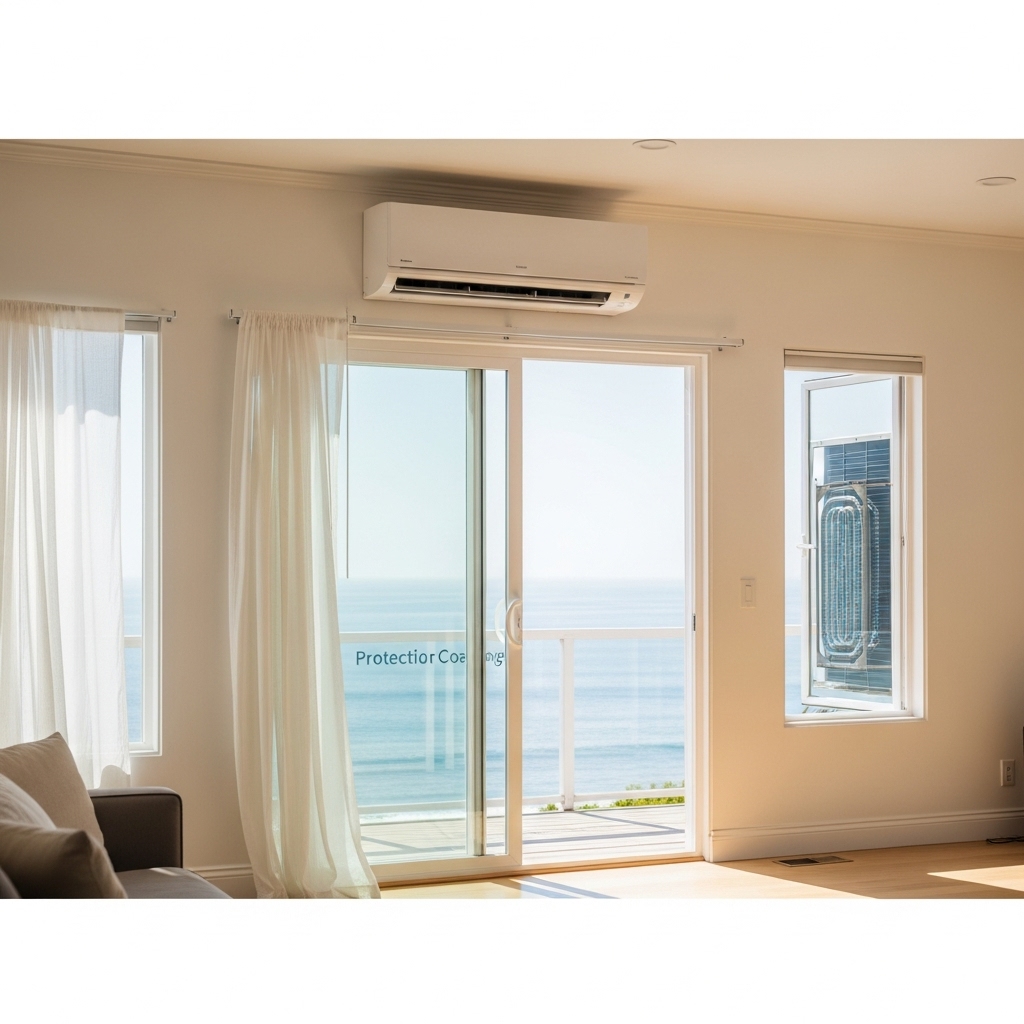
There’s a particular kind of quiet you hear in Malibu homes that sit a few steps from the sand or gaze across the canyon toward the sea. You notice it in guest suites that open to decks, in art studios tucked behind sliding glass, and in ADUs where visitors slow down and listen to the wind. Ductless mini split systems fit that quiet beautifully. They offer targeted comfort without the rumble of long duct runs, they adapt to rooms that live half inside and half out, and they let architecture breathe without being overruled by bulky equipment. For homeowners considering this path, the key is understanding how Malibu’s blend of salt air, sun, and microclimates shapes good design and careful installation.
In the first conversations I have with clients—from Broad Beach cottages to hillside glass pavilions—we talk about the lifestyle the system will support. Will the home welcome extended family in summer but lie still through winter? Do glass doors stay open to the morning marine layer? Are there rooms that swing from full sun to shade across the day? Those patterns guide where indoor heads belong, how lines are routed, and how the system can dry the air gently without overcooling. Early on, I also introduce the broader context of resilient air conditioning choices at the coast, so that the mini split you choose today still feels right when the winds change and the seasons shift.
Ductless systems shine in spaces that defeat traditional ducts. Malibu’s architecture is rich with steel, concrete, and glass, and upgrades often dance around structural elements that would force awkward duct routes. A wall-mounted or ceiling cassette unit sidesteps those constraints, landing exactly where cooling is needed, whether that’s a sun-soaked loft or a serene bedroom over a carport. Because each zone has its own indoor head, you can tune comfort for each space, leaving rooms that sleep cool while letting rarely used areas idle.
Coastal considerations for mini splits
Salt is the quiet adversary here. Outdoor units need space to breathe and materials that will not surrender quickly to the marine layer. On lots with direct exposure to ocean spray, protective coil coatings, corrosion-resistant fasteners, and thoughtfully designed brackets extend life. Placement is equally important: a few feet off the ground can ease cleaning and reduce sand intrusion, while a sheltered but ventilated position spares the unit from direct blasts of salty wind without choking airflow. A good installation treats these choices as essential rather than optional.
Aesthetics matter deeply in Malibu, and ductless systems offer subtlety. Line sets can be concealed in low-profile covers that match exterior finishes, running along reveals and shadow lines architects intended. Indoors, the choice between wall-mounted units, recessed ceiling cassettes, or slim-ducted concealed heads is as much about visual harmony as it is about performance. In rooms with curated art or expansive ocean views, selecting a style that disappears into the background is part of the craft.
Humidity, comfort, and daily rhythms
Mini splits excel at modulating output to match a room’s needs. On foggy mornings, they can dry the air gently without driving temperatures too low; on Santa Ana afternoons, they ramp up smoothly without stingy blasts. That behavior owes to inverter-driven compressors and refined controls that sense minute changes in load. In Malibu’s microclimates, this adaptability is more than a feature—it’s the difference between systems that feel fussy and ones that feel naturally in tune with daily life.
Because mini splits are zoned, they also empower schedules that honor how you use the home. If your workday unfolds on a shaded lower level and your evenings breathe out onto an upper deck, the system can track that pattern with minimal adjustment from you. And when guests arrive, new zones spring to life without overcooling the parts of the home that don’t need attention.
Sound and placement
Quiet is part of the Malibu promise, and ductless systems deliver it when installed thoughtfully. Outdoor units placed away from reflective corners, fitted with vibration isolation, and shielded from prevailing winds remain whisper-quiet even under load. Indoors, modern heads are designed to fade into the background, and careful commissioning ensures fan speeds and vanes avoid drafts that would distract from a movie night or a late conversation on the sofa. In small ADUs or studios, that whisper is the difference between a system you tolerate and one you forget.
Line lengths and elevation changes sometimes matter in hillside homes, where outdoor units perch below decks or above garages. Good design respects manufacturer limits and anticipates maintenance access, ensuring filters can be removed easily and coils can be cleaned without gymnastics. Over time, that attention pays back in serviceability and system life.
Electrics, controls, and resilience
Modern mini splits are electronically sophisticated. They reward solid electrical groundwork: clean power, proper grounding, and surge protection that shields sensitive boards from grid events. Malibu’s proximity to salt can encourage subtle corrosion in disconnects and panels; inspecting those during planning keeps problems from shadowing a fresh install. Controls, whether simple remotes or integrated smart systems, should reflect your habits. If you prefer to leave doors open in the morning, programming the system to dehumidify gently and resume cooling when the sun presses in makes the home feel cared for rather than managed.
Integration with shading and ventilation strategies is another layer of finesse. Many Malibu homes leverage cross-breezes in the evening. A mini split that steps back during that period and resumes later quietly carries comfort through the night without asking you to babysit settings. If you travel, remote monitoring offers peace of mind, letting you wake a guest suite before friends arrive or check that the studio isn’t baking in unexpected heat.
Maintenance in a salty world
Filters on indoor units are easy to access and should be cleaned regularly, especially in homes that open to the outdoors. Outdoor units benefit from gentle rinses with fresh water to remove salt film, and periodic professional cleanings keep coils efficient. In high-exposure areas, protective coatings and routine inspections of fasteners and cabinet seams slow the march of corrosion. None of this is onerous; it’s a rhythm that matches the coast’s embrace and gives your investment a longer, calmer life.
When repairs are needed, they often echo the same themes: small electrical components stressed by salt, sensors that drift in humid conditions, or airflow obstructions from wind-blown debris. A technician familiar with Malibu will test under real conditions—foggy mornings, warm afternoons—and adjust settings so the system behaves like a courteous guest, present but never intrusive. Midway through any service conversation, it’s useful to revisit the broad promise of modern air conditioning in zoned, inverter-driven form: quiet, precise, and tuned to the life you lead here.
When ductless is the best fit
In additions, ADUs, and rooms where ducts would be disruptive or inefficient, mini splits are an elegant answer. They are also powerful allies in homes that crave zoning, where one part of the house faces sun and sea while another curls into the hill’s cool shadow. When combined with thoughtful placement and coastal protections, they offer an installation that feels bespoke to Malibu, not imported from somewhere that doesn’t feel this breeze or this sun.
For homeowners who love the way their house opens to the day and quiets at night, ductless systems offer comfort that follows suit. They do so without forcing architecture to compromise or sound to intrude. And because they ask for only modest maintenance, they keep pace with a lifestyle that values time and the simple pleasure of an evening view.
FAQ: Ductless mini splits in Malibu
Will a mini split handle Malibu’s foggy mornings without feeling clammy?
Yes. Inverter-driven systems modulate cooling and fan speeds to remove moisture gently, avoiding the chill that comes from short, aggressive cycles. Proper placement and commissioning amplify that effect.
How do outdoor units hold up near the ocean?
With sensible protection—coatings, corrosion-resistant fasteners, and thoughtful placement—outdoor units perform well. Regular fresh-water rinses and periodic professional cleanings keep salt from gaining a foothold.
Are ceiling cassettes better than wall mounts?
Neither is universally better; it depends on the room. Ceiling cassettes can disappear visually and distribute air evenly, while wall mounts offer simplicity and easy access for maintenance. The best choice follows the architecture and how the room is used.
Can I add zones later?
In many systems, yes, provided the outdoor unit’s capacity and port configuration allow it. Planning for future zones during the initial installation makes additions cleaner and minimizes disruption.
What maintenance should I expect?
Regular filter cleaning, seasonal inspections, and gentle outdoor rinses are the core tasks. A professional should check electrical connections, coil condition, and controls to keep performance smooth.
If your Malibu home deserves comfort that feels as natural as the view, consider a ductless path that respects architecture, silence, and salt air in equal measure. A thoughtful design and a careful installation will give you years of poised, steady performance. When you’re ready to explore options and map them to your rooms and routines, connect with local specialists in air conditioning who understand the coast’s demands and can shape a solution that disappears into the life you love.