
Best practices for air conditioning maintenance in Malibu are shaped by sun, salt, wind, and the easy pace of coastal living. When the marine layer curls over the beach at dawn and retreats by late morning, your system transitions through temperature and humidity changes that test electrical connections, coils, and drains. Inland, where canyons soak up heat and attic spaces run warm, equipment faces longer daily operating cycles and greater stress on motors and capacitors. Understanding these local forces turns generic advice into a Malibu-specific playbook and ensures that maintenance habits serve the home you actually live in. The most reliable place to begin is with a steady plan for filter care, coil cleanliness, and condensate management, then layer in strategies for salt air protection, thoughtful scheduling, and attentive listening. If you are building or refining your plan today, consider locking in your baseline air conditioning maintenance so that each season starts from a place of confidence.
Start with Airflow: Filters that Fit Your Life
Everything good in an air conditioner depends on airflow. In Malibu, filters live interesting lives—they catch beach sand tracked indoors, pollen from canyon trails, fine dust from wind events, and occasional ash during wildfire season. Best practice starts with selecting a filter that balances particle capture with the blower’s ability to move air, and then changing it as often as your home demands. If you have pets, frequent guests, or doors that open to ocean breezes all day, the schedule may be more frequent than a simple calendar tells you. Make sure the filter seats properly so air does not shortcut around it, and keep a small stock on hand so that replacement never waits on a delivery. Each change is a reset that restores the system’s breathing.
Coil Cleanliness as a Coastal Discipline
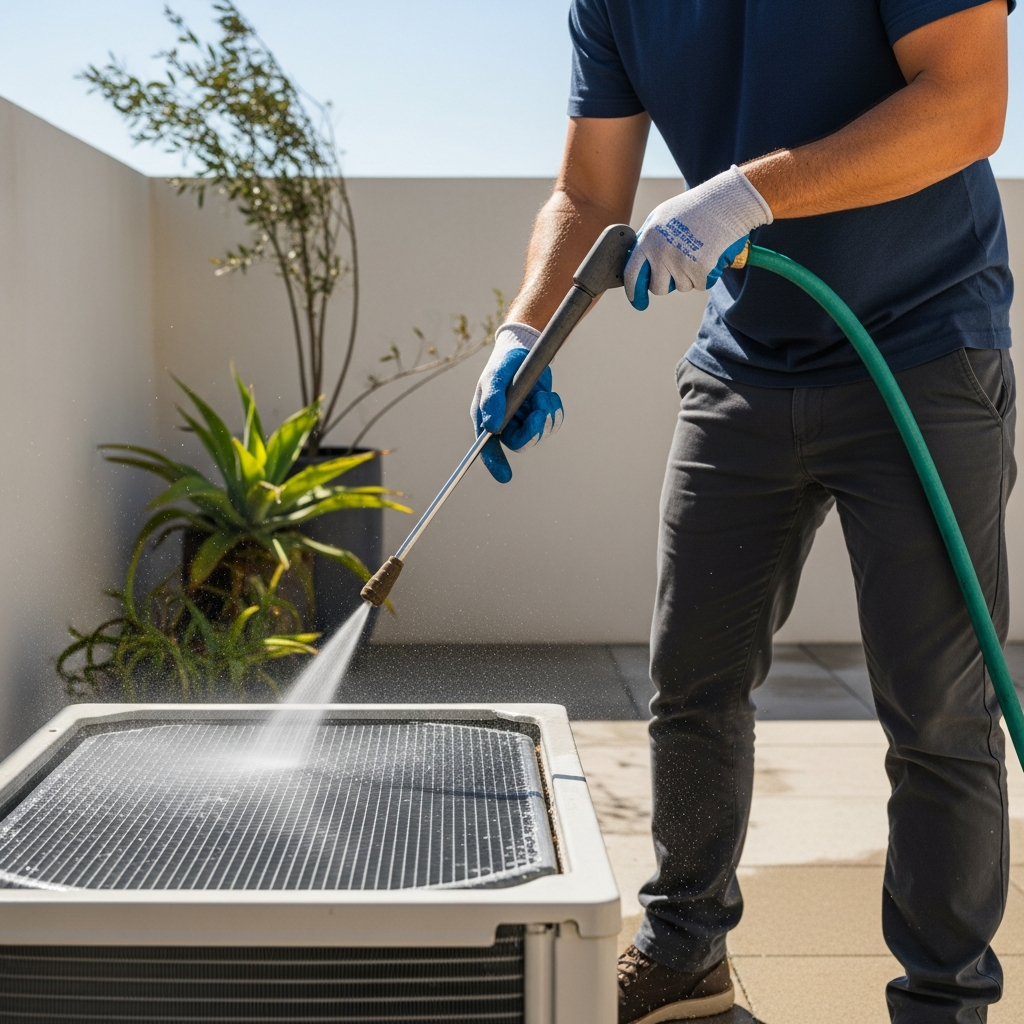
Coils do the quiet work of heat exchange, and in coastal communities, their job is complicated by fine salt and moisture. The outdoor condenser coil collects particles that look harmless on the surface yet add up to a real barrier to heat transfer. Inside, the evaporator coil can gather dust and organic material that settle on the fins when airflow is compromised. Best practice is to include coil inspection and gentle cleaning in your regular maintenance, using methods and solutions that respect the delicate aluminum. High pressure is rarely your friend here; technique matters more than force. When coils are clean, temperatures split the way they should, compressors run comfortably, and the entire system relaxes.
Condensate: Small Lines, Big Responsibility
Malibu’s climate can swing from dry to misty within hours, and on humid days, condensate lines carry away surprising amounts of water. Algae and fine dust can collaborate to slow or block drainage, turning a quiet drip into an overflow risk. A best-practice maintenance plan always inspects traps and lines, tests safety switches, and confirms a clear path to drain. If your air handler lives in an attic over living space, this check is nonnegotiable. Adding a secondary safety float where appropriate and ensuring insulation around lines is intact prevents condensation along the length, another small detail that makes future maintenance simpler and safer.
Electrical Health Under Attic Heat
Attic-mounted equipment in Malibu canyon homes can face temperatures that nudge well beyond outdoor readings. Heat challenges electrical components first: capacitors drift from their rated values, contactors pit or stick, and wire insulation can soften over time. During maintenance, testing these components under realistic conditions is essential. A best-practice technician will measure capacitor values, examine contact points, and tug gently on connections to ensure nothing has loosened through expansion and contraction. These are the moments when incipient failures are caught before they become sweaty afternoons waiting for a repair.
Protecting Outdoor Units from Salt and Wind
Beachfront condensers deserve their own chapter. Best practice includes regular visual inspections for early signs of corrosion, protective coatings where recommended by the manufacturer, and mindful rinsing to remove fine salt. Clearance around the unit is a living issue; plants grow, furniture migrates, and beach days end with gear stacked conveniently—but sometimes too close. Keeping a healthy breath of space around the unit allows air to move and heat to disperse. After windy days, a glance to ensure leaves or paper have not lodged against the guard helps prevent surprise performance dips.
Thermostats and Sensors: Calibrate Comfort
Smart controls are powerful only when they tell the truth. Best practice is to verify thermostat calibration during maintenance and to assess whether sensor placement reflects how rooms are used. A sensor in a sunny hallway might read warmer than a shaded bedroom, asking the system to overcool some spaces to satisfy the one that reads high. During maintenance, small adjustments or strategic sensor relocation can even out the home. Programming should match your life; if mornings start outdoors and afternoons settle on the couch, a smart schedule that mirrors that pattern keeps runtime reasonable and comfort consistent.
Ductwork: The Hidden Highway
Ducts occupy crawl spaces, attics, and chases where few of us venture, yet they carry all the comfort your system creates. Best practice treats ducts as part of maintenance, not an afterthought. Visual inspections for insulation gaps, loose connections at plenums, or signs of rodent exploration make a difference. In older homes, flexible duct runs might be longer or kinked, reducing airflow to distant rooms. Mention any persistent hot or cool spots during maintenance, and consider an airflow assessment if patterns resist simple fixes. A small correction today prevents a season of overworked equipment tomorrow.
Scheduling with the Malibu Calendar
We learn the seasons here by feel: the muffled mornings when fog reaches down the hillside, the clear, windy days that scrub the air, and the long, bright afternoons that invite everyone outdoors. Best practice translates that rhythm into a maintenance plan with a spring tune and a late summer refresh, with an optional midseason glance for ocean-adjacent homes. Following windy or smoky events, a quick check-in restores the system to baseline. Ownership size and use matter; guesthouses, rental units, and pool houses each add their own needs, and scheduling responds to those details rather than trying to force every building into the same cadence.
Listening to Your System
Best practice is not just mechanical—it is attentive. Listen to the outdoor unit when it starts: does the fan spin smoothly and settle into a steady whir, or is there a chatter that was not there last week? Indoors, pay attention to how quickly your setpoint is reached and whether new smells accompany long cycles. These clues inform maintenance and help your technician prioritize. When you share those observations, you get a more targeted, effective visit, and small issues are often resolved before they grow legs.
When Maintenance Meets Repair
Even with the best habits, time and environment win some rounds. On a maintenance visit, a technician may discover a weakening capacitor, a tired contactor, or a coil that needs more than a casual rinse. Best practice recognizes that pausing for a small corrective action now is often the most respectful choice for your time later. Malibu’s salt and sun reward proactive decisions; parts that operate at their design values save compressors and motors from stress. A balanced approach—maintain thoroughly, address what is clearly fading, and document the system’s story—keeps comfort steady without drama.
Documenting the Home’s Story
Homes change hands, families grow, and usage shifts with seasons. Keeping simple records of maintenance dates, filter sizes, and any parts replaced pays dividends. When a new technician arrives or when the next season comes, that context shortens diagnostic paths and focuses attention where it is needed. Best practice in Malibu is to add notes about environment—how close you are to the surf, whether morning fog is a daily companion, whether the outdoor unit sees afternoon shade—because those details set expectations for how the system will age.
Energy Sense without Compromise
Efficiency is an outcome of good maintenance. Clean coils, correct refrigerant performance reflected in system behavior, and healthy airflow reduce runtime and even out room temperatures. Best practice includes reviewing thermostat setbacks that make sense for your family, using ceiling fans to reduce perceived temperature in occupied rooms, and shading west-facing windows during hot afternoons. These are gentle strategies, and when paired with professional maintenance, they lighten the system’s workload so that it has enough in reserve for heat spikes.
Indoor Air Quality as a Daily Practice
We often talk about maintenance in terms of machinery, but the air you breathe is the reason it exists at all. Best practice in Malibu, especially after smoky periods or long, dusty winds, includes opening the conversation about filtration and ventilation. If allergies are a concern, a thoughtful upgrade in filter type alongside careful monitoring of airflow may make sense. If windows are open most days, the schedule for filter checks adjusts accordingly. Maintenance becomes the regular moment when your air quality goals are checked against how the system is performing.
Partnering with a Technician Who Knows the Coast
Local experience is not a luxury; it is a best practice. A technician familiar with Malibu expects to find salt film on condenser cabinets, knows how to move safely and respectfully through tight hillside properties, and carries the cleaners and coatings suited for coastal metals. They are attuned to the sound of a blower working too hard because a filter schedule slipped and to the smell of a condensate issue developing in a humid week. That familiarity compresses the time from arrival to resolution and makes each maintenance visit feel like part of an ongoing conversation rather than a one-off stop.
Middle-Mile Assurance for the Season
Partway through summer, pause to consider how the system feels. If the house takes longer to settle comfortably after a day at the beach, if the outdoor unit seems to labor, or if humidity hangs in the air longer than usual, a midseason check can restore easy operation. It is an especially wise step for homes within a few blocks of the surf, where salt and moisture accumulate steadily. Make that touchpoint part of your plan when you schedule your next air conditioning maintenance so you do not rely on memory when the calendar gets crowded.
Frequently Asked Questions
How often should coils be cleaned near the ocean? In most Malibu beachfront settings, coils benefit from inspection at least twice per cooling season, with gentle rinsing as needed and a more comprehensive cleaning during scheduled maintenance. The goal is to keep heat exchange efficient without stressing the delicate fins.
What filter type is best for homes with pets?
A higher-efficiency filter can capture dander effectively, but it must balance with airflow. Discuss options with your technician during maintenance so that the blower is not overburdened. Often, a modest upgrade in filter rating paired with more frequent changes is the sweet spot.
Do smart thermostats reduce energy use without sacrificing comfort?
When programmed thoughtfully, yes. They allow pre-cooling before peak heat, ease off when the marine layer cools afternoons, and coordinate with occupancy patterns. Maintenance ensures sensors are accurate and that system operation aligns with those smart strategies.
How do I protect my outdoor unit from landscaping impacts?
Maintain clear space around the condenser and be mindful of fast-growing plants or movable furniture. After gatherings, take a quick look to ensure nothing has migrated close. During maintenance, ask for feedback on airflow clearance and any recommended adjustments.
What is the most important step between maintenance visits?
Stay on top of filter changes and listen for new sounds. Catching a subtle rattle or a longer-than-usual cooldown early guides you toward timely attention. Between visits, a gentle visual check of the outdoor unit keeps salt and debris from becoming long-term obstacles.
Are there special considerations after wildfire smoke days?
Yes. Smoke and ash can load filters quickly and leave a residue on coils. A prompt filter check and, if needed, a focused coil cleaning help restore performance. Discuss adding a post-event check to your maintenance plan if your home is frequently affected.
Ready to Put Best Practices to Work?
Your home’s comfort is a daily luxury, and caring for it should feel simple. Partner with a local professional who understands Malibu’s climate, book routine service before the season turns, and keep small habits in motion between visits. If you are ready to make steady comfort your norm, schedule your next air conditioning maintenance and enjoy a system tuned to the way you live by the coast.