
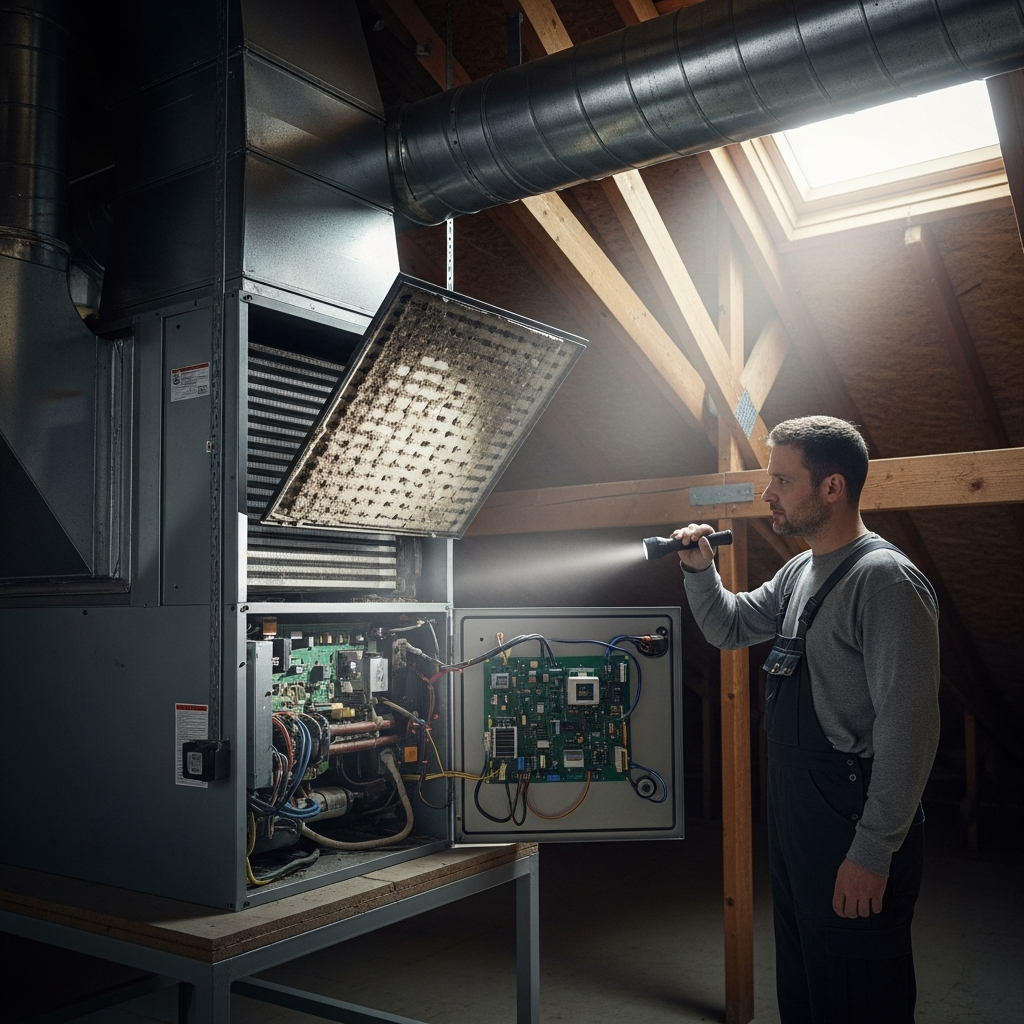
On a fog-kissed Malibu morning, your AC may hardly stir, but by late afternoon, the sun pours across canyons and decks, and suddenly the house needs help staying steady. Most days, your system adapts without fuss. Then there are those moments—warm air from the vents, a mysterious drip, a hum without a start—when knowing what to check first can save an evening and a service call. These are the coastal-savvy troubleshooting steps I share with neighbors from Broad Beach to Carbon Canyon, built from years of listening to systems breathe in salt air and marine breezes. Before anything else, remember safety: turn power off before you touch panels, and if something feels off or smells sharp, pause and call for help. The goal is to keep your air conditioning reliable without taking risks.
Begin at the thermostat. In rental homes and busy households, settings drift. Confirm it is in cool mode, the setpoint is below room temperature, and any schedules or holds are what you intend. If the screen is blank or dim, replace batteries if it takes them. A thermostat bumped into heat or fan-only mode has ended more Malibu pool parties than I can count.
Power Paths and Quick Resets
Malibu’s winds and utility events can cause brief power interruptions. If your system suddenly goes silent, check the breaker panel for a tripped AC or air handler breaker. Reset once, firmly, and wait a few minutes before trying the system again. Many units have built-in time delays to protect the compressor after a power blip, so give it a five-minute window before you assume the worst. If the breaker trips again immediately, stop there and call a professional—repeated trips point to a fault that needs diagnosis.
Near the outdoor unit, there is often a disconnect box. Make sure it is fully seated. In salt air, the blades inside can corrode and sit awkwardly; sometimes reseating restores a clean connection. Do not force anything and never reach into a live compartment. Visual confirmation that the handle is in place is enough.
Airflow Checks You Can Do
Restricted airflow is a frequent culprit on the coast, especially during fire season and remodels. Pull your filter and inspect it against light. If you cannot see a soft glow through the media, it is time to replace it. Use the correct size and orientation, and avoid folding or cramming it into the slot. While you are at it, walk the house and feel for air at several supply registers. If one room seems dead, the register may be closed, a damper might have shifted, or a piece of construction plastic could be hiding inside from a long-ago project.
Outside, look for the obvious: leaves, bougainvillea petals, sand, or plastic bags pulled against the condenser coil. A gentle rinse with fresh water can restore breathing room. Make sure at least two feet of clearance surrounds the unit and there is no screen or fence trapping hot discharge air. If you feel very warm air being pulled into the side of the condenser, it might be recirculating its own exhaust—common in certain wind patterns on ridge lots. That requires repositioning or a deflector by a pro.
Warm Air, Short Cycling, and Icy Surprises
If the system runs but air feels warm, verify that the outdoor unit is spinning and the compressor is engaged. You will hear a distinct, smooth hum and feel warm air exhausting upward. If only the fan is running and the top air feels barely warm, the compressor may not be starting—often a capacitor or contactor issue that needs service. Do not continue to run it that way; you will not get cooling and you can stress components.
Short cycling—starting and stopping every few minutes—has several triggers: a clogged filter, an iced evaporator coil, low refrigerant from a leak, or a thermostat sensing heat from a nearby window. If you suspect icing, turn the system off and run the fan in on mode for thirty to sixty minutes to thaw the coil, then replace the filter if it is dirty. Check the condensate pan afterward; heavy thaw can fill it quickly. If icing returns, you have an underlying airflow or refrigerant issue that calls for a visit.
Sometimes Malibu’s cool, damp mornings fool a system into borderline operation. The house may feel clammy even as the thermostat reads near target. Resist the urge to slam the temperature down several degrees. Instead, set a reasonable target and allow the system to run long enough to wring out moisture. If your thermostat supports dehumidification or comfort settings, enabling them can prevent that sticky feel without overcooling.
Leaks, Drips, and Odors
Water near an indoor air handler typically means a condensate drain issue. Along the coast, algae love the mild water that collects in the drain line. If you see water in a secondary pan or notice a float switch has stopped the system, you have saved yourself from ceiling damage; now it is time to clear the line. Some cleanouts allow a homeowner to carefully flush with warm water, but if you are unsure of the route, wait for a technician. For outdoor units, a wet pad after a long run is normal from condensation; what you do not want to see is oil-stained moisture, which suggests a refrigerant leak.
Odors tell stories. A musty smell at start-up often means a damp, dusty coil or wet filter that needs attention. A sharp, electrical scent suggests a component has overheated; in that case, shut things down and get help. Coastal corrosion can elevate electrical resistance enough to warm a contactor or spade connector, and catching it early prevents progressive damage.
Noises in the Night
When the ocean air is still, sound travels. A new rattle could be a loose panel or a twig in the fan. A rhythmic tapping may be a fan blade clipping a leaf lodged under the guard. Turn the system off before you inspect, and never insert fingers or tools through the grate. If the sound persists after clearing debris and reseating panels, it is time for a closer look by a pro, particularly if you hear metallic scraping or a harsh buzz from the outdoor cabinet.
Heat Pumps and Defrost Moments
Many Malibu homes use heat pumps. On cool, moist mornings, you might see steam rising from the outdoor unit and hear a change in tone. That is a normal defrost cycle in heat mode, clearing moisture that has frozen on the coil. If cooling is requested and you see heavy frost or ice building on the outdoor coil, shut down and call for service; that is a different story pointing to refrigerant or control issues.
When to Pause and Call
Trust your instincts. If breakers trip repeatedly, the outdoor fan runs without the compressor, ice appears on lines, or there is a burning odor, stop and make the call. Likewise, if you have rinsed the condenser, changed the filter, and verified settings but the house still will not stabilize, there is value in a timely diagnosis. Salt air can turn a minor electrical hiccup into a bigger fault if left humming along.
For many smaller quirks—filters, mildly clogged drain lines, and gentle coil rinses—a little attention keeps you comfortable without drama. For anything beyond those basics, partner with someone who understands our coastal conditions. A Malibu-seasoned technician will read the wind patterns, the marine layer’s effect on humidity, and the way hillside homes breathe, and will leave you with quiet, even rooms and a plan to avoid repeats. Mid-season tune-ups and simple preventive steps can keep your air conditioning steady through the longest heat spells.
Frequently Asked Questions
Why is my AC blowing warm air?
First verify thermostat settings, then check that the outdoor unit is running with the compressor engaged. If the condenser fan spins but the air exhausting is barely warm, the compressor may not be starting—often a capacitor or control issue. Dirty filters and iced coils can also cause warm supply air. Address the basics and call a pro if the problem persists.
How often should I change my filter in Malibu?
Check monthly during summer and any time construction dust or fire season elevates particulates. Replace the filter as soon as light cannot pass through easily or if you see matting. Clean filters keep the coil dry and maintain airflow, which prevents short cycling and icing.
Is it safe to rinse my outdoor unit?
Yes, with the system powered off and using gentle hose pressure. Let water sheet through the fins from the cleaner side out. Avoid pressure washers and avoid bending fins. Along the coast, a periodic rinse is one of the simplest, most effective steps you can take.
What does it mean if I see ice on the lines?
Ice indicates a mismatch between refrigerant charge and airflow or an outright control problem. Turn the system off, run the indoor fan to thaw if needed, replace a dirty filter, and schedule service to find the root cause. Do not continue running it iced; that risks liquid refrigerant returning to the compressor.
My AC stopped after a brief power outage. Do I need service?
Probably not. Many systems include a five-minute anti-short-cycle delay after power restoration. Wait a bit and try again. If it still will not start or the breaker trips, call for help to check connections and components stressed by the outage.
Restore Calm, Cool Rooms
If today’s troubleshooting pointed you to a filter, a rinse, or a reset, you are already back on track. If you need a steady hand to go deeper, call for local support that understands Malibu’s salt air and shifting breezes. When you are ready for dependable help and preventive guidance, schedule a visit and keep your air conditioning running smoothly, day and night.