
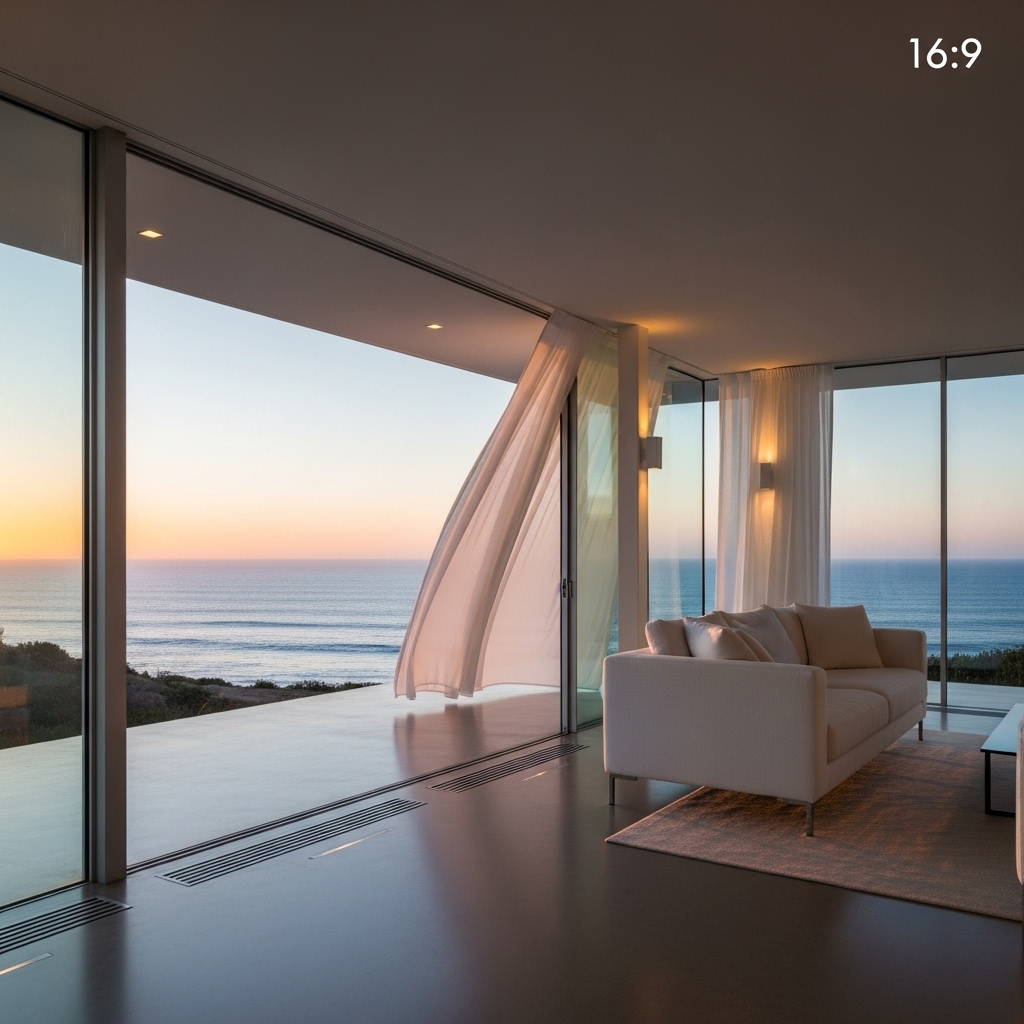
Walk any stretch of Malibu—from older beach cottages near La Costa to glass pavilions perched above Encinal—and you’ll notice a quiet shift in how homes handle comfort. Design is lighter, indoor-outdoor living is seamless, and technology fades into the background. The latest thinking in air conditioning matches that ethos: systems are quieter, smarter, better at controlling humidity, and more durable against salt and sun. For homeowners, the trend is clear—cooling is no longer an afterthought but an integrated layer that protects health, enhances architecture, and respects the coastal environment.
Malibu’s climate presents extremes in miniature. Mornings may be cool and damp, afternoons bright and warm, and evenings settle into restful stillness—until a dry wind funnels down a canyon and shifts everything. Today’s systems respond with modulation rather than brute force, maintaining comfort by gently adapting rather than lurching on and off.
Trend: Silent, Low-Speed Comfort
One of the defining trends is how little you hear. Low-speed operation is prioritized to create a stable, whisper-quiet background. Properly sized equipment spends most of its life idling, trimming temperature and humidity in increments instead of bursts. The result is even comfort without drafts, quieter bedrooms, and deck conversations free of mechanical noise.
Trend: Humidity Mastery in a Marine Environment
More homeowners are treating humidity as a primary comfort lever. Managing moisture means sheets feel crisp, closets stay fresh, and wood finishes behave. Systems now decouple dehumidification from cooling, keeping relative humidity in a narrow band even when temperatures are mild but the marine layer lingers. For oceanfront properties, this focus is especially impactful.
Trend: Zoning for Real Life
Homes here flow—glass corridors, detached studios, guest suites, and shaded lower levels. Zoning matches those patterns, focusing energy where life is happening. It also makes it simple to maintain a cool home office during the day and shift attention to sunset-facing living areas later. With occupancy awareness and schedules, the system all but anticipates the day.
Trend: Architecture-First Integration
Designers want systems that vanish. Slim profiles, discreet returns, and careful grille placement preserve lines of sight and material continuity. Routing and placement are studied so that mechanicals don’t telegraph through quiet rooms, and control interfaces blend with finishes. The result is comfort that serves the architecture rather than dictating it.
Trend: Coastal Durability
Salt air tests everything. The shift toward corrosion-resistant fasteners, protective coatings, and thoughtful placement has accelerated. Outdoor units are sited for access and airflow, set back from surf, and shielded from prevailing winds without blocking ventilation. Routine fresh-water rinses and maintenance are baked into the plan from day one to extend life in the coastal belt.
Trend: Smart, Subtle Control
Controls are getting smarter and calmer. Instead of chasing setpoints, they learn patterns—late afternoon sun over Point Dume, doors opening to decks at noon, and cooler canyon breezes at night. They pre-condition spaces gently, keep humidity in check, and make it easy to live spontaneously without sacrificing comfort. Voice and app control are common, but the best setups still offer tactile, intuitive wall controls for family members and guests.
Trend: Indoor Air Quality as a Daily Habit
Wildfire seasons and dust events have made indoor air quality a daily concern. Filtration, controlled ventilation, and airtight distribution help keep homes clean and calm when outdoor air isn’t ideal. It’s no longer just about particles; it’s about keeping salt and moisture from settling on surfaces and in fabrics, reducing the constant haze that coastal homes can develop without care.
Trend: Discreet Cooling for Additions and Outbuildings
Studios tucked into the hillside, pool houses, and reimagined garages call for surgical comfort. Compact systems provide targeted cooling without tying back into the main house’s ductwork, allowing projects to proceed efficiently and quietly while maintaining overall design coherence.
Trend: Performance You Can Feel, Not See
Perhaps the most meaningful trend is a human one. Homeowners judge success by how spaces feel—restful bedrooms, balanced living areas, kitchens that remain comfortable while cooking, and glass rooms that don’t bake. Subtle performance is the new luxury.
Midway through a typical Malibu day, you can sense when a home’s cooling strategy is tuned. Doors roll open to decks, a light breeze mixes with conditioned air, and guests feel the house is effortlessly comfortable. The system has anticipated sun angles and occupancy and trimmed humidity so the setpoint reads modest while comfort feels complete. That is the hallmark of modern air conditioning here: responsive, quiet, and visually discreet.
What These Trends Mean for Renovations and New Builds
For renovations, the big win is incremental improvement. Tighter control, better filtration, and quieter operation can usually be achieved without heavy intervention. For new builds, early collaboration gives the team room to hide components, optimize airflow, and select equipment that withstands salt exposure. In both cases, a maintenance plan is part of the design, not an afterthought.
Reading the Site: The Malibu Advantage
Local knowledge matters. The breeze along Broad Beach differs from the stillness that can sit over Serra Retreat, and canyon homes can experience gusting winds that telegraph noise if equipment is poorly sited. Understanding those nuances yields quieter, more durable results. A morning spent walking the property—listening, feeling the air, noting sun paths—often saves years of small frustrations.
Choosing Comfort Without Compromise
When performance, silence, and design converge, you forget the system exists. That’s the outcome Malibu homeowners are choosing. Cooling is treated as a protective layer for people, materials, and experiences—an investment that pays back in everyday quality of life.
Frequently Asked Questions
Will modern systems really be quieter than what I have now?
Yes. Current designs prioritize low-speed operation and refined acoustics. With proper sizing and placement, most of the time you’ll hear little more than a gentle airflow, even during warm afternoons.
How do these trends handle humidity from the marine layer?
By separating moisture management from temperature control, systems keep humidity stable even when it’s not particularly hot. That means comfort without overcooling and fewer issues with musty closets or sticky surfaces.
Are these solutions visible or disruptive to architecture?
Not if planned well. Slim profiles, hidden returns, and strategic routing preserve clean lines. The goal is to make comfort a silent partner to the design, not a distraction from it.
Will the equipment hold up near the ocean?
With corrosion-resistant components, protective coatings, and routine rinsing, longevity improves substantially. Site-sensitive placement also reduces salt exposure and wind-driven noise.
Can I upgrade in phases during a renovation?
Absolutely. Start where comfort gaps are most felt—often humidity control and the quieting of bedrooms—then layer improvements so the home steadily becomes calmer and more resilient.
When you are ready to bring your home in step with these trends, speak with a local professional who understands the coastline from Big Rock to County Line. The right plan for air conditioning will deliver quiet, durable comfort that honors your architecture and the way you live.