
Salt air is both Malibu’s signature and its signature challenge. If you’ve ever noticed a fine, briny film on your windows after a gusty morning, you’ve seen the same process that quietly attacks your cooling system. Over time, that invisible spray settles into metal fins, creeps under paint, and invites corrosion to do what it does best. Local service must anticipate this chemistry and counter it with methods and materials chosen for the coast. When a system here is noisy, slow to cool, or simply tired, we approach it with a mindset that blends science with everyday observation, because preserving comfort along the water takes more than a one-size-fits-all checklist. The first conversation often starts with a property walk and a quick primer on how air conditioning handles salt, wind, and sun a few steps from the Pacific.
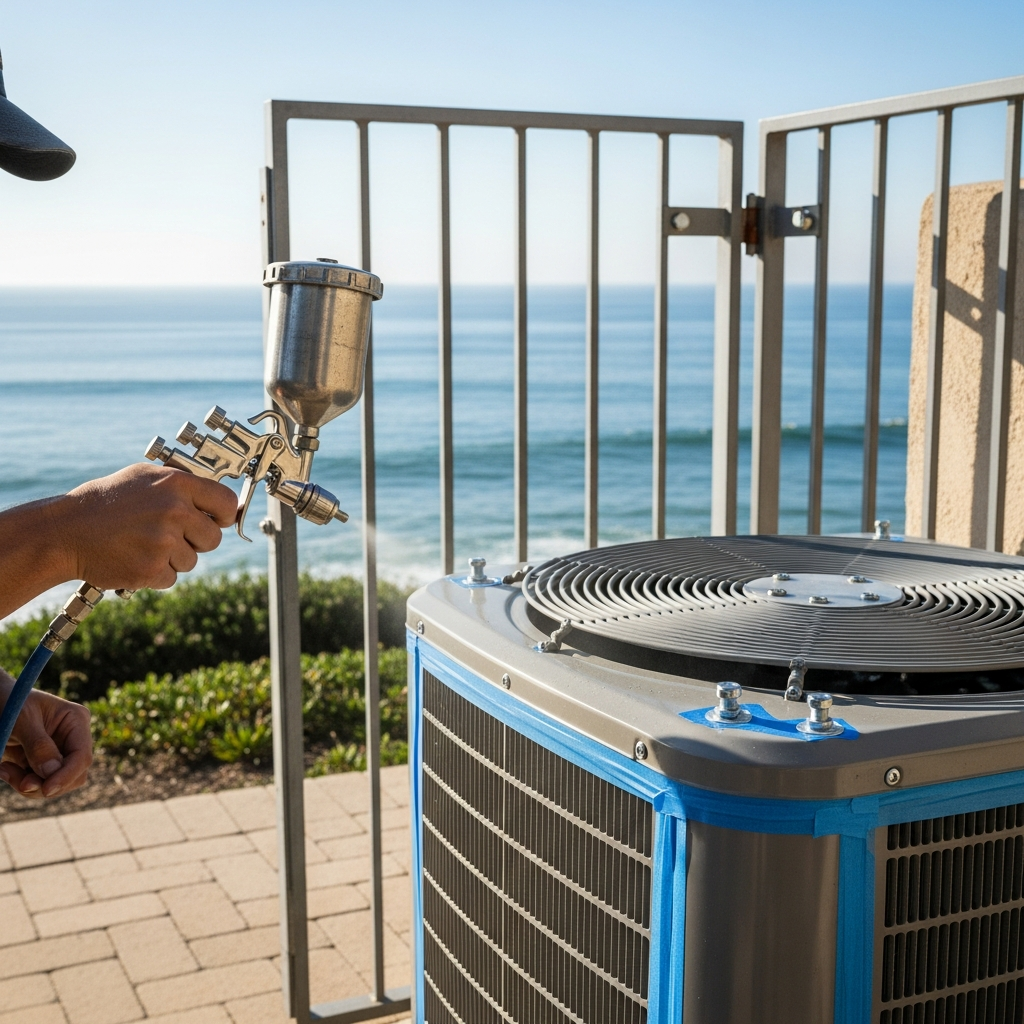
Service begins at the outdoor unit where salt air leaves its clearest signature. Condenser fins, designed to release heat, become coated in a thin layer of salt that traps moisture and slows heat transfer. The result is longer run times, rising pressures, and a cascade of stress on electrical and mechanical parts. Our first step is a gentle desalting rinse that restores the metallic shimmer to the fins without bending or tearing them. We then inspect the base pan, cabinet seams, and fasteners for rust and replace compromised parts with stainless or coated alternatives. Where appropriate, we apply protective coatings that slow future buildup and make follow-up cleaning more effective.
Electrical health is the next pillar. Salt and moisture can migrate into contactors, relays, and wire terminations, creating resistance where there should be a clean path. During service, we disassemble covers, clean and tighten connections, and test under load. We look for pitting on contact points, check capacitors for drift, and verify that disconnects and breaker lugs are snug and corrosion-free. A crisp electrical profile doesn’t just prevent sudden failures; it also reduces startup strain on the compressor and fan motors, extending their lives.
Fan assemblies deserve special attention on the coast. UV-stressed blades can fracture, bearings suffer when fine salt dust accumulates, and motor housings may lose their protective finish. We balance blades, confirm motor amperage, and replace parts that show early signs of fatigue. Quiet operation is a sign of good health; if you can hold a conversation next to the condenser without raising your voice, we’re on the right track.
Indoors, the coastal story continues. Marine moisture sneaks into attics and crawl spaces, raising the baseline humidity where ducts and air handlers live. We check for condensation on ducts, ensure insulation is intact, and verify that the return path is generous enough for the fan to breathe. An indoor coil that’s even slightly clogged will exaggerate humidity issues and raise energy use. Cleaning and sanitizing the coil, flushing drains, and confirming float switch function are part of every service, particularly in homes that open wide to decks and ocean air.
Location, landscape, and architecture each influence service decisions. In lots where the ocean is your neighbor, prevailing winds might drive salt straight into one corner of a patio. There, a discrete wind baffle can transform system performance. On hillside terraces, vibration pads and anchoring hardware carry more importance. Under decks or behind garden walls, airflow patterns can be tricky; we use smoke and pressure readings to verify that the unit can breathe, even when hidden for aesthetics.
Midway through a service visit, we step back from the components and consider the whole home. Are control settings fighting the weather? On cool, damp mornings, aggressive cooling can lead to clammy rooms and short cycles; by late afternoon, those same settings might allow rooms to drift warm. We tune fan ramps, compressor staging, and thermostat differentials so the system glides through Malibu’s daily shifts. We also discuss maintenance rhythm—how often to rinse, when to schedule deeper service, and what quick homeowner checks can prevent bigger issues. Building a common-sense routine around your air conditioning pays off in quieter operation and longer equipment life.
Materials matter, and we choose them with Malibu in mind. Stainless fasteners, UV-stable plastics, epoxy-coated coils, and sealed electrical enclosures all resist the coast’s signature wear patterns. We replace foam line insulation that’s chalked or torn, re-wrap with UV-resistant coverings, and secure lines to prevent chafing in the wind. It’s not just about looking tidy; it’s about stopping small problems before they become leaks or electrical faults.
Communication closes the loop. After service, we provide a clear report with photos, performance readings, and recommendations prioritized by urgency. If we note emerging corrosion on a coil or a motor trending hot, you’ll know what to watch and when we recommend return visits. That transparency turns service from a one-time event into a plan that evolves with your property and the seasons.
In Malibu, good service respects neighbors and views as much as comfort. We time noisy tasks thoughtfully, protect patios and plantings, and keep equipment lines discreet. Your home remains a place to relax, host, and take in the horizon—without the soundtrack of a struggling condenser.
Frequently Asked Questions
What exactly is “salt air wear” on AC equipment?
It’s the cumulative effect of salt and moisture that settle on metal and electrical parts. Over time, coatings break down, corrosion spreads, and heat transfer declines, which forces the system to work harder and fail sooner if left unchecked.
How often should outdoor units be rinsed near the ocean?
A gentle fresh-water rinse monthly during windy or salty periods helps. Combine that with professional cleaning and inspection before peak summer, and you’ll keep fins clear and components healthier.
Can protective coatings be applied to existing equipment?
Yes. After careful cleaning, we can apply corrosion-inhibiting coatings to coils and cabinets. They slow salt intrusion and make future cleaning more effective, though they don’t replace the need for routine service.
Will these services void my equipment warranty?
No. Proper cleaning, documented maintenance, and manufacturer-approved parts support warranties. We follow best practices that align with warranty requirements and supply reports for your records.
What signs suggest salt air damage is advancing?
Look for dull, chalky fins, rust streaks on the cabinet or pad, rising noise levels, and longer cooldown times. If breakers trip or thermostats show error codes, call for service promptly.
If your system bears the marks of the sea, we’re ready to restore its calm, quiet confidence. Schedule a visit, and we’ll shape a plan that protects your view and your comfort, grounded in coastal-smart air conditioning care that lasts.