
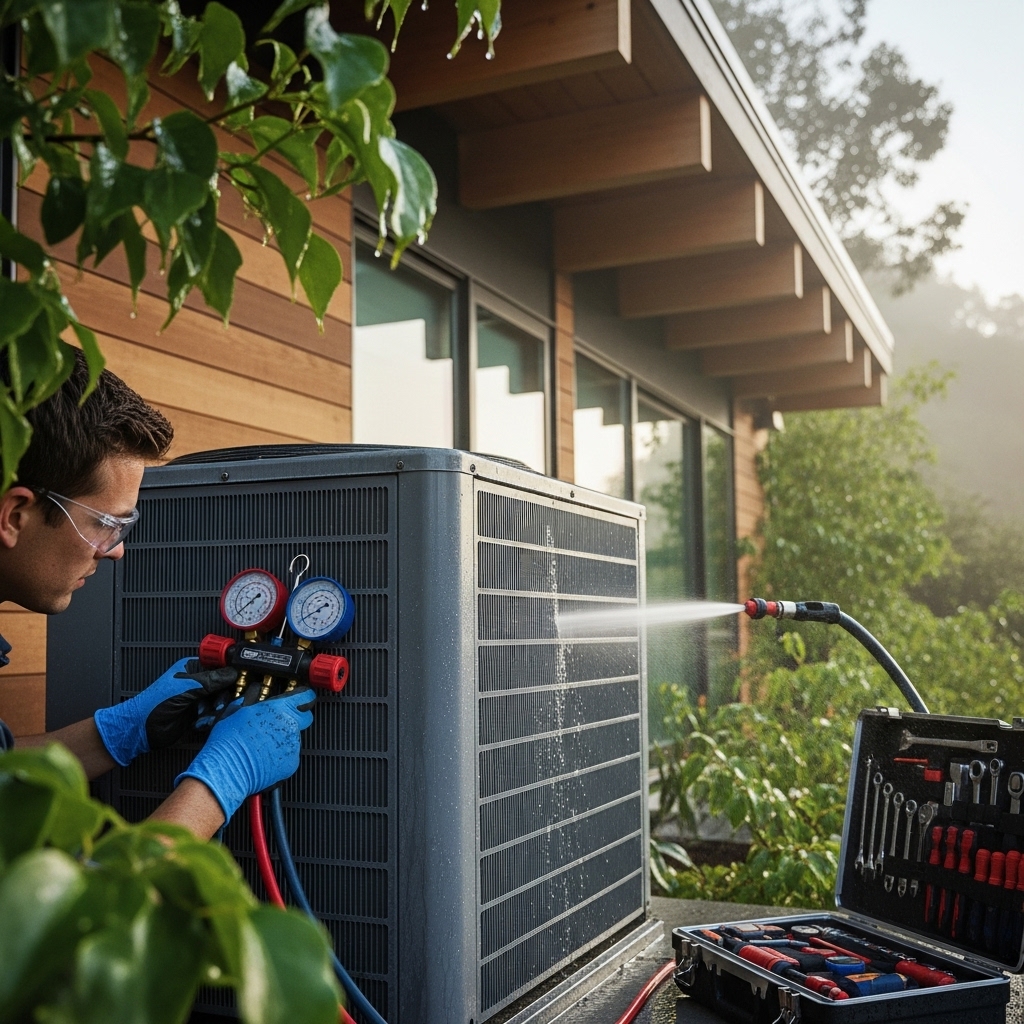
When your AC hesitates on a warm Malibu afternoon, it rarely gives you a courteous heads-up. The unit that hummed along during the morning marine layer may stumble as the sun breaks through, or it might refuse to wake up after a power flicker. Living near the ocean adds its own twists to repair work, from salt air nibbling at outdoor components to wind-driven debris clogging coils. Before worry takes over, it helps to understand how local conditions influence the way systems fail and how a thoughtful repair strategy returns your home to that easy, even comfort we prize along the coast. If you’re just getting your bearings, you can start by familiarizing yourself with the basics of air conditioning so you know what to expect when a technician arrives.
Malibu’s rhythm has a say in how air conditioners behave. Mornings bring cool, moist air; afternoons can jump in temperature, and evenings quiet back down. Those swings encourage short, frequent cycles unless the system is tuned to modulate gently. Over time, that pattern can stress contactors and capacitors, which are commonly replaced during repairs. Outside, salt air and sea spray set the stage for corrosion on fasteners and fins, making regular rinsing and protective coatings more than just nice-to-have. These are small environmental realities that show up on repair tickets all year.
Common symptoms and what they might mean
No cool air, weak airflow, and odd noises are the top three reasons homeowners call. No cool air can signal a safety switch tripped by a clogged condensate line, a failed capacitor, or issues with the outdoor unit’s control board. Weak airflow often points to a congested filter or a duct obstruction, but it can also hint at low refrigerant or an indoor blower that isn’t ramping as it should. Unfamiliar noises—rattles, buzzes, or metallic scraping—typically mean something is loose, worn, or caught in a fan. While web searches can narrow guesses, hands-on testing distinguishes lookalikes from the real culprit.
One Malibu-specific symptom is a system that cools fine until midafternoon, then struggles only in certain rooms. That’s frequently a distribution issue rather than an equipment failure. Sun-drenched rooms or additions with marginal duct runs may starve for airflow when demand spikes. A repair visit focused only on swapping parts might miss the forest for the trees, so a seasoned technician evaluates duct static pressure, return sizing, and damper positions before declaring victory.
Salt, wind, and wildfire: the environmental trifecta
Our proximity to the Pacific is a blessing and a mechanical challenge. Salt air accelerates corrosion, shortening the life of unprotected screws, fins, and electrical connections. Wind can carry eucalyptus leaves and dust into outdoor coils, and wildfire seasons add ash to the mix. If your condenser sits near shrubbery or on a deck facing the water, it lives a rougher life than a unit tucked into a sheltered side yard. Repairs in these settings often include cleaning, replacing weathered parts, and advising on small relocations or wind baffles to buy the system breathing room.
Indoor air quality gets its own wrinkles during high-wind and fire events. Filters load quickly, condensate drains see unusual debris, and odors can linger in return cavities. Many repair calls in late summer trace back to these burdens. A good service visit doesn’t just fix a single fault; it also resets the system for the season ahead by flushing drains, checking static pressure after filter changes, and confirming that fresh-air provisions aren’t undermining cooling during smoky days.
Diagnostics done right
Accurate diagnostics are a blend of instrumentation and local intuition. Gauges and meters reveal pressures, temperatures, and voltages, but it takes experience to read how Malibu’s microclimates tweak those numbers. For example, a unit perched above the beach may present different coil temperatures at the same ambient conditions compared to a shaded canyon system. A thorough technician traces the entire cooling path—thermostat call, control board logic, contactor engagement, compressor and fan operation, indoor blower ramp, and airflow delivery at a representative register. This big-picture approach avoids repeat breakdowns caused by treating symptoms rather than root causes.
Communication is part of diagnostics too. The best service calls include a quick recap of what failed, why it failed, and what steps will prevent a repeat performance. Homeowners who understand the “why” are better equipped to spot early warning signs next time, which can prevent after-hours emergencies and protect equipment.
Repair versus replace in a coastal town
There comes a point in every system’s life when repair math gets tricky. Age, repeated breakdowns, and evidence of corrosion compel a broader conversation. In Malibu, this pivot often includes a look at inverter-based replacements that handle our mild climate with quiet, steady operation. Even then, a well-done repair to bridge a season can make sense, especially if you’re planning a remodel that will change duct layout or window performance. The point is to make a decision that respects timing, budget, and the reality of salt air, rather than chasing short-term fixes that ignore the whole picture.
When weighing options, think about noise, airflow balance, and equipment placement. If the current condenser location has become a source of irritation on the deck or near a bedroom, a repair visit is a chance to discuss alternatives for the future. That way, if replacement becomes inevitable, you’ve already mapped a path that suits how you actually live in the space.
Electrical and controls: the quiet troublemakers
Many repair calls trace back to electrical components that simply wear out. Capacitors lose their charge over time, contactors pit and stick, and connections loosen with thermal expansion and contraction. Malibu’s cool mornings and warm afternoons amplify those cycles. Smart thermostats add another layer: when configured hastily, they can fight rather than assist the equipment, causing short cycling or ignoring dehumidification priorities. A thorough repair includes revisiting control settings so the hardware and software work together rather than at odds.
Power quality matters, too. Coastal winds occasionally lead to brief outages or voltage dips, which systems don’t always handle gracefully. Surge protection and thoughtful breaker sizing protect sensitive electronics, while good grounding practices mitigate nuisance issues that masquerade as mysterious equipment failures. These are not glamor repairs, but they are the backbone of reliable operation.
Parts availability and the Malibu timeline
Most common parts are available the same day or next day through local supply houses that serve the Westside and coastal corridor. Specialty boards or motors might take longer, particularly for older models. During heatwaves, availability tightens, and that’s when good relationships with suppliers and a proactive stocking philosophy pay off. Seasoned local teams anticipate demand spikes and stage common components so that straightforward fixes don’t languish while a line of homes wait in the heat.
In the rare case a part is delayed, interim steps—manual damper tweaks, portable cooling for a sensitive room, or specialty cleaning—can keep the home livable. Clear expectations and honest timelines reduce stress, and homeowners who can flex around delivery bumps typically get faster overall resolution.
Preventing the next breakdown
Every repair visit is an opportunity to extend system life. Simple practices—rinsing coastal residue from coils, keeping vegetation trimmed, checking filter loading during fire season, verifying condensate slope—reduce strain on components. Indoors, balanced airflow and correct thermostat staging help avoid the starts and stops that age a system prematurely. Malibu’s climate rewards incremental care: small, consistent attention outperforms dramatic, infrequent interventions.
Think of your system as a quiet partner to the lifestyle we enjoy here. When it’s tuned and clean, it fades into the background. When it’s neglected, it intrudes in the moments you most want it to be invisible. Good repair work restores invisibility and sets the stage for months of uneventful operation.
What to expect on the day of service
A typical visit starts with a conversation at the door: what you noticed, when it started, and whether anything changed in the home recently. The technician will check filters, inspect the indoor unit, and evaluate the outdoor condenser, measuring critical values to pinpoint the issue. If parts are needed, you’ll get a plan and a timeline. Before wrapping up, the tech should run the system through a complete cycle, confirm thermostat behavior, and walk you through what was done. The visit closes with a few practical tips tailored to your home and location so you’re set up for success.
For second homes or rental properties, remote coordination is common. A clear set of notes, photos of replaced parts, and confirmation that systems are secured before you arrive keep everything smooth. Malibu’s hospitality depends on seamless handoffs, and good repair teams understand that cadence.
FAQ: Malibu air conditioning repair
Why does my outdoor unit corrode faster near the beach? Salt air accelerates oxidation on exposed metals. Coatings, stainless fasteners, and strategic placement reduce that exposure. Regular rinsing helps too, especially after windy days when spray hangs in the air.
Is it normal for my AC to run longer on foggy mornings? It can be. Moist air takes more work to condition, even when temperatures are mild. Systems with variable speed excel here, maintaining steady comfort without abrupt starts and stops.
What should I check before calling for service? Verify the thermostat mode, ensure breakers are on, and look for water at the indoor unit that might indicate a clogged drain. If you’re comfortable, check the filter. If those are fine, it’s time for a pro to measure pressures and electrical values safely.
Can duct issues masquerade as equipment failure? Absolutely. Undersized returns or obstructed supplies can make a healthy system look sick. Measuring static pressure and inspecting ducts keep you from chasing false leads and replacing parts that aren’t the problem.
How often should coils be cleaned in Malibu? Outdoor coils benefit from a gentle rinse a few times a year, more often if your unit is near the water or landscaping that sheds. Professional cleanings during routine service ensure deeper debris is removed without damaging delicate fins.
Are smart thermostats worth it? When matched to your equipment and configured correctly, yes. They can smooth out cycling, respect humidity, and learn your schedule. The key is proper setup so they complement rather than complicate how your system operates.
What’s the best way to handle repairs during peak heat? Book early when possible and work with teams that communicate realistic timelines. Small interim steps—like temporary cooling for bedrooms—can make waiting manageable. Strong supplier relationships shorten delays.
My system is older; should I repair or replace? It depends on frequency of breakdowns, parts availability, and the condition of coils and electronics in a salt-air environment. Sometimes a strategic repair bridges to a thoughtfully planned replacement that better fits your home and lifestyle.
Ready to restore your home’s cool, coastal calm
If your AC is acting up, don’t wait for the next heat spike to get it sorted. A focused, local diagnosis can turn a frustrating afternoon into a quick return to comfort. Whether it’s a stubborn contactor, a clogged drain, or a deeper airflow problem, the right help gets you back to enjoying the breeze and the view. Reach out today to schedule a visit, and if you’d like background on systems that perform well here, explore air conditioning solutions that are tailored to Malibu living.