
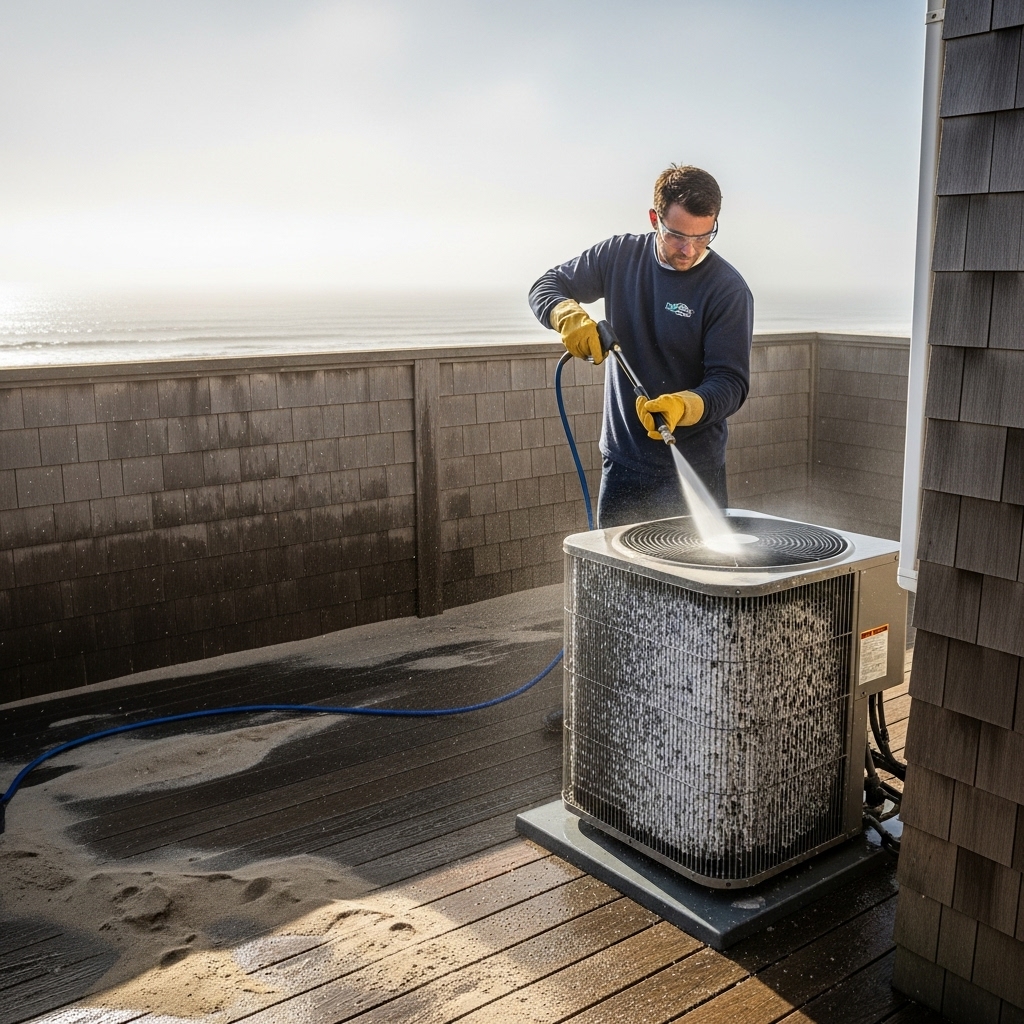
Living in Malibu means waking to the hush of the Pacific and the silvery wash of the marine layer, but it also means your home’s cooling equipment is tested by salty air, wind-driven sand, and mercurial microclimates that shift between canyon heat and ocean chill. As a local technician who spends days on decks above Carbon Beach and evenings in hillside homes off Kanan, I’ve seen how those coastal conditions shape every decision we make when diagnosing and repairing cooling systems. Repairing an AC in Malibu isn’t just a matter of swapping parts; it’s understanding how the sea touches every surface, how afternoon winds change airflow around a condenser, and how your home’s architecture influences comfort room by room.
When your system struggles on a foggy July morning or groans through a Santa Ana, the right approach begins with the awareness that coastal equipment lives a harder life. That’s why, in the introduction to any conversation about reliable comfort here, I emphasize the fundamentals of resilient air conditioning design and repair. It’s not about chasing symptoms; it’s about treating root causes, protecting delicate components from corrosion, and balancing the system so it breathes easily under marine pressure. Once you recognize that salt, moisture, and wind are constant characters in the story, the path to a durable repair becomes clearer.
From Broad Beach to Malibu Colony, even identical models age differently depending on exposure. A condenser tucked behind a cedar fence may sip sea air; one perched on a roof sees the full blast of salt-laden fog. The owner in the first home calls for cleaning once a year and rarely more; the second needs a more aggressive schedule and parts chosen for sea-coast duty. That variation is normal here, which is why the best repair starts with a careful walk of your property, noting wind corridors, reflective glass that heats patios, and landscaping that traps sand or sheds needles into grilles.
Why coastal conditions change everything
Salt rides every breeze. It settles on fan blades, coils, electrical lugs, and even the smallest fasteners. You don’t watch this happen day to day, but technicians see it under inspection lights: a soft, chalky film that gradually becomes conductive, then corrosive. On control boards, that film can bridge traces and cause intermittent faults that only appear when humidity spikes. On coils, it binds dust and pollen into a paste that chokes airflow. On aluminum, it pits; on copper, it greens and creeps under insulation. Good repairs account for that by not only replacing what failed but also cleaning, sealing, and protecting, so the next round of salt meets a surface that’s less welcoming.
Even airflow behaves differently near the coast. Marine air tends to be dense and cool in the morning and late evening, then gives way to warm, dry wind as the day unfolds. A condenser that breathes freely at dawn can struggle at 4 p.m. when patios radiate heat and hedges bow inward. That swing means a technician will look closely at fan performance, motor amperage under load, and clearances that might be technically adequate but marginal in real life. Smart repair includes subtle repositioning of shrubs, adjustments to fence slats, and recalibrating speed settings so the system stays in its comfort zone when environmental factors are at their pushiest.
Common repair issues in Malibu’s marine layer
Condensate drains clog faster in coastal homes. Moist air encourages biofilm in traps and pans, and homes that open doors to the breeze invite more airborne debris into returns. A frequent repair call starts with water where it doesn’t belong: ceiling stains below an air handler, wet platforms in utility closets, or a faint mildew smell that arrives before the drip. Clearing the line is step one; step two is ensuring proper pitch, insulation to prevent sweating, and a cleanout that makes future maintenance painless. The invisible win is capturing that lesson in a reminder plan, so you’re not calling again in the first week of August.
Electrical issues wear a coastal signature. I’ve opened disconnect boxes with lugs that looked fine outside but crumbled when torqued, or pulled a capacitor with terminals dulled to gray by a season of fog. Those failures can mimic bigger problems, like a compressor that won’t start or an air handler that trips breakers, and the repair depends on testing under the exact conditions that triggered the complaint. Replacing parts is only part of the fix; sealing entry points, applying dielectric protection where appropriate, and verifying tight connections against vibration are what ensure the symptom doesn’t return the next time the marine layer settles in. Somewhere around the heart of the visit, it’s common to review the overall health of your air conditioning setup and note any weak links the sea will target next, so we can address them on your timeline instead of the ocean’s.
Coils are the lungs of the system, and in Malibu they breathe a cocktail of salt, dust, and invisible oils that drift from kitchen patios. Cleaning them the right way preserves fins and restores performance without pushing contaminants deeper. I prefer low-pressure rinses, coil-specific cleaners suited to seaside metals, and thorough rinsing with fresh water. Afterward, a technician may discuss protective coatings that slow future salt attack. Not every coil needs it, but in homes where ocean spray is a regular guest, this step adds seasons of life to your equipment.
Placement, sound, and neighborhood considerations
Malibu homes are social, open, and often close to neighbors who cherish quiet nights and slow mornings. Repairs frequently uncover placement decisions that made sense at installation but aged into nuisance: a condenser echoing down a side yard, a unit too close to a bedroom deck, or equipment receiving direct salt blasts thanks to a tree removal. When repairs coincide with relocation or vibration isolation, the net effect can be both acoustic and mechanical relief. Rubber isolation pads, updated fan blades, and careful anchoring reduce hum and resonance that travel through decks and railings.
We also think about sightlines. On a hillside, a unit that is technically out of view at ground level might still glare from a neighbor’s living room across the canyon. That’s not a mechanical failure, but it matters in Malibu’s culture of harmony and aesthetics. During a repair that involves line sets or major components, we can re-route and shield in ways that respect those unseen views, using enclosures that stand up to salt and sun without trapping heat or restricting airflow.
Humidity, comfort, and indoor air
Comfort here is as much about moisture as it is about temperature. When fog curls in and glass doors bead with condensation, your system’s ability to dry the air gently is the difference between sticky and serene. Repairs focused on humidity often look like verifying blower speeds, ensuring thermostats are configured for dehumidification cycles, and confirming that ductwork is tight enough to keep unconditioned air out of returns. Many Malibu homes blend old and new construction, and those seams can hide leaks. A technician with an eye for the envelope will track down those gaps and suggest solutions that are practical for coastal architecture.
Indoor air quality takes on new meaning during wildfire season. Even homes right on the water feel the reach of smoke and ash. Repairs that touch filters, seals, and ventilation settings are a chance to step your system up for those days. Upgrading to higher efficiency filters where your equipment can handle it, sealing return cabinets, and checking fresh-air intakes are all part of a coastal repair mindset. It’s not about adding gadgets; it’s about making the equipment you have perform cleanly when the outside world is anything but.
What to expect when a technician visits
A good visit feels unhurried and purposeful. We’ll ask when the issue appears—foggy mornings, hot afternoons, or all day—and we’ll test under conditions that mimic that moment. Expect careful coil inspection with mirrors, electrical testing that looks for small voltage drops across corroded connections, and airflow measurements that respect your home’s geometry. We’ll rinse gently where we can, shield electronics before cleaning, and dry components thoroughly so moisture doesn’t become tomorrow’s problem.
Communication matters. Malibu homeowners travel; many calls begin with a house manager or neighbor. Photos and short summaries after the visit help everyone align. If a repair needs a part with a lead time, we’ll stabilize the system, protect against further corrosion, and schedule the return with awareness of your calendar and the weather’s moods. When the fix is final, we’ll note what salt touched and how we defended against it, so the next season is kinder to the same components.
FAQ: Coastal AC repair in Malibu
Why does my outdoor unit corrode so quickly near the beach?
Salt crystals act like tiny batteries when moisture is present, encouraging galvanic activity on metals. Over time, that soft white film becomes a corrosive layer, starting on fasteners and exposed edges and then creeping onto terminals and fins. Strategic rinsing, protective coatings designed for seacoast use, and periodic inspections keep that process in check.
Is moving my condenser a good idea if it faces the ocean directly?
Sometimes relocation is the most durable repair. Even a few feet of setback, a change in height, or a slatted wind break can cut salt exposure dramatically, reduce noise reflections, and improve airflow. The decision depends on clearances, line set routes, and how the prevailing wind crosses your property.
How often should my coils be cleaned in Malibu?
The answer depends on exposure. Homes within a short walk of the sand often benefit from gentle rinses several times a year and a thorough cleaning at least annually. Homes set back or shielded by landscaping may do well with annual service. The key is inspection-driven scheduling rather than a one-size plan.
Can humidity control be improved without replacing equipment?
Often yes. Adjusting blower speeds, enabling thermostat dehumidification functions, and sealing duct leaks can increase moisture removal with your existing system. In some cases, adding a dedicated dehumidification accessory can be considered, but tuning what you have is usually the first step.
What’s different about repairs during wildfire season?
We tighten the envelope where possible, verify filter fit and cabinet seals, and configure ventilation to limit intake during smoky periods. We also pay attention to ash accumulation on outdoor equipment, which can act like a fine insulator on coils and should be rinsed away carefully.
When your home looks out over a horizon that’s always moving, your cooling system deserves the same adaptability. Thoughtful repairs give it that flexibility, blending careful cleaning, targeted part replacement, and strategies that respect the way the ocean breathes. If you’re ready to restore quiet, steady comfort and harden your system for the seasons ahead, reach out to a local team that lives this coastline every day and understands the rhythm of your neighborhood’s breeze. For trusted guidance and long-term performance, explore professional air conditioning support tailored to Malibu’s coastal homes, and enjoy the difference that true local expertise makes.