
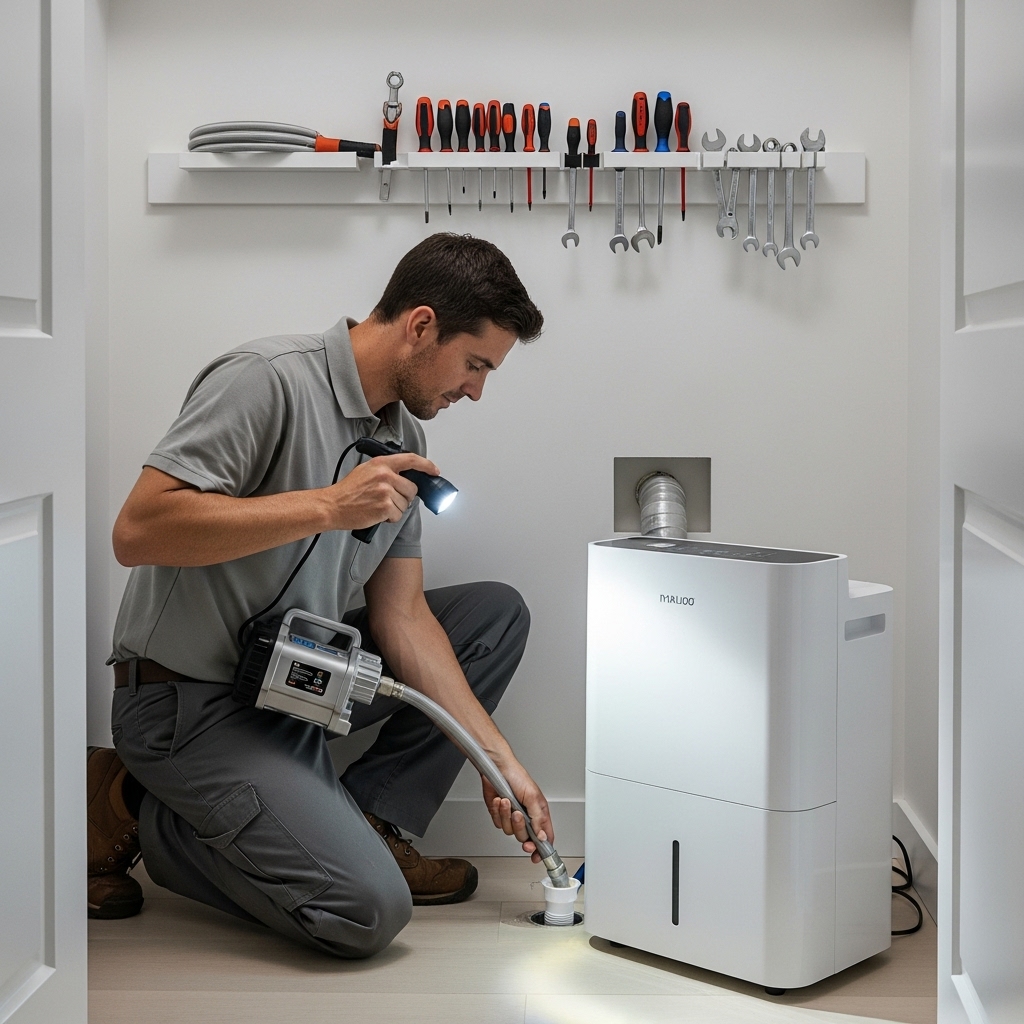
Preventive maintenance is the quiet discipline behind comfortable Malibu homes. It’s the series of thoughtful steps that keep your cooling steady as mornings move from sea mist to sunshine and evenings hush under canyon breezes. When I talk with homeowners about air conditioning preventive maintenance in Malibu, I frame it as care that matches the coast’s rhythm. It’s not just a checklist—it’s a way to anticipate salt, wind, and occasional smoke so little issues never grow into disruptions. The backbone of that approach is consistent, seasonal attention, grounded in the fundamentals of air conditioning maintenance and refined by local experience from Point Dume to Broad Beach and up into the hills.
Everything about the coastline invites nuance. A beachfront bungalow a short walk from Carbon Beach spends its mornings collecting a delicate salt film on outdoor surfaces, including the condenser’s fins and cabinet hardware. A hillside residence above Trancas may not see as much direct salt, but it feels the full force of gusty winds that carry dust, leaves, and the occasional smoky haze from distant fires. Preventive maintenance recognizes these realities and plans ahead: gentle coil cleaning that doesn’t bend delicate fins, drain line clearing and treatment before summer humidity creeps in, and careful inspection of electrical components that work in air that’s more humid than a typical inland neighborhood.
Setting a Malibu-minded maintenance rhythm
For most homes, a primary visit in late spring sets the stage for warm afternoons. We begin by listening for your comfort goals—cooler bedrooms at night, quieter operation near terraces, steadier temperatures in glass-wrapped living rooms—and we observe how the system performs before touching a tool. Then we move through cleaning and testing. Outdoor coils are rinsed and cleaned with the right techniques, cabinet integrity is checked, refrigerant parameters are verified, and electrical connections are inspected for corrosion or humidity wear. Indoors, we inspect the blower, fan wheel, and evaporator coil; we clear condensate drains and treat traps; and we confirm airflow and thermostat calibration so setpoints reflect the way you actually use the home.
After autumn winds and any smoky weeks, a follow-up prioritizes filtration and cleanliness. We’ll often adjust filter strategies to capture finer particulates while protecting airflow, and we’ll make sure blower compartments and evaporator coils are free from residues that can harbor odors or reduce efficiency. This two-step cadence positions your system to meet the climate’s shifting demands while remaining as unobtrusive as good mechanical systems ought to be.
Why prevention is different by the ocean
Salt is the quiet enemy of outdoor equipment. It doesn’t announce itself all at once; it accumulates in a film that slows heat transfer and encourages corrosion. Preventive maintenance slows that process dramatically. Gentle coil cleaning prevents salt from building a crust that forces the compressor to labor; cabinet inspection and touch-ups protect fasteners and seams; and, when applicable, protective coatings receive attention to ensure they continue to shield vulnerable surfaces. In deck-mounted or enclosed installations, we also confirm that airflow is ample, because restricted ventilation traps moist air and accelerates wear you won’t see until it’s advanced.
Wind and smoke call for a different kind of prevention. Malibu’s Santa Ana events carry dust and fine particulates that slip past standard filters if they’re already loaded. A preventive mindset means adjusting filter change intervals and assessing static pressure so your blower isn’t fighting a clogged path. After smoky weeks, we might recommend a quick inspection even if your regular tune-up is months away. The goal is always the same: address small accumulations before they become large impediments.
Airflow and balance in light-filled rooms
Malibu homes often celebrate light and space with large expanses of glass and high ceilings. Preventive maintenance takes these architectural choices into account. We observe temperature behavior at different times of day, especially in rooms that warm quickly at sunset. Small adjustments—damper positions refined, register throws re-aimed, fan speeds tuned—pay big dividends in comfort. We also check return air paths in bedrooms and guest suites where privacy doors stay closed, ensuring the system still sees enough air to maintain setpoints without short cycling or noise.
Thermostat calibration and placement are part of prevention too. A thermostat in reflective light or near a draft can misread the room, causing erratic cycling. During maintenance, we evaluate how the thermostat perceives the space and suggest relocation or shielding if needed. Smart controls are verified for accurate sensors and schedules that match your daily patterns, not generic defaults.
Moisture management in a marine climate
Morning fog makes Malibu beautiful, but it also introduces regular moisture into the system. A healthy AC channels that moisture efficiently to a drain. Preventive maintenance ensures that drain lines are clear, pans are clean and properly sloped, and traps are primed to prevent odors. We watch for subtle signs of moisture mischief: faint water marks near air handlers in closets, musty hints from seldom-used guest suites, or condensation patterns along supply registers. Catching these early keeps the system sanitary and prevents small leaks from turning into drywall repairs.
Humidity also interacts with comfort. Even when temperatures are mild, high humidity can make rooms feel heavy. A clean coil and correct airflow support dehumidification naturally; preventive care preserves those conditions season after season. For homes that struggle with morning clamminess, we fine-tune fan operation and runtime strategies so the space dries gently without overcooling.
Noise as a diagnostic and preventive cue
Quiet is part of the Malibu experience, and preventive maintenance pursues it actively. We tighten cabinet screws, check rubber isolators, and confirm that equipment platforms are secure yet vibration-damping. For outdoor units near patios or neighbor boundaries, we make sure enclosures don’t choke airflow, which can force the unit to run louder. Indoors, we listen for register whistle or duct vibration and address the simple causes, often with minor adjustments during the visit. These steps reduce noise now and keep components from loosening into bigger problems later.
When noise changes, it usually means something. A faint rattle at start-up or a soft hum that wasn’t there last month can signal a part drifting out of spec or a panel not seated. In a preventive framework, we treat new sounds as early warnings worth a closer look, especially after wind events or during long, damp stretches when materials expand and contract in small but noticeable ways.
Guests, studios, and accessory spaces
Many Malibu properties include guest suites, studios, or accessory dwellings that see intermittent use. Preventive maintenance integrates these spaces so they’re comfortable when needed and efficient when idle. We check that controls are intuitive and that filters are easy to access. We confirm that airflow is steady even with doors closed, and we note any conditions—like a stuffy odor after long vacancy—that suggest a schedule or fan strategy tweak. By planning for variability, you avoid scrambling before guests arrive or accepting subpar comfort in a secondary space.
For pool houses or gyms, we pay special attention to ventilation and drain behavior. These spaces can concentrate moisture differently from living rooms and bedrooms, and a clean, well-primed drain system is essential to prevent odors or microbial growth. Preventive checks here are short but invaluable.
When to adjust the plan mid-season
Malibu can shift quickly. A month might start with thick marine layer and end with dry, windy days. If conditions change, we adapt. Filter changes can move forward, quick inspections can fill the gap between annual visits, and control settings can be tweaked to reflect the new normal. The guiding principle is simple: small, timely attention saves effort later. If you notice new odors, unusual condensation, or temperature swings, a brief check now prevents a longer appointment later.
One of the strengths of preventive maintenance is the record it creates. Tracking performance across seasons—temperature split, fan amperage, coil condition—helps predict when components will need attention. Malibu’s salt and wind compress the timeline for wear compared to inland areas; keeping an eye on trends means you’ll plan improvements on your terms, not under stress during a hot spell.
Respecting your home’s design and routines
Preventive maintenance belongs in the background. We schedule around your day, protect finishes, and keep walkways and terraces clear as we work. If your outdoor unit is tucked in a landscaped nook or behind an architectural screen, we’ll verify ventilation and suggest subtle improvements that preserve the look while ensuring the equipment can breathe. We also leave you with practical notes—filter sizes, ideal change intervals, and quick checks you can perform—so you feel confident between visits.
The conversation extends to adjacent home updates. If you’re planning window tinting, shading, or insulation improvements, we’ll coordinate so your system’s airflow and control strategies match the new conditions. Malibu homes are living spaces shaped by light and breeze; a small change to the building can shift how your AC should behave, and preventive care is the right moment to align everything.
What a thorough preventive visit includes
A complete visit covers coil cleaning suited to salt exposure, drain clearing and treatment, blower and fan wheel inspection and cleaning, electrical testing, refrigerant parameter checks, airflow measurements, and thermostat calibration. We also inspect cabinet integrity, mounting hardware, and any enclosures for ventilation. For ductless systems, each indoor unit receives attention to keep fans and coils clean; for variable-speed systems, we verify settings so they run at low, efficient speeds for longer, quieter cycles. The throughline is gentle but comprehensive care that maximizes comfort and minimizes wear.
We finish with a debrief that translates technical findings into everyday outcomes: steadier bedroom temperatures, quieter patios, fresher-smelling air after smoky weeks, and faster cool-downs when guests arrive. These are the benefits that accumulate when prevention becomes the norm.
Learning the signs: your role in prevention
You don’t need to be a technician to participate. Walk by your outdoor unit and listen for consistent sound. Note any rust streaks or unusual discoloration on the cabinet, especially on the windward side that faces the ocean. Inside, trust your senses: a new odor from vents, a faint clicking at start-up, or condensation where you’ve never seen it are signals to check in. These observations help tailor maintenance to your home’s exact conditions and catch trends early.
When questions arise, having a shared knowledge base helps. A quick review of the essentials of air conditioning maintenance keeps everyone aligned on what matters and why. It turns service visits into conversations where you and the technician prioritize the actions that make the biggest difference in your comfort.
FAQ: Preventive AC maintenance in Malibu
How often should preventive maintenance be scheduled? Annually before summer is a smart baseline, with adjustments after wind or smoke events. Beachfront homes may benefit from a customized cadence.
What’s unique about preventive care near the ocean? Salt and moisture accelerate wear and restrict heat transfer. Gentle, regular coil care and attention to cabinet integrity slow that process significantly.
Can preventive maintenance make my system quieter? Yes. Tightening, cleaning, and airflow balancing reduce vibrations and allow modern systems to run at lower, quieter speeds.
How do wildfire smoke and dust change the plan? Filtration strategy and change intervals usually shift. Maintenance includes checking static pressure and coil cleanliness to protect airflow and odor control.
What should I watch for between visits? New noises, odors, or condensation patterns are early cues. A quick check now is easier than a longer visit later.
Do guest suites and studios need separate attention? Often, yes. Intermittent use changes airflow and moisture patterns. Preventive checks keep those spaces comfortable on short notice.
Will preventive maintenance extend equipment life? It typically does, by reducing strain and catching issues early, especially in Malibu’s salt- and wind-influenced environment.
If you’re ready to make comfort predictable and quiet again, now is the time to schedule preventive care that respects your home and its setting. Choose a local professional who understands Malibu’s microclimates, from the fog on Carbon Beach to the gusts over Kanan. Confirm your plan, set a cadence, and enjoy a home that feels composed no matter the season. For a streamlined start, revisit the key tenets of consistent air conditioning maintenance, then book your visit. Your system will thank you with smooth, steady performance and evenings as peaceful as the view.