
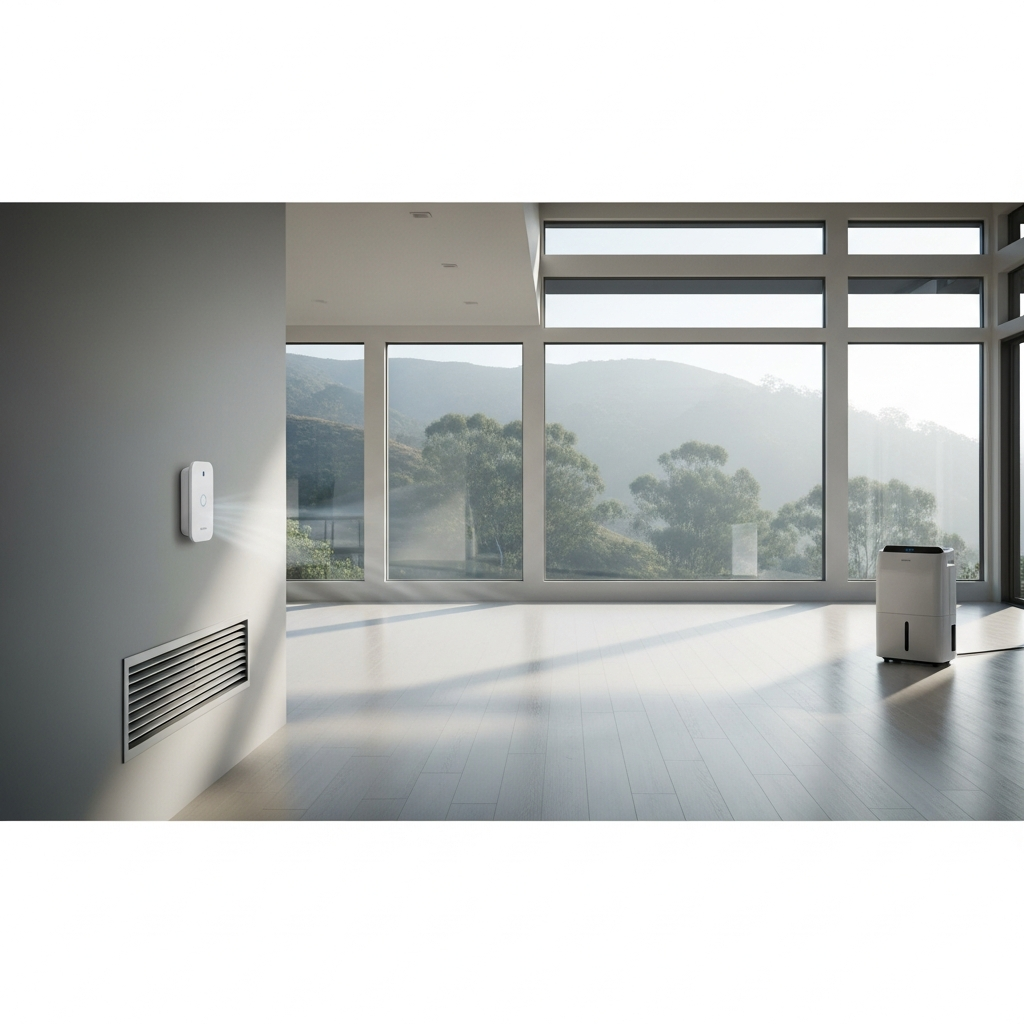
In Malibu, trends rarely exist for their own sake; they earn their keep by making life along the coast a little easier, a little quieter, and a lot more reliable. That spirit now shapes how homeowners approach air conditioning maintenance, blending classic tune-up wisdom with smart technology, improved filtration, and practices tuned to the reality of salt air, marine layers, and the sudden gusts that roll over the Santa Monica Mountains.
Walk a few blocks here and you’ll cross microclimates—cooler pockets in canyons, sunlit terraces that trap afternoon heat, and beachside streets where fine salt mist paints a delicate film on outdoor gear. Maintenance trends in Malibu are responding to this variety with solutions that make systems more adaptive, resilient, and energy-savvy without turning homes into science projects. Instead, the best ideas fade into the background and simply make comfort feel natural again.
Smarter Monitoring, Quieter Confidence
One clear trend is discreet, data-informed upkeep. Today’s systems can be paired with sensors that watch for airflow disruptions, rising static pressure, or small temperature deltas across coils that signal fouling or refrigerant issues. The goal isn’t to flood you with alerts but to create a soft early-warning layer. In Malibu, that might mean catching the moment salt film starts to hinder an outdoor unit or when wildfire smoke pushes filters toward premature loading. Maintenance then becomes timely rather than rushed, and service shows up before performance slips far enough for you to feel it.
These tools make the biggest difference when matched with local knowledge. A technician who understands canyon winds and oceanfront corrosion patterns can translate data into sensible actions—washing a coil, swapping a filter grade temporarily, or recalibrating fan settings so humidity stays in check during fog-heavy weeks. The net effect is quieter confidence: fewer surprises and smoother days.
Filtration that Moves with the Seasons
Another Malibu-specific trend is seasonal filtration strategies. Rather than choosing a single filter and leaving it year-round, homeowners are using options that flex with the air. During placid months, a moderate-efficiency filter keeps airflow generous and energy use low. When smoke or dust threatens, a brief move to a denser filter paired with close monitoring maintains indoor quality without throttling the system. Maintenance visits set the stage by verifying filter fit, checking for bypass gaps, and ensuring the blower can handle changes without strain.
This seasonal approach works especially well in open-plan homes that blur inside and out. When patio doors fold away, your system has to digest short surges of outdoor air. Good filtration, correctly installed and verified, lets you enjoy that openness without inviting lingering particulates into fabrics, rugs, and vents.
Corrosion-Aware Coil Care
Along PCH and in neighborhoods that take the full breath of the ocean, coil care has become precision work. Newer cleaning solutions and gentle application methods remove salt without bending fins or leaving residues that attract more debris. It’s not glamorous, but it’s the frontline defense that keeps outdoor units from slipping into inefficient, hot-running patterns that shorten life. Maintenance schedules now often vary by distance to the shore, with oceanfront homes getting more frequent coil attention than canyon properties.
Some homeowners also consider protective coatings for certain components. When thoughtfully chosen and correctly applied, these can slow the creep of corrosion without interfering with heat transfer. This is a conversation best had during maintenance, where you can balance benefits against your exact exposure and equipment type.
Ventilation and “Smoke Mode” Readiness
As the region adapts to periodic wildfire smoke, maintenance increasingly includes readiness planning. That means ensuring mechanical ventilation, if present, can be dialed down temporarily; confirming return and supply paths are tight; and preparing a thermostat or control scene that holds recirculation and filtration at the forefront for a day or two. These small preparations provide a sense of shelter when the air outside looks uncertain. Once the skies clear, maintenance can reset filters and settings to normal so you’re not using energy to solve a problem that’s already passed.
Owners who have experimented with portable filtration often find that a dialed-in central system outperforms ad hoc solutions. Well-sealed ducts and clean indoor coils complement the main filter, and together they limit the spread of fine particulates through the home’s lungs.
Variable-Speed and Gentle Cooling
Many Malibu homes now use variable-speed compressors and fans that excel at low, steady output. Maintenance trends have followed suit, prioritizing airflow verification and control calibration so systems can linger in those efficient, quiet speeds. The result is the kind of comfort that feels like shade on a hot day—subtle, even, and easy to live with. Verifying refrigerant charge and coil cleanliness becomes even more critical here, because small deviations can nudge a high-tech system out of its sweet spot.
These systems also love clean ductwork. Leaks or constrictions that barely troubled an older single-stage unit can disrupt a variable-speed system’s logic. Maintenance that checks static pressure and corrects minor duct issues unleashes the promised performance without resorting to louder, faster operation.
Refrigerant Stewardship and Leak Detection
With refrigerant transitions underway industry-wide, Malibu’s maintenance playbook now leans into stewardship. Sensitive electronic sniffers, dye where appropriate, and careful brazed-joint inspection are becoming more standard in tune-ups. Catching a gram-level leak early protects efficiency, safeguards the compressor, and respects the broader environmental goals Malibu residents care about. It’s a subtle shift with major implications for reliability and sustainability.
Part of this stewardship is documentation. Trend-aware service tracks pressures, temperatures, and superheat/subcool targets over time so small drifts become visible. In Malibu’s salty, windy context, that history is priceless—a living baseline your technician can use to separate a seasonal quirk from a developing issue.
Thermostat Intelligence, Human Comfort
Smart thermostats have matured from flashy gadgets into quiet teammates. The most effective use here is modest: schedules that fit your day, scenes that pre-cool sun-struck rooms before late afternoon peaks, and gentle setbacks when sliding doors spend more time open. Maintenance isn’t just a wrench-and-meter appointment anymore; it’s also the moment to fine-tune controls so your home’s behavior meets the coastline halfway.
Sensor placement matters more than people realize. A thermostat baking in a shaft of late light will overcool the house; a sensor tucked into a perpetually cool hallway will do the opposite. Maintenance that includes a quick sensor audit often pays out immediately in both comfort and runtime.
Mid-season is an ideal time to revisit settings, especially if you’ve added guests, changed routines, or noticed subtle drifts in performance. If you sense rooms running warmer as summer peaks, schedule HVAC maintenance to recalibrate equipment and controls together so the system slides back into its quiet efficiency.
Duct Integrity and the Malibu Wildcard
Between critter traffic in the canyons and the settling that comes with hillside construction, ducts here live eventful lives. A trend we’re seeing is more proactive duct evaluation—looking for separated joints, compromised insulation, and spots where salt-laden air has crept into spaces that should be sealed. Maintenance that discovers and corrects these issues often feels like adding capacity you didn’t know you had; the air you pay to cool finally reaches the rooms that need it most.
Pairing duct care with room-by-room observations turns maintenance into a comfort map. You identify where the afternoon sun presses hardest, where breeze paths help, and how to balance dampers so every level of the home moves in step.
Outdoor Unit Placement and Care
Landscape evolves, and so does the airflow around your condenser. Malibu’s hedges, bamboo screens, and coastal plantings can quietly encroach on the unit, starving it of the clear space it needs. Maintenance that includes a look at plant growth, fence spacing, and salt splash zones keeps the condenser’s world tidy. That outside order translates directly into inside calm—shorter cycles, cooler coils, and equipment that stays in its comfort zone even on the few truly hot days each year.
Homeowners who surf or spend days on the beach often store gear near mechanical areas. During maintenance, a quick reorganization to keep board bags and beach chairs from impeding airflow can pay off in measurable performance.
Documentation as a Long-Game Strategy
Perhaps the most underrated trend is the return to careful recordkeeping. A maintenance history that notes coil cleanliness, pressure readings, electrical health, and filter choices becomes the narrative of your system’s life. In Malibu, where conditions change with the wind, those notes let you pivot intelligently. They’re also gold for real estate moments—showing prospective buyers that the system hasn’t just been used; it’s been tended with intention.
FAQ: Malibu AC Maintenance Trends
Do I need fancy sensors to benefit from these trends? Not at all. Even without added tech, a maintenance approach that respects salt exposure, filtration, and airflow will deliver big wins. Sensors simply help you time the work.
Are seasonal filter changes safe for my system? Yes, when done thoughtfully. The key is ensuring the blower can handle the filter’s resistance and monitoring for any changes in airflow or noise.
Will protective coil coatings void warranties? The answer depends on the product and application. Discuss options with a pro who knows your equipment and Malibu’s salt exposure before applying anything.
How do I know if my ducts are leaking? Signs include uneven room temperatures, dust accumulation near vents, and higher runtimes. Maintenance can test and inspect to confirm.
Do variable-speed systems need more maintenance? They need precise maintenance. Because they operate gently and efficiently, small issues can push them out of ideal ranges. Regular verification keeps them thriving.
Can maintenance really help during wildfire smoke? Yes. Proper filtration, sealed ducts, and a short-term recirculation strategy make indoor air markedly cleaner until conditions improve.
Bring Malibu’s Best Comfort Trends Home
If you’re ready to pair smart simplicity with coastal resilience, schedule air conditioning maintenance that blends data, craftsmanship, and local know-how. The right tune-up plan will let your system fade into the background—leaving the fresh ocean air and calm rooms to take center stage.