
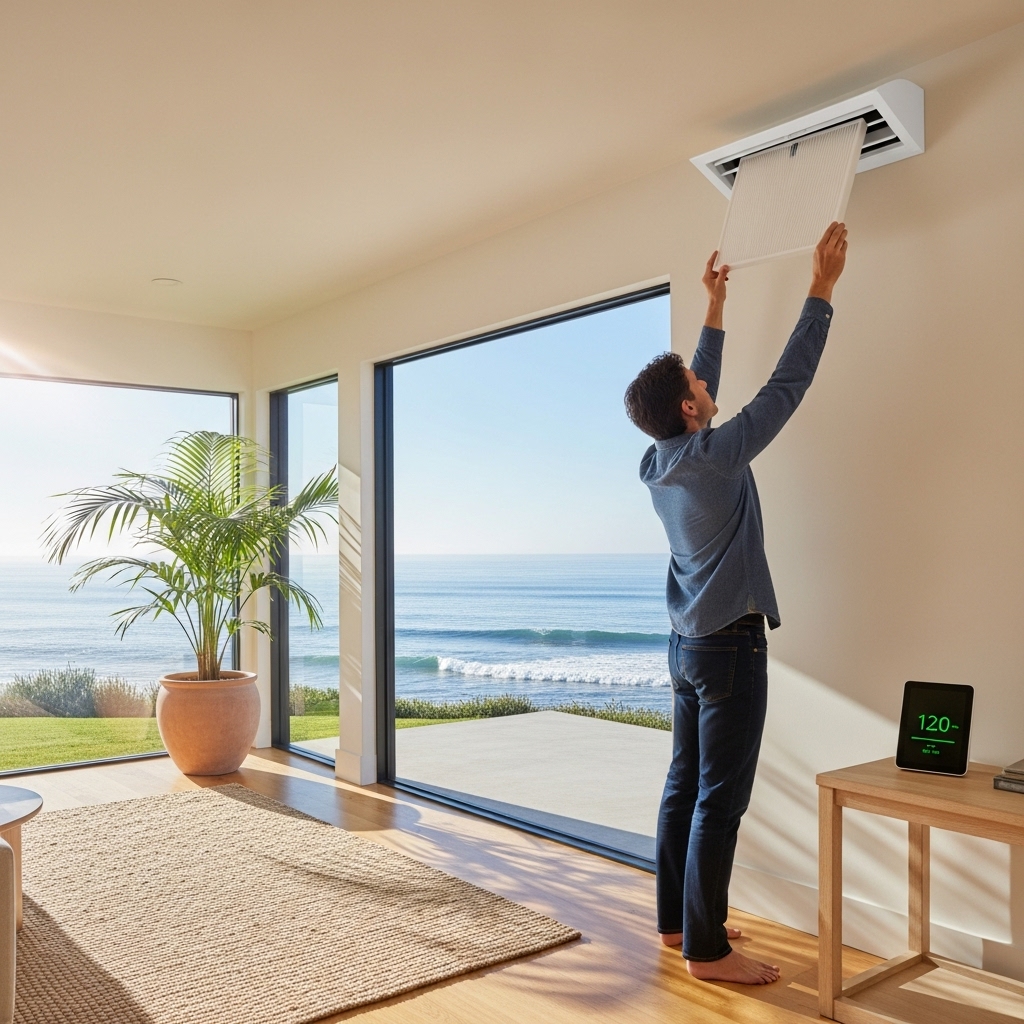
Lower Bills, Higher Comfort on the Malibu Coast
Everyone in Malibu knows the feeling of a house that seems to hum with contentment when the afternoon breeze drifts in, the marine layer softens the sun, and the temperature glides toward perfect. Our climate gives us a head start on comfort, but air conditioning systems here can still waste energy if neglected. Salt, fine dust, and humidity slowly undermine efficiency, forcing compressors to work harder and fans to spin longer to deliver the same result. The good news is that a thoughtful maintenance routine—one tuned to our coastline’s habits—can trim energy use dramatically while making the home more serene. It begins with a lens focused on airflow, heat exchange, and moisture control, and with a commitment to regular air maintenance that respects how Malibu’s weather ebbs and flows.
Cutting energy bills is not about asking your system to do less; it is about making sure every watt it uses translates cleanly into comfort. When coils shed heat efficiently, when ducts deliver air without leaks, when controls stage gently and sensibly, the system cruises instead of strains. In a coastal zone where corrosion and grime are an everyday pressure, maintenance is not a luxury—it is the most cost-effective efficiency upgrade you can make.
The Hidden Energy Tax of Dirty Coils
Heat exchange is the heart of cooling. Outside, your condenser coil throws heat into the ocean air. Inside, the evaporator coil wicks heat and moisture out of the home. When salt mist and dust cling to those surfaces, two things happen at once: the system’s “exhaust” loses effectiveness, and its “intake” struggles to pick up heat. The compressor senses that and stays on longer to reach the same target, using more electricity without delivering more comfort.
On the Malibu coast, the film that builds on an outdoor coil is not just dirt—it is a conductive layer of salt crystals mixed with organic residue. Even a thin layer increases the pressure required to move heat off the refrigerant. This is why a system can sound normal yet quietly drive up your bills. A gentle, regular rinse and, when appropriate, a deeper coil clean keep that film from behaving like an insulator. If your home sits in the onshore breeze path, think of rinsing as part of your landscape routine, as fundamental as sweeping sand from the patio.
Airflow Is Efficiency
Air does the carrying in air conditioning, and Malibu homes often make airflow challenging with open-plan rooms, lofts, and large ocean-facing windows. If the return pathway is undersized for the way you live, your blower works harder to pull air, static pressure climbs, and the watt draw jumps. You feel it as a system that is a little louder and less even in its delivery. Improving return air—through larger grilles, additional returns, or better door undercuts—often produces a quieter, more efficient system without touching the equipment.
Filters sit at the center of the airflow story. A dirty or overly restrictive filter starves the blower and lets debris load the coil, which doubles down on inefficiency. In our climate, filters can load quickly during runs of foggy days or after late-summer winds. Checking them monthly and changing them as soon as they show significant dust is a simple habit that lets the blower relax and frees the system to run long, easy cycles that use less energy.
Duct Leaks: The Quiet Drain
Even a well-maintained air handler wastes energy if the ducts leak. In Malibu’s crawlspaces and attics, time and repairs occasionally leave mastic cracked or seams loose. When that happens, your cooled air seeps into the attic, and hot, dusty air is drawn into the return. The system runs longer to overcome the loss, cycling more frequently on days when the marine layer retreats. Sealing ducts and adding insulation where needed are two of the most powerful bill-cutting moves because they turn every minute of run time into effective comfort. In older homes, addressing ducts can feel like a renovation chore, but it is often the quietest way to reduce energy use without altering your home’s design.
If you notice certain rooms lag behind, or if the difference between the ocean-facing side and the inland side of your home is stubborn, balancing dampers and sealing supply boots can even the delivery and reduce overcooling in other rooms. That balance, in turn, lets you raise the thermostat a degree or two without noticing a comfort penalty, and those small setpoint changes add up across a season.
Humidity Control Saves Watts
On foggy mornings and certain summer evenings, Malibu air holds more moisture. Your AC is removing that moisture while it cools. When the coil and drain are clean, the process is efficient, and the home feels crisp at a slightly higher temperature. When the coil is grimy or the drain is clogged, moisture removal stalls, the home feels clammy, and you lower the setpoint to chase comfort. That is a costly cycle. A clean coil surface and a free-flowing drain let the system dry the air and keep you comfortable at a higher setpoint, which is a direct energy savings.
Controls play a role here, too. A thermostat that runs the fan for a short period after the compressor stops lets residual cool, dry air sweep the coil one last time, evaporating moisture and preventing re-evaporation back into the house. Over weeks, that small behavior reduces latent load and offers noticeable efficiency gains.
Smart Scheduling and Gentle Staging
Malibu’s gentle temperature swings are perfect for slow and steady operation. If your system supports staging or variable speeds, program it to prefer lower stages for longer periods. Even if you have a single-stage unit, you can create a similar effect by avoiding dramatic setpoint swings. Let the house drift a degree or two instead of constantly commanding a 4- to 6-degree pull-down. Every time you call for a big sprint, the system must overcome thermal mass and humidity, which costs more than maintaining a narrower band of comfort.
Pair that strategy with a daily routine that respects natural ventilation. Early morning hours often deliver cooler, drier air. If it suits your home and security, air out the house briefly in the morning, then seal it as the day warms so the AC has less load to remove. By afternoon, when the sun moves lower, you may find the system gliding comfortably without high-intensity operation.
Clean Power to the Equipment
Energy efficiency is not just about airflow and coils. Power quality matters, too. Malibu sees occasional voltage fluctuations, especially during storms or regional demand spikes. Install surge protection and a short restart delay on the outdoor unit to avoid hard restarts that stress the compressor and draw unnecessary current. Well-secured electrical connections at the disconnect and in the air handler also keep heat and resistance from creeping into the system, preserving motor efficiency.
Simple housekeeping helps as well. Keep the condensing unit shaded but not smothered. Avoid enclosing it with tight fencing that traps its own hot exhaust. A few feet of clear space and a thoughtful wind screen that still allows plenty of air give the condenser the low ambient conditions it needs to reject heat with minimal effort.
When to Consider Upgrades
Maintenance can carry an older system a long way in Malibu, but there are moments when upgrades unlock new efficiency. If your outdoor unit shows widespread corrosion or if the coil fins crumble at a touch, replacement with a coastal-rated model can cut energy use significantly simply by restoring clean, frictionless heat exchange. Inside, if a blower struggles because the return path is intrinsically undersized, adding a return or upsizing the grille relieves static pressure and reduces watt draw immediately.
Smart thermostats, when configured thoughtfully for our climate, are another efficiency booster. Many can learn your home’s thermal response and avoid overcooling, keeping humidity in check while staging gently. The point is not gadgets for their own sake, but tools that honor Malibu’s mildness and let the AC perform at its quiet best.
Observing and Tuning by Feel
Trust your senses. Listen to the condenser when it starts: is it smooth and consistent, or does it surge? Stand by a return: do you feel strong suction that eases as a filter loads, or is it always strained? Touch a supply register on a humid day: does the air feel crisp or slightly damp? These tactile cues help you time maintenance and avoid the trap of running the system harder to achieve the same comfort.
One particularly telling sign is how quickly the home rebounds after you open doors to a deck. If the system brings the space back to stable comfort within a few minutes without blasting air, it is likely well-tuned. If it labors and the air feels heavy, you probably need coil care, filter attention, or duct sealing. Every small correction in those areas translates directly into less energy needed for the same result.
Coastal Realities and Long-Term Savings
Coastal corrosion is not dramatic day to day, but it is persistent. If you introduce protective measures early—such as coil coatings, stainless hardware, and routine rinses—you slow the march of wear that otherwise forces the compressor to work against increasing resistance. Over years, that slower wear curve means the system ages gracefully, staying inside its efficient operating range longer. That is the most powerful bill reducer of all: a system that runs as designed because you have prevented the small losses that accumulate into big ones.
Keep records, too. Note filter changes, coil cleanings, and any adjustments a technician makes. As patterns emerge—perhaps filters load faster in September, or drains need more attention in June—you can anticipate needs and schedule proactive service instead of reacting when signs show up as rising bills or declining comfort.
Frequently Asked Questions
Here are clear answers to common Malibu questions about maintenance and energy savings.
How much can maintenance really reduce my AC energy use?
While every home is different, Malibu homes commonly see meaningful reductions simply by restoring clean heat exchange and pressure-friendly airflow. When coils are clean, filters are fresh, and ducts are sealed, you often raise the setpoint slightly without noticing, and the system achieves target temperatures with shorter or gentler cycles.
Do I need a variable-speed system to save energy?
No. Variable-speed equipment is excellent in our climate, but even single-stage systems benefit greatly from clean coils, good ductwork, and steady settings. The aim is to reduce unnecessary resistance and to avoid big temperature swings that force hard pulls. Those gains are available to any system that is maintained well.
Will rinsing the outdoor coil with a hose damage it?
Not if you are gentle and spray from the inside out using low pressure. Avoid jet nozzles that can fold fins. Rinsing removes salt film and debris that add resistance to heat rejection, and it is one of the simplest, safest maintenance actions a homeowner can perform between professional visits.
Is it worth sealing ducts in a mild climate like Malibu?
Yes. Duct sealing is powerful regardless of climate because leaks are pure waste. In Malibu, sealing also keeps salty, dusty attic or crawlspace air out of the return, preserving coil cleanliness and airflow. The result is a system that runs less to do the same work, with cleaner, quieter performance.
How does humidity affect energy bills here?
Humidity control is central to comfort near the coast. When the system dries the air effectively, you are comfortable at a higher temperature. If moisture removal falters due to dirty coils or a clogged drain, you tend to lower the thermostat to chase a fresh feel, which increases energy use. Keeping the coil and drain clean maintains dehumidification efficiency and trims bills.
When should I schedule professional maintenance?
Spring and early fall are ideal in Malibu. Those windows let you clear winter salt and prepare for summer humidity, then recover from late-summer winds and tune the system for the quieter season ahead. Incorporating professional air maintenance into those periods creates a rhythm that protects efficiency year-round.
What signs tell me my system is wasting energy?
Longer run times to achieve the same comfort, a need to lower setpoints compared to last year, louder airflow, and rooms that feel clammy or uneven are classic signs. Visual cues include dingy coils, sagging or heavily loaded filters, and condensate traps that drain sluggishly.
Take the Next Step Toward Lower Bills
Walk around your system this week. Look at the coil, feel the airflow, and listen to the startup. Small, timely actions build into big savings along our coast. If you want a steady partner in this work, start with scheduled air maintenance tailored to Malibu’s climate, and let your AC deliver the quiet, efficient comfort your home deserves.