
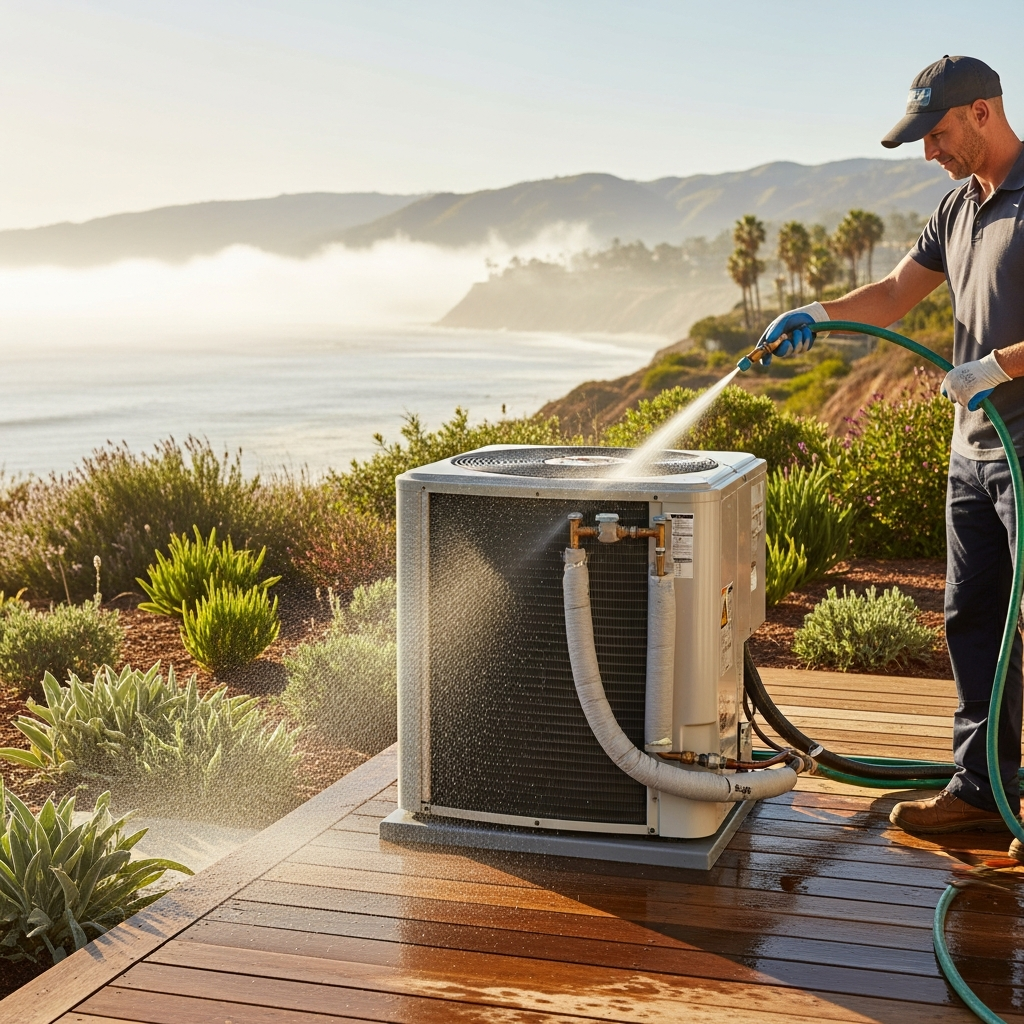
Living and working along the Malibu coastline teaches you a lot about how salt air, marine layer mornings, and afternoon winds shape the way homes breathe and cool. If you have ever stepped out onto your deck at dawn and felt that fine mist coming off the Pacific, you have felt the same saline film that settles on your outdoor condenser fins, fasteners, and electrical contacts. That gentle coastal beauty is also the quiet culprit behind premature corrosion and clogged coils. As a local technician who has tuned and revived countless systems from Point Dume to Malibu Colony, I can tell you that the right habits can extend the life and reliability of your air conditioning far beyond what you might expect in a coastal microclimate.
The marine layer is more than a poetic phrase; it is a routine shift in humidity and temperature that challenges AC systems. Mornings are damp and cool; afternoons turn dry and breezy; evenings bring another wave of moisture. These swings leave residue on outdoor equipment and add latent moisture to your home’s indoor air, nudging your system to work harder at controlling humidity. Good maintenance adapts to those rhythms. What works inland does not always work on a beach bluff that catches every salty gust. With a Malibu-focused routine, you can keep performance steady from early May through the warm Santa Ana days of late fall.
Know Your Coastal Enemies: Salt, Sun, and Wind
Salt spray is abrasive and conductive, sun is relentless on plastics and insulation, and wind drives debris into coils. On the bluffs above Zuma, the wind can actually push fine sand straight into the condenser fan opening. Down closer to the lagoon, the salt can be so concentrated that fasteners begin to pit within a season. The first line of defense is awareness: glance at your outdoor unit weekly. If you see a faint white crust on the cabinet, imagine that same film packed between delicate aluminum fins. A quick rinse with fresh water helps more than you might think.
Give the condenser a gentle fresh-water rinse once or twice a month during peak season. Avoid high pressure; you want to let the water sheet through the fins, not fold them. Turn the system off at the thermostat before rinsing, and let it dry for fifteen minutes before restarting. If you are within a few hundred yards of open water or on an exposed ridge, increase that cadence. In the heat of August, a weekly rinse can keep head pressures down and efficiency up.
Sun exposure accelerates breakdown of wire insulation, fan shrouds, and line-set covers. Inspect the refrigerant line insulation where it leaves the wall and runs to the condenser. If it is cracked or missing, replace it to prevent energy loss and condensation. UV-resistant insulation sleeves are worth choosing along the coast. It is a small detail that pays back in cooler lines and drier siding.
Airflow, Clearance, and Strategic Screening
Air conditioners exchange heat with the outdoors, and they can only do that if they can breathe. Maintain at least two feet of open space around the condenser and clear a full arc above the fan discharge. Landscaping is a point of pride in Malibu, but creeping bougainvillea and coastal sage can strangle airflow without warning. Trim regularly and avoid decorative screens that trap salt and lint. If you add a wind break to shield from direct ocean gusts, keep it several feet away and vented so the unit still exhales freely.
On hillside properties, swirling winds can cause recirculation where the condenser pulls in its own hot exhaust. You will notice this as air that feels warm near the intake side even on a cool day. Adjusting the unit’s orientation or extending a modest deflector on the exhaust side can help the hot air loft upward instead of curling back. Positioning matters more here than inland, and a small relocation of a few feet sometimes transforms performance.
Filters, Coils, and the Humid Morning Clean-Up
Indoor filters clog faster during fire season and dusty remodels, but along the coast they also load up with fine organic matter from the moist night air. Check your filter monthly in summer and replace it as soon as you see a matting of fibers or a gray film. A clean filter keeps the evaporator coil dry between cycles, which reduces the chance of biological growth and that musty startup odor. In particularly damp June Gloom stretches, set your thermostat or controller to run the fan only when cooling, not in continuous fan mode, so the coil can drain fully and dry.
The evaporator coil itself benefits from a professional cleaning every season or two, especially if you have had painters, floor sanders, or heavy surf mornings that coincided with open windows. You will feel the difference in steadier supply temperatures and quieter airflow. While the panel is open, a technician can also inspect for salt-kissed electrical terminals and apply antioxidant or dielectric treatments where appropriate, a small but meaningful coastal safeguard.
Condensate Management in a Salt-Air World
Humidity condenses on the evaporator, and that water must go somewhere. Along the coast, algae loves the mild temperatures in condensate lines. Keep an eye on the drain outlet—often near an exterior wall or over a sink trap—and look for steady dripping during cooling calls. If your system has a secondary pan or a safety float switch, test it at the start of the season so a quiet blockage does not turn into ceiling damage. A few times each summer, pour a small amount of warm water into the cleanout to encourage flow, and have a pro clear the line if you ever hear gurgling or see intermittent overflows.
Homes with air handlers in attics over living areas should also have an overflow pan with a drain to daylight. After foggy mornings, take a quick look to ensure that pan is dry. If you see water marks or dampness, you have an early warning to investigate before the next hot spell puts the system into extended runtime.
Electrical, Surge, and Corrosion Safeguards
Malibu’s power can be quirky during wind events. Brownouts and brief outages stress capacitors and control boards. A whole-home surge protector and properly sized disconnects protect delicate electronics, but even simple habits help: after a power blip, give the system five minutes before restarting to let pressures equalize. If you hear the outdoor fan spin but no compressor hum, or the unit chatters, stop and call a pro—coastal corrosion may have increased resistance on terminals, and restarting repeatedly can do real harm.
At least once a year, have a technician pull the condenser fan top and inspect the interior for corrosion, rodent nesting, and salt crust. Stainless or coated fasteners are worth installing where feasible. The cost of a handful of upgraded screws is tiny compared to the grief they save when it is time for future service.
Tuning for Comfort: Humidity, Setbacks, and Quiet Operation
Comfort on the coast is about more than temperature. If your system or thermostat supports dehumidification, use it on mornings when the house feels clammy even if the thermostat reads your setpoint. A small humidity trim can make rooms feel cooler without driving the temperature down excessively. Conversely, late afternoon ocean breezes can make upstairs rooms feel warmer simply because of sun loading; programmable schedules that start cooling a bit earlier will keep those spaces even without dramatic swings.
Noise carries differently on still, moist nights. Keep your condenser’s rubber isolation feet in good shape and make sure the pad is level and well-supported. A wobbly base can turn a normal hum into a droning resonance on deck boards or framing, especially in cantilevered sections common in cliffside homes. A minor leveling and fresh isolators restore the hush that Malibu evenings deserve.
Professional Attention at the Right Moments
While there is a lot you can do yourself, a seasonal professional tune-up is a wise ritual in our climate. Beyond cleaning, a tech can verify refrigerant charge, test capacitors under load, check contactor wear, and measure temperature splits and static pressures that reveal hidden duct issues. In the middle of summer, a system that is technically “working” but running with fouled coils or low airflow ends up spending significantly more energy and time to keep up, which shortens its life over the long arc.
When you schedule that visit, share where your home sits relative to the water and the prevailing winds; it changes what the technician looks for first. If your unit lives on a windward side or a lower courtyard where salt fog pools, the maintenance playbook shifts toward more frequent coil care and extra attention to electrical connections. A conscientious partner who understands coastal Malibu can keep your air conditioning steady through all those microclimate quirks that make our town special.
Reading the Signs Before They Become Problems
Small changes tell big stories. If your supply air feels a little warmer than usual, or you notice the outdoor fan running longer into the evening than last year, do not wait for a full breakdown. A slipping capacitor, a contactor with pitted points, or a thin film of salt on condenser fins each nibble away at performance. Addressing them early avoids emergency calls on the first truly hot day when every truck in town is spoken for.
Trust your nose and ears, too. A sweet or acrid odor at start-up can be a sign of microbial growth on a perpetually damp coil or a heated electrical component. A new rattle after an overnight wind suggests debris in the fan or a panel loosed by vibration. These are modest fixes if you catch them early, and Malibu’s steady cycle of fog and breeze means they are routine, not rare.
Frequently Asked Questions
How often should I rinse my outdoor AC unit if I live near the beach?
In Malibu’s immediate coastal zone, a gentle fresh-water rinse every one to two weeks during peak cooling months is ideal. Properties within a few hundred yards of open water or perched on windward bluffs benefit from weekly rinses when the marine layer is persistent. Always shut the system off before rinsing and avoid high-pressure sprays that can fold fins.
What filter is best for Malibu homes, especially during fire season?
Choose a high-quality pleated filter with enough efficiency to capture fine particles without over-restricting your system’s airflow. Many homes do well with mid-to-high efficiency filters during fire season and slightly lower resistance options the rest of the year. The key is to check monthly and change at the first signs of loading so your evaporator coil stays clean and dry.
Should I cover my condenser to protect it from salt air?
Do not use tight-fitting covers while the cooling season is active. Covers trap moisture and can accelerate corrosion. If you want off-season protection, use a breathable top cover that shields against debris but allows air circulation. Keep vegetation pruned back and rinse the unit periodically; these habits do more for longevity than any full wrap.
Why does my house feel clammy on cool mornings even when the thermostat is set correctly?
The marine layer adds latent moisture that your body senses as clamminess. If your thermostat or system supports humidity control, enable a mild dehumidify function in the morning hours. Also avoid running the fan continuously, as that can re-evaporate water from the coil and push it back into the home. Short, well-timed cooling cycles will trim humidity without overcooling.
Is salt air really hard on electrical components?
Yes. Salt is conductive and hygroscopic, so it attracts moisture and can create thin, damp films on terminals and boards. Over time this leads to corrosion and erratic performance. Regular inspections, application of protective compounds where appropriate, and using stainless or coated hardware in exposed spots reduce the risk significantly.
Call Today for Reliable Coastal Comfort
If your system has been powering through foggy mornings, sandy breezes, and long summer afternoons, give it the care it needs to keep your rooms calm and cool. Reach out for a coastal-focused tune-up, a patient inspection, or simply clear guidance on what to do next. When you are ready to restore quiet, efficient comfort, schedule trusted Malibu service and keep your air conditioning performing at its best through every change in the wind.