
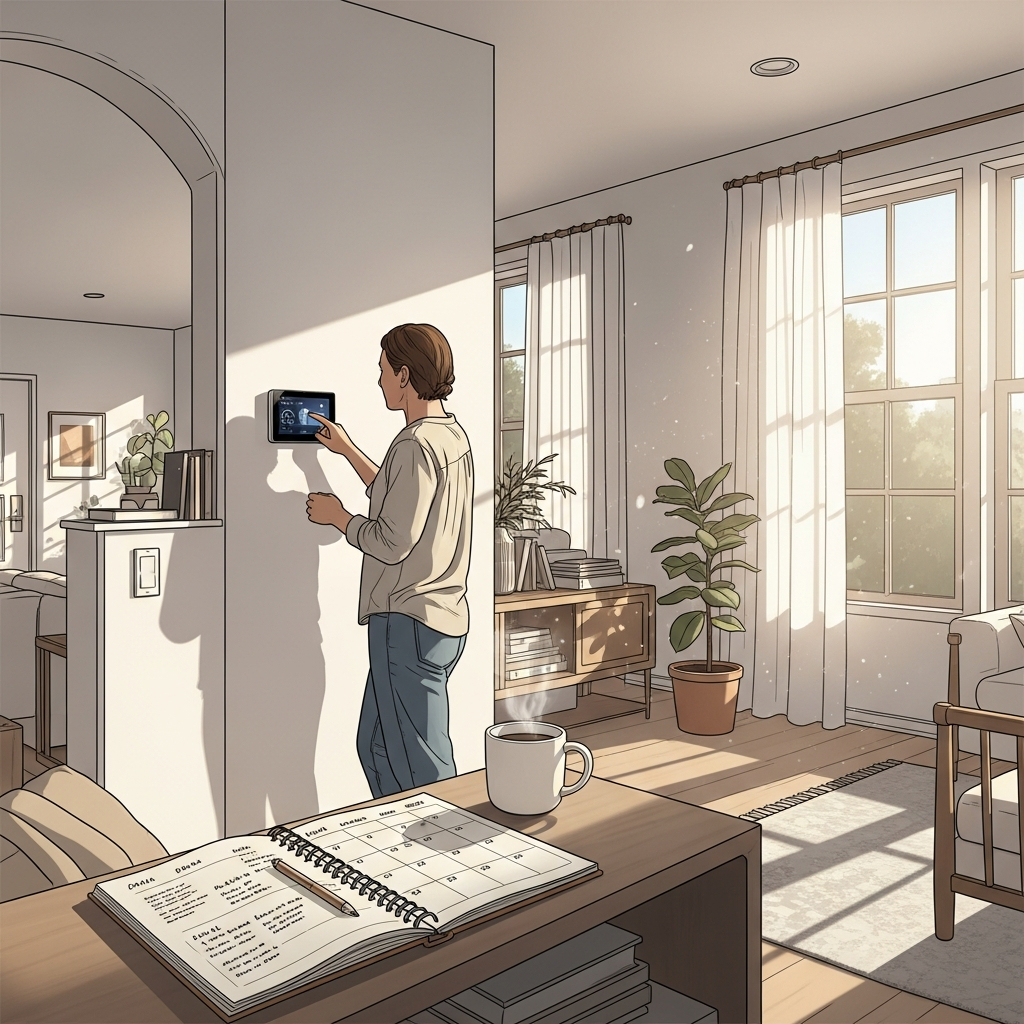
Designing the right air conditioning maintenance schedule in Malibu is less about a universal calendar and more about listening to the way the ocean, sun, and wind shape your home’s daily rhythm. On mornings when the marine layer drapes the coastline and afternoons when canyon heat pushes inland, your system adapts constantly. The best schedule respects those shifts, anticipating the season before it arrives and tuning your equipment so comfort feels effortless. It starts with a simple commitment to regular attention and a clear plan for filter changes, coil care, and condensate management. For many homeowners, the easiest doorway into that plan is to put a spring visit on the books now and pair it with a late summer check, aligning the work with how Malibu actually lives. If you are just beginning to map out care for your home, consider reaching out and setting up your baseline air conditioning maintenance so that the rest of the year can follow a predictable, stress-free pattern.
Spring: The Reset that Sets the Tone
Spring is when Malibu stretches after winter, and your air conditioner should do the same. Cool mornings can hide the dust that settled during damp months, and corrosion from salt-laden fog may have crept in around outdoor fasteners and fins. A spring maintenance visit is the moment to rinse coils gently, confirm electrical connections are snug, test capacitors and contactors that may have felt the chill, and make sure the condensate drain is clear before warmer, stickier days arrive. It is also the perfect time to review filter strategy, especially if winter guests or holiday gatherings meant more indoor time and potentially more particulate capture. By the end of a well-run spring tune, your system should move air freely, cool efficiently, and stand ready for the first beach day that ends with everyone back at the house looking for relief.
Early Summer: Fine-Tuning for Daily Use
As June layers on, daily cooling often becomes consistent, particularly inland. An early summer check can be quick yet impactful: verifying refrigerant charge stability through performance metrics, confirming thermostat accuracy, and ensuring the outdoor unit breathes with at least a couple of feet of clearance. Landscaping tends to surge this time of year, and foliage can crowd a condenser almost overnight. Clearing that space, even by shifting outdoor furniture away from the unit, makes a difference. Early summer is also when occupancy patterns shift for many Malibu homes, with guests arriving and schedules loosening. A small thermostat program change or a review of zoned systems can balance comfort with sensible runtime, reducing strain on components just when they are asked to work the hardest.
Midseason Checkpoints: Listening for the System’s Whisper
Good scheduling does not always require a formal visit; sometimes it is a mindful walkthrough. Once a month during the heart of summer, take a moment to step outside and listen. Is the condenser fan smooth on startup, or is there a wobble that was not there last month? Indoors, does the system hit the setpoint with its usual pace, and is the air from the vents as crisp as it was after spring maintenance? These quick observations inform whether to call in earlier than planned. Malibu’s daily breeze can shift debris against a unit, and a gentle rinse or a technician’s careful fin cleaning can restore performance. If your home sits near a dusty canyon trail or on a street with active construction, filters may load sooner than you expect. Marking a reminder on your calendar to check the filter midseason keeps airflow in the sweet spot.
Late Summer: Guarding Against Heat and Humidity Fatigue
By late summer, the system has put in steady work. Components that started the season fresh may now show signs of wear. A late summer maintenance visit looks for the fatigue that long runtimes and warm attics can impose: motors that sound a little rough on spin-up, coils that have collected a stubborn film despite earlier cleaning, and drain lines that need purging after weeks of steady condensate. Thermostat sensors can drift with temperature swings, so recalibrating or verifying multiroom sensors helps even out the indoor climate, especially in larger homes where sun exposure changes room to room. The result is a reset that carries you into fall with the same quiet confidence you enjoyed in June.
Fall and Early Winter: Coastal Cool and Quiet Work
While air conditioning may run less in fall, Malibu does not go dormant. Morning fog, cooler nights, and occasional warm spells still ask for a system that responds cleanly. Maintenance in early winter focuses on protecting the outdoor unit from corrosion with gentle cleaning, confirming that electrical connections are still tight after a season of thermal expansion and contraction, and ensuring the condensate safety measures are tested and ready for surprise humid days. It is also a good window to address duct insulation or small air leaks discovered earlier, as attics are typically cooler and more accessible. Tending to these details now reduces the workload when spring returns, giving you a head start on the new season.
Special Considerations for Beachfront Properties
Homes that taste the ocean air daily benefit from more frequent light rinsing of the condenser and periodic checks for early corrosion. Salt wants to settle on metal, and while protective coatings help, vigilance matters. Plan for an extra touchpoint midway through summer to assess the outdoor unit’s condition. Indications such as a chalky film on panels, slight discoloration of fins, or minor rust on screws warrant attention. Inside, be aware that higher ambient humidity can ask more of the condensate system, so ensuring traps and lines are clear is especially important. Scheduling this additional glance is less about formality and more about prevention, catching small changes before they weave into performance issues.
Canyon and Hillside Homes: Heat, Dust, and Access
Inland, the sun is the primary storyteller. Higher attic temperatures stress indoor components, and dust finds its way into return paths more readily. Your maintenance schedule should reflect that with attentive filter changes, perhaps a notch more frequent than the usual recommendation, and periodic coil inspections. Access can be a factor in hillside homes where air handlers occupy tight attic alcoves or where condensers sit on platforms up exterior stairs. When you book maintenance, share those details so your technician arrives prepared. Planning for a slightly longer appointment can ensure no corners are cut, particularly when testing electrical components under attic heat. The reward is a system that responds instantly during that late-afternoon heat that rolls up the canyon.
Rental and Second Homes: Scheduling for Predictability
Many Malibu properties welcome guests or serve as second residences. Predictability is everything in those scenarios. Pair a spring tune with a pre-guest check if the home will see heavy summer use, and consider remote monitoring via smart thermostats to keep an eye on temperature and humidity trends when you are away. Alert thresholds can be set to notify you if indoor conditions stray from normal, signaling an issue early. Maintenance aligned with booking calendars ensures the home is comfortable upon arrival and that any developing issue is addressed in the quiet between stays, not during them.
Smart Thermostat Integration with Maintenance
Modern controls influence schedule as much as the weather. If your thermostat supports runtime reports, share them at maintenance time. Patterns such as extended runtimes at specific hours can point to duct issues, sensor placement tweaks, or filter changes needed more often than assumed. During scheduled visits, technicians can fine-tune differential settings, fan run-on times, and sensor calibration so that the system runs with less strain. Those small adjustments compound over the season, translating to smoother operation and fewer interventions.
Wildfire Season and Wind Events: What to Add to the Calendar
Wildfire smoke and Santa Ana winds introduce their own chapter. After smoky days, plan for a filter check even if it is ahead of schedule. Ash and fine particulates pack filters quickly, and coils can accumulate a film that dulls performance. Winds push leaves and debris against condenser guards, so a quick outside check and a call for a rinse when you see buildup can keep airflow robust. Consider adding a post-event maintenance appointment to your schedule during active years; it is a focused visit aimed at restoring your system to its baseline.
Midyear Link in Your Planning Chain
Some homeowners like to anchor their schedule around three touchpoints: spring, mid-summer, and a fall or early winter review. The middle visit carries outsized weight in coastal neighborhoods where salt accumulation is a steady reality. By pausing midyear to confirm coil cleanliness, electrical integrity, and drain performance, you relieve the unit of the subtle burdens that accumulate unseen. However you customize your calendar, weaving in a reliable midseason check ensures consistent comfort, and formalizing that appointment when you arrange your next air conditioning maintenance keeps the plan on track.
Making the Most of Each Appointment
A well-used appointment is one where your questions are ready and your observations are shared. Note any rooms that run warmer, any new sounds at startup, or any musty odors that appear after long cycles. Share how the home is used—regular gatherings, work-from-home days, or long absences—because those habits affect ideal thermostat schedules and filter plans. The more your technician knows about how the home lives, the more specifically they can tune the system to that life. It is a conversation that turns a generic tune into a customized plan.
Frequently Asked Questions
How often should I schedule maintenance in Malibu? For most homes, a spring visit paired with a late summer or early fall check works well. Beachfront properties may benefit from an additional midseason rinse and inspection, while lightly used homes can often do well with an annual visit and a midyear filter check.
When should filters be changed during summer?
It depends on your home’s activity and environment. In areas with frequent coastal fog or canyon dust, monthly checks are wise during peak use. If the filter looks loaded or airflow feels reduced at the vents, replace it sooner rather than waiting for a fixed date.
Is there a best day or time for maintenance?
Morning appointments are often easier near the coast because fog keeps temperatures cooler, making attic work more comfortable. In warmer inland areas, early starts also help. The key is choosing a time when the system can be safely tested without extreme attic heat.
What should I do after a windy day or wildfire smoke event?
Take a moment to look at the outdoor unit to ensure nothing has lodged against it, and check your filter if indoor air felt smoky. If there is visible buildup or if airflow seems dulled, schedule a focused visit to rinse coils and refresh filtration.
Do smart thermostats reduce how often I need maintenance?
They do not replace maintenance, but they make it smarter. Runtime data and alerts help you and your technician catch trends sooner, while remote adjustments make it easier to ease the system’s workload during long absences. Pairing smart controls with a solid schedule yields the best results.
Can I rinse my condenser between visits?
Yes, with care. A gentle, low-pressure rinse can remove surface salt or dust. Avoid high pressure and harsh chemicals, and be mindful of electrical components. If you are unsure, ask your technician for a quick demonstration during a scheduled visit.
How do I know if a midseason visit is necessary?
If cooling seems slower, if the system sounds different at startup, or if your outdoor unit looks visibly dirty, a midseason visit is a wise addition. Beachfront and canyon-edge homes see more environmental impact and benefit from that extra attention.
What about ductwork—how often should it be checked?
During annual or semiannual maintenance, a quick assessment of duct condition, insulation, and accessible joints is sensible. If you experience uneven room temperatures or hear whistling at registers, share that so a more detailed duct evaluation can be added to the visit.
Ready to Put Your Schedule on the Calendar?
If you want reliability you never have to think about, the first step is to schedule the care that keeps it that way. Reach out to a trusted local professional, set your spring anchor date, and add a late-summer check so your system glides through the year. For simple, dependable planning that respects Malibu’s rhythm, schedule your next air conditioning maintenance and enjoy a home that matches the weather, not the other way around.