
Beach living in Malibu has a rhythm—fog-soft mornings, sparkling afternoons, and the easy decision to leave doors open as you move between kitchen, deck, and sand. It also has a maintenance rhythm, because salt and moisture work around the clock. The difference between a system that feels invisible and one that nags at you on warm days is often simple care done consistently. Thoughtful maintenance tailored to coastal conditions keeps air conditioning quiet, efficient, and resilient from Point Dume to Trancas.
Coastal homes face two intertwined challenges: salt exposure that accelerates corrosion and humidity that can make rooms feel heavy even at modest temperatures. A tuned maintenance plan treats both. It keeps outdoor components clean and protected while ensuring indoor air moves freely, drains properly, and stays dry enough for materials and people to be comfortable.
Start with Site Awareness
Before calendars and checklists, read the property. Where does wind drive mist? Which walls heat up in the afternoon? Does a canyon breeze funnel down and rattle gates? The answers shape equipment placement, service access, and how often you’ll need to tend to outdoor coils. A home just off the sand near Broad Beach will need different attention than a hillside retreat above Latigo.
Coil Care: The Coastal Essential
Outdoor coils are your front line. Salt residue acts like a sponge, drawing moisture and slowing heat exchange. A gentle fresh-water rinse removes it before it hardens. Avoid high-pressure streams that flatten fins. Look closely at the coil surface and hardware for changes in color or texture, which can signal early corrosion. Protective coatings and corrosion-resistant fasteners add time to the clock, but they work best in tandem with regular rinses.
Filters and Airflow: Keep the System Breathing
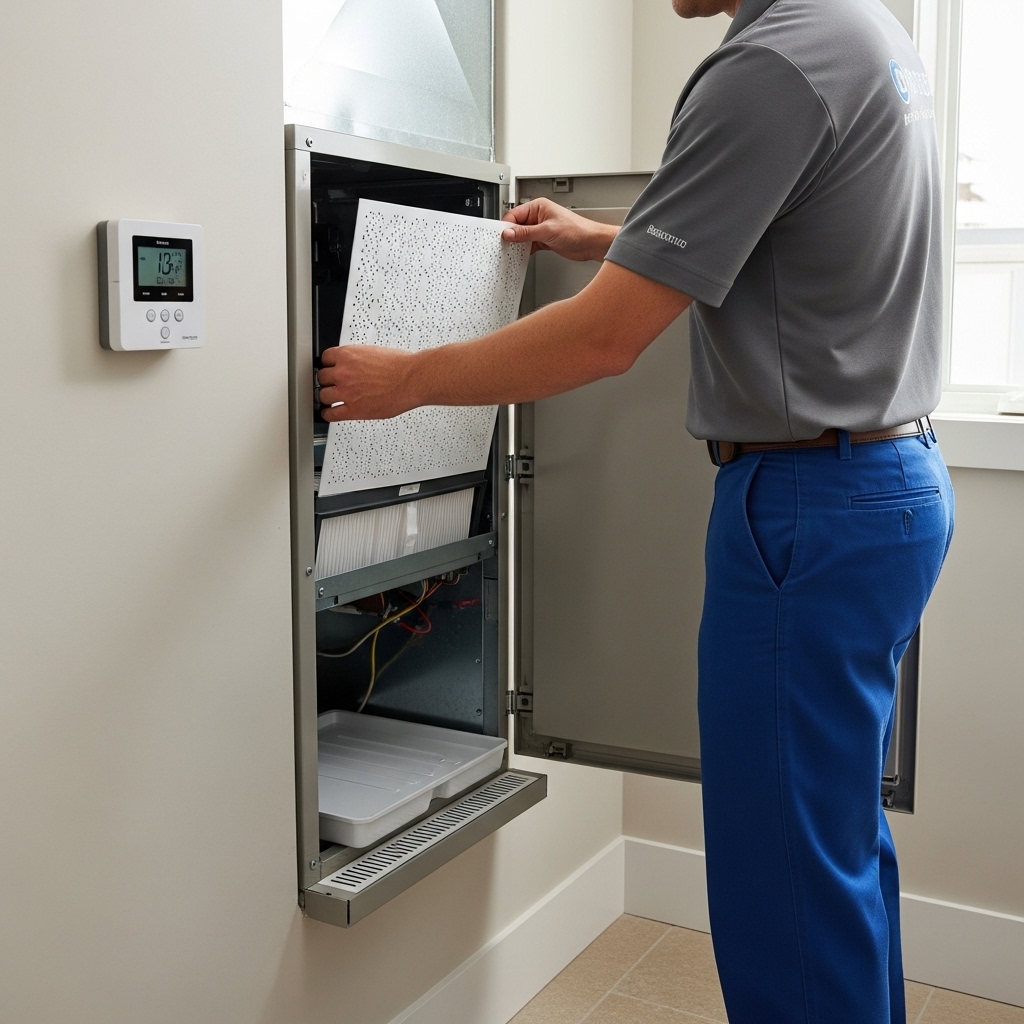
Filters load faster at the beach. Inspect frequently during peak use and change as needed to maintain steady airflow. Clean duct returns, and keep interior doors undercut or equipped with transfer paths so rooms don’t starve for air. When airflow is easy, everything runs cooler and quieter, and comfort improves without dramatic setpoint changes.
Condensate Management: Quietly Critical
When the system removes moisture, it has to go somewhere. Clear drain pans and lines prevent backups that cause leaks, odors, and microbial growth. A simple flush as part of seasonal service saves headaches, especially in homes where indoor units sit above finished spaces.
Humidity Control: Comfort’s Secret Ingredient
Malibu’s marine layer can make seventy degrees feel sticky. Controlling humidity lets you run slightly higher temperatures while feeling just as comfortable. Bedrooms, closets, and lower levels benefit most, but the whole home feels lighter. It also protects wood floors, leather, and textiles common in coastal interiors.
Sound and Vibration: Preserve the Hush
Part of maintenance is listening. New rattles, drumming, or whistling hint at loose fasteners, shifting ducts, or blocked returns. Tighten mounts, add isolation as needed, and clear pathways. The goal is a system that spends most of its life at low speed, just trimming conditions quietly in the background.
Seasonal Timing That Fits Malibu Life
Spring service sets the stage for summer. Clean coils, change filters, clear drains, and confirm controls. During peak months, quick touch-ups after windy, salty days keep performance strong. In fall, a final rinse and inspection reset the system before winter’s damp settles in. Tie these steps to rhythms you already have—garden maintenance, window washing, or post-storm cleanups—so they happen naturally.
Protecting Equipment with Placement and Shelter
Even the best maintenance schedule can’t overcome poor placement. Give equipment breathing room from plantings and walls, elevate where splash is possible, and consider subtle wind screens that don’t trap heat. If you’re planning a renovation, build in service access and ventilation. These decisions pay off in fewer surprises and easier upkeep.
Controls and Everyday Habits
Modern controls help you maintain comfort without constant attention. Pre-cooling before the sun swings across a glass wall, nudging humidity down overnight in bedrooms, and trimming setpoints while you’re away keep the home even. Small habits matter too—closing shades on bright days, sealing gaps around doors, and staying on top of salt haze on windows all reduce heat and moisture loads.
When to Call a Professional
Homeowners can handle rinses, filters, and basic observation. Seasonal professional service adds deeper diagnostics—verifying charge, measuring temperature splits, checking electrical connections, inspecting for early corrosion, and ensuring condensate systems are clear. That partnership turns maintenance into confidence that the next warm spell won’t catch you off guard.
Midway through summer, when doors are sliding open to decks and the kitchen hums after the beach, you’ll feel the difference. Rooms stay composed, bedrooms cool gently, and the system hums at low speed rather than lurching. That’s the payoff for caring for air conditioning with a coastal lens—comfort that feels effortless and a home that stays calmer through every shift in wind and weather.
Special Considerations for Ocean-Adjacent Lots
Homes closest to breaking surf face the harshest conditions. Irrigation overspray can add minerals to the mix, accelerating residue on coils. Keep sprinklers well clear of equipment zones, and schedule more frequent rinses when onshore winds are strong. Monitor hardware and coil edges for early signs of pitting and address them before they spread.
Documentation: The Quiet Backbone of Reliability
Keep a simple log of maintenance actions—filter changes, rinses, service visits, and any notes about noise or performance shifts. Patterns emerge quickly in Malibu’s microclimates, and that history helps you and your technician anticipate needs rather than react to surprises.
Frequently Asked Questions
How often should I change filters in a beach home?
Check monthly during high use and change as needed. Salt and fine particulates load filters faster on the coast, and clean filters keep airflow strong and air quality high.
Is rinsing outdoor coils really necessary?
Yes. A gentle fresh-water rinse removes salt before it hardens and slows heat exchange. It’s the single most effective coastal maintenance habit for outdoor components.
What’s the best way to handle humidity without overcooling?
Use control strategies that target moisture removal, particularly overnight in bedrooms and in closets or lower levels that tend to feel heavy. With humidity trimmed, a modest temperature feels perfectly comfortable.
Can I do most maintenance myself?
You can handle filters, light rinsing, and observation. Seasonal professional service adds deeper checks and catches small issues before they grow, especially important in Malibu’s salty environment.
How do I keep the system quiet over time?
Stay ahead of vibration by tightening mounts and keeping equipment secure, maintain smooth airflow with clean filters and open returns, and address any new sounds quickly. Quiet operation is a sign the whole system is running efficiently.
If you want your beach home to feel composed in every season, partner with a local expert who understands Malibu’s microclimates from Big Rock to County Line. A maintenance plan centered on air conditioning will keep comfort steady, protect your finishes, and ensure your home stays as calm as the view.