
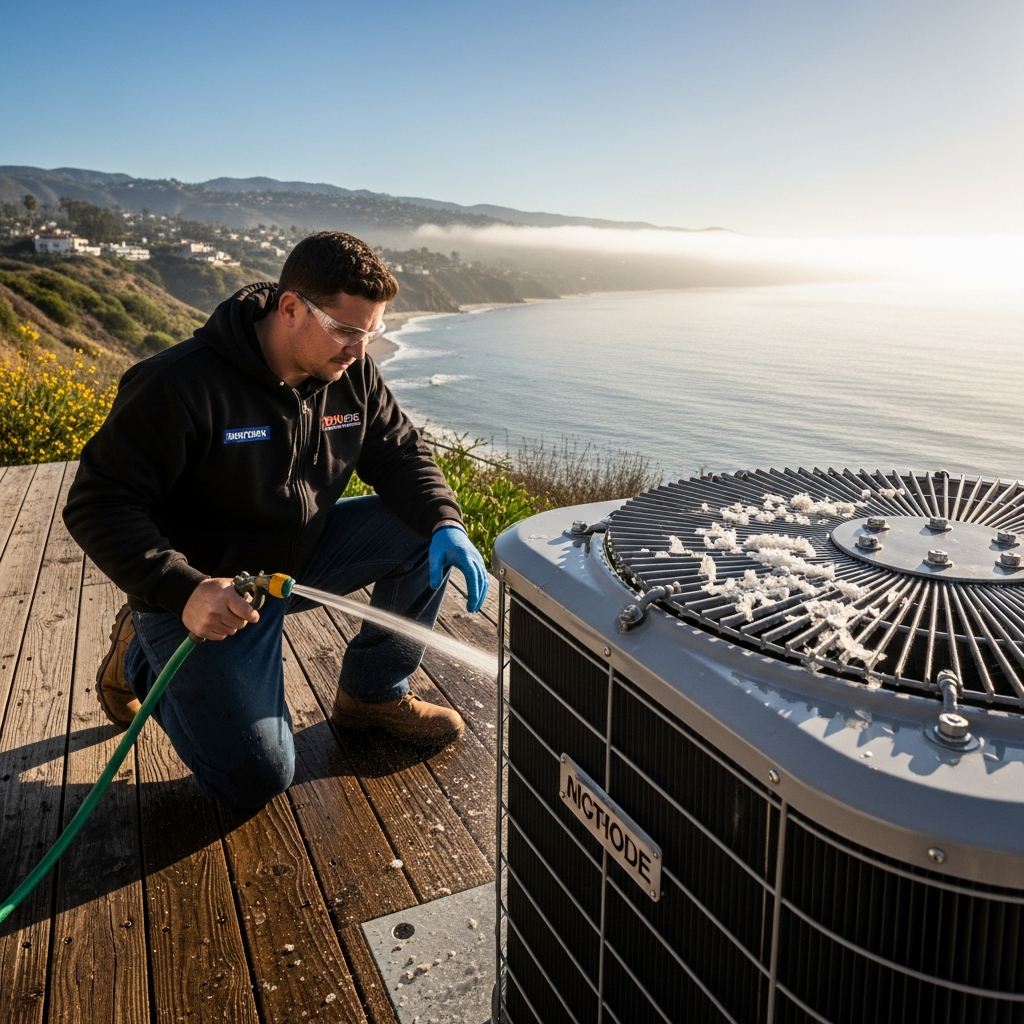
If you live in Malibu, you already know that the ocean writes the rules here. Mornings roll in with a cool marine layer, afternoons swing warm and bright, and by evening a canyon breeze can carry fine salt and sand you barely see but your AC definitely feels. When neighbors ask me what goes into the cost of keeping an air conditioner healthy in Malibu, I always begin with this landscape. The shoreline, the hills, the salt air, and the way our homes spill onto slopes and decks all shape the level of attention your system needs. Regular air maintenance isn’t just a box to check; around here, it is the difference between a quiet, dependable system and a unit that groans to keep up just when the temperature climbs.
Rather than chasing numbers, which vary widely based on your equipment and property, it helps to understand how the work is scoped and why certain tasks matter more in Malibu than they might in a drier inland town. If you picture your AC as a hardworking team of parts constantly facing ocean air, temperature swings, and the occasional ash-laden breeze in late summer, the “why” behind your maintenance plan becomes clearer. You will see what a comprehensive visit looks like, which extras are genuinely worth it, and how thoughtful planning trims surprises over the season.
In this guide I’ll walk you through the local factors that influence your overall investment in upkeep, the kind of attention coastal systems demand, and how to think about value in terms of comfort, reliability, and energy performance. By the end, you’ll be equipped to discuss scope confidently with a technician, understand what is essential versus optional, and set expectations that match how our climate actually treats your equipment.
Why Malibu’s climate changes the equation
Salt air is a steady presence whether you are on the sand in Carbon Beach or tucked up a canyon in Latigo. Those invisible chlorides cling to aluminum fins, coil surfaces, electrical contacts, and any exposed fasteners. Left alone, they accelerate corrosion, which makes heat transfer less efficient and can cause delicate connections to pit or arc. Add the marine layer that wets surfaces each morning then dries them under sun, and you get a daily cycle that bakes on residue. Systems that might coast for years somewhere inland simply cannot ignore these deposits here.
Then there are the winds. Onshore breezes carry mist and fine grit; offshore Santa Anas arrive bone-dry and can blow debris right into outdoor cabinets. Some late-season days mix smoke and dust that load filters and plug coils with a film you often can’t see until performance drops. Even if your home stays closed, return leaks in older ductwork can pull attic air laced with salt and dust into the system, compounding wear. The upshot is simple: the environment adds tasks and frequency to the checklist, not because anyone is upselling, but because Malibu is a bit harder on metal and airflow.
Equipment details that influence what you spend attention on
Every system is its own story. A newer variable-speed unit near Point Dume, for example, modulates quietly and sips energy, but its sophisticated boards and sensors appreciate clean power and immaculate airflow. An older single-stage condenser perched above a carport in Big Rock may be tougher mechanically, yet its aluminum coil can show corrosion sooner. Special coil coatings, cabinet finishes, and stainless fasteners resist salt better and typically stretch the intervals between deep cleanings, while mixed-metal coils may need gentler chemicals and more frequent rinses.
Indoor equipment matters just as much. Malibu homes commonly hide air handlers in conditioned closets, tight attics, or under sloped roofs. That placement affects access, which influences how a technician builds time into the visit. Blower assemblies with years of fine dust, dog hair, and coastal residue need careful cleaning to protect balance and bearings. Add-ons like UV lights or enhanced filtration improve air quality but must be serviced properly; otherwise they create restriction or fail without anyone noticing until airflow suffers.
Home design, access, and the Malibu hillside factor
In hillside neighborhoods, condensers sometimes live down a flight of steps or on suspended platforms behind the house. Getting safe access can require careful setup, which simply takes time. Long refrigerant line sets that snake through walls are common in view-oriented remodels; they perform beautifully when leak-free, but they increase the number of joints to check and insulate. Deck installations need extra attention to clearance so salt and mist can pass without swirling back into the unit. And if your place shares tight driveways with neighbors, technicians often stage equipment and rinse water carefully to keep paths clear and landscaping untouched, a courtesy that matters here and can extend the duration of service.
What a thorough visit actually includes in coastal conditions
Think of a visit as two halves: restoring the equipment to a clean, efficient baseline, and verifying that the system holds that baseline safely. Outdoors, that means gently rinsing coils to float off salt and grime, straightening fins where airflow is pinched, testing fan operation, and checking electrical components for pitting or overheating. Indoors, it means inspecting and cleaning the blower wheel and housing, verifying static pressure and return integrity, and confirming that the evaporator coil drains freely so Malibu’s cool mornings don’t turn into condensate overflows later. It also includes calibrating thermostats and sensors so your setpoint matches reality rather than a sun-warmed wall.
The verification half is about data. Technicians measure superheat and subcooling to ensure refrigerant is doing its job rather than masking a restriction. They check voltage and amp draw so motors run within their comfort zone rather than skating near failure under summer load. They document findings with photos—corrosion spots, compromised insulation, or a drain pan starting to rust—so you can see what they see. In a coastal environment, that visual record becomes a baseline you compare against next time, helping you catch slow changes before they become outages.
Planning, timing, and the power of prevention
Our summers don’t slam like the desert’s, but the warm spells come in waves, and the phone lines to local shops light up on the first big one. Booking attention before those surges is the easiest way to maintain control of your comfort and your calendar. Early spring cleaning clears winter salt and moisture, while a late-summer check can address the residue left by long dry winds. In between, a quick freshwater rinse of the outdoor coil—performed correctly and safely—can be a quiet hero. More than anything, building a proactive air maintenance rhythm means problems get small and scheduled rather than urgent and disruptive just as you invite friends over for a sunset dinner.
Consider also the question of who documents your system over time. The teams that service many Malibu homes learn to spot the patterns: certain canyon winds that load coils, specific neighborhoods where laundry lint drifts from common rooms, or metal types that age faster near bluff tops. That accumulated local memory, paired with your home’s history, makes recommendations sharper and visits more efficient. The goal is not to add tasks but to target the ones that matter most for your exact combination of equipment, exposure, and lifestyle.
Efficiency, comfort, and warranty protection
When a system breathes freely, temperatures stabilize and run times shorten. That shows up on the utility bill and in the way your rooms feel in late afternoon, when the marine layer is gone and sunlight pours through glass. Clean coils dump heat fast; tight ducts deliver air to the far rooms without whistling; a quiet blower moves just enough to even out hot spots without stirring dust. Manufacturers also write their warranties with routine attention in mind. Keeping records of visits, filter changes, and component verifications provides a paper trail that aligns with their expectations and helps if you ever need support on a part replacement.
Comfort extends beyond degrees. Malibu homes are social; doors open and close all day; pets move in and out; kitchens work overtime. Good airflow and humidity control keep art, wood floors, and treasured instruments happier. A well-tuned system sounds better too, with fewer rattles from panels and ducts when the fan ramps up. These are the quiet dividends that come from steady care in a coastal town.
Neighborhood norms and practical realities
Many Malibu streets are intimate, and good manners matter as much as good tools. On maintenance days, that can mean coordinating vehicles, protecting driveways, and rinsing coils without splashing a neighbor’s stucco. Some homeowners’ associations prefer service during specific hours or ask for quiet equipment operation in the evening. A local technician who knows these rhythms tends to work seamlessly, and that smoothness echoes the kind of thorough, unhurried attention you want for your system. When technicians are not rushed, they find the small things—like a starter capacitor about to drift out of spec—before those things find you.
How to tell if you’re under-maintaining
Watch for run cycles that grow longer even on mild days, or a thermostat that seems to ask for cooler settings than last year. Pay attention to a faint musty scent when the system starts or a trickle from the secondary drain where there should be none. Touch the supply air: if it feels less crisp, residue on the coil or low airflow might be the quiet culprit. None of these mean a crisis, but in Malibu they often point back to salt film, dust, or minor airflow restrictions that respond beautifully to thoughtful cleaning and sealing.
How often in our coastal pocket?
At minimum, most homes benefit from a thorough check before summer and a lighter pass late in the season. For houses within earshot of the surf, a gentle rinse of the outdoor unit as part of your monthly yard rhythm can extend coil life meaningfully, provided it’s done with the power off and care taken not to bend fins. Homes in canyons that channel wind may prefer a midseason check aimed just at airflow: filters, returns, and coil face. The exact cadence depends on your exposure and how much you run the system, but if you hold to a seasonal rhythm, the equipment responds with quieter, steadier operation.
Frequently asked questions
Why does salt air make such a difference compared with inland areas?
Salt crystals cling to coil surfaces and metals, speeding up corrosion and creating a thin boundary layer that slows heat exchange. In Malibu, daily cycles of moisture and sun help that film stick. The result is like wrapping your coil in a fine sweater—subtle at first but increasingly restrictive. That’s why gentle, regular cleaning and protective finishes are emphasized here, while an inland system might get away with far less frequent attention.
Is a coated coil worth it near the ocean?
Protective coatings and corrosion-resistant materials can be a smart long-term choice for homes within the marine influence. They do not eliminate upkeep, but they make each cleaning more effective and help the coil bounce back after foggy mornings and windy afternoons. If you’re replacing equipment or planning a larger refresh, ask about coil and cabinet options suited for salt exposure and review maintenance plans that complement those materials.
Can I rinse my condenser myself?
Light freshwater rinsing from the inside out can help, but it must be done carefully. Always power down, mind the fan and electrical components, and avoid high-pressure sprays that fold fins. If you cannot safely access the inside of the coil or if residue is stubborn, leave the deep cleaning to a technician with the right tools and cleaning agents designed for coastal film.
How does Malibu’s terrain affect a maintenance visit?
Access matters. Units behind homes, below decks, or on steep pads require thoughtful setup and sometimes additional safety measures. That preparation ensures the work is thorough without risking damage to landscaping or structures. Expect technicians to plan for the approach, protect surfaces, and sometimes take extra time to stage water and tools where they will not disrupt narrow drives or neighbors.
What signs suggest my system needs attention before summer?
Rising indoor humidity, supply air that feels less brisk, dusty odors at startup, or a drain pan with standing water are common early flags. If your thermostat has to be set cooler than last year to feel the same comfort, airflow or coil heat transfer may be lagging, especially after a winter of marine layer. Seeing rust or white fuzz on outdoor fasteners is another clue that salt is at work and a proper cleaning would help.
Could better filtration reduce maintenance needs?
Right-sized filtration helps hold dust and ash before they load your coil, but it must be matched to your blower’s capability. Too much restriction chokes airflow and can create comfort issues of its own. A technician can measure static pressure and recommend filter media that protect the system without overtaxing it, especially helpful during smoky or windy stretches.
Final thoughts and next steps
Keeping an air conditioner steady in Malibu is less about reacting to breakdowns and more about respecting the elements that shape our days. If you set a rhythm, choose materials that stand up to salt, and document each visit, your system rewards you with quiet, effortless comfort through the long, sunlit season. When you’re ready to put a plan in place or fine-tune the one you have, schedule dedicated air maintenance with a trusted local team that understands our coastline and the way it treats equipment. A little foresight now means more breezy afternoons with the doors open and fewer surprises when the heat rolls in.