
In Malibu, air conditioners work in one of the most deceptively challenging environments in California. The ocean feels kind, the mornings often arrive cool and gray, and yet the same coastal calm that lulls the day can be surprisingly tough on equipment. That’s why attentive air conditioning maintenance is not just about tune-ups; it’s about understanding the specific issues Malibu homes face so they can be corrected before they grow teeth.
From the bluffs to the canyons, our area blends salt, fog, sun, wind, and dust in ways that test every part of an AC system. Outdoor units feel the sting of the sea; indoor coils meet the marine layer head-on; and ductwork navigates attics and crawlspaces shaped by hillside construction. If you’ve ever wondered why a system that seemed fine in spring starts to falter by late summer, the answer usually hides in a handful of common, locally driven problems.
Salt Film and Coil Corrosion
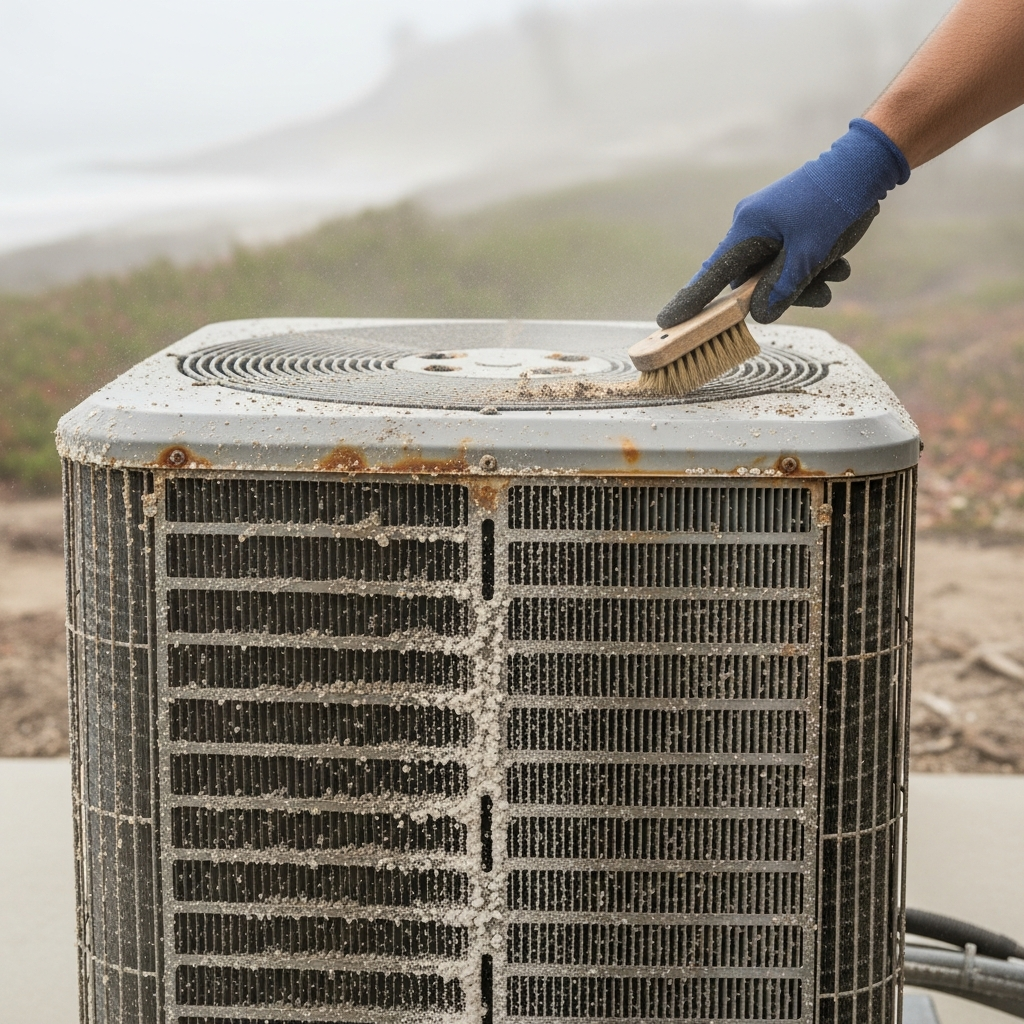
Living near the water means your condenser is bathed in microscopic salt crystals that cling to fins and chew at metal. Even a thin film changes the physics of heat exchange, forcing longer runtimes for the same cooling. Left unchecked, pitting and corrosion can eat into coil tubes and fasteners, weakening the whole assembly. Maintenance that includes gentle coil washing, careful inspection, and corrosion-aware care is the frontline defense. How often you need it depends on your address; Broad Beach and Carbon Beach may ask more than a quiet canyon.
Homeowners sometimes notice a fine white or gray dust collecting around the outdoor unit or the faintest crunch under a fingertip on coil fins. That’s the warning sign. A quick response keeps efficiency intact and spares the compressor from excessive strain.
Clogged Condensate Drains
Malibu mornings can sit humid enough to draw plenty of moisture from indoor air as your system runs. That moisture drains away—until a line slimes up with algae, dust, or blown-in debris and the pan starts to fill. The first clue is often a musty smell or water where it shouldn’t be. During maintenance, clearing the drain, checking the trap, and verifying slope head off backups that can trip safety switches or, worse, cause water damage in a wall or closet.
Because we open homes to the breeze so often, small particulates are a constant. They combine with condensation to form a film that encourages growth in the drain path. Quick, regular attention here pays for itself in avoided headaches.
Filters Overwhelmed by Smoke and Wind
Wildfire smoke and Santa Ana gusts are part of our seasonal vocabulary. Filters that look fine in July can saturate in a day when the wind turns and smoke drifts along the coast. The tell is a system that grows louder or runs longer without cooling as well. Maintenance schedules in Malibu increasingly include readiness for these spikes—keeping spare filters on hand and ensuring the blower can handle short-term upgrades in filtration without wheezing.
When filters overload, they also shed fine dust downstream, putting a dirty film on indoor coils. That film insulates the coil, dulling performance and setting the stage for microbial growth. Routine coil inspection catches this chain reaction early.
Refrigerant Leaks at Coastal Joints
Salt and vibration team up to test every joint and fitting in the refrigerant circuit. Tiny leaks may not announce themselves with drama; you simply notice cooling isn’t what it was, or the outdoor unit seems hotter to the touch. Maintenance that includes detailed leak checks—visual, electronic, and pressure-based—can find issues while they’re still easy to fix. Waiting often means the compressor labors, heat spreads, and an otherwise healthy system begins to age prematurely.
It’s natural to think a system that “still cools” is fine, but in Malibu’s environment, the gap between fine and failing can close quickly once refrigerant balance drifts. Early correction is the cheapest, quietest answer.
Electrical Wear and Coastal Oxidation
Contactors, capacitors, and connectors live tough lives outside. Oxidation builds on contact surfaces; sun and salt nibble at plastics; and heat cycles deepen wear. You might hear a hesitant start or notice lights dipping slightly when the unit kicks on—both hints to check electrical health. Maintenance replaces parts on the brink and tightens connections so power delivery stays crisp. The payoff is smooth starts, fewer nuisance trips, and a compressor that doesn’t take a beating every time it wakes up.
Inside, board enclosures can collect fine dust that bridges contacts or traps moisture in foggy spells. A quick, careful cleaning during service preserves the delicate logic that choreographs fans, compressors, and safeties.
Duct Leaks and Critter Intrusions
Our canyons are full of life, and sometimes that life finds the warmth of a duct appealing. Gnawed insulation, loosened joints, and small separations let cool air spill into attics or crawlspaces instead of bedrooms. The result is uneven temperatures that frustrate you just when you want the whole house to settle into evening calm. Maintenance that pressure-tests and inspects ducts turns up these leaks, and sealing them often delivers an immediate comfort upgrade.
Homes that have seen remodels or additions are especially prone to duct oddities—long runs with tight turns or mismatched sizes. Maintenance can’t rebuild architecture in a day, but it can adjust dampers, verify blower settings, and recommend targeted fixes that bring relief.
Thermostat Placement and Sunlight Games
Designers love natural light, and so do we. But when a thermostat or sensor sits in a streak of afternoon sun, your AC will chase a heat that only hits that wall. The rest of the house goes chilly while the thermostat tries to satisfy a pocket of warmth that looks bigger than it is. Maintenance that audits placement and shading solves this quietly. Sometimes the fix is a small relocation; other times it’s as simple as a sliver of shade or a revised schedule that pre-cools before the sun’s angle becomes a problem.
Sensor misplacement creates the opposite issue too. A thermostat in a perpetually cool hallway can undercool a sunny family room. Aligning sensors with lived-in spaces keeps comfort where you feel it most.
Short Cycling and Airflow Mismatch
Short cycling—those rapid on-off bursts—often points to airflow issues or oversized equipment. In Malibu, it can start after a filter overload, a blocked return, or coil fouling that crept in during a stretch of foggy mornings. Maintenance traces the cause, clears the restriction, and checks fan settings so the system returns to long, even cycles that polish the air and stabilize temperatures.
Balanced airflow is also the secret to taming hot lofts and cool lower levels. Duct adjustments and blower tuning done during maintenance smooth out those vertical gradients that are so common in multi-level beach homes.
Condensers Starved by Coastal Landscaping
We love privacy hedges and sculptural grasses, but they can creep into the space a condenser needs to breathe. Add beach gear stored nearby, and you’ve built a windbreak that works a little too well. The unit struggles, sounds harsher, and starts to radiate heat. Maintenance that restores clearances and trims growth is an instant performance lift you can feel.
After windy weekends, leaves and palm debris often huddle at the base of the unit. Clearing them keeps airflow paths open and reduces moisture traps that accelerate corrosion.
Smoke Events and Residual Odors
When smoke drifts in from inland, even brief exposure can leave a memory in filters and coils. That’s why a home can smell faintly off weeks later even when outdoor air returns to normal. Maintenance that refreshes filters, cleans indoor coils, and verifies duct sealing helps the system unlearn that episode. The air becomes crisp again, and fabrics stop echoing the past.
Planning for these events is half the job. During service, set up a short-term “recirculate and filter” mode so you’re not inventing a solution while watching the wind forecasts.
In the thick of summer, if you catch longer runtimes or an outdoor unit wearing a visible film, it’s a cue to schedule HVAC maintenance. Mid-season cleaning and calibration prevent small Malibu-specific issues from becoming comfort-sapping problems, and they reset your system for the stretch run into late summer.
FAQ: Common Malibu AC Issues
Why does my outdoor unit look dusty even after a few calm days? That film is often salt and fine debris carried by the marine layer. It accumulates quickly and blocks heat transfer until it’s gently washed away.
My AC cools, but some rooms lag—what gives? Likely airflow imbalance or duct leakage. Maintenance can measure pressure, adjust dampers, and pinpoint leaks to bring those rooms back in step.
Should I worry about a small water stain near the air handler? Yes. It could signal a clogged drain or pan issue. Prompt maintenance prevents water damage and nuisance shutdowns.
What causes a musty odor when the AC runs? Dirty coils, wet drains, or overloaded filters often leave a stale scent. Cleaning and proper drainage usually resolve it quickly.
Do Santa Ana winds really affect my AC? They do. Dust loads filters fast and can push debris into outdoor units. A post-wind check keeps your system from laboring for weeks afterward.
How can I prepare for smoke days? Keep appropriate filters on hand and set up a short-term recirculation strategy during maintenance so you can switch modes quickly when needed.
Your Malibu Home, Cool and Confident
If you’re noticing any of these coastal quirks—salt film on the condenser, rooms falling out of sync, or a system that seems louder than last season—schedule professional air conditioning maintenance. With care tuned to Malibu’s salt air and canyon winds, your system can get back to running quiet and clean, keeping the focus on sunsets and ocean breeze instead of what’s humming in the background.