
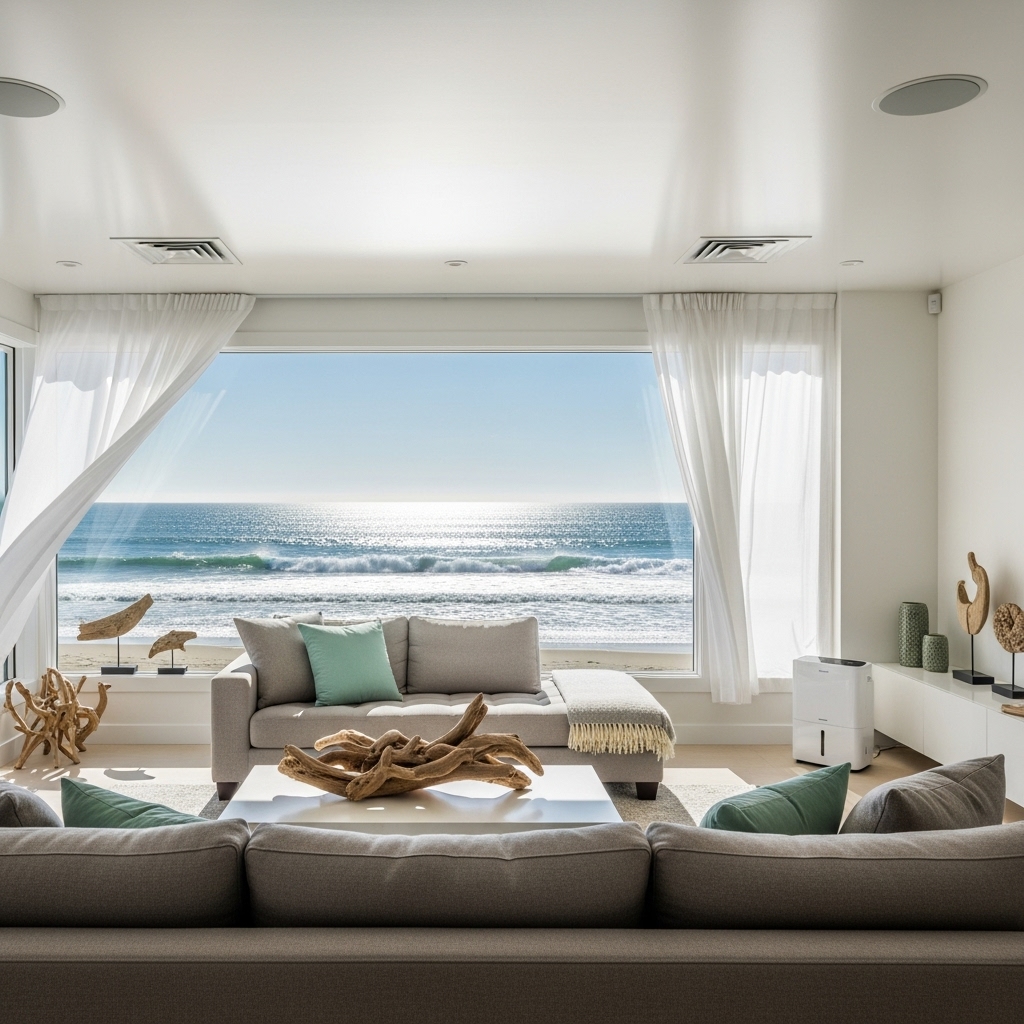
Oceanfront living in Malibu has a rhythm all its own. Mornings often begin with a soft marine layer that blurs the horizon, afternoons bring a sparkle to the Pacific that makes every window view feel like a postcard, and evenings cool just enough to invite you outside again. Yet anyone who has settled into a beachfront home here knows that comfort along the coast is a careful balance. Salt air, humidity, and day-to-day microclimate swings can make interiors feel clammy or stuffy even when the thermometer is mild. That is where thoughtfully designed air conditioning becomes more than a luxury; it becomes a tool for protecting your home, your health, and your way of life.
As a local who has walked countless oceanfront properties from Broad Beach to Carbon, I have seen the subtle ways Malibu’s coast shapes the demands on a home. A picture window that captures an unforgettable sunset can also admit solar gain that lingers into the evening. The sea breeze that feels perfect on the deck can push salt-laden moisture into rooms and crawlspaces. Without the right climate control strategy, these beautiful traits can turn into daily discomforts and long-term maintenance headaches. But when your system is tailored to coastal living, the benefits are immediate and lasting.
Preserving Materials and Finishes in a Salt-Air Environment
Salt is part of the magic here, and part of the challenge. The same aerosolized salts that create a light shimmer on outdoor furniture can also settle inside your home. Over time, that airborne salt attracts moisture, which worsens humidity and encourages corrosion on hinges, door hardware, and even electronics. A properly sized air conditioning system paired with dehumidification can keep indoor relative humidity in the sweet spot where metals resist pitting, wood resists swelling, and finishes maintain their sheen. This is not just about comfort; it is about preserving cabinetry, flooring, and built-ins that you chose with care.
Humidity control pays dividends in hidden places, too. Behind walls and beneath floors, vapor can condense when coastal air meets cool surfaces. With steady, gentle conditioning, those surfaces stay closer to the indoor setpoint, reducing the chance of condensation. Over the years, that can mean less warping in wood flooring, fewer squeaks, and no musty odor creeping into corners you rarely visit. In the art niches and media rooms that dot Malibu’s oceanfront homes, the stable climate also helps protect paintings, photographs, and sensitive electronic equipment from the cumulative effects of moisture and temperature swings.
Comfort That Matches Malibu’s Microclimates
Malibu’s coastline is not one climate; it is many. The homes along the sand experience different conditions than the homes perched above PCH or tucked behind a dune. Morning fog, late-afternoon sun, and the occasional Santa Ana event can create rapid shifts from room to room. Zoning your cooling allows you to fine-tune living areas, bedrooms, and guest suites independently. A sun-exposed great room can be gently cooled in the mid-day hours without overchilling a shaded study. And at night, you can prioritize sleep zones so the ocean’s lullaby is matched by a blissfully consistent temperature and a crisp, dry feel.
For homeowners who entertain, zoning becomes even more valuable. When you open a telescoping wall and invite the outdoors in, your system should automatically adjust to account for increased load and air movement. Modern controls can anticipate these moments by learning your patterns, so the home feels effortless at cocktail hour and serene again after the last guest departs. That orchestration is what separates a pleasant home from one that feels choreographed to your lifestyle.
Filtration, Fresh Air, and a Cleaner Coastal Interior
There are days along the Malibu coast when the air is smooth and clear, and others when sea mist carries tiny salt particles and pollen. There are also seasons when smoke from distant wildfires drifts alongshore. A well-designed cooling system with high-quality filtration can quietly remove these intrusions, leaving the interior air noticeably fresher. Upgrading to filtration capable of capturing fine particulates can reduce the haze that appears in sunbeams and help sensitive family members breathe easier. Balanced ventilation strategies bring in the right amount of outdoor air without sacrificing comfort, and they help keep cooking odors and household VOCs from lingering.
These indoor air quality benefits are especially important for second homes, where weeks may pass between visits. Remote monitoring can keep your system running at low, efficient settings while maintaining healthy humidity and air movement. You arrive to a home that smells like the ocean in the best way—clean and open—rather than a space that needs airing out before you can relax.
Energy, Acoustics, and the Art of Staying Cool Quietly
Many Malibu homeowners are sensitive to sound. You want to hear the waves, your guests’ laughter, and the evening breeze—not fan roar or compressor thrum. Modern variable-speed systems address this beautifully by modulating to meet the moment. Instead of cycling on and off, they ramp gently, hold a steady rhythm, and vanish into the background. With the right equipment placement and attention to duct design, even a high-performance system becomes almost imperceptible. That calm enhances your connection to the coastline and makes daily life feel more like a retreat.
Energy performance matters here as well, particularly in homes with large glass areas and long conditioning seasons. A system that wrings moisture from the air efficiently allows you to set the thermostat a few degrees higher while feeling just as comfortable, because dry air feels cooler. Pairing this with smart controls and sensible shading can reduce energy use without compromising the amenities that make an oceanfront home special. For many properties, the result is a lower carbon footprint and the satisfaction of engineering comfort in a way that respects this extraordinary environment.
Dehumidification: The Unsung Hero of Coastal Comfort
If there is one concept I return to again and again with oceanfront clients, it is that dryness equals comfort. Malibu’s marine layer can leave interiors sticky even on mild days, and that clammy sensation discourages rest and makes fabrics feel heavy. Targeted dehumidification—either integrated within your system or as a dedicated function—can make a home feel crisp, not cold. Sheets feel lighter, rugs feel cleaner underfoot, and even a short afternoon nap becomes more restorative. Over time, this balance also helps deter dust mites and surface mold, quietly protecting your family’s health.
In many projects, we design for a barely noticeable airflow that sweeps moisture off window panes and encourages air exchange in nooks where still air tends to linger. The subtlety of this approach is part of its elegance. You do not notice the equipment working; you simply feel the result every time you sit down with a book or step out of the shower and into a room that feels perfectly balanced. Midway through a summer afternoon, when the beach is bright and the interior should be at its most challenging, a home that maintains this equilibrium showcases why carefully planned air conditioning is worth the attention.
Design Details That Matter on the Coast
Small decisions add up. Corrosion-resistant outdoor equipment, protective coatings, and thoughtful placement out of direct salt spray can extend the life of your system dramatically. Inside, choosing registers that complement the architecture and diffusers that create gentle circulation avoids drafts and preserves the aesthetic. In heritage properties or newer homes with statement ceilings, invisible linear diffusers can provide sublime comfort without drawing the eye away from the craftsmanship.
Controls are another area where detail pays off. A thermostat that understands Malibu’s microclimates—accounting for morning fog burn-off and afternoon sun—prevents overcooling and keeps conditions consistent. For second homes, remote access ensures that the house is perfectly set when you arrive, and it allows for quiet oversight while you are away. You do not need to micromanage; you simply benefit from a home that seems to anticipate your needs.
Sleep, Wellness, and the Rhythm of Coastal Living
Quality sleep is a pillar of health, and it is one of the greatest gifts of living by the ocean. The right cooling strategy supports that by keeping bedrooms comfortably dry and slightly cooler in the late evening hours. Families who surf early, work out mid-morning, or host guests across a long weekend will appreciate how quickly a well-tuned system restores comfort after showers and laundry, preventing that lingering humidity that can make closets and drawers feel damp.
For those who work from home with the Pacific as a backdrop, steady cooling reduces the mid-afternoon slump that comes from stuffy air and glare. The clarity you feel when the air is clean and the temperature is even often translates into better focus and a sense that the house is helping, not hindering, your day.
Resilience for the Unexpected
While Malibu is defined by blue skies, we also endure stretches of heat, smoke days, and the occasional power hiccup. Systems that are properly maintained recover more gracefully from these events. If you have solar and backup power, your equipment’s efficiency and soft-start capability will shape how long you can stay comfortable off-grid. And if you do not, an efficient system still helps you ride out heat without overburdening the local infrastructure.
Through every season, the goal is a home that feels composed. There will always be sand at the threshold and sea spray on the railings, but inside should feel like the best version of Malibu—bright, calm, and quietly luxurious.
Frequently Asked Questions
Q: Do oceanfront homes in Malibu really need dehumidification if temperatures are mild?
A: Yes. The marine layer and salt-laden air can leave interiors damp even when it is not hot. Dehumidification paired with cooling creates that crisp, comfortable feel and protects finishes from moisture-related wear.
Q: Will cooling systems be loud in a quiet oceanfront setting?
A: Not if they are designed well. Variable-speed equipment, careful placement, and good duct design result in whisper-quiet operation that lets the sound of the surf remain the star.
Q: Can I keep windows open and still maintain comfort?
A: You can enjoy open-air moments, but the system will need to account for increased humidity and salt air. Zoning and smart controls help you transition gracefully between open and closed conditions.
Q: How does filtration help with sea mist and wildfire smoke?
A: Advanced filtration captures fine particulates carried by marine air and seasonal smoke, keeping indoor air clearer and easier to breathe while preserving surfaces from residue.
Q: Are there special considerations for placing outdoor units near the ocean?
A: Absolutely. Corrosion-resistant materials, protective coatings, wind-aware placement, and routine rinsing extend equipment life and performance.
Q: What is the ideal indoor humidity range for an oceanfront home?
A: Generally, maintaining relative humidity around 40 to 50 percent balances comfort with preservation, reducing condensation risk while keeping the air pleasantly dry.
Q: How can I prepare a second home for periods when I am away?
A: Remote monitoring with modest setpoints keeps humidity in check and air circulating. You will return to a space that feels fresh rather than one that needs time to stabilize.
To experience the difference that tailored coastal cooling makes, schedule a conversation with a local expert who understands Malibu’s oceanfront nuances. From preserving finishes to creating day-to-night comfort, the right plan turns your home into a sanctuary. When you are ready to take the next step, explore modern options in air conditioning and bring that effortless coastal ease indoors.