
If you have been trying to make sense of air conditioning installation cost in Malibu, you are hardly alone. From the beachfront bungalows along Carbon Beach to hillside properties tucked into the canyons above PCH, homes here ask a lot of their cooling systems, and those real-world details shape what it takes to do the job properly. Before we go any further, let me be clear about one thing: a trustworthy contractor in Malibu will explain the factors behind your investment thoroughly, without vague promises or shortcuts. Early in the conversation, I also encourage homeowners to get familiar with the fundamentals of air conditioning, because understanding how capacity, airflow, and placement work together will help you evaluate options with confidence.
When neighbors ask me why two homes of similar size might have very different installation totals, I talk about microclimates and construction. Malibu’s coastal influence brings cool mornings and afternoons that warm quickly under bright sun, while canyon breezes and marine layers take turns throughout the day. A home perched on a south-facing slope above Point Dume can feel dramatically different from a cottage in the flats near Malibu Lagoon. Those shifts affect heat gain, duct routing, attic temperatures, and where an outdoor condenser can live without being battered by salt air. Costs follow complexity, which is why a thorough site visit is worth its weight in comfort.
How Malibu’s Setting Shapes Installation Work
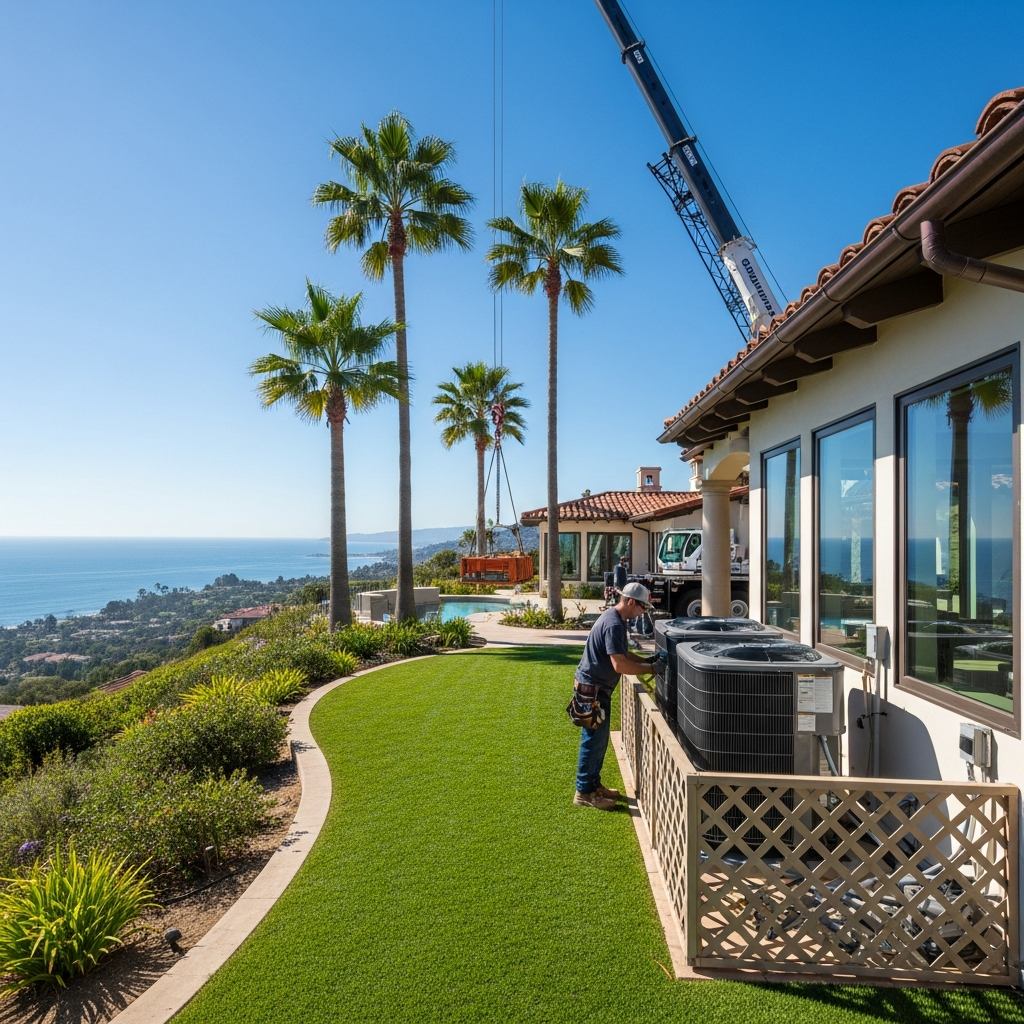
Our location blends sea, sun, and terrain in a way that makes cookie-cutter installs impossible. On the beach side, salt mist and onshore winds challenge the longevity of outdoor components. I often recommend condenser models with coastal-rated coils and corrosion-resistant finishes, and I pay special attention to mounting hardware and fasteners. Up in the canyons, access can be tricky. Narrow driveways, steep slopes, and long line-set runs alter the plan. A system may need a crane for safe placement, or creative routing to avoid heat-prone attic zones. All of this has implications for labor time, materials, and coordination—details that change the shape of a proposal even if you never see a line item for them.
Then there’s noise. Malibu is a sanctuary, and many clients are sensitive to the sound of outdoor equipment during dinners on the patio or quiet mornings with the newspaper. Low-sound condensers, vibration isolation pads, and carefully chosen placement all matter. Sometimes we even create custom lattice screens or plantings to break up any sound pathways. While aesthetics and acoustics aren’t the first things people think of when they start planning a new system, they’re essential to living with it comfortably every day.
Home Construction, Ducts, and Attics
Malibu homes range from mid-century ranches to newly built estates, with everything in between. Attic insulation depth, roof ventilation, and the quality of existing ductwork are often the biggest variables. Aging ducts can leak conditioned air into the attic, starve rooms of airflow, and cause the system to run longer than it should. When we test ducts and find leakage, sealing or replacement becomes part of the scope. In some homes, soffit chases and crawlspaces create better routes than the attic; in others, a duct redesign with larger returns or additional supply registers corrects long-standing comfort issues.
Return air is another subtlety. Many older homes have a single small return in a hallway or living room. Modern systems prefer generous, well-placed returns to keep static pressure low and airflow smooth. That can mean enlarging a grille, adding a second return, or relocating one entirely. None of those steps are dramatic, but they each contribute to how the final installation plan takes shape and how the home feels on a hot afternoon staring out toward Zuma.
Right-Sizing and Design Standards
Right-sizing is the backbone of any good installation. In Malibu, I insist on a full Manual J load calculation for new systems rather than rules of thumb. Window orientation, glazing type, shading from coastal oaks, ceiling height, and insulation values all feed the numbers. From there, Manual S helps select the equipment, and Manual D guides duct design. The reward is even temperatures and quieter operation, with no more of those chilly living rooms and warm bedrooms that plague homes where a contractor sized the system only by square footage.
California’s Title 24 energy standards add another layer of rigor. Sealing and testing, proper refrigerant charge verification, and HERS inspection requirements keep everyone honest. While the paperwork and verification steps add time to the project, they protect homeowners and ensure the system performs as promised. I find that when clients know about these standards up front, they understand the timeline and have better expectations about coordination, site access, and the scheduling of final checks.
Equipment Choices and Coastal Considerations
Most Malibu homeowners are happiest with variable-speed or two-stage systems. Those compressors ramp gently, maintain steadier indoor humidity, and offer quieter operation—important in open-plan spaces with sliding doors to a deck. For homes close to the water, we add coil coatings and select equipment lines known for better corrosion resistance. I also advocate for carefully chosen air handlers or furnaces with ECM blower motors for efficiency and comfort.
Some clients ask whether a heat pump makes sense. In our mild coastal climate, the answer is often yes. Today’s heat pumps provide dependable heating for our cool nights without the fuel use of traditional furnaces, and they pair beautifully with zoning strategies for larger or more architecturally complex homes. Even if you begin with a cooling-only mindset, hearing how heat pumps operate through our shoulder seasons can be eye-opening—especially for homes where extending gas lines or venting would be cumbersome or visually intrusive.
Placement of the outdoor unit can spark lively discussion. On ocean-facing properties, exposure to windborne salt means setting the condenser where breezes are gentler and rinse-downs are easier. Some hillside lots offer a perfect nook; others demand a raised platform to mitigate debris and standing water. Clearance for service is also essential. I recommend homeowners think about how technicians will access the unit for filter swaps, coil cleaning, and routine checkups, so maintenance remains straightforward year after year.
Electrical and Condensate Details That Matter
Good installations live or die by their details. Electrical service and breaker capacity must be confirmed, and dedicated circuits or disconnect placements chosen for safety and code compliance. Smart thermostat integration and low-voltage wiring need tidy routing through walls or attics. Condensate management matters even more in coastal homes with finished spaces below attics. I like to install secondary drain pans, float switches, and well-routed drain lines with proper slope and cleanouts. You almost never notice these elements when things go well, yet they are the first line of defense against water issues when marine-layer humidity lingers.
Filtration deserves thoughtful selection. Many Malibu homeowners want cleaner indoor air during wildfire season or dusty Santa Ana winds. That could mean high-MERV media cabinets, dedicated return placement, or pairing with air quality accessories calibrated to the home’s unique needs. Every added element has implications for static pressure and blower performance, so they must be designed in from the start, not bolted on after the fact.
Permits, Inspections, and HOA Coordination
LA County permitting is straightforward when you plan ahead. By mapping the scope, selecting equipment matched to the load, and documenting duct sealing or replacement, the submittal and inspection process flows smoothly. If your property sits within an HOA, it helps to share equipment data sheets, sound ratings, and visual mockups before a board review. That reduces back-and-forth and ensures your installation doesn’t become an architectural controversy. A good local contractor anticipates these requirements so your schedule remains predictable.
The day the crew arrives, they’ll move deftly between protecting floors, removing old equipment, and setting new components in place. Expect steady communication as they pressure-test line sets, braze, evacuate, and charge the system per manufacturer specs. Good crews work with a sense of calm choreography, keeping dust contained and tools organized, the kind of professionalism you remember long after the thermostat lights up for the first time.
Understanding Proposals Without Chasing Numbers
When you receive proposals, compare more than model numbers. Look at duct scope, return air improvements, corrosion protections, electrical upgrades, and condensate safeguards. Ask about load calculations and how the team will verify performance at startup. In Malibu, I also pay special attention to how a contractor will protect finishes, manage access on hillside lots, and stage cranes if needed. These are not extras; they’re the hallmarks of a system that will quietly serve you for many summers and fog-kissed fall mornings.
Another point of difference is aftercare. A new installation should come with clear maintenance guidance and a first-year plan. I like to sit with clients and talk through filter intervals, coastal coil rinses, and seasonal checks, so everyone knows what to watch for. If wildfire smoke forces windows shut for days, we talk about temporary filter changes. If sea air builds up, we plan a rinse schedule. Honest, practical steps keep systems running as intended.
Why Communication and Scheduling Shape Your Experience
Malibu’s rhythms are unique. School traffic on Morning View, weekend beach crowds, and canyon closures all affect logistics. I recommend scheduling installations with that context in mind—early crew arrivals, dedicated parking where possible, and communication with neighbors if cranes or large deliveries are planned. Those courtesies and details reduce friction and preserve the peace that draws us all to the coastline in the first place.
In larger projects, I sometimes coordinate with general contractors, electricians, and solar teams so that panel upgrades, roof work, and HVAC placement proceed in the right order. Moving an installation date by even a day can spare drywall repairs or avoid re-running wires. It is always better to discuss these interdependencies up front than to press ahead and hope everything aligns later.
The Midpoint Reality Check
Halfway through an installation, I like to pause with the homeowner, review the plan, and confirm small choices that influence daily living. Thermostat location is one of them. In an open-plan home with abundant glass, sunlight can play tricks on readings, nudging the system to run when the rest of the home is already comfortable. Relocating the thermostat a few feet or choosing a model with advanced room sensors can make a surprising difference. It’s also the perfect moment to talk about future add-ons, like zoning or ventilating for indoor air quality improvements, even if you plan to phase them in later. That shared understanding usually leads to better results and easier decisions, and it’s a good place to revisit how air conditioning interacts with insulation, shading, and window treatments you may be considering.
Maintenance as Part of the Installation Conversation
People often separate installation and maintenance in their minds, but I see them as two parts of the same story. A system designed with easy filter access and clear drain cleanouts will be serviced more reliably. If a condenser is tucked into a tough corner or hidden behind planters, it may not get rinsed as often as it should. By planning for future care during installation, we protect your investment and avoid frustration later. Malibu’s blend of sun, salt, and seasonal smoke means your equipment appreciates a little extra attention, and designing for that from day one is never a bad idea.
Smart controls can also extend performance. Thermostats with learning features and geofencing are useful when your schedule changes with tide charts or school pickups. Gentle ramp-up cooling before you arrive saves energy and keeps spaces consistently comfortable, rather than blasting cold air only after you walk in the door. Remote alerts help you address small issues before they become inconvenient, like a condensate switch tripping or a filter overdue for replacement.
What to Expect Right After Startup
The first days with a new system often reveal small preferences. Maybe you prefer a slightly different fan profile, or you notice a room that cools a touch faster than its neighbors. Modern systems are remarkably tunable, and I encourage a brief follow-up visit to dial things in. Tweaking blower speed, recalibrating the thermostat, or adjusting a supply register can fine-tune comfort. These are the thoughtful touches that make a home feel like it was always meant to be conditioned, not retrofitted.
Over the first season, pay attention to how your home feels during marine layer mornings and bright, breezy afternoons. Malibu’s days can swing from cool to warm quickly. If you ever feel like the system is “chasing” comfort instead of anticipating it, bring it up. Sometimes a small programming change solves it; other times we add a return or adjust duct balance for an even quieter, more even result.
Frequently Asked Questions
Q: Why do two similar-sized Malibu homes end up with different installation scopes? A: Microclimate, duct condition, access, and coastal exposure drive differences. One home might need duct redesign and corrosion mitigation, while another needs only a straightforward equipment swap. Right-sizing, placement, and code requirements finish shaping the plan.
Q: Do I need permits for a new system? A: Yes. LA County requires permits, and Title 24 standards guide duct sealing, charge verification, and performance checks. A HERS rater may verify certain aspects. Good contractors manage this process for you and schedule inspections at the proper milestones.
Q: Is a heat pump a smart choice in Malibu? A: In our mild climate, heat pumps make excellent sense for efficient cooling and comfortable shoulder-season heating. They pair well with zoning and deliver quiet, consistent performance that suits open-plan living spaces.
Q: How do I protect outdoor equipment near the ocean? A: Choose coastal-rated components, apply protective coil coatings, rinse coils periodically, and select a placement that reduces direct exposure to windborne salt. Proper clearances and service access make maintenance easier and more effective.
Q: What about indoor air quality during wildfire season? A: Plan for higher-MERV filtration, accessible returns, and a serviceable filter cabinet. Consider supplemental air cleaning strategies sized to the home, and remember to increase filter checks during heavy smoke events.
Q: How long does a typical installation take? A: Timelines depend on scope. Straight swaps move quickly, while projects involving duct replacement, electrical work, or challenging access take longer. Clear communication and scheduling keep everything moving efficiently.
Q: Can I add zoning later? A: Often, yes. It helps to design with future zoning in mind—return placement, damper-ready trunks, and control wiring. Discussing this during the initial plan simplifies upgrades later.
Your Next Step
If you are weighing installation details for a Malibu property—whether you overlook Surfrider or nestle into a canyon—start with a conversation that puts design, placement, and long-term care at the center. Ask for a proper load calculation, demand clarity about ductwork and electrical, and make sure coastal realities are part of the plan. When you are ready to map your options in plain language and see what a carefully designed system can do for your comfort, reach out to a trusted local pro, and explore how modern air conditioning can make every room feel like a retreat.