
Malibu’s coastal rhythm is a gift—soft fog in the mornings, ocean glitter by afternoon, and breezes that slide down the canyons at dusk. That same rhythm, laced with salt and moisture, asks your cooling system to work with more finesse than it would inland. Smart, steady care keeps equipment quiet, efficient, and ready for the days when glassy rooms soak up sun and upstairs bedrooms cling to late-day warmth. Consider these maintenance insights a local’s companion to living well by the water, starting with an introduction to how air conditioning care aligns with Malibu’s seasons and architecture.
Here, the goals are simple: keep the system breathing freely, protect it from the ocean’s chemistry, and let it run long, low cycles that dry the air without overcooling. You don’t need to obsess—you just need a rhythm that matches the coast. When care is consistent, comfort feels effortless, and equipment lasts longer despite the salt-kissed air.
Filters: the lungs of the system
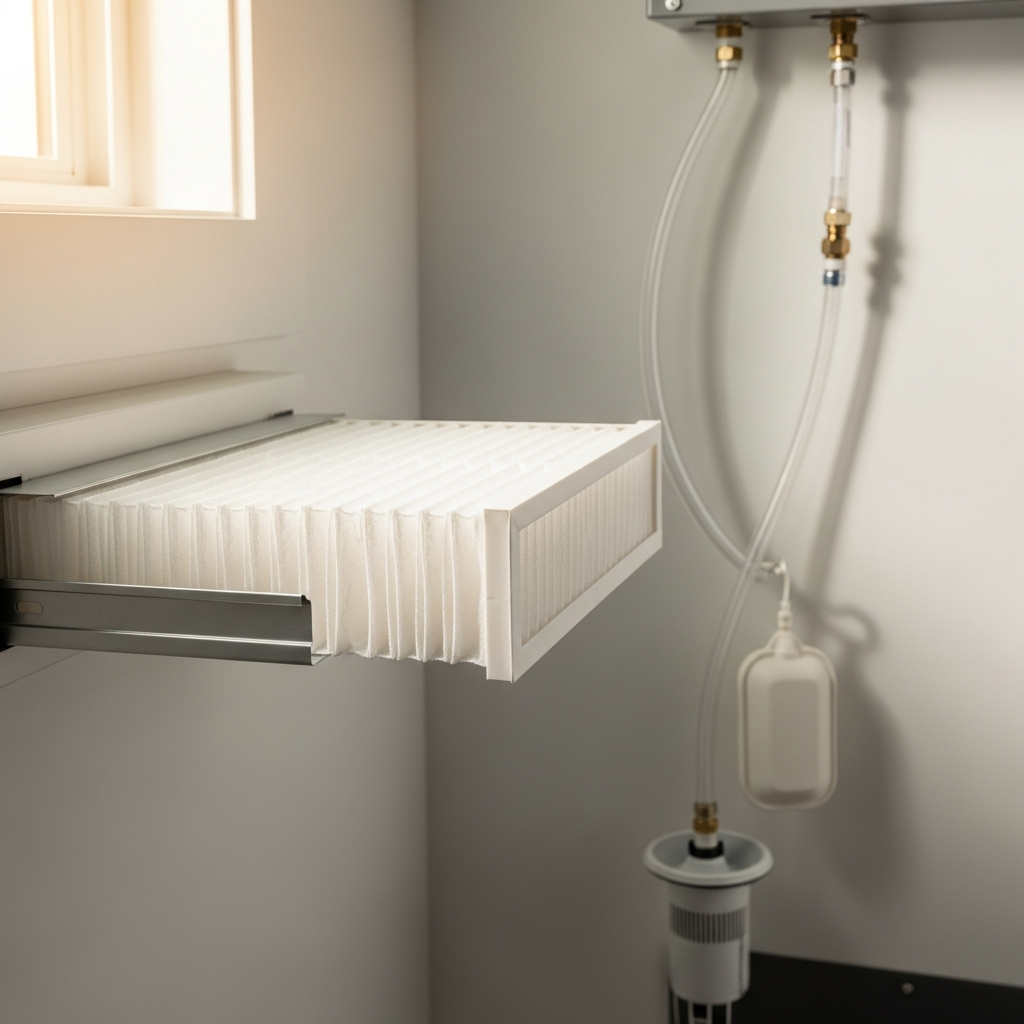
Summer means doors opening and closing, beach gear crossing thresholds, and pollen drifting on breezes. Filters capture that extra load, keeping coils and ducts clean and air fresh. In Malibu, checking filters more frequently than standard guidance is wise—especially during active summer months and after windy spells. Choose filters that strike a balance between efficiency and airflow; overly restrictive options can strain fans and reduce dehumidification by starving coils of warm air to condense.
Make filter checks part of your monthly routine in summer, with replacements as needed. In quieter months, stretch intervals slightly but don’t ignore them. A clean filter is the simplest, most cost-effective insurance for comfort and longevity.
Gentle condenser rinses after salty days
Outdoor units near the ocean act like magnets for salt microcrystals. Left alone, salt binds to fins and invites corrosion, reducing heat transfer. After gusty afternoons or when you can literally taste salt in the air, give the condenser a gentle freshwater rinse. Aim for a light shower that lifts residue without folding fins—no pressure washers. Let landscaping breathe around the unit, keeping at least a couple of feet of clear space for airflow and to prevent trapped moisture. This small ritual pays back with quieter operation and steadier performance.
Also watch for debris—grasses, leaves, or windblown grit—that can collect around the base. A quick tidy helps airflow and discourages pests from claiming the cozy space beneath the cabinet.
Mind the condensate line
When the marine layer pays a long visit, your system condenses plenty of water. That moisture heads down a drain line that can, over time, harbor algae and biofilm. Build a simple habit: periodic flushes using a safe cleaning approach and visual checks for steady flow. If your air handler sits above a finished ceiling, ensure the secondary pan and float switch are in good shape—small safeguards that protect big investments in finishes and furniture.
In older homes or remodels, verify the line’s slope and support. Gentle, continuous pitch and minimal elbows reduce places where sludge can collect. Accessibility matters; cleanouts that are easy to reach turn a chore into a quick win.
Respect Malibu’s microclimates with zoning care
From El Matador to Malibu Colony, no two homes see the same conditions. Upper floors tend to store late-day heat, while shaded rooms at ground level may lean humid. Zoning thrives on this variety, but it also benefits from attention. Confirm that each zone’s sensors are placed correctly—away from drafts and direct sun—and that schedules reflect how you live now, not how you lived last year. Gentle pre-cooling in upper-floor bedrooms during late afternoon often prevents a heavy nighttime pull that can overcool other spaces.
Listen to your home. If a room routinely lags, it might need a diffuser tweak or additional return path rather than a thermostat nudge. Maintenance is as much about observation as it is about tools.
Keep returns and supplies free and thoughtful
Open-plan homes can tempt us to place furniture wherever it looks best, but registers and returns need breathing room. Avoid placing tall furniture or thick drapery directly over supplies, which can cause uneven cooling and noise. Returns benefit from a clear path so air circulates from tucked-away corners and closets where moisture tends to linger after foggy mornings. Think of airflow like a quiet tide moving through the home—it needs pathways to be smooth and clear.
During seasonal deep cleans, vacuum registers and returns to keep dust from drifting into ducts. Small attentions like these compound into a fresher feel throughout the house.
Coastal hardware and protective measures
Equipment destined for the coast should arrive armored: coil coatings, corrosion-resistant fasteners, and cabinets designed to shed water. If your current setup lacks these features, retrofits may help—protective coatings, hardware swaps, and strategic shields that quiet wind without starving airflow. During service, ask for a check of cabinet seams and fasteners; replacing a few vulnerable components now prevents noisy panels and premature rust later.
Pad height and anchoring are also worth a look. Raised, well-drained pads keep units above pooled water, and secure anchoring prevents movement during gusts that could stress line sets and electrical connections.
Shading and glass management
Malibu’s love affair with glass demands coordination between shading and cooling. Motorized shades or thoughtful drapery reduce radiant spikes so the AC can hum along in low, quiet modes. As part of maintenance, test shade schedules seasonally, adjusting for the angle of the sun and foliage changes. A few minutes of shade calibration can shave hours of hard cooling across the season.
Clean glass also makes a difference. Dust and salt film trap heat; sparkling windows reflect a bit more sun and help the home feel brighter and cooler with less mechanical effort.
Ventilation and indoor air quality
Summer invites the outside in—along with fine salt, pollen, and the aromas of an active household. Maintenance for air quality means timely filter care, yes, but also verifying that any dedicated ventilation is balanced and that fresh-air intakes are clean and clear. If your system includes purification elements, check lamps or media at recommended intervals so they continue to do their quiet work in the background.
Pay attention after windy days. If the home smells a bit stale or dusty, a longer, low-speed circulation period with filtration prioritized can refresh rooms without needing to drop the temperature dramatically.
Listen for changes; trust the small signals
Mechanical systems speak in patterns. A new hum by the condenser, a faint gurgle near a drain, or a room that suddenly feels a step behind are small flags asking for a look. In Malibu’s salt air, early attention wins. A quick rinse, a tightened panel, or a cleared line often restores the even-keeled demeanor you expect from your system. Maintenance isn’t a calendar event so much as a relationship: you notice, you respond, and the system returns the favor.
For those with app-connected equipment, review trend data monthly. If a zone begins to call for more cooling earlier each day, solar gain or shade timing may have shifted. Adjusting carries the same satisfaction as tuning a musical instrument—you feel the home click back into harmony.
Seasonal tune-ups aligned with the marine layer
Schedule deeper service with Malibu’s rhythm in mind. A spring check positions the system for fog-heavy mornings and the first bright days of the season. A late-summer review catches salt buildup and ensures drains run free ahead of fall’s cool, dry breezes. Service that attends to coil condition, electrical connections, fan performance, and control calibration keeps every component in concert.
Be sure technicians verify duct integrity. Even small leaks pull in attic or crawlspace air you don’t want—especially near the coast. Sealed ducts preserve air quality and keep the system’s gentle, low-speed personality intact.
Protect quiet as a feature
One of the greatest luxuries in Malibu is silence underlying the ocean’s rhythm. Maintenance that protects quiet is maintenance that protects lifestyle. Verify that outdoor units sit on resilient pads, that cabinet panels are tight, and that indoor returns aren’t whistling for lack of free area. If noise has crept in, it often points to airflow obstructions, a fan needing cleaning, or a panel that has begun to vibrate with gusts.
Indoors, dusting or vacuuming supply grilles can reduce sibilant noise. If sound persists, a diffuser with a different throw pattern may serve the geometry of your room better—small changes that restore calm.
Plan for remodels and rearrangements
Malibu homes evolve—new glass walls, reimagined kitchens, an office carved from a guest room. When spaces change, invite your cooling plan to change with them. During remodel planning, consider where returns and supplies will live in the new layout, how shading will interact with afternoon sun, and whether a slim ducted or ductless addition could bring precision to a new lounge or studio. Maintenance, in this sense, is proactive design—it keeps comfort woven through the life of the house.
Even furniture rearrangements merit a glance at airflow. A credenza placed against a return or a new sectional over a floor register can tip the balance; a quick repositioning brings the room back into tune.
Frequently Asked Questions
Q: How often should I change filters by the ocean?
A: Check monthly during busy summer months and after windy spells. Replace when you see visible dust or if airflow feels reduced. In calmer seasons, intervals can stretch, but consistent checks are still your best ally for clean air and steady performance.
Q: Is rinsing the outdoor unit safe?
A: Yes—gently. Use a light freshwater rinse to lift salt and dust. Avoid pressure washers and aggressive sprays, which can bend fins. Let the unit dry naturally and keep vegetation trimmed for clear airflow.
Q: My upstairs bedrooms are always warmer. What’s the maintenance angle?
A: Ensure the upstairs zone schedules pre-cool lightly in late afternoon, confirm supply and return paths are clear, and verify diffuser throws. Sometimes a minor balance adjustment or added return path unlocks even temperatures without major work.
Q: How do I keep the condensate line from clogging?
A: Provide a gentle slope, minimize elbows, and include accessible cleanouts. Periodic flushes and a quick look during tune-ups prevent buildup. Secondary pans and float switches add a protective layer under air handlers above finished spaces.
Q: Are coil coatings worth it?
A: Along the Malibu coast, yes. Coatings slow corrosion from salt, extending coil life and preserving efficiency. Paired with light rinses and mindful placement, coatings are a cornerstone of coastal longevity.
Q: What’s one simple habit that pays off most?
A: Listening. If sound or feel changes, peek at filters, look at the outdoor unit, and check drains. Small, timely actions keep systems poised and prevent minor issues from growing.
Your home should feel as composed inside as the horizon looks outside. With a few steady habits, you can keep cooling quiet, crisp, and ready for the bright days ahead. If you’d like a maintenance plan tuned to your microclimate and architecture—from filter strategies to coil care—reach out and let’s talk about air conditioning that supports Malibu living at its best. When the ocean sets the rhythm, your home can keep perfect time.