
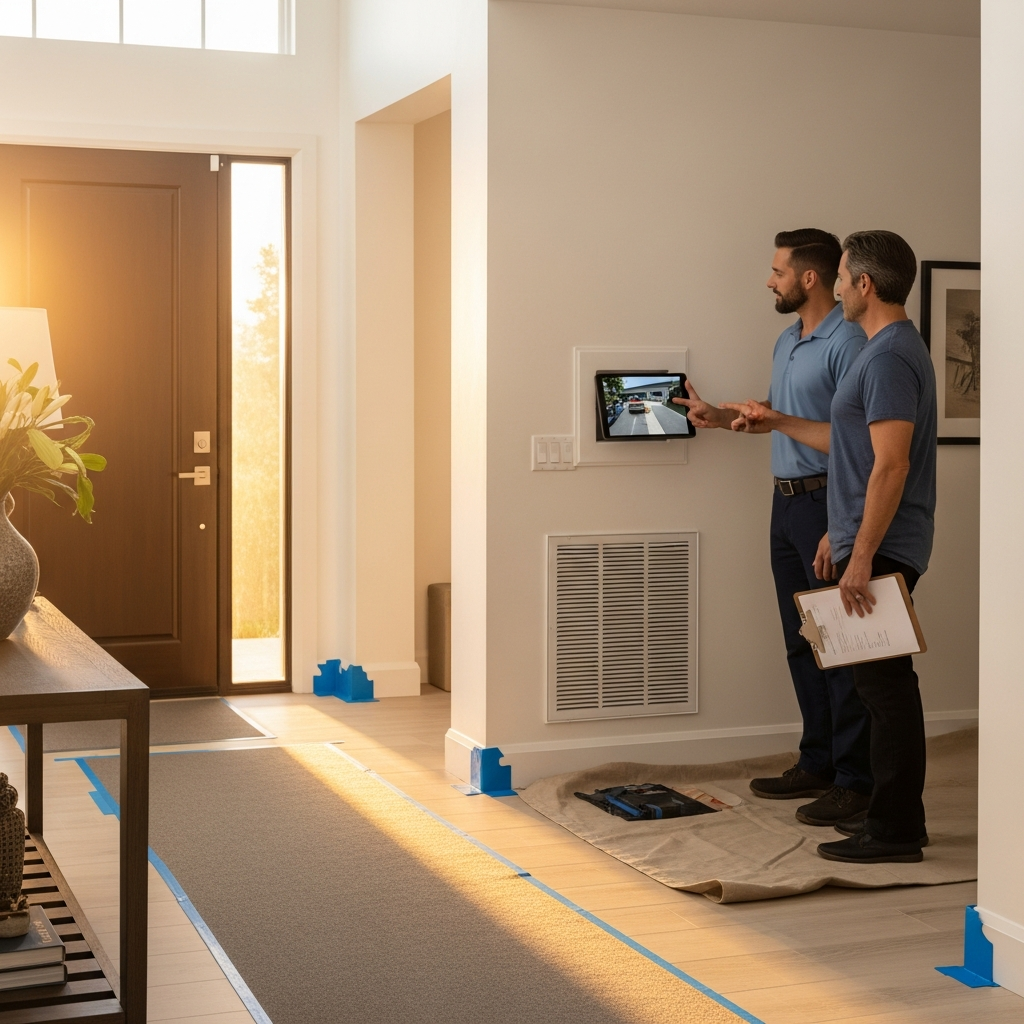
Selecting the right partner to care for your home’s ductwork in Malibu is about more than picking the first company that answers the phone. Our town stretches from windswept canyons to oceanfront lots, and homes here present a mosaic of architectural styles—open-beam ceilings, glass-heavy great rooms, tucked-away mechanical closets, and guest houses down exterior stairs. The crew you invite in needs more than equipment; they need judgment, finesse, and a deep respect for how people live along this slice of coast.
As a starting point, take a moment to ground yourself in what a comprehensive service includes by exploring air duct cleaning fundamentals. With a clear picture of best practices, you can evaluate candidates confidently and ask the questions that reveal real expertise.
Local experience matters
Malibu homes are not cookie-cutter. A company that knows the difference between a townhome off Heathercliff Road and a hillside estate above Big Rock will plan access differently, bring the right hose lengths for exterior stairs, and protect finishes that are common in our market—plaster, limestone, custom millwork, and wide-plank flooring. Ask prospective teams which neighborhoods they have served recently. If they can speak to working in Point Dume, Broad Beach, Malibu Colony, and Latigo Canyon—each with distinct access realities—that is a strong sign they understand local conditions.
Training, licensing, and insurance
Verify that the provider carries appropriate insurance for working inside high-value homes and that staff are trained to use negative-air equipment and agitation tools properly. In California, many companies pair duct cleaning with HVAC service; if additional work is recommended on the blower or coil, it should be performed or overseen by a technician qualified to do so. Request documentation. A reputable firm will gladly share details and explain how they protect both your home and their team.
Equipment and methodology
The best crews arrive prepared to tailor methods to your system: soft agitation for flex, contact brushing for rigid metal, and careful handling of older ductboard. Look for HEPA-filtered negative-air machines, point-of-contact vacuums for detailed work at registers, and video inspection tools to verify results. Ask how they contain dust and protect pathways—corner guards, floor coverings, and grille cleaning protocols should be standard. If a provider is vague about their setup or cannot explain how they will protect your finishes, keep looking.
Transparency and documentation
Before the first register is opened, you should know exactly what areas will be addressed and in what order. During the visit, technicians should be willing to show you camera views or still images from inside the ducts, and to point out any issues like crushed runs or poor sealing at boots. Afterward, expect a brief write-up with images, notes about any access openings created, and confirmation of how those were sealed. This sort of documentation is especially valuable if you later engage an HVAC contractor for improvements.
Respect for your routines
Life here often includes remote work, young families napping mid-day, or dogs that prefer a quiet corner. A considerate team sequences noisier tasks away from your office during calls, closes gates to keep pets safe, and coordinates hose runs so you can still move through the house. This level of thoughtfulness often correlates with better technical execution; a company that plans the human side well usually plans the technical side well, too.
Ethical recommendations
Beware of anyone promising miracle cures or pushing heavy fragrance applications under the banner of sanitation. In Malibu’s humid, salt-rich environment, genuine deodorizing or sanitizing has its place—after smoke events, for instance—but it must be measured and transparent. Products should be appropriately registered for HVAC use, ingredients readily available, and application done under negative pressure. The right provider will explain options, not sell fear.
How many people and how long
Ask how many technicians will arrive and how the day will be sequenced. Two well-trained techs can move efficiently through most homes, setting up containment, addressing supply runs from the furthest branch back, and then focusing on returns and the air handler. Large estates or homes with multiple systems may warrant a larger crew. Understanding crew size and flow helps you plan around noise and access in spaces you want to keep quiet.
Midway through your selection process, it helps to revisit what a complete job looks like so you are not swayed by a cut-rate approach that skips essentials. If you need a quick refresher, return to the core components of professional air duct cleaning and use that checklist to guide your questions: containment, negative pressure, appropriate agitation, protection of finishes, and clear documentation.
Red flags to watch for
Vague scopes, “whole house” specials that seem too good to be true, and reluctance to show you what is inside your ducts are all signs to pause. Another caution: a technician who proposes creating large access openings without explaining how they will be sealed to code after the work. In our community, where architecture often exposes mechanicals to living spaces, aesthetic and functional integrity matter. Insist on patches and seals that are durable and discreet.
Post-service guidance
The right company will leave you with more than clean ductwork—they will leave you with a plan. Expect recommendations on filter type and change frequency tailored to your location—beachfront, canyon, or inland—and lifestyle factors like pets and open-window living. They may note opportunities to improve return sizing, seal leaky transitions, or reroute a crushed section discovered behind a knee wall. This guidance is gold in Malibu, where coastal conditions constantly test building systems.
Frequently Asked Questions
Is industry certification essential when choosing a provider?
Formal training and adherence to recognized standards are strong indicators of competence. Ask providers to explain the training their technicians have completed and how their methods align with best practices. The ability to articulate process and protection measures is just as important as a certificate on the wall.
What tooling approach is best—brushes, air whips, or both?
It depends on your duct material and condition. Flex duct benefits from gentle agitation and air sweeping, while rigid metal tolerates contact brushing. Many providers use a combination to match mixed systems common in Malibu builds. The key is judgment and a light touch where materials require it.
Do I need attention to the blower compartment as well?
If accessible and safe to service, a careful vacuuming and wipe-down of the blower compartment can be beneficial, particularly if returns have carried in dust, ash, or pet hair. Evaporator coil cleaning is a separate service and may be suggested if airflow is restricted or if visual inspection shows buildup.
How far in advance should I book during busy seasons?
During post-fire periods and ahead of holidays, calendars fill quickly. Booking a few weeks in advance increases your chances of securing a preferred date and allows the provider to plan for any special access or HOA rules unique to your property.
When you are ready to invite a careful, Malibu-savvy team into your home, choose a partner who will protect your finishes, communicate clearly, and deliver the calm, refreshed airflow you notice the moment you exhale. Start by aligning on the essentials of air duct cleaning and schedule your visit with a provider who treats your home like the coastal retreat it is.