
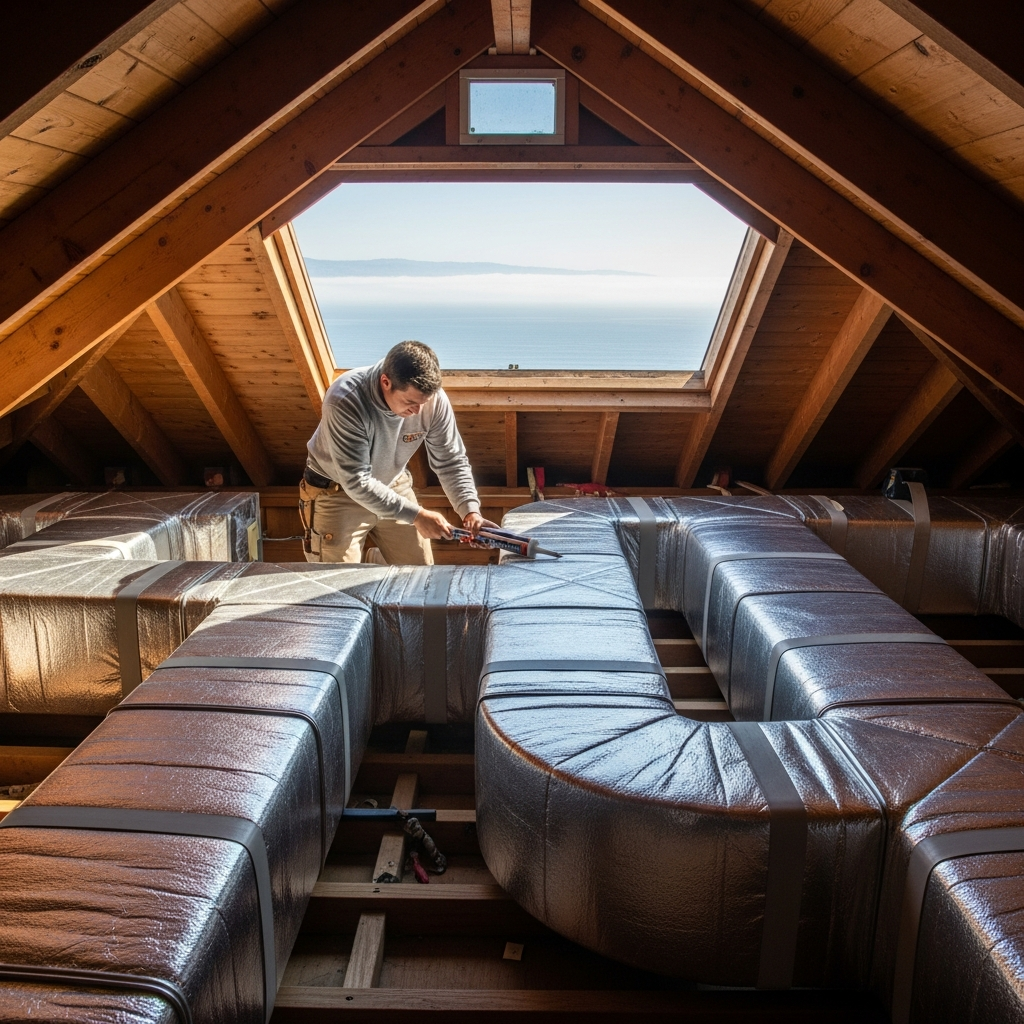
The first thing you notice living by the Pacific in Malibu is that the air tastes like the ocean. It is bright, salty, and often breezy, and it carries a refreshing coolness most mornings when the marine layer rolls in. That same ocean-kissed air, however, is not as kind to the hidden infrastructure inside your home—especially the ductwork that moves conditioned air from your HVAC system to bedrooms, living spaces, and tucked-away work nooks. Over time, salt, moisture, and wind-driven grit accelerate wear inside ducts, creating comfort problems you can feel and inefficiencies you end up paying for on energy bills. That is why, for many coastal homes here, duct replacement is not just a repair task; it is a strategic upgrade tailored to Malibu’s unique environment.
When I walk into a cliffside property off the Pacific Coast Highway or a beachside bungalow near Point Dume, I look for three signatures of coastal life: corrosion, condensation, and infiltration. Corrosion shows up as pitting in metal, weakened seams, or rust stains where salt has done its patient work. Condensation appears on or within ducts that lack proper insulation or vapor barriers, especially when cool supply air meets our humid mornings. Infiltration is the uninvited guest—wind-blown sand, sea spray residue, and fine dust that enter through leaky connections. A comprehensive duct replacement addresses all three at once by upgrading materials, sealing practices, and routing to match the home’s specific layout and usage patterns.
Why coastal conditions make older ducts struggle
Malibu’s coastal microclimate sees daily swings between cool, moist mornings and warm, sunlit afternoons. Older ducts, especially those installed decades ago, were not designed with these cycles in mind. Insulation can compress or pull away, flexible duct can kink, and metal transitions can loosen under thermal expansion and contraction. You might notice symptoms such as one room never quite cooling down, musty or salty odors, or a persistent film of dust on surfaces even after a thorough cleaning. The problem is rarely just at the register; it is often inside the network of runs hidden in the attic, crawlspace, or between floors.
Replacing ducts allows for a fresh approach to airflow. In practice, that means recalculating sizing for each room, simplifying long or convoluted routes, and using modern sealing methods so the air you pay to condition actually reaches your living areas. It also means selecting materials that stand up better to salt and moisture, and adding insulation that maintains its R-value over time. In Malibu, I look for robust vapor barriers, higher R-values for attic runs, and fastening systems that remain tight during our Santa Ana events and the occasional seismic jolt.
Comfort you can feel in every room
Homeowners often describe comfort in emotional terms: a quiet bedroom that cools quickly after a beach day, a living room where evening gatherings do not require a sweater in July, a home office that does not roar when the AC runs during a video call. Duct replacement brings those everyday experiences within reach. Proper routing reduces static pressure, which helps the system operate more quietly and efficiently. Correctly sized runs balance airflow, so second-story rooms exposed to afternoon sun are no longer a league hotter than shaded downstairs spaces. With the right design, you get a home that feels even and calm, regardless of what the ocean breeze is doing outside.
The benefits are often immediate. Once leaks are eliminated and supply and return paths are balanced, you can feel steadier temperatures within days. Because the equipment is no longer fighting against leaks and restrictions, it tends to cycle more gently. That, in turn, reduces wear on motors and can extend the service life of the HVAC system itself. In homes with special rooms—a gym over the garage, a gallery with delicate materials, or a screening room—precise airflow makes the difference between constant fiddling with settings and a set-it-and-forget-it experience.
Indoor air quality improvements tailored to the coast
We all treasure Malibu’s sea breeze, but we do not want ocean salt, pollen, wildfire smoke particulates, or wind-borne dust recirculating indoors. Tight, well-insulated ducts reduce the pathways for contaminants to sneak in. During a replacement, it is common to add or relocate returns, which helps air move more smoothly and allows filters to do their job better. In many homes, returns are undersized or poorly placed; correcting that during duct work can reduce the background dustiness that people often mistake for “coastal living.”
In coastal zones, I also pay attention to condensation management. When ducts pass through cooler spaces like shaded crawl areas or a breezy attic with thin insulation, condensation can chew away at duct jackets and harbor odors. With a modern replacement, vapor barriers are continuous, seams are sealed, and transitions are insulated to avoid cold spots. As a result, the air smells fresher, and surfaces stay cleaner. You are not just moving air—you are moving cleaner, drier air that feels better on the skin and in your lungs.
Energy efficiency that respects Malibu architecture
Energy efficiency is not just a number on a label. In Malibu, we respect the architecture—low-slung midcentury lines, glass walls framing the ocean, carefully concealed soffits and mechanical rooms hidden from sight. A thoughtful duct replacement works with those constraints. Shorter, straighter runs require less fan energy. Smooth-backed registers and well-placed returns reduce turbulence. And for homes with architectural ceilings or limited attic access, low-profile fittings and compact plenums preserve the design while delivering the airflow you need.
Homeowners often see energy savings after replacement because leakage is reduced and the system no longer compensates for losses with longer run times. While every property is different—beach cottages, hillside estates, and townhomes all have their quirks—the common thread is that a well-sealed duct network wastes less. That means a quieter home, a lighter environmental footprint, and equipment that breathes easier in every season.
Materials and methods that stand up to salt and sun
Not all ducts are created equal, and on the coast, materials matter. Metal components benefit from corrosion-resistant coatings and gaskets that hold tight under salty conditions. Flexible ducts, when used, should be supported properly to prevent sagging, and insulated to today’s higher standards to fend off radiant attic heat. The connections—the elbows, takeoffs, and boots—are where craftsmanship shows. Meticulous sealing with modern mastics and tapes rated for the environment ensures that the joints you cannot see will not be the ones you later hear whistling.
Another underappreciated detail is how ducts are supported. In attics that heat up under midday sun, flimsy strapping can dig into insulation wraps and deform the duct over time. Upgraded supports distribute weight, preserve roundness for airflow, and resist humidity. In coastal crawlspaces, stands and hangers should keep ducts elevated and dry, away from ground moisture and the occasional splash when storms are heavy. These are the kinds of choices that separate a quick fix from a coastal-ready system built to last.
Planning the project around Malibu life
Good projects start with listening. I like to ask how each space is used across the day, where the family congregates, and which rooms are too loud or too slow to cool. With that map in mind, the duct design becomes a series of practical decisions that reflect your lifestyle. Morning sun in the kitchen? Afternoon homework in the upstairs den? Guests on weekends in a garden-level suite that stays cool and damp? Each story you tell becomes a clue for sizing and routing.
During the replacement, we work around your calendar to minimize disruption. Malibu homes often have finishes and details that deserve respect, so we coordinate carefully with any other projects, from roofing work to window upgrades. Communication is key: you will know which areas are being worked on, how long runs will take, and what to expect when the system is tested. When it is done, you should not just see new ducts. You should feel a home that responds quickly, runs quietly, and smells clean.
The quiet dividend: acoustics done right
Coastal homes are meant to be serene. You can hear the ocean at night and the rustle of palms in the afternoon wind. A well-executed duct replacement enhances that quiet. Balanced airflow means registers do not hiss. Smooth transitions quell rumble. Thoughtful placements of returns reduce droning near bedrooms and workspaces. When acoustics are addressed in the design, your system fades into the background, allowing the natural soundscape to take center stage. For homeowners with home theaters or meditation rooms, the difference is especially noticeable: your space becomes a refuge rather than a place to negotiate with the HVAC system.
Resilience for wildfire smoke and windy weeks
Unfortunately, coastal living does not shield us from wildfire smoke events, and wind can carry particulates far and fast. Tight ducts are essential when the outdoor air is compromised. After replacement, it is easier to maintain cleaner indoor air because infiltration pathways are reduced. Many homeowners coordinate filter upgrades and improved return placement at the same time, creating a holistic defense against poor air days. When the winds kick up, you can close up, run the system, and trust that it is circulating cleaner, properly filtered air within a sealed network.
Mid-project reflections and the value of precision
Midway through a typical Malibu replacement, you can see the transformation: smoother routes, sturdier supports, and a disciplined order to what once looked like spaghetti. This is where precision pays off. A calculated elbow here eliminates a noisy bend there. A resized return reduces static pressure for the whole system. And installing modern dampers during the process makes future balancing faster and more accurate. At this stage, homeowners often ask whether upgrading the equipment is necessary. The truth is that many systems perform dramatically better once the air distribution is corrected. This is why it is smart to evaluate duct replacement on its own merits first; airflow is the foundation that allows any equipment—existing or new—to shine.
What to expect after the work is done
After replacement, the commissioning process matters. We measure airflow at key registers, confirm static pressure at the air handler, and verify that supply and return temperatures track with design expectations. This step turns a good installation into a great one, ensuring that the real-world performance matches the plan. You will notice doors no longer slam when the system turns on, fewer drafts near hallways, and more stable temperatures in rooms that were once problematic. Over the following weeks, many homeowners find themselves turning the thermostat less frequently, because the system simply keeps up.
From there, maintenance is straightforward. Keep filters on schedule, have the duct system visually checked annually for any signs of disturbance, and keep attic or crawl areas clean and dry. In our coastal climate, a quick look before and after the Santa Ana season is a wise habit. With that attention, a modern duct system will continue to protect comfort, efficiency, and air quality for years.
Frequently asked questions
How do I know my ducts are the problem and not the HVAC equipment?
Uneven room temperatures, persistent dust, and noise at the registers often point to duct issues. During an assessment, we measure static pressure, inspect for kinks and leaks, and evaluate return sizing. Many systems regain performance when the distribution side is corrected, even without changing the air conditioner or furnace.
Will new ducts really make the home quieter?
Yes. Properly sized and routed ducts reduce turbulence, and sealed joints prevent whistling. Strategic return placement also lowers background noise in bedrooms and offices. The improvement is often immediately noticeable.
Are there materials better suited to the Malibu coast?
Corrosion-resistant metal components, robust vapor barriers, and high-quality insulation wraps are smart choices. The key is a system approach: quality materials, correct supports, and meticulous sealing that stands up to humidity and salt.
Can duct replacement help during wildfire smoke events?
Absolutely. Tighter ducts reduce infiltration, and upgraded return placement helps filters protect indoor air more effectively. With a sealed system, you can run the HVAC to maintain cleaner conditions when outdoor air quality dips.
How long does a typical project take?
Most homes can be completed within several days to a week, depending on complexity, accessibility, and whether architectural constraints require custom fittings. Clear communication keeps the process smooth and predictable.
Do I need permits or inspections?
Duct replacement generally falls under mechanical permitting, and inspections verify that the work meets code and performance standards. A reputable contractor will handle permitting and schedule inspections for you.
Will I need to leave the house during the work?
Not usually. We coordinate access room by room, protect finishes, and keep pathways clear. You will be informed of any noisy stages so you can plan around work calls or quiet time.
Ready for a calmer, cleaner, more efficient home
If you are living with rooms that never quite feel right, or if you are simply ready to make your coastal home as comfortable as the views deserve, now is the time to act. Let a local specialist evaluate the airflow, sizing, and sealing inside your walls and attic, and build a plan that respects your architecture while elevating everyday comfort. For tailored guidance and a system designed for Malibu’s salt air, shifting winds, and bright sun, explore your options for duct replacement and schedule a visit. The ocean can shape our days without defining our indoor comfort—your home can feel as good as it looks.