
The day your new system hums to life, you feel it immediately—the great room no longer overheats when the sun slides across the glass, bedrooms stay restful through foggy mornings, and the house exhales a level, quiet cool. In Malibu, where salt air and microclimates put every mechanical system to the test, protecting that feeling is all about maintenance. The best time to think about care is right after air conditioning installation, when details are fresh and routines can be set with Malibu’s conditions in mind.
Maintenance isn’t complicated, but it does benefit from rhythm and intention. When we match tasks to the seasons and the coast’s quirks—marine layer mornings, Santa Ana winds, and the occasional smoky day—your system rewards you with steady comfort, low noise, and a long service life. The goal is to keep performance close to day-one levels while avoiding surprises that interrupt your week or put finishes at risk.
Start With What the Coast Teaches
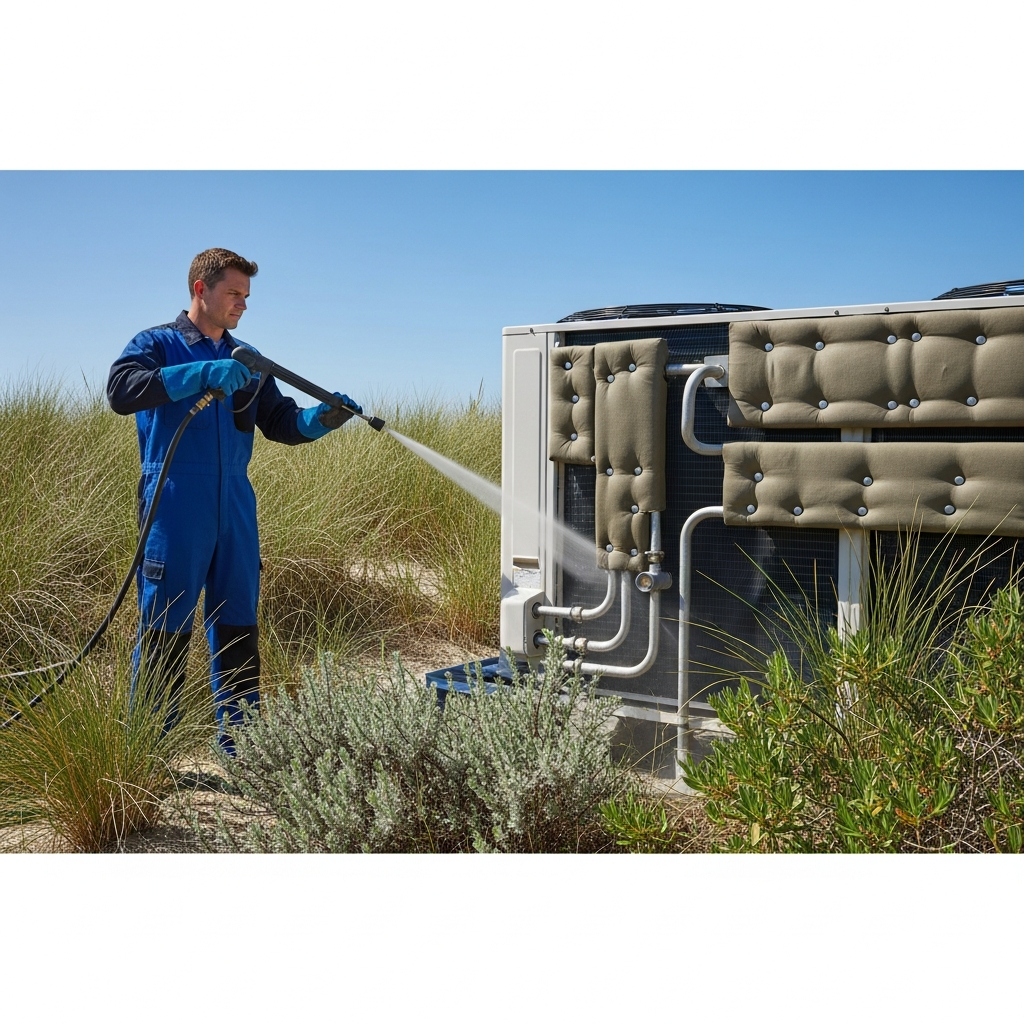
Salt air is Malibu’s quiet stress test. It lands on outdoor coils and hardware, especially within a mile or two of the shore, and invites corrosion. The simplest habit is a gentle periodic rinse of the outdoor unit to remove salt film during heavy marine conditions. We also keep irrigation away—sprinklers accelerate corrosion and can lodge mineral deposits where you least want them. Trimming landscaping preserves airflow and keeps leaf litter from building up around the base. During installation, we aim for coastal-rated coils and non-corrosive fasteners; maintenance completes the picture by keeping those components clean and dry when the weather allows.
Dust and pollen ride canyon breezes, while eucalyptus leaves and tiny seeds find their way to screens and grilles. Inside, this means filters earn their keep. Choosing the right filter—often in the MERV 11 to MERV 13 range if the equipment supports it—gives you cleaner air on smoky or windy days without overworking the fan. Mark a calendar reminder aligned with your usage and conditions; during high-pollen or smoke periods, you may change filters more often to keep airflow healthy and noise down.
Protect Airflow: The Lifeblood of Comfort
Everything good about modern systems depends on steady airflow. If filters clog or returns get blocked behind furniture, static pressure rises, noise follows, and efficiency falls off. A quick monthly walk-through pays dividends: make sure returns and supplies have breathing room, confirm the outdoor unit has clear space on all sides, and glance at the condensate drain for signs of algae or buildup. These five-minute checks keep problems small and maintain the system’s gentle, even temperament.
For ducted systems, it’s worth noting whether any rooms feel a touch off compared to move-in week. Subtle shifts—slight warmth in a lofted area or a faint draft near a sofa—can indicate damper drift or a filter ready for change. Because inverter systems prefer long, low-speed runs, even minor restrictions become more noticeable as hum and whoosh instead of a quiet glide. Catching those signals early keeps comfort dialed in.
Seasonal Routines That Fit Malibu
Spring belongs to preparation. Before summer heat waves arrive, we confirm coil cleanliness, test static pressure, and verify refrigerant charge. We also test safety devices like float switches that protect ceilings when air handlers live in attics or closets. For homes near the shore, this is a great time for a careful condenser rinse and a hardware inspection to spot early signs of corrosion. If your thermostat offers firmware updates or new features, applying them now sets you up for a smooth season.
Autumn is reset season. After months of coastal moisture and occasional smoke intrusions, we check filters, look at coils for any film that may have developed, and confirm condensate drains are clear. We also review control schedules to match how you actually lived during summer. Many Malibu homeowners discover they prefer gentle, all-day cooling with pre-cooling in the afternoon, which keeps evenings calm even when the day runs warm.
Wildfire Smoke and Indoor Air Care
On smoke days, the system becomes your partner in keeping air clean. Close windows and let filtration work. If you have upgraded filters, inspect them afterward—smoke particulates load filters faster than ordinary dust. The goal is to keep airflow in the sweet spot: strong enough to clean the air without pushing static pressure beyond what the ducts and fan prefer. After a significant smoke event, a quick service visit to inspect the coil and confirm measurements can restore that just-right quiet you noticed on day one.
Humidity also deserves attention. While Malibu is not tropical, marine layer mornings can leave interiors feeling damp. Modern systems handle this well when they run steadily at low speeds, but they need clean evaporator surfaces and good airflow to do it. Keep filters fresh, and if you notice sticky comfort on foggy mornings, it may be time to look at runtime settings or revisit duct balance.
Electrical Health and Gentle Operation
Power quality matters in coastal terrain. Surge protection at the condenser and air handler reduces the risk of damage during brief outages and voltage blips. We also keep an eye on start-up behavior; inverter systems are naturally gentle, but if you hear unusual changes in tone or see lights dim when the system ramps, a checkup is smart. Reliable grounding and tidy wiring are part of the long-life equation, and they begin at installation before being reinforced during maintenance visits.
Noise is another signal. A system that was whisper-quiet should stay that way. New rattles, a whistle at a particular register, or a slightly harsher outdoor note often point to small issues: a loose panel screw, a filter out of place, debris at the condenser coil, or a damper that needs adjustment. Responding early prevents wear and protects that serene Malibu soundscape we all value.
Condensate Management: Quietly Critical
Few maintenance items matter more than condensate control, especially when air handlers sit over living spaces. We clear drains, confirm proper slope, and test float switches that cut power if water rises. These checks take minutes but protect ceilings and finishes. Outdoors, we route discharge where it won’t stain stucco or create slick spots. After marine heavy spells or dusty weeks, we add a quick look at the drain pan and coil to ensure everything is flowing as designed.
For homes that pair cooling with dehumidification strategies, we make sure the control logic reflects Malibu’s reality. Dehumidify setpoints that are too low can lead to unnecessary runtime, while setpoints that are too high leave spaces feeling heavy. We tune these targets so the system removes just enough moisture without overworking.
Documentation, Permits, and the Long View
Maintenance lives easier when your project began with good documentation. Manuals, as-built duct layouts, equipment model numbers, and commissioning data form a baseline that future checkups compare against. Permits and inspection approvals are part of that record, helping future buyers, appraisers, and remodel teams understand what’s in place. In Malibu’s coastal context, where view protection and outdoor aesthetics matter, having these details organized also speeds any future adjustments or upgrades.
Keeping a simple log of filter changes, service visits, and any unusual events—a smoky week, a week of thick fog, a brief outage—creates a living history of your system. It helps technicians spot patterns and make targeted recommendations that preserve comfort and reduce wear.
Protecting Aesthetics While You Protect Performance
One Malibu hallmark is restraint—equipment tucked away, lines hidden, views uncompromised. Maintenance respects that by using gentle cleaning methods, protecting finishes during service, and double-checking that grilles and registers remain aligned and clean. We avoid harsh chemicals on coastal coatings and use soft water where possible to prevent spotting. The goal is to keep the system invisible to the eye and ear while it quietly does its job.
Homeowners often ask whether shading the outdoor unit helps. In our experience, light shading that doesn’t impede airflow can be beneficial, but dense screening that traps salt and heat works against you. If you’re considering additional privacy or sound measures, let’s review airflow and service clearances first so beauty and performance stay in balance.
Working With Your Home, Not Against It
Great maintenance mirrors Malibu’s pace—attentive, calm, and intentional. It recognizes that a glassy living room will behave differently than a sheltered bedroom, and that winds, fog, and sun patterns shift month to month. When tune-ups, filter changes, and light cleaning follow those cues, the system feels effortless. Rooms stay even, the house smells fresh after windy days, and there’s a sense of quiet control even during heat waves or smoky spells.
Frequently Asked Questions
How often should I change filters near the coast?
Start with the manufacturer’s recommendation, then adjust for Malibu’s conditions. During smoke events or high-pollen periods, check filters more frequently. If airflow or noise changes, inspect the filter—it’s often the first and simplest fix.
Do outdoor units need special cleaning in salty air?
Yes. A gentle rinse during heavy marine conditions helps remove salt film. Avoid high-pressure sprays that bend fins. Keep sprinklers off the unit and maintain clear airflow. Periodic inspections for early corrosion let you address small issues before they grow.
What maintenance protects against condensate leaks?
Clear drains, proper slope, and tested float switches are key, especially for attic or closet air handlers. Regular inspections and access cleanouts make it easy to prevent algae buildup and ensure water moves where it should.
Can smart thermostats reduce maintenance?
They can’t replace cleaning and inspections, but they help by alerting you to abnormal runtime, reminding you about filters, and pre-cooling efficiently to reduce system stress. Firmware updates occasionally add features that improve comfort and control.
How do I keep the system quiet over time?
Protect airflow, keep filters fresh, secure panels and fasteners, and address small rattles promptly. Balanced ducts and correct fan settings matter, too. If new noises appear, a quick checkup often restores the whisper-quiet tone you noticed on installation day.
If you want maintenance to feel as effortless as your new comfort, we’re ready to help you set a simple, local-friendly plan that fits your schedule and Malibu’s seasons. From filter guidance to seasonal tune-ups and coastal check-ins, we’ll protect your investment and keep your home calm, clean, and comfortable. When you’re ready to schedule support for your air conditioning installation, reach out and let’s keep that day-one feeling alive, season after season.