
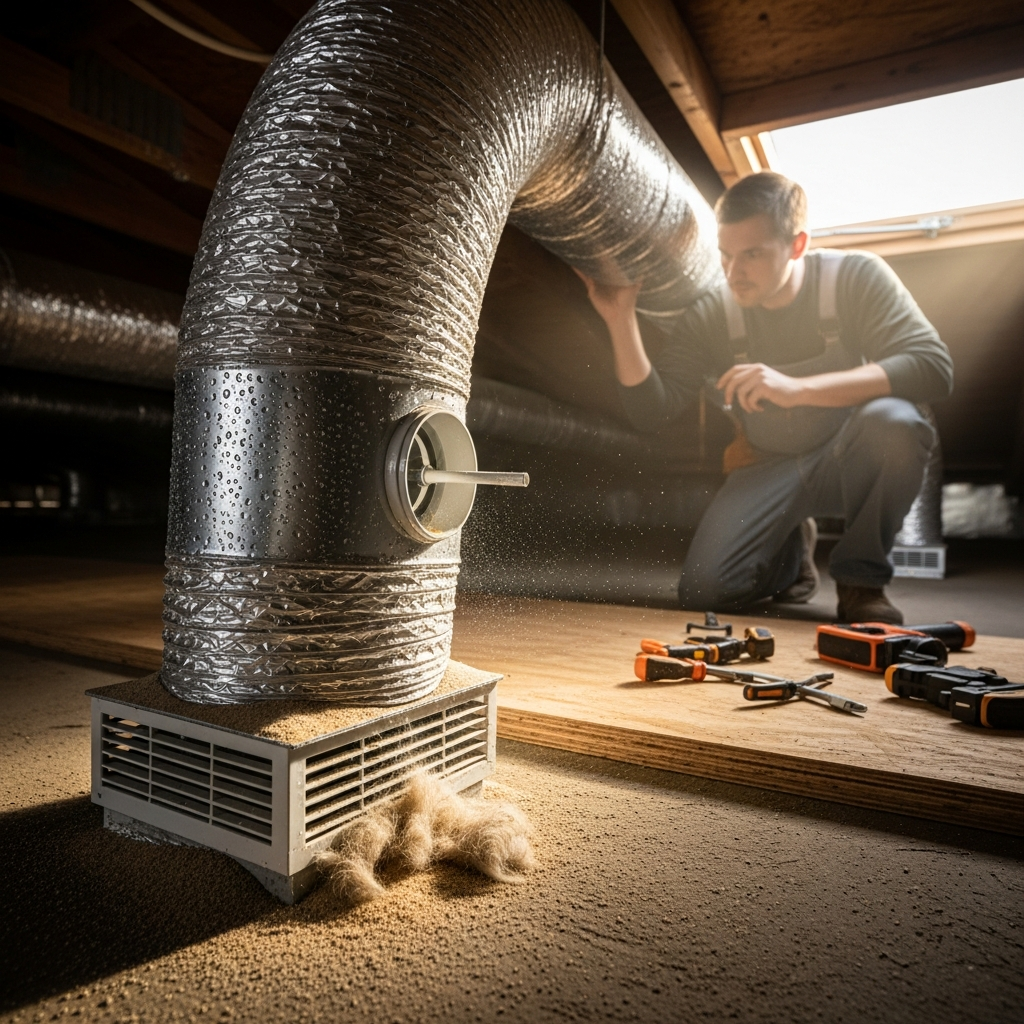
Walk through a Malibu home on a foggy morning and you can feel the air’s texture shift from room to room. Salt hangs lightly at the edges, canyon dust hides in rugs, and where a vent whispers at your ankles you might catch a note of something older—drywall work from a remodel, a trace of last autumn’s wildfire, or the dog’s joyful summer. Our homes hold stories in their ductwork, and when those stories grow cluttered, we see the results as dust that returns too quickly, rooms that never quite feel fresh, or a system that labors noisily to do a simple job. Understanding the most common duct cleaning issues in Malibu puts you back in control of comfort and cleanliness.
One of the most persistent culprits here is moisture mingled with fine particulate. The marine layer that defines many of our mornings can bring just enough dampness to make dust sticky. Inside a duct, that means particles cling more readily to metal or flexible liners, building layers that narrow the airway. When temperature shifts cause a light film of condensation, that stickiness increases. Over time, homeowners may notice a faint musty odor or a light discoloration at supply grilles. Addressing this requires more than a basic vacuum. It calls for negative-pressure containment, brushes or air whips appropriate to the duct type, and a careful eye for sections where condensation has been a recurring guest.
Wildfire seasons add a unique layer to Malibu’s challenges. Smoke can drift in even when flames are far away, and those tiny particles are adept at finding their way past door jambs and window seals. Once inside, soot settles on returns and rides the airflow into trunks and branches. After the smoke clears, its fingerprint can linger as a stubborn odor and a thin film within ducts. Many residents assume surface cleaning of walls and fabrics is enough, then wonder why a faint campfire scent returns when the AC kicks on during the first hot spell. In these cases, cleaning the duct interior and inspecting the blower and coil for residue are essential steps in resetting a home’s air.
Renovations—so common in Malibu’s evolving mix of beach cottages and hillside contemporaries—introduce their own set of issues. Drywall dust, sawdust, and small construction debris often find their way into returns despite best efforts to protect them. Flexible ducts can trap this material in their ridges, while rigid ducts can collect piles at low spots and elbows. Even a brand-new system can inherit debris if registers were left uncovered during sanding or if workers used returns to help move air while paint or plaster cured. Months later, homeowners are puzzled by extra dusting or minor throat irritation that seems to have no cause. A targeted cleaning focused on the most exposed segments, combined with a good filter strategy, often resolves these lingering effects of construction.
Another recurring theme is pest intrusion. Malibu’s hillsides and gardens are alive with small critters, and occasionally evidence of nesting turns up in duct systems—particularly in older homes with gaps at the roofline or deteriorated screens. The signs might be as subtle as a faint musky odor or a whisper of insulation fibers at a register. In rarer instances, homeowners hear a soft rustle when the blower kicks on. Cleaning in these cases is only part of the solution; sealing entry points and repairing compromised sections prevent a repeat performance. It is the kind of behind-the-scenes repair that makes a dramatic difference in comfort and cleanliness but often goes unnoticed until a thorough inspection shines a light on it.
Then there is the matter of leaky ducts, which is both a cleanliness and efficiency problem. A leak on the return side can draw dusty attic or crawlspace air into the system, turning your ducts into a conveyor for particles you never meant to invite indoors. On the supply side, leaks can dump conditioned air into those same spaces, forcing the system to run longer and harder—stirring up yet more dust and delivering less comfort to the rooms that need it. Malibu’s mix of older construction and additions over time makes these issues common, especially where transitions between old and new segments of a home were hurried or improvised. A cleaning that doubles as a sealing and insulation assessment can be transformative.
Homeowners also encounter mismatched filters and neglected returns. It is not unusual to find filters perched askew or the wrong size used in a pinch, allowing air to bypass the media entirely. A filter too restrictive for the blower curve can invite noise, pressure drops, and premature wear. Meanwhile, return grilles—in hallways, living rooms, or hidden behind furniture—silently accumulate a dense felt of dust and pet hair. When those returns are cleaned and the right filter is installed correctly, many of the most vexing day-to-day complaints fade. Air moves more quietly. Surfaces stay clean longer. Noses and eyes relax.
Noise is another subtle indicator that something is off. A whistle at a grille could be a sign of debris creating turbulence, while a rumble in a trunk might indicate loose or collapsed duct liner. In Malibu’s coastal climate, metal can expand and contract with daily swings, loosening hangers or joints over time. Cleaning is often the moment when these mechanical issues are discovered, because registers come off, cameras go in, and the system gets the attention it rarely receives. Addressing the root cause empowers a home to regain that calm acoustic profile that makes rooms feel truly restful.
Uneven temperatures across rooms or floors are a familiar complaint in homes draped along our canyons. Ducts that snake long distances to reach a far corner can lose energy through poorly insulated runs, while build-up inside elbows can throttle air. Cleaning opens the airway, and a thoughtful tune of dampers can redirect flow, but the most satisfying results often come when cleaning, sealing, and insulation work together. That combination restores balance across zones so the sunlit breakfast nook and the shaded office both feel right without a constant dance at the thermostat.
Odors deserve special attention because they are so personal. A faint mildew scent near a supply might trace back to a minor condensate issue at the coil, while a sweetish note could hint at aging duct liner. Smoke memories can lie low until the first time you run heat on a cool winter night, when dormant residues warm and release their perfume. Part of a thorough cleaning is detective work: following the nose, testing assumptions, and confirming with cameras or particle counters where appropriate. Malibu homes, with their blend of sea air and hillside flora, have beautiful natural scents; solving duct-related odors lets those aromas remain gentle rather than competing with something less welcome.
A common misunderstanding is that registers themselves are the whole story. A bright, dust-free grille can give a false sense of cleanliness if the ducts behind it are neglected. Similarly, a shiny new thermostat can mask deeper issues by overmanaging a system that breathes poorly. Real change comes when the entire pathway—returns, trunks, branches, and components—gets attention. That holistic approach is where cleaning becomes more than a chore; it becomes an investment in the home’s ease and longevity.
The professional standards of the work matter. Techniques that match the duct material and layout prevent damage while removing stubborn deposits. Flexible ducts, common in many Malibu attics, respond best to gentle, methodical agitation paired with strong negative pressure and good containment. Metal ducts accept brush systems, but elbows and tees still require finesse. Throughout, protecting furnishings and sealing registers prevents loosened dust from drifting into living spaces. The goal is not simply to vanquish visible debris, but to restore smooth, quiet, efficient airflow and a neutral scent baseline.
Timing also plays a role, particularly after notable events. When a wildfire blankets the region with smoke for days, it is wise to check filters immediately and consider a deeper inspection soon after. The same is true after construction or if you have hosted a long run of guests with windows open and doors in constant motion. Malibu living is social and open to the outdoors; that is part of the joy. But when the party winds down, a reset helps your system serve you quietly and cleanly again. Early in that reset, consider a conversation about professional air duct cleaning so that the fresh feeling you love outdoors is matched indoors.
Ultimately, the most common issues are all cousins of the same theme: air pathways that have been asked to carry more than clean, conditioned air. Whether the extra load is smoke residue, renovation dust, or the detritus of ordinary family life, removing it changes how your home feels and sounds. It gives your system the chance to work with grace rather than grit, and it gives you the gift of surfaces that stay cleaner, air that smells like nothing at all, and rooms that reach comfort without drama.
Why do Malibu homes see more duct moisture issues than inland homes?
Our proximity to the ocean brings regular humidity swings and cool evenings that encourage light condensation on duct surfaces, especially in attics and garages. When dust is present, that moisture acts like glue, helping particles accumulate. Thoughtful cleaning and attention to insulation and drainage mitigate the problem.
Can duct cleaning fix persistent odors after a remodel or wildfire?
Yes, if the odor source resides in the duct system. Drywall dust, paint compounds, and soot can lodge in returns and trunks, becoming a reservoir that releases scent whenever airflow ramps up. Removing that material and refreshing filters typically reduces or eliminates the lingering smell.
How do I know if pests have affected my ducts?
Subtle signs include faint musky odors, insulation fibers at registers, or occasional rustling when the system starts. An inspection during cleaning can confirm activity and pinpoint entry points so they can be sealed. Restoring cleanliness and integrity keeps air fresh and deters future visitors.
Is flexible ducting more vulnerable to debris buildup?
Flexible ducts have ridges that can trap dust and construction particles, so they require careful, appropriate tools during cleaning. That said, with proper technique and strong negative pressure, they can be cleaned effectively without damage. The key is matching the method to the material.
Will cleaning alone solve uneven temperatures?
Cleaning often improves airflow and helps, but lasting balance may require sealing leaks, improving insulation on long runs, or adjusting dampers. An integrated approach typically delivers the quiet, even comfort homeowners want, especially in sprawling or multilevel Malibu homes.
When you are ready to clear the slate inside your system and let rooms feel crisp and calm again, take a moment to schedule professional support. A brief assessment of your home’s layout, recent renovation or smoke exposure, and comfort goals will shape the plan. Then, book expert air duct cleaning so your Malibu home can breathe as freely as the ocean air just beyond your door.