
Your New Ducts Deserve Thoughtful Care
Finishing a duct replacement is a little like getting new tires and an alignment—everything feels smoother, quieter, and more predictable. In Malibu, where mornings can be misty and afternoons warm and bright, that predictability is gold. To keep your system performing like day one, a few habits and seasonal check-ins make all the difference. The first step is understanding what the upgrade changed: you now have a tight, balanced air delivery network that makes every minute of runtime count. Protecting that performance starts immediately, and if you ever need a deeper tune-up, a trusted team can guide you through professional duct replacement practices that align maintenance with Malibu’s coastal realities.
Unlike the old, leaky system you may have replaced, your new ducts are responsive to small changes. A clogged filter or a blocked return now shows up as subtle cues: a slightly louder register, a room that takes a bit longer to settle, or a fan that ramps higher than usual. Paying attention to those cues helps you correct minor issues before they become big ones. The goal isn’t to hover over your thermostat—it’s to adopt a light, steady routine that keeps airflow in the sweet spot your system was designed to enjoy.
Filter Discipline Is Non-Negotiable
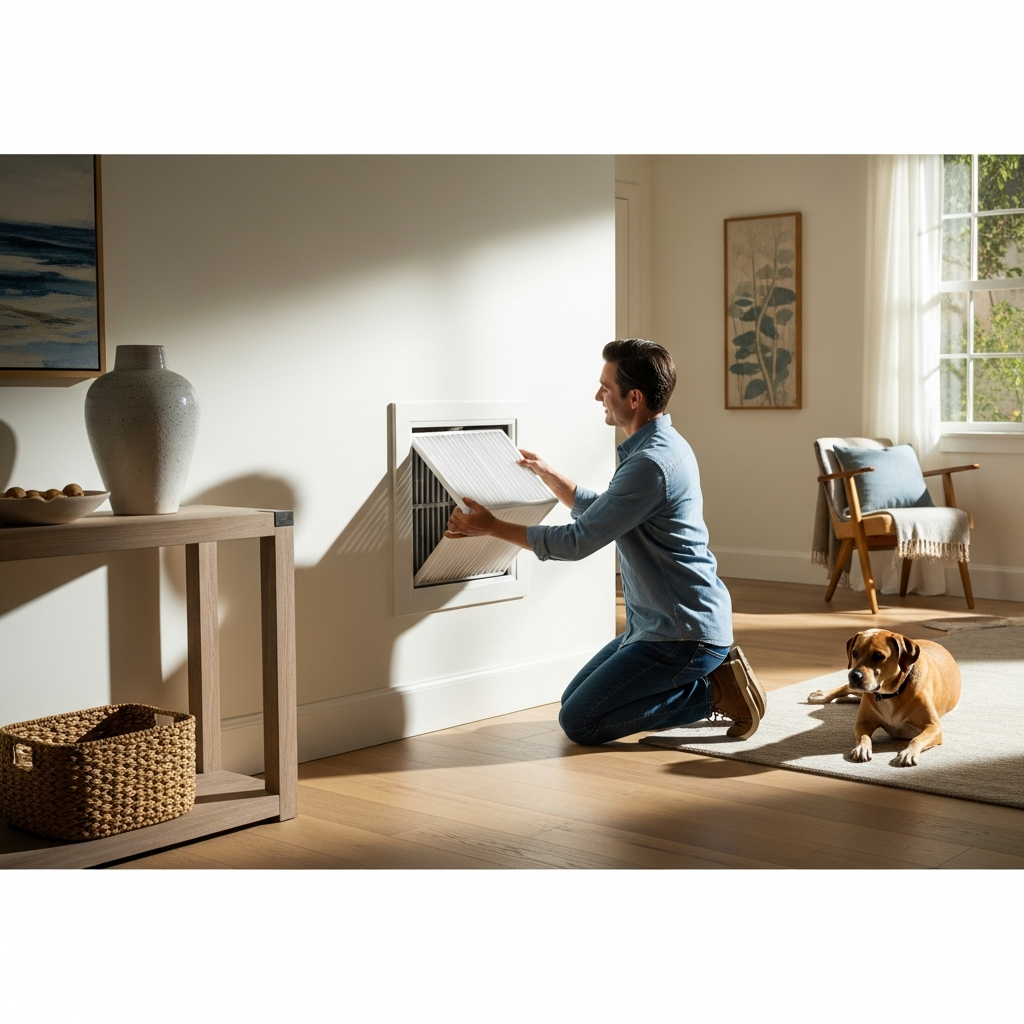
Air filters are the unsung guardians of airflow and indoor air quality. After replacement, the system likely delivers higher, steadier volumes of air; that means filters see consistent duty and must remain clean to do their job. In Malibu’s coastal environment, fine salt and moisture can increase the load on filter media, especially after foggy mornings or windy afternoons. Check filters on a regular cadence and replace them when you notice discoloration or pressure changes that suggest restriction. If you host guests, complete home projects, or experience wildfire smoke days, consider interim checks because contaminants spike under those conditions.
The right filter matters too. A dense filter in a return that wasn’t sized for it can raise static pressure and diminish the very efficiency your new ducts delivered. Choose a filter type and rating that match the system’s design so you capture particulates without starving airflow. If you’re unsure, ask your installer which specifications your returns were built to handle comfortably.
Keep Returns and Supplies Clear
Furniture, drapes, or newly placed storage can accidentally block returns and supplies. In evenly balanced systems, those blockages have outsized effects. Walk the house every so often and make sure air has a clear path in and out of rooms. Pay special attention after rearranging furniture for the season or after hosting events. Many homeowners are surprised by how much the system calms down when a return grille is freed from an accidental obstruction.
Registers benefit from simple housekeeping. Dust the grilles and vacuum around them to keep debris from building up. Clean grilles not only look better; they reduce noise created by particles catching the airstream. Small actions like these help preserve that day-one hush you enjoyed after installation.
Mind the Coastal Elements
Malibu’s salt air is part of the magic—and a gentle antagonist to building materials. Even indoors, salt finds its way to surfaces that see regular airflow. During routine cleaning, wipe around returns and supply grilles to remove the fine film that can accumulate over time. If sections of duct are in semi-exposed chases or areas with greater humidity swings, peek seasonally for signs of jacket wear or metal support corrosion. Early attention prevents small issues from compounding into airflow restrictions or insulation damage that would erode efficiency.
Attic and crawlspace conditions deserve a seasonal glance as well. After a windy spell or rare heavy rain, it’s wise to confirm that insulation remains dry and intact and that supports are holding as intended. Good installations use corrosion-resistant hardware and proper spacing, but vigilance is what keeps everything performing at its best for years.
Listen for Changes and Trust Your Senses
Your ears and skin are surprisingly good diagnostic tools. If a register develops a whistle that wasn’t there last month, or a room’s temperature drifts despite the same thermostat settings, that feedback is important. New ducts tend to make systems feel quieter and more predictable, so any deviation stands out. Prompt attention to these cues—checking filters, confirming grilles are clear, or scheduling a quick airflow check—keeps minor issues from evolving into inefficiencies.
Odors tell a story, too. A faint musty smell near a return after foggy mornings could indicate moisture around insulation or an air path that needs sealing attention. Clean ducts and steady pressures normally discourage those smells. If they appear, a timely inspection preserves both comfort and efficiency.
Seasonal Checkups and Commissioning Lite
You don’t need a full performance test every season, but a “commissioning lite” mindset helps. In spring and fall, verify that rooms still feel even, registers sound calm, and the thermostat reaches setpoints without long, fussy cycles. If you have access to simple tools, a thermometer at a supply register can give you a sense of temperature split relative to room air. Large deviations from what you’re used to may suggest restricted airflow or coil conditions worth evaluating.
When professional service is due—often annually or semi-annually for busy households—ask the technician to note static pressure and observe airflow at a few key registers. That snapshot becomes a historical record. Trends tell us a lot: a creeping rise in pressure might mean a filter mismatch or a return that’s gradually getting blocked by a new décor choice.
Thermostat Habits That Respect Airflow
New ducts reward gentle thermostat strategies. Aggressive swings invite long, high-speed cycles that can be less efficient than maintaining steadier conditions. In Malibu’s climate, a small setpoint adjustment combined with pre-cooling before peak afternoon heat often feels better and uses less energy. If your system includes zoning, align schedules with real occupancy—daytime attention for the office or living areas, evening comfort for bedrooms, and softer conditioning in seldom-used spaces. The ducts will respond with quieter, more efficient delivery.
Window management matters, too. When you invite the ocean breeze in, your system can rest. When you close up, give the ducts a moment to re-establish balance before making large thermostat changes. The result is a calmer system that feels intuitive in daily life.
Protect the Envelope Around the Ducts
Your ducts don’t live in isolation—they run through attics and crawlspaces that influence performance. Improving attic insulation, sealing obvious gaps around hatches, and maintaining weatherstripping on doors help the distribution system shine. It’s a small ecosystem: the tighter and better insulated the surroundings, the easier it is for ducts to deliver air at the right temperature without wasteful loss to the spaces they pass through.
If you have large west-facing windows, consider shading strategies in late afternoon. Reducing peak heat load gently eases the system’s burden, letting your new ducts do their best work with lower fan speeds and shorter cycles.
Get Ahead of Wildfire and Wind Events
When forecasts hint at smoke or high winds, a brief pre-check keeps your home comfortable. Confirm that filters are fresh and that windows and doors seal well. On smoky days, keep windows closed and let your system maintain indoor air with consistent filtration. Tight ducts protect against attic infiltration, but filtration only helps when air passes through the media, so balance is key. After a windy event, a quick pass through the attic to verify supports and jackets remain undisturbed is worth the ladder climb if it’s safely accessible.
For households with demand-response or backup power, plan comfort around resilience. Pre-cool or pre-warm when clean power is abundant, then let your balanced ducts stretch that comfort through peak periods. The right distribution system makes every kilowatt count.
Documentation and a Light Touch
Keep your commissioning documents—leakage numbers, static pressure, airflow readings—in a home file. They’re your snapshot of “day one.” When something feels off months down the road, that record guides quick, precise troubleshooting. The best maintenance style is a light touch: consistent filter care, clear returns, seasonal glances at attics or crawlspaces, and attention to your senses. Your new ducts will thank you with the quiet confidence you noticed after installation.
When questions arise, resist the urge to guess blindly. A short conversation with a technician who understands Malibu’s climate and housing stock can separate signal from noise and keep your system on track without over-servicing.
Frequently Asked Questions
How often should I change filters after new ducts?
Check monthly at first to understand your home’s pattern, then adjust. Coastal particulates and seasonal events like smoke can influence frequency. The goal is a filter that protects air quality without over-restricting airflow.
Why does one room feel slightly different after months of perfection?
Small shifts happen—furniture moves, filters age, or doors start closing more often. A quick check for blocked returns, a fresh filter, or a minor damper tweak usually restores balance.
Do I need professional maintenance more often by the coast?
Coastal homes benefit from consistent, not excessive, care. An annual or semi-annual visit that includes a look at static pressure, coil condition, and duct supports is typically enough to stay ahead of issues.
Will running the fan continuously help?
Continuous fan can even out temperatures, but it may increase energy use if not paired with efficient settings and clean filters. Many homeowners prefer low, scheduled circulation or auto mode with smart setbacks for a balanced approach.
What if I detect a musty odor near a return?
Investigate quickly. Check for damp insulation or debris near the return path and verify filter condition. If the smell persists, a professional inspection can identify and correct the source before it affects comfort or efficiency.
Keep Your System Performing Like Day One
Great maintenance is calm, consistent, and tailored to your home. If you’re ready to fine-tune your routines—or if you want to confirm that your system is delivering everything it should—connect with a local team that treats airflow as the foundation of comfort. When it’s time to assess, adjust, or plan the next upgrade, lean on proven expertise in duct replacement to protect your investment and keep Malibu comfort effortless.