
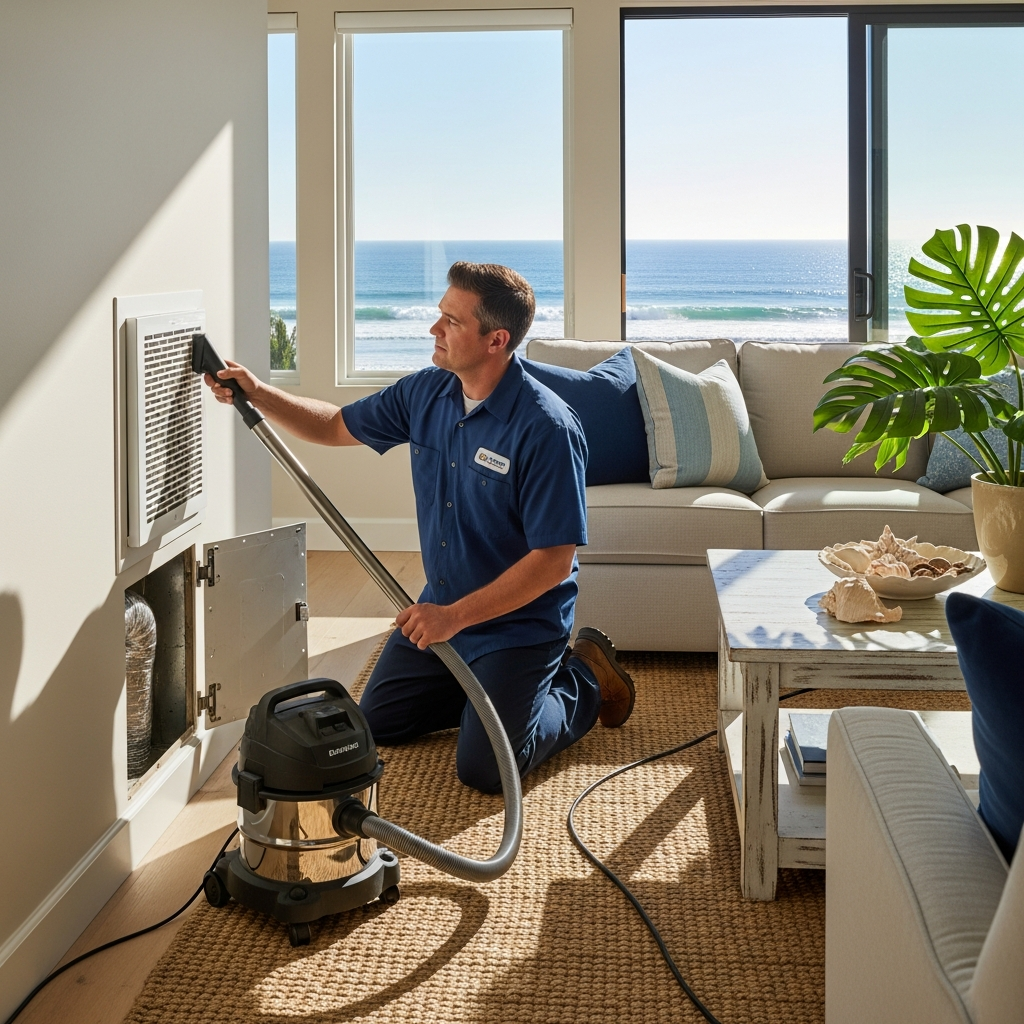
A Malibu homeowner’s perspective on coastal comfort
When you live in Malibu, the ocean is both neighbor and narrator, shaping daily rhythms with a breeze that smells like salt and sun. That same breeze, though, carries fine salt crystals, moisture, and beach sand that love to hitch a ride into our homes and, eventually, into our HVAC systems. Over years working with homeowners up and down the Pacific Coast Highway, I’ve seen how dramatically clean airways inside a home can influence comfort, energy use, and peace of mind. That’s why conversations about indoor comfort here almost always lead to one essential service: air duct cleaning. In a coastal environment like ours, it isn’t a cosmetic choice or a nice-to-have; it’s one of the most practical ways to guard your indoor air and protect your system from the relentless effects of sea air.
Coastal living rewards us with sweeping views and temperate afternoons, yet the same marine layer that paints pink sunsets also wraps our homes in moisture. It’s the unseen accumulation that matters most—salt residues on registers, sticky dust on supply runs, and the slow, steady film that forms on coil surfaces and interior duct walls. These films act like magnets for more debris, which then restricts airflow, strains fans, and encourages unwanted odors that seem to return no matter how often you open a window. A thoughtful, regular approach to duct hygiene puts you back in control, keeping your home feeling like the refuge it should be after a day on the sand.
Why coastal conditions make duct care different
Salt behaves like a microscopic glue, binding airborne particles to any slightly moist surface. In Malibu, we notice it on exterior railings and patio furniture first, but the same thing is happening just out of sight inside return grilles and plenums. Even in well-sealed homes, pressure differences pull outdoor air through tiny gaps with remarkable persistence. Over time, this introduces a medley of particles—salt, pollen from canyon chaparral, wildfire residue from distant events, and general road dust from PCH traffic—that finds a home in ductwork. Because ducts are dark and often cooler than the surrounding structure, moisture can linger there longer, and that’s one reason coastal homes benefit more from interior cleaning than inland properties.
The effect snowballs. As dust adheres, interior surfaces become rougher, which disrupts airflow and fosters more deposition. Think of it like a once-slick riverbed accumulating silt; the water slows down and drops even more sediment. The HVAC equivalent is higher static pressure and a blower that has to work harder to deliver the same comfort. Along with added wear, that friction can amplify sound, leading to the telltale whistling or whooshing that homeowners describe as a sign something just feels off. Resetting those surfaces through a careful cleaning restores the system’s natural rhythm.
Cleaner ducts, cleaner air, calmer living
When I speak with Malibu families about why their homes smell fresher after a cleaning, I point to two things: first, the removal of captured debris that constantly off-gasses faint odors; second, the reduction in recirculating dust that otherwise lands on textiles and soft surfaces. Rugs, drapes, and bedding are scent sponges. When less particulate is riding the airflow, fabrics stay fresher longer, and that changes the entire mood of a home. People often notice they wake up less stuffy, or that the need to dust every other day relaxes to a more comfortable routine. In open-plan beach houses where high ceilings create large air volumes, this difference is especially noticeable.
Indoor air quality is personal, and nowhere is that more true than in a coastal environment where doors and windows are open for much of the year. The right cleaning resets the baseline so that when you choose to enjoy a cross-breeze, your HVAC isn’t simply recirculating whatever floated in yesterday. It’s like rinsing a wetsuit after a morning surf; the habit protects the gear you rely on and makes every future outing more pleasant. The same principle applies to ductwork that quietly conditions your home from March marine layer mornings to September heat spikes.
Protecting HVAC equipment from salt and film
Blower assemblies, coils, and heat exchangers live in a world where a little grime goes a long way. A thin salt-dust film on a coil can reduce heat transfer and set the stage for condensation to track where it shouldn’t. In Malibu’s alternating pattern of foggy dawns and sunny afternoons, these tiny inefficiencies add up. Homeowners are often surprised to learn that the grittiness they feel on a window sill is a cousin to what the fan blades and housings experience. Besides reduced performance, that film can encourage mild corrosion on metallic components. A duct cleaning appointment that also includes attention to the immediate air handler area reduces residue that would otherwise migrate back and forth through the system, clinging to fins and fan wheels.
A thorough cleaning often reveals small mechanical issues at a stage when they are straightforward to address. Technicians can spot a slipping belt before it squeals, a charred wire before it fails on a hot day, or a filter door that’s not sealing tight. In that sense, a cleaning is both a refresh and a wellness check, especially valuable near the coast where HVAC systems operate under unique environmental stressors. When your home’s lungs breathe freely, the heart of the system works less frantically, and that translates to a quieter, more dependable living space.
Humidity, mold awareness, and Malibu’s marine layer
We don’t need tropical conditions to grapple with humidity; the marine layer that blankets the shoreline introduces enough moisture to matter. When mixed with dust inside ducts, that moisture can create a tacky film and, in rare cases, support microbial growth on surfaces where condensation persists. Cleaning removes the food sources these organisms rely on and gives you a clean slate for other strategies, like maintaining appropriate indoor humidity, using bathroom fans diligently after showers, and ensuring supply registers are unobstructed so air doesn’t dead-end in corners. Many homeowners find that after a professional reset, simple habits are enough to keep the system feeling fresh week after week.
It’s also helpful to consider how we use our homes. Coastal living invites sand-covered kids and dogs, salty gear, and frequent entertaining with doors propped open. All of that is part of the joy, and it doesn’t need to be dialed back in the name of air quality. Instead, think of cleaning as a seasonal calibration. After summer guests depart or before the winter holidays arrive, a reset rebalances the indoor environment so gatherings feel crisp, not stuffy, and bedrooms feel soothing at night. For households with sensitive noses or a penchant for scented candles, a freshly cleaned duct system prevents fragrances and occasional smoke from clinging to old dust inside the network of hidden passages overhead.
What a complete cleaning looks like
When people picture duct cleaning, they often imagine a quick vacuum at the registers. The reality is more methodical and, done properly, quite gentle on the home. Access points are created in strategic spots so that the interior of both supply and return runs can be reached. Source removal is the guiding philosophy, using negative pressure to pull loosened debris out of the system while brushes and air whips agitate residues along the way. Each register is protected, each room is addressed, and equipment is sealed so dust moves in one direction only—out. In Malibu homes with architectural flourishes—exposed beams, open trusses, or custom vents—careful planning ensures the process aligns with the building’s aesthetics and finishes.
The goal isn’t to scour the metal to a shine; it’s to return surfaces to a state that supports smooth airflow with minimal particulate to ride along. That means the difference after a cleaning may be invisible to the eye, but it’s unmistakable in the way rooms feel. Less tickle in the throat, fewer mysterious dust trails on the console table, and registers that whisper instead of hiss—it all adds up to a calmer home. Nest thermostats and similar smart controls even tend to show more stable run times, a quiet confirmation that the system isn’t fighting itself anymore.
How cleaning fits with filtration and sealing
Cleaning is the reset; filtration and sealing are the guardrails that keep things on track. In coastal homes, I encourage owners to look at the whole pathway air takes, from outdoor intake or return grill all the way to the far register in the guest room. A filter that’s properly sized and seated can only do its job if air isn’t sneaking around it through gaps or a cracked door frame. Likewise, ducts that are sealed at seams and transitions are less likely to invite dusty crawlspace air into the airstream. After a cleaning, the improvements you make to filtration and sealing are more potent because they’re working from a baseline of cleanliness instead of trying to capture yesterday’s residue.
Sometimes the smallest upgrades yield outsized results. A homeowner with a beach-adjacent bungalow once told me the greatest change after their cleaning was how evenly rooms reached temperature. On inspection, we traced much of that improvement to a return plenum that had been resealed as part of the visit. Though the home’s ducts were now clean, it was that corrected pressure balance that unlocked predictable comfort. Coastal homes, with their intricate remodel histories and additions built to chase a view, benefit from this kind of holistic thinking as much as from the cleaning itself.
Seasonal timing for Malibu homes
Choosing when to schedule a cleaning can influence how long its benefits last. Many Malibu residents prefer late summer or early fall, once peak beach season is behind them and before the first Santa Ana winds roar. Others love a spring reset to clear winter’s marine layer dampness and start fresh before windows-and-doors-open season. There isn’t one right answer, but there are right reasons. If your family entertains heavily between Memorial Day and Labor Day, resetting in September keeps holiday gatherings feeling crisp and quiet. If you suffer the most from morning stuffiness in June Gloom, a spring cleaning can provide relief right when you need it most.
After a thorough service, modest habits carry the momentum for months: replace filters on schedule, keep return grilles unobstructed, and give the home a chance to flush naturally on days with gentle offshore breezes. At the midpoint between major cleanings, a quick check of registers for visible dust lets you intervene early with light maintenance so the system doesn’t drift from that ideal baseline.
Energy and comfort you can feel
The relationship between clean ducts and comfort is straightforward: unrestricted air moves with less effort, and conditioned rooms reach setpoints without the stop-start drama that makes a home feel either clammy or parched. Owners often report quieter cycles and fewer hot or cold pockets. While it’s natural to think of cleaning as a housekeeping task, the more accurate lens is performance. When friction drops, so does the workload on motors and blowers. The result is a living room that settles into its afternoon calm without that nagging sense that the system is forever catching up. In the coastal context, where weather can swing from fog to bright sun within hours, that responsiveness pays off daily.
Some of the most convincing evidence comes from what you no longer notice. You stop tasting a metallic tang near the vent above the sectional. The dog’s bed seems to hold on to fewer salty scents after a long beach day. The film that used to appear on the glossy dining table slows down enough that a weekly wipe keeps it looking new. These are the tactile, lived-in benefits that matter even more than specs on paper.
Malibu-specific considerations: wildfire residue and canyon pollen
Though not strictly a coastal factor, wildfire smoke has touched Malibu often enough that we ignore it at our peril. Even when fires burn far north or inland, winds can push fine particulates into shoreline neighborhoods, and these micro-particles settle deep within duct systems. Cleaning after significant smoke events helps purge residues that would otherwise recirculate for months. In spring, chaparral and canyon plants release a dusting of pollen that rides afternoon breezes downhill. Returning ducts to a clean state ahead of these seasons reduces the burden on filters and protects indoor calm when the outdoor air is most active.
Because many Malibu homes are designed to drink in the landscape with massive sliders and courtyard layouts, their HVAC systems often run in tandem with open-air living. That makes the argument for periodic resets even stronger. You can enjoy a sea-salt afternoon without inviting the aftertaste to linger in the bedrooms or home office. The right cadence recognizes your lifestyle and treats cleaning as a partner to the way you want to live, not a scold or constraint.
What homeowners say after a proper reset
There’s a pattern to the feedback. People remark on how the house “feels lighter” or that they sleep more soundly with fewer wake-ups. Parents notice a reduction in the light layer of dust that used to gather on toy shelves, and weekend hosts are thrilled that post-gathering cleanup is faster because fewer particles were floating around to settle on glass and stainless. I often hear about how the system sound changes, too; not silence, exactly, but an unintrusive background hum that lets music and conversation carry without competition. These testimonials align with what we expect when a system’s airflow dynamics return to a healthier range.
It’s also common for homeowners to become more attentive to small cues. That return grille that once had a faint gray shadow now stays bright, and if it starts to darken months later, they know it’s time to check filters or schedule a light touch-up. Awareness becomes a superpower in Malibu’s coastal environment, where conditions shift subtly through the week. A cleaned, tuned system gives you a reliable starting point, and your senses do the rest.
Choosing a partner and setting expectations
Reputation and process matter more than flashy promises. A qualified provider will explain the steps, protect your home, and invite questions. They will focus on source removal and verification, not quick coverups or heavy scents to mask odors. Ask about their approach to returns, supply trunks, and branch lines, and how they ensure debris exits the home rather than being redistributed. In Malibu’s design-forward homes, it’s also worth discussing how they’ll safeguard finishes and navigate tight mechanical closets or rooftops exposed to ocean mist. The more collaborative the planning, the smoother the day goes and the more comprehensive the final result.
When you hear friends talk about their experiences, listen for the practical details: whether the team communicated clearly, whether rooms were left tidy, and whether airflow felt steadier afterward. These are the markers of a service that respects your space and treats cleaning as an essential component of coastal home care rather than a one-time stunt.
Midway reminder for Malibu homeowners
As you consider the unique interplay of salt, humidity, and daily coastal living, it helps to visualize how air moves through your home and how that movement shapes your day-to-day comfort. That’s where the reset provided by professional air duct cleaning becomes a practical, confidence-building step. With a system that’s been methodically cleaned and returned to an easy-breathing state, your filtration does its best work, your thermostat decisions carry more weight, and your rooms settle into their ideal rhythm faster. The ocean is always going to be the ocean. A clean HVAC pathway lets you enjoy the view without bringing the residue along for the ride.
FAQs for coastal Malibu homeowners
Q: How often should coastal homes in Malibu schedule duct cleaning? A: For most households near the shore, every two to three years is a sensible rhythm, with more frequent service after major smoke events, extensive renovations, or periods of heavy guest turnover. Homes closer to the waterline or with frequent open-door living may choose a slightly shorter interval, while canyon-adjacent homes often track their schedule around peak pollen seasons.
Q: Will cleaning help with that salty film on furniture? A: Yes. By reducing the dust and salt particles recirculating through the system, you’ll notice less settling on flat surfaces. It won’t eliminate the need to wipe surfaces in a beach community, but it will extend the time between cleanings and keep the home smelling fresher.
Q: Can duct cleaning address a persistent musty odor? A: Often, yes. Mustiness can stem from dust that has absorbed moisture, from small pockets of residue near coils, or from clogged returns. Proper cleaning removes the reservoirs that feed those odors and gives you a clear starting point to fine-tune ventilation and humidity.
Q: Is there a best season for Malibu homes to book service? A: Late summer into early fall is a favorite because it follows the busiest beach months and precedes the windiest days, but spring can be equally smart if you’re eager to shake off marine layer dampness. The best timing aligns with your lifestyle and the events that load your home with extra salt, sand, and guests.
Q: Does cleaning help reduce noise from vents? A: It can. When interior surfaces are free of buildup and airflow is unobstructed, the system doesn’t have to push as hard, which reduces turbulence and the hissing or whistling that some homeowners notice. Balancing dampers and checking register fit during the visit also supports a quieter system.
Q: What about homes with both central air and mini-splits? A: Each system has its own pathways. Central ducts benefit from periodic cleaning, while mini-splits profit from careful maintenance of their internal coils and blower wheels. If your home blends both, coordinate service so the entire environment gets a reset at once.
Q: Will I see energy savings? A: Most homeowners report more stable run times and less cycling, which often correlates with reduced energy use. The bigger win, though, is comfort—rooms hit their setpoints reliably and feel better in the process.
Q: Can I DIY this with a shop vacuum? A: You can certainly keep registers tidy and replace filters on schedule, but the interior of the duct system requires negative pressure and specialized tools to remove debris without dispersing it into the house. A professional service brings the control and containment needed for a true reset.
Take the next step for a cleaner, calmer coastal home
Malibu living is an everyday gift, and your home should reflect that sense of ease. If you’ve noticed more dust than usual, a faint salty aroma on damp mornings, or rooms that don’t settle into comfort as quickly as they used to, it may be time to give your HVAC a fresh start. Schedule a conversation, ask your questions, and explore how a carefully planned visit can restore your home’s equilibrium. When you’re ready to act, start with the proven foundation of Malibu air duct cleaning, and enjoy the ocean’s beauty without inviting its residue to linger indoors.