
Why Licensing and Standards Matter on the Coast
From the bluffs above Zuma to the calm mornings on Carbon Beach, Malibu homes are as varied as the landscape. Behind the views, your HVAC system is doing quiet, constant work that touches every room. When it’s time to bring in help, choosing a properly licensed, standards-driven company is more than a formality—it’s the difference between a tidy, well-documented project and one that leaves questions behind. In our area, this means working with professionals who understand state requirements, local realities, and the techniques that respect coastal materials and finishes while delivering truly clean results. The first step is knowing what those credentials and practices look like in the real world.
Understanding Licensing in Practical Terms
In California, heating and cooling work is regulated, and many of Malibu’s reputable providers operate under licensing appropriate to HVAC systems. Licensing signals that a company has met baseline requirements, is accountable to oversight, and carries the appropriate insurance and bonding to protect clients and workers. For homeowners, this translates into teams trained to open and reassemble equipment correctly, navigate attic and crawlspace safety, and handle negative-pressure containment and contact cleaning with discipline. While licensing definitions can be technical, the practical outcome is simple: a safer, cleaner home and a documented process you can trust. If the scope touches equipment housings, coils, or system components, having the right license in place becomes especially important.
Certifications and Professional Practice
Beyond licensing, look for evidence of standards-informed practice—teams that reference recognized guidance and demonstrate it on-site. In Malibu, that means methodical setup, material-appropriate agitation, HEPA-filtered capture, and photo documentation. It also means respect for coastal conditions: anticipating morning moisture on decks, protecting finishes from salt-damp air, and scheduling attic work before the afternoon heat builds. When a company speaks in specifics—how they’ll sequence returns and supply branches, how they’ll isolate work zones, and how they’ll verify cleanliness—you’re likely talking to professionals who take their craft seriously.
Insurance, Safety, and Respect for Architecture
Coastal homes present safety nuances: slippery mornings on ocean-facing balconies, long exterior stairs up the hillside, and low-clearance attic access that demands careful planning. Licensed companies invest in training for ladder safety, fall protection, and equipment handling in tight, high-value spaces. They also carry insurance that matches the realities of working around custom cabinetry, high-end flooring, and art-filled rooms. Before a project begins, ask how the crew will protect finishes, route hoses to avoid trim, and pad rails. Their answers reveal both experience and respect for your architecture.
What a Proper Walkthrough Sounds Like
On a pre-job call or arrival, listen for questions that go beyond square footage. Where is your air handler? Are there separate systems for the main living area and bedrooms? Is access to the attic through a closet or a garage? Have you noticed any musty odors, dust streaks at certain vents, or recent smoke events? Will anyone be working from home during the visit? This dialogue is the signature of a company that will build a tailored plan, not apply a one-size-fits-all approach. The result is a scope and sequence that fit your home’s quirks and your day’s rhythm.
Methodology That Protects Duct Materials
Malibu properties often combine sheet metal trunks with flex branches, and older homes may include fiberboard segments or lined plenums. A licensed, standards-oriented team adapts agitation and suction to each material. For sheet metal, rotary brushing and strong negative pressure are often ideal. For flex duct, gentler brush heads and moderated airflow safeguard liners and helical wire. For lined sections, surface-safe contact agitation protects acoustical materials. These are not trivial choices; they are the difference between cosmetic cleaning and deep removal of accumulated debris without damage.
Containment, Cleanliness, and Documentation
Establishing negative pressure in the main trunk and capturing debris through HEPA filtration is central to keeping your living area clean during work. Licensed companies treat this as nonnegotiable, sealing off registers as they progress and cleaning the area around each grille before reinstalling it. Before-and-after images from representative points—returns, trunks, and branches—give you a visual record of what changed. In high-value homes where trust and discretion matter, this documentation provides quiet assurance that the work met the plan.
Local Conditions: Salt, Wind, and Wildfire Seasons
Our climate shapes the job. Morning marine layers can add slickness to exterior path protection. Wind events push fine particulates indoors, and wildfire seasons can load returns with ash in a matter of hours. Licensed companies working here day-in and day-out build these realities into their preparation and their advice. After a smoke event, for example, they may recommend a coordinated filter change and a check of the coil housing once the ducts are clean. That level of foresight is part of professional care, not an add-on.
What a Clear Proposal Includes
A strong proposal speaks in details: the number of systems, returns, and supply registers; the containment method; the type of agitation tools for each duct material; how protections will be set down on floors and stairs; and how images will be provided. It should also outline a communication plan, so you know how progress will be shared and how any surprises will be handled. While many homeowners first look at the final line, the real story is in the sequence and protections the company puts in writing.
Signals of a Company You Can Trust
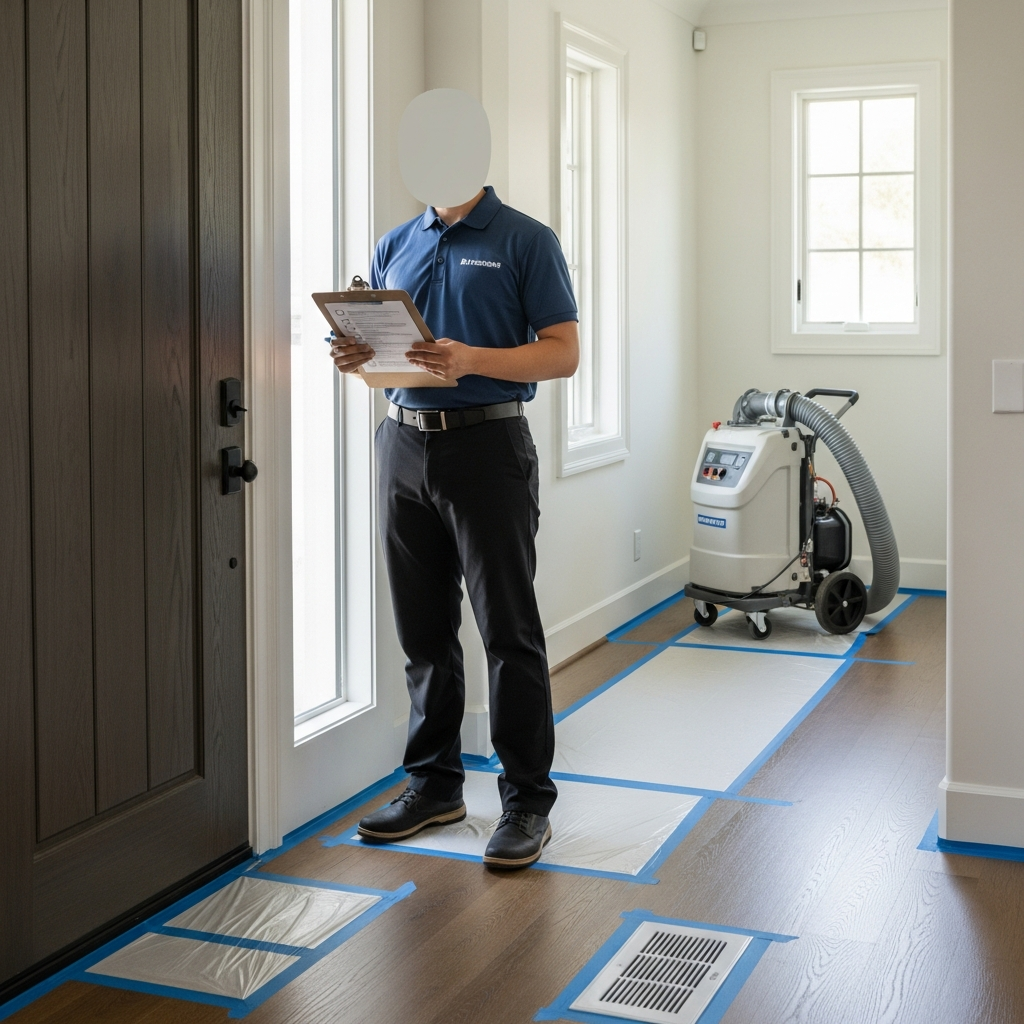
Trust often shows up in small ways. Crews arrive with clean, organized equipment; they introduce themselves and confirm the plan; they ask about pets and special finishes; and they move with practiced care. During the day, they keep you informed without drama and leave spaces looking as neat as they found them. In Malibu, where homes blend art, architecture, and ocean air, that balance of skill and calm presence is precisely what you want from a licensed professional.
Stewardship After the Work
Once ducts are clean, the conversation shifts to maintaining the gains. Filter strategy gets tailored to your blower’s capacity and your habits—doors open to the sea in the evenings, canyon breezes in spring, or frequent guests on weekends. A periodic plan for air duct cleaning that fits your microclimate helps keep your home feeling the way you love it: fresh in the mornings, comfortable by afternoon, and calm at night. Licensed companies treat aftercare as part of the service, not an afterthought.
Frequently Asked Questions
How can I verify that a company is licensed and insured?
Ask for the license number and insurance certificates and confirm them with the issuing bodies. Reputable companies provide this information quickly and without hesitation, and they will gladly explain how their coverage applies to your project.
Do licensed companies work differently than others?
Yes. Expect methodical setup, material-appropriate agitation, HEPA containment, and jobsite protection that respects your home. You’ll also see clearer documentation and communication before, during, and after the work.
What if my home has multiple systems?
Licensed providers will inventory each system and build a sequence that makes sense—by floor, by zone, or by daily use. They’ll also clarify whether the scope addresses coils or remains focused on ductwork, so expectations match the plan.
Will the work disrupt my day?
There will be steady background noise and some areas briefly sealed for containment, but experienced teams stage thoughtfully. Many homeowners stay on-site, moving between rooms as the crew progresses.
Why is documentation important?
It provides visible proof of results and creates a baseline for future maintenance. In high-value homes, it also supports property records and helps future technicians understand the system’s history.
If you’re ready to bring in a calm, credentialed team that treats your home with the care it deserves, choose a Malibu provider whose licensing, insurance, and methods are crystal clear—and schedule professional air duct cleaning that delivers verified results and lasting comfort.