
When your air conditioner falters in Malibu, every minute counts. Temperatures can flip from foggy cool to full-on sun in a heartbeat, and guests do not always understand that coastal comfort takes careful tending. Fast and reliable repair here is not just about speed to your driveway; it is about arriving prepared for the realities of salt air, canyon winds, and the unique mix of beach bungalows, hillside estates, and tucked-away studios that define our community.
In my experience, the best repair visits begin before the truck pulls up. A good dispatcher listens for clues—a clicking compressor, a rattling cabinet, a thermostat that seems to drift—then notes your exposure to the ocean or your home’s position in a windy saddle between ridges. That simple local context helps the technician step out ready to check the right components first. And if you are just starting to gather information, grounding your expectations with dependable air conditioning resources can make the first conversation with a pro surprisingly productive.
What fast repair really looks like in Malibu
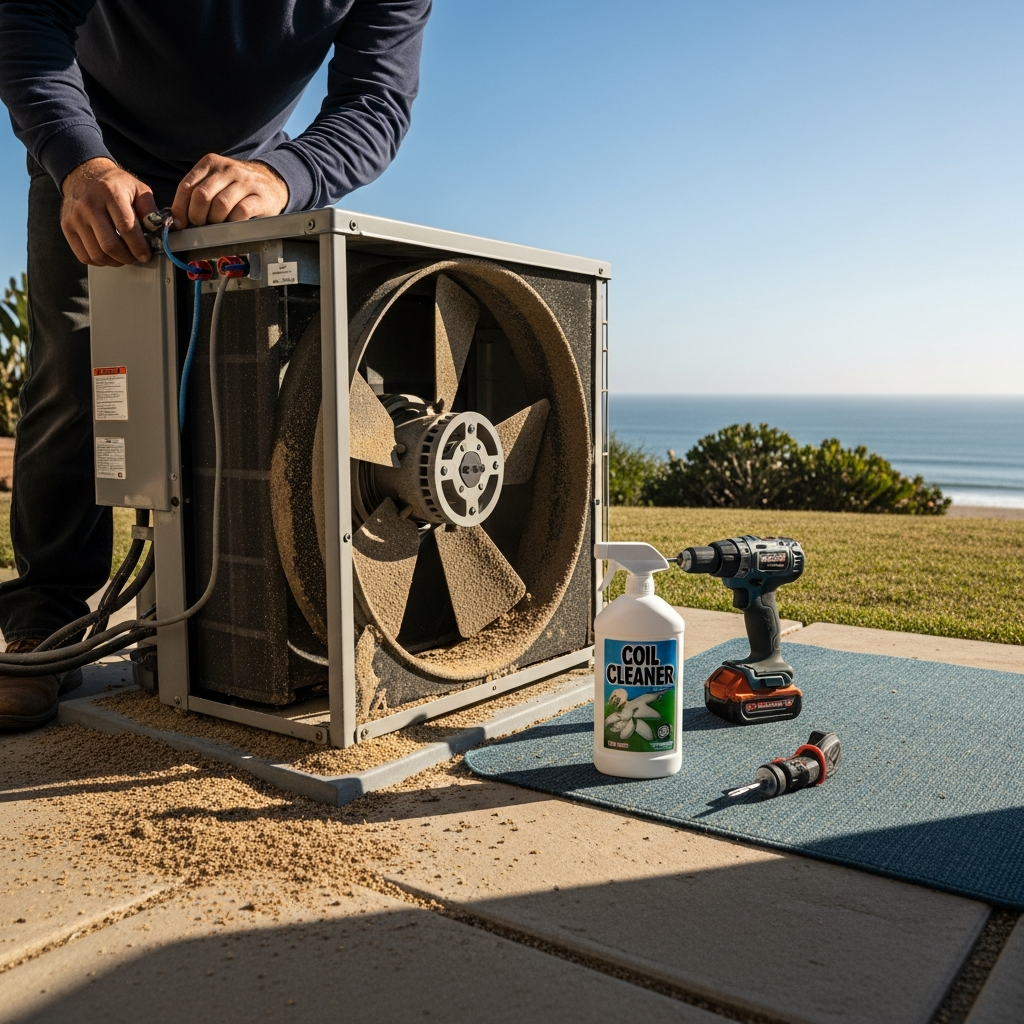
Malibu stretches for miles, and traffic on PCH can turn a simple detour into a delay. Teams that truly operate here build their days around neighborhoods, staging parts and prioritizing calls to keep momentum. Fast means diagnosing quickly and fixing precisely. Coastal know-how helps: a seasoned tech checks for coil fouling from wind-blown grit, corrosion on contactors, and loosened cabinet hardware that vibrates noisily at certain fan speeds. They bring the right coil cleaner, protective spray, and common electrical components likely to fail in salty air.
Quick does not mean rushed. On a reliable visit, you will hear what failed, why it failed, and how to keep it from repeating. Maybe a weak capacitor caused hard-start strain on the compressor. Perhaps condensate backed up after a marine layer morning, tripping a safety float. The explanation should be simple, the remedy clear, and the next steps reasonable.
From first symptom to fix
Most calls begin with a feeling: the air is warmer than it should be, the system runs longer, or the unit outside sounds different. Technicians start with airflow and filtration, then verify temperature split and thermostat accuracy. They look and listen at the condenser, reading the story told by the fan, coil, and cabinet. In coastal neighborhoods, small hints—powdery oxidation near terminals, or sand tucked in a corner of the base pan—can reveal what to test next.
If the system is safe to run, the tech may operate it while taking measurements: voltage drop, amperage draw, refrigerant pressures, and superheat/subcool calculations. With inverter-driven systems, they will often use manufacturer-specific procedures to verify modulation and sensor health. The goal is not guesswork but a measured path to the fault, so the repair holds up through the next heatwave.
Common Malibu repair scenarios
Coils can become coated with fine salt and dust, restricting heat exchange and stressing compressors. Outdoor fan motors may show early wear if wind repeatedly loads the blades. Electrical components dislike moisture and oxidation. Indoors, condensate drains can clog after long cool mornings, and filters suffer during wildfire smoke events when fans run more often for filtration. A thorough repair plan addresses the immediate fault and the context that produced it.
Sometimes the problem is ductwork rather than equipment. A damper stuck halfway can leave a room warm while the rest of the home freezes. Leaky return ducts draw attic air and dust into the system, muddying coils and sapping cooling power. A skilled tech does not stop at the first fixable part; they ask whether pressure, airflow, or control logic is quietly conspiring against comfort.
Repair today, resilience tomorrow
Fast and reliable also means setting the stage for fewer calls later. After a successful repair, a Malibu-savvy team will talk protection—coil cleanings aligned with your microclimate, anti-corrosion steps, and small placement tweaks for outdoor units that get blasted by wind. They will consider how thermostat schedules and fan modes interact with our marine layer, steering you toward gentle temperature transitions that avoid dramatic cycling.
If your system is older or repairs have become routine, the technician might outline a staged plan: prioritize the essentials now, evaluate duct sealing next, and pencil a longer-term equipment upgrade when it makes sense. The conversation is collaborative, shaped by how you live in the home, how often you host, and what areas matter most for quiet and temperature control.
Communication that builds trust
Clear explanations turn stress into understanding. Reliable repair visits end with a recap in plain language: what happened, what was fixed, and what to watch. Photos of the failed part or the cleaned coil help you visualize the work. Written notes on filter intervals or drain maintenance empower you to keep things steady between visits. If a warranty applies, you should know exactly what it covers and what the next steps are.
Timing matters too. Malibu’s days can be unpredictable with traffic and beach events. Pros give honest arrival windows, check in if conditions change, and respect quiet hours, especially in condominiums or close-lot neighborhoods where noise carries on still nights.
When speed matters most
On the first hot weekend after a cool spell, demand surges. Local teams that prepare for this keep extra stock of vulnerable parts and stage technicians strategically. If a same-day fix requires a part run, you will hear the plan, the timeline, and any safe interim steps, like running the fan for circulation or closing specific blinds to reduce heat gain. With complex issues, a short-term stabilization—like temporarily bypassing a failed sensor within safe parameters or adjusting schedules—can keep you comfortable until the full repair lands.
Wildfire smoke, filtration, and sensitive homes
When smoke drifts in from distant fires, your AC often becomes a lifeline for cleaner air. Repairs that restore proper airflow and seal the return path do more than cool; they reduce particulates indoors. A reliable visit checks filter fitment, cabinet seals, and fan settings that support better indoor air quality without stressing the system. For homes with infants, elders, or allergies, this attention to detail is more than a comfort—it is peace of mind.
Mid-course check: getting your bearings
Halfway through any decision, a quick refresher on fundamental air conditioning concepts can help you weigh options. Understanding airflow, heat transfer, and the way your system stages or modulates prepares you to compare recommendations and approve the right repair with confidence.
FAQ: Fast and Reliable AC Repair in Malibu
Can I get same-day AC repair in Malibu?
During mild weather, same-day is often possible. On the first heatwave after a foggy stretch, scheduling tightens, but local teams plan routes by neighborhood to keep responses fast and communication clear.
What are the most common coastal-related AC failures?
Oxidized electrical connections, coil fouling from fine salt and dust, and cabinet vibration from corroded hardware are frequent culprits. Proactive cleaning and corrosion-aware parts help prevent repeat calls.
Should I run the system if it is not cooling well?
If air is flowing but not cooling, it may be safe to run the fan for circulation, but avoid extended compressor operation until a tech verifies charge and airflow. Your provider can advise based on symptoms and measurements.
Do technicians service all brands and system types?
Most Malibu providers handle a wide range of brands, including inverter-driven heat pumps and ductless mini-splits. They bring manufacturer procedures and tools suited to modern systems as well as older equipment.
Will repairs help with indoor air quality during smoke events?
Yes. Sealing returns, restoring airflow, and verifying filter performance improve indoor conditions. Your tech can recommend a balanced filter strategy that your blower can handle comfortably.
What maintenance should follow a major repair?
After stabilizing a system, schedule a follow-up to verify performance under changing weather, confirm drain function, and set filter intervals that match your home’s use and exposure.
How can I prepare before the technician arrives?
Clear access to the indoor unit and outdoor condenser, make note of recent noises or error codes, and set the thermostat to call for cooling so the tech can observe symptoms immediately.
Final word on reliability
Reliable repair in Malibu blends speed with context—a measured diagnosis, coastal-aware fixes, and clear guidance for the road ahead. When you partner with a team that knows these shores, you get comfort today and confidence tomorrow.
Need help now?
If your system is struggling, do not wait for the next heat spike. Reach out to a Malibu-focused team that arrives prepared, communicates clearly, and stands behind the work. Start by grounding your choices with trusted insights into air conditioning, then book the visit that gets your home back to calm, cool, and quiet.