
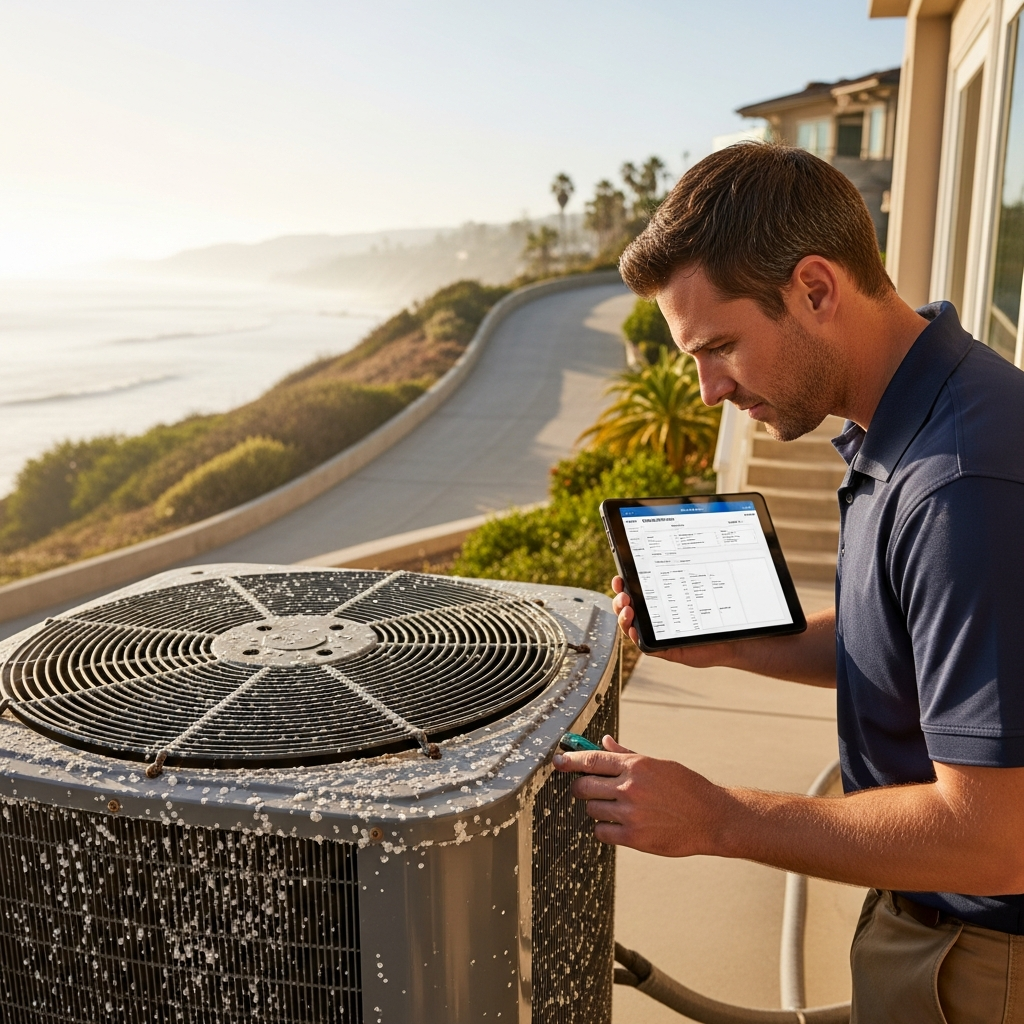
When you search for air conditioning near me in Malibu, what you really want is more than a pin on a map. You want someone who understands the rhythm of the ocean breeze, the way marine layer mornings differ from sunbaked afternoons, and how coastal air quietly challenges every outdoor component of your system. Around here, the difference between a so-so visit and a great one often comes down to local insight—choosing a team that knows the neighborhood, the canyons, and the coastline as well as the equipment itself.
That is why I tell neighbors and friends to look for service providers who pair technical skill with genuine Malibu familiarity. In the introduction of any conversation, I bring up two essentials: responsiveness and coastal protection. Quick, thoughtful scheduling keeps your home comfortable when the forecast flips, while corrosion-aware maintenance keeps your condenser from suffering in salt-kissed air. And if you are just starting your search, it helps to anchor it to a trustworthy resource for air conditioning guidance—then filter for teams who actually work these hills, beaches, and cul-de-sacs week in and week out.
What “near me” really means in Malibu
Malibu is geographically long and varied, stretching along the Pacific Coast Highway and then folding inland across canyons and ridgelines. A provider may be physically close yet unfamiliar with conditions on your street, or they may travel from a few towns over but maintain deep roots in local service. Near, in our context, means experienced with corrosion-resistant hardware, marine layer moisture, wildfire-season smoke impacts, and the way gusty canyon winds can stress outdoor units or stir up fine debris that clogs coils.
When you call for help, ask how the team stages their day. Do they carry coil-safe cleaners designed for salty air? Are they comfortable navigating steep driveways or tight oceanfront setbacks? Do they discuss protective coatings, fasteners, and fan motor selections that stand up to coastal exposure? Local services do, because they have seen what a single season of sea air can do, and they build each visit around that reality.
Understanding Malibu homes and microclimates
Two Malibu addresses can feel like two climates. On the beach, you may battle cool, damp mornings and fog that lingers until midday. Up in the hills, you may feel stronger sun, wider temperature swings, and wind that whips heat away at night. Good design and service account for this. Ductwork might need tighter sealing in a hillside renovation where attic temperatures spike; a beach bungalow might benefit from anti-corrosion components and careful condenser placement to mitigate salt spray. The right technician asks about your sun exposure, drafts, and noise tolerance, then calibrates equipment and settings to the way your house actually lives.
In condos and HOAs, experienced local providers coordinate with building rules and quiet-hour ordinances, choosing placements and sound profiles that keep neighbors at ease. For homes with guesthouses or studios, ductless mini-splits can deliver independent comfort without overhauling the main system, and savvy installers will also think about how evening temperature shifts drive short-cycling if the system is oversized for a smaller zone.
How local pros diagnose quickly and thoroughly
When your AC struggles, you want an orderly, transparent process. A credible Malibu technician tends to start with fundamentals: confirming airflow at returns and registers, checking filter condition, measuring temperature split, and ensuring the thermostat is reading accurately. From there, they evaluate the outdoor unit for coil cleanliness, fan performance, and signs of corrosion or compromised connections. In salt air, simple things like cabinet screws or condenser fan blades tell a story about exposure; technicians who read those clues can prevent the next breakdown, not just patch the current one.
Refrigerant charge is another sensitive area. Overcharging and undercharging both hurt performance and reliability. Local teams who frequently service coastal systems are careful here, using proper instrumentation and verifying performance after adjustments. They also keep an eye on condensate drainage, since humidity swings and airborne debris can lead to sluggish lines, algae growth, or damp spots around the air handler.
Coastal challenges and protective strategies
Few places test an AC like a Malibu summer with alternating mist and heat. Anti-corrosion coatings, stainless or coated fasteners, and judicious placement of the outdoor unit can add years to your system. A modest windbreak can prevent salt spray from directly striking the coil while maintaining code-required clearances for airflow and service. Where the outdoor space is tight, professionals sometimes propose wall brackets or specialized pads that keep the unit out of pooling water and drifting sand.
Electrical components deserve attention too. In salty air, wiring connections, contactors, and capacitors may degrade faster. Proactive inspection and replacement of vulnerable parts can prevent nuisance outages on the hottest afternoon. Local techs keep spares on hand because they know which components fail most often in our climate.
Balancing repair, upgrades, and long-term comfort
Sometimes the best near-me service is a frank conversation about the path ahead. If the equipment is aging and repairs are becoming routine, a Malibu-savvy pro will lay out options—tuning the system for one more strong season, addressing a duct issue that is robbing cooling upstairs, or planning a future upgrade that better fits the home’s layout. Coastal-rated condensers, inverter-driven heat pumps, and thoughtfully zoned mini-splits all have roles to play, depending on your square footage, insulation, and how you use rooms throughout the day.
Upgrades are not just about efficiency numbers. They are about comfort you can feel: steadier indoor temperatures during June Gloom, less noise on late evenings, and improved air quality when smoke drifts in from distant wildfires. A truly local service provider will frame recommendations around those lived experiences rather than specs alone.
Permits, codes, and the Malibu way of doing things
Working in Malibu means working with state energy standards and local permit processes. Technicians familiar with Title 24 requirements, sound ordinances, and HOA guidelines keep projects smooth and compliant. They will think ahead about clearances from property lines and windows, and about locations where noise carries at night. If your home sits on a slope or has tricky access, they will plan for safe staging and cleanup without disturbing neighbors or native landscaping.
For replacements, proper commissioning and documentation matter. Local pros know that fine-tuning airflow and thermostat programming after installation pays off every time the marine layer rolls in. They also prioritize homeowner orientation so you understand filters, modes, and seasonal settings.
Scheduling that fits Malibu’s calendar
Service demand often spikes on the first heatwave after a cool spell. Near-me providers anticipate this by encouraging pre-season maintenance and offering communication that respects your routine. If you host summer guests or run a rental, ask about timing that avoids check-in days. If you travel frequently, arrange for remote thermostat access so you or your caretaker can monitor the system and catch issues early.
Communication is part of service. The best local teams confirm arrival windows, explain findings in plain language, and leave you with practical next steps rather than jargon. In a coastal community where many homeowners manage properties remotely, that clarity is invaluable.
Indoor air quality, wildfire season, and practical filtration
While Malibu’s ocean air is famously fresh, seasonal particulates and smoke can sneak indoors. A right-sized filter strategy—paired with a sealed return system and proper fan settings—can make a substantial difference. In some homes, a variable-speed fan and extended low-speed circulation during poor outdoor air events can maintain comfort and filter the air without big temperature swings. Local providers can help you balance filter performance with airflow so the system breathes freely.
A day-in-the-life service story
One morning, a homeowner near Point Dume called about warm air and a faint rattling sound. A quick filter check revealed heavy dust from recent landscaping, but the outdoor unit told the bigger story: wind-blown grit had settled inside the cabinet, and a few corroded fasteners vibrated loose. After a careful coil cleaning, securement of panels, and a fresh run capacitor, the system delivered a cool, even temperature again. The team also installed a simple wind baffle, discreetly placed to keep grit from swirling into the coil, and put the homeowner on a seasonal cleaning schedule tailored to that specific microclimate. That is the difference a local service makes—solving the issue you called about and the one hiding just around the corner.
Finding the right partner and keeping them close
When you discover a provider who listens, shows up prepared for coastal realities, and communicates clearly, keep that relationship. Annual or semiannual visits create a history of your system that pays dividends when a sudden noise or fault appears. Over time, you will notice fewer surprises and more consistent comfort—even on those tricky, shifting-weather weeks that Malibu is known for.
As you evaluate options, it helps to refresh your understanding of how modern systems manage humidity, airflow, and energy use. Midway through your research, pause to revisit reliable information about core air conditioning principles so you can ask sharper questions and compare recommendations with confidence.
FAQ: Air Conditioning Near Me in Malibu
How fast can a local team typically respond in Malibu?
Response times vary with weather surges, but Malibu-focused teams build routes with our long coastline and canyon traffic in mind. They often cluster visits by neighborhood to keep schedules tight and reduce delays caused by PCH congestion or canyon closures.
What makes coastal AC service different from inland service?
Salt air accelerates corrosion, wind pushes debris into cabinets, and marine layer moisture affects coils and controls. Local services counter with protective coatings, careful placement, and proactive inspection of electrical components more prone to wear.
Do I need special equipment because I live near the ocean?
Not always, but outdoor components that feature corrosion-resistant finishes, stainless or coated hardware, and sealed electrical connections tend to last longer. Your provider can assess exposure on your lot and recommend targeted upgrades rather than blanket changes.
How do Malibu codes and HOAs influence AC work?
Placement, sound levels, and appearance can be regulated. A Malibu-experienced provider plans for clearances, noise ratings, and aesthetics that match community expectations, and they help you navigate approvals so projects move forward smoothly.
What routine maintenance should I schedule here?
Regular filter changes, coil cleanings tailored to coastal exposure, and seasonal performance checks keep systems steady. Many homeowners schedule a spring tune before heat arrives and a late-summer check if the home sits right on the water.
Can my system also help with smoke from wildfires?
A balanced filtration strategy and proper fan settings can improve indoor air during smoke events. Your technician can advise on filter ratings that work with your system and how to operate the fan for better circulation without overtaxing equipment.
Will ductless mini-splits suit a guesthouse or studio?
Yes. Ductless systems shine in smaller or separate spaces, delivering precise control and quiet operation. They are a popular solution for studios, ADUs, and guest suites, especially where running new ductwork would be disruptive.
Is my thermostat strategy different near the beach?
Because mornings can be cool and afternoons warm, smart scheduling and gentle setpoint adjustments help the system glide rather than surge. A local pro can set up modes that feel natural with Malibu’s daily rhythm.
Final steps to steady comfort
As you sort through options, remember that Malibu’s beauty comes with unique HVAC realities. The best near-me service is the one that respects those realities every time they knock on your door. If you want a quick primer while you compare providers, start with trusted information about air conditioning, then choose the team that speaks your home’s language.
Ready for year‑round comfort in Malibu?
If your home needs prompt attention or a thoughtful plan for the season ahead, reach out to a local team that knows our coastline, our canyons, and the way Malibu homes truly live. Schedule a visit today and set your home up for quiet, efficient performance—with a little help from expert guidance on air conditioning that keeps you cool when the sun breaks through and cozy when the marine layer returns.