
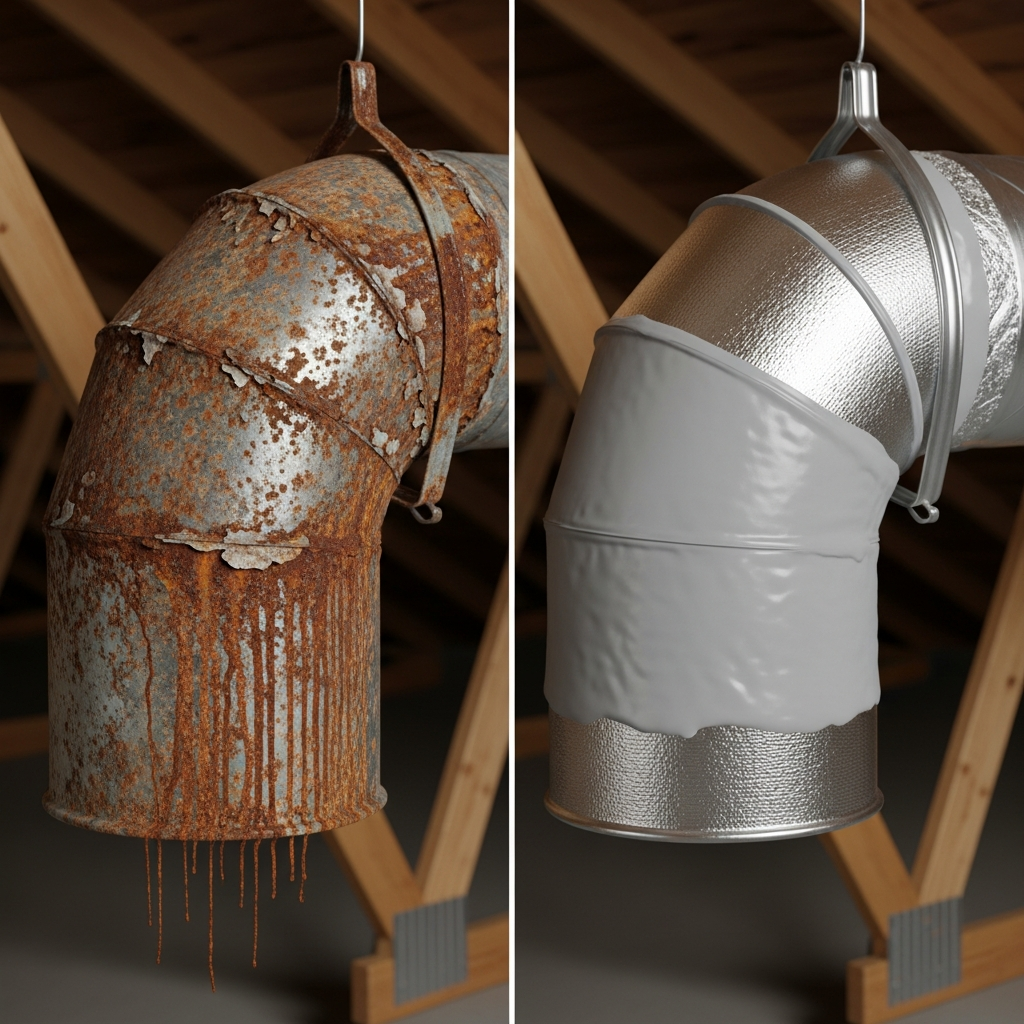
Salt air is the quiet sculptor of Malibu homes. It settles invisibly on railings, window hardware, and, over years, even on ductwork tucked away in attics and crawlspaces. Homeowners usually notice the effects in subtler ways first: a faint metallic odor after foggy mornings, a touch more dust in a room that faces the wind, or a register that begins to sound like a seashell when the system kicks on. When air ducts age in a coastal environment, the question isn’t just whether to replace them; it’s how to replace them so the new network resists the very forces that wore down the old one. A thoughtful plan for duct replacement in Malibu treats salt air as a design parameter, not an afterthought.
Understanding how salt air works on ducts
Ocean spray breaks into fine droplets that the wind carries inland. Even a short distance from the shore, those droplets find their way into attics and underfloors. Given time and humidity, salt can encourage oxidation on exposed metal—especially at edges, seams, and fasteners. In flex ducts, outer jackets and tapes may degrade faster if they’re not suited to the environment. The result isn’t always dramatic corrosion. More often, it’s a mosaic of tiny weaknesses that allow leaks, condensation, and noise to emerge quietly—and grow steadily if left unaddressed.
Material choices that respect the coast
The first shield against salt air is the right material palette. Many Malibu projects rely on galvanized steel for form and durability, enhanced by protective coatings and sealants at seams. Where flexible ducts are appropriate, choose robust jackets with strong vapor barriers and insulation whose facing resists moisture. Corrosion-resistant hangers, screws, and strapping complete the hardware picture. It’s not just about the duct walls; it’s every interface, from boot to register, that needs to hold up when fog settles and night air cools surfaces toward dew point.
Sealing and insulation: your everyday armor
In coastal conditions, airtightness and insulation do more than boost efficiency. They reduce the movement of damp, salty air into the building envelope and keep duct surfaces warm enough to avoid condensation. That means mastics and tapes rated for long-term duct use, carefully applied to every joint, transition, and seam. Insulation should be continuous, properly secured, and protected from UV where daylight sneaks into attics. Think of this layer as the coat that keeps your new ducts from wearing the ocean each morning.
Routing with purpose
Salt air is not uniform; it pools and drifts depending on winds, elevation, and how a home is shaped. In Malibu, a route that avoids under-ventilated pockets or unprotected exterior chases can pay dividends in longevity. Strategically placed returns improve pressure balance and reduce drafts that might pull outdoor air through minor cracks. Gentle transitions, rather than sharp elbows, prevent turbulence that can make noise and encourage joint stress. This kind of routing makes the system feel calmer and keeps maintenance tame over time.
Hardware and supports that won’t quit
The unsung heroes of a lasting coastal installation are the hangers, rods, and screws that hold everything in place. Corrosion-resistant finishes, proper spacing, and attention to seismic bracing preserve the geometry of your ducts long after the initial shine has faded. When supports stay true, duct runs don’t sag, joints remain aligned, and condensation is less likely to gather in low spots. That stability translates to quieter operation and a more reliable system through seasonal changes.
Vent terminations and outdoor components
Where ducts meet the outside world, details matter most. Exterior terminations should resist rust, shed water gracefully, and discourage wind-driven spray from sneaking back into the system. Screens and baffles need to balance protection with free airflow, while sealants and flashings must endure sun, salt, and thermal cycling. Malibu’s coastal edge can be unforgiving if these details are glossed over, but when they’re handled carefully, they disappear into a well-behaved background that you rarely think about again.
Midway checks that shape the final result
During replacement, there’s often a pause when major trunks are set and branches have been mapped but not yet sealed. This is the moment to review return locations, confirm that insulation will be continuous around tricky transitions, and ensure that penetrations are clean and well supported. If there’s a room that feels clammy at dawn or boomy at night, speak up then. It’s also a good checkpoint to verify the plan for duct replacement includes corrosion-minded fasteners and jackets appropriate to your specific exposure.
Testing the new network
After installation, performance testing verifies that the system moves air as designed and that leakage is tamed. This is especially important in salt air zones, where even small leaks can draw moist outside air into attics and crawlspaces. When tests show tight joints and balanced delivery, you’re not just protecting comfort; you’re slowing the very mechanisms that encourage corrosion by keeping damp air away from vulnerable surfaces.
Indoor air quality and coastal living
New ductwork provides a cleaner canvas for indoor air. When ducts are sealed and insulated properly, they carry conditioned air without picking up dampness or odors along the way. Pairing the duct system with appropriate filtration at the equipment side helps manage fine particulates that can drift in during certain seasons. The net effect is a home that smells fresher, feels more even, and doesn’t echo with the hollow sounds of air fighting its path.
Attics, crawlspaces, and the Malibu map
Every neighborhood here has its character. Homes near the beach may battle nightly fog, while those up Las Flores or Latigo see gusty afternoons and quieter mornings. Attics might be shallow, encouraging careful routing to avoid hot roof decks, and crawlspaces can range from sandy to rocky. Understanding these micro-conditions informs every decision, from hanger spacing to whether a run would be happier one joist bay over. There’s no universal template; the best results are local and specific.
Maintenance habits that extend life
Once the ducts are in, simple habits go a long way. Keep equipment filters on schedule, glance at exposed hangers and jackets each season, and check exterior terminations after big storms. If you smell something off after foggy nights or hear new noises, mention it during routine service. Small corrections keep small problems small. In the grand scheme, a calm, consistent system is the surest sign that your corrosion-aware plan is working.
What homeowners notice first
The earliest change is often quiet. Registers that once hissed settle into a gentle, even tone. Rooms that lagged behind the thermostat finally meet you where you are. Coastal dampness seems to recede from the edges of the day. People remark that the home’s rhythm feels smoother, the way a well-tuned instrument vanishes into the song.
Frequently asked questions
How close to the ocean does corrosion become a real issue?
Closer homes experience the effects sooner, but salt air can travel inland with morning fog and prevailing winds. Even a home set back from the shore can benefit from corrosion-aware choices. The right materials and sealing practices slow down the forces at play, wherever your property sits along Malibu’s varied terrain.
Can flexible duct be used near the coast?
Yes, when chosen and installed thoughtfully. Flex with a robust jacket, strong vapor barrier, and disciplined support can perform well. The key is ensuring that bends are gentle, runs are properly insulated, and jackets remain intact. In higher-exposure zones, protective choices and careful routing become even more important.
Do I need special sealants and tapes?
Sealants and tapes should be rated for long-term duct applications and compatible with your materials. In a coastal environment, longevity matters. Properly applied mastics and durable tapes provide the airtightness that keeps moist, salty air from entering the system and condensing on cooler surfaces.
Will new ducts reduce metallic odors after foggy mornings?
They can, particularly when the new network is sealed and insulated to discourage condensation and keep outside air from sneaking into the path. Many homeowners report a fresher feel as soon as the first cool, damp morning arrives after replacement.
What kind of maintenance helps most against corrosion?
Consistent filter changes, seasonal visual checks of jackets and supports, and prompt attention to any odd sounds or smells. After storms or heavy fog cycles, a quick look at exterior terminations and any accessible hangers helps you spot issues early. These simple steps maintain the calm, balanced conditions that slow corrosion.
Are there design tweaks that especially help in Malibu?
Yes. Strategic return placement, gentle transitions, and corrosion-resistant supports are the big three. Couple those with continuous insulation and airtight joints, and you build a system that feels quiet and resilient season after season.
Ready to give your home a salt-smart fresh start?
If you’re noticing the subtle fingerprints of the ocean on your ducts—or if you simply want a calmer, more resilient system—now is a good time to talk. Share how your rooms feel at dawn, which spaces lag, and where you’d like quiet most. A coastal-minded plan replaces guesswork with craft. To begin with a conversation that respects Malibu’s beauty and the realities of seawind, explore duct replacement tailored to salt air, and set your home on a path that breathes easier with the ocean.