
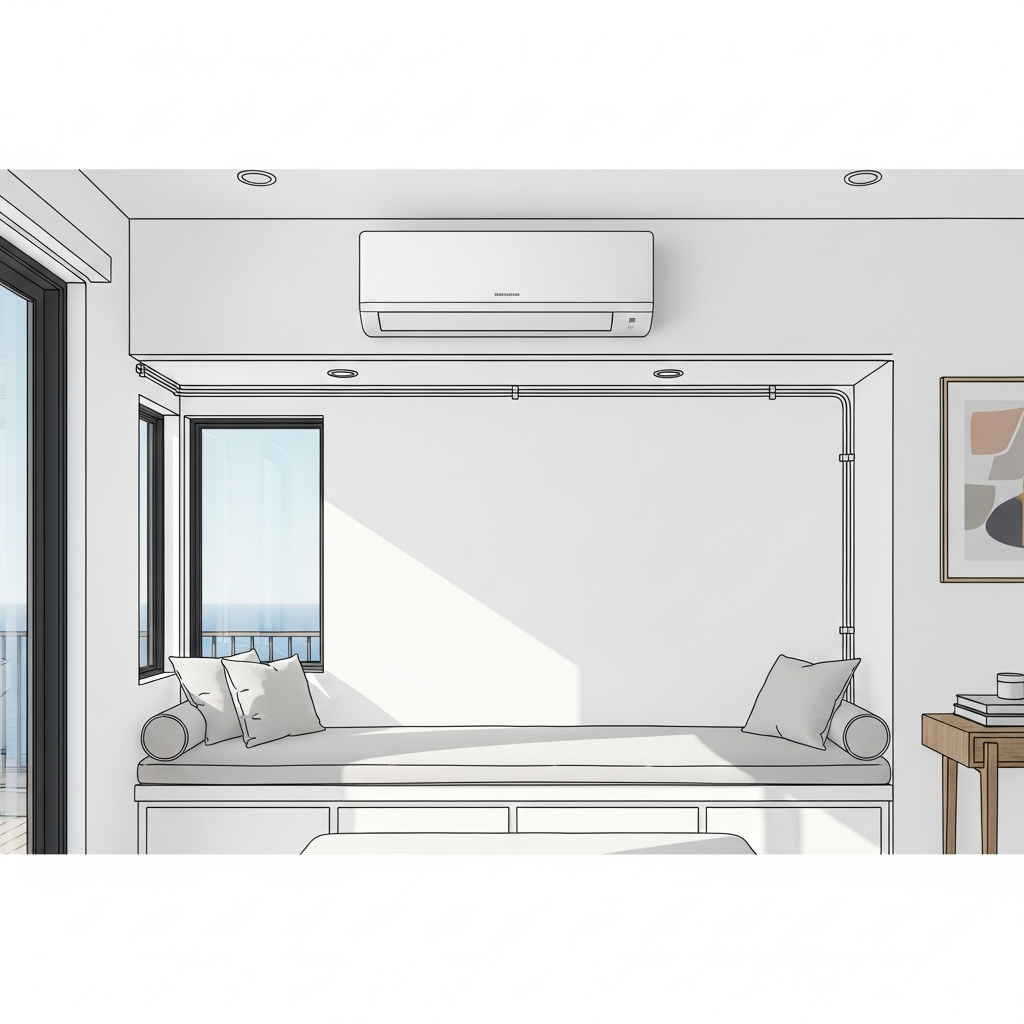
Accessory dwelling units and thoughtful additions have become part of Malibu’s living fabric—guest cottages tucked behind hedges, hillside studios overlooking the water, and pool houses that double as creative spaces. Cooling these spaces well demands a light touch and smart technology. That’s why ductless systems, often called mini-splits, have found a natural home here. They’re quiet, efficient, and flexible, and they blend into architecture without calling attention to themselves. After years of designing and installing systems from Malibu Park to Las Flores, I’ve seen how a well-planned ductless setup makes an ADU feel like a seamless extension of the main home. To help you envision the possibilities, this guide walks through what matters most, from placement to aesthetics to the unique coastal details that keep air conditioning dependable a stone’s throw from the surf.
Why ductless shines in ADUs and additions
Every ADU tells a story. Some are compact retreats where a couple of rooms do it all; others stretch vertically to capture views while treading lightly on the land. Ductless systems match that diversity. A single outdoor unit can serve one or several indoor units, giving each space its own thermostat and personality. If the guest suite prefers a cooler evening while the art studio likes gentle, steady cooling, a multi-zone ductless setup grants both without compromise. Just as important, you’re spared the disruption of carving new ducts through tight framing or finishing work you’ve carefully curated.
Efficiency is another draw. Variable-speed compressors whisper along, modulating to match the load rather than blasting on and off. In Malibu’s climate, this means the system rides the marine layer’s cool mornings and the afternoon warm-up with poise, maintaining comfort without drama. You also get filtration at each indoor head, a boon for spaces where guests come and go and indoor air quality needs to hold steady.
Designing for Malibu’s microclimates
Placement is everything. On the coast, we want outdoor units to catch a breeze but avoid direct salt spray. Tucking the condenser onto a wall bracket above grade keeps leaves and sand from accumulating at the base and reduces corrosion risk. In canyon sites, where air can sit still, we orient the unit to benefit from natural airflow and avoid hot pockets that make compressors work harder. Noise is a design choice too; keeping outdoor units away from bedroom windows or meditation corners preserves the quiet that makes Malibu nights so restorative.
Inside, consider how each room is used. A wall-mounted unit in a living area might be perfect, while a low-wall console can nestle under a window seat, and a ceiling cassette might all but disappear in a tall studio. In additions with tall glass, we angle airflow to wash the warmest surfaces gently, balancing the room without drafts. The goal is to let the space breathe comfortably while your eyes rest on the view, not the equipment.
Permitting, power, and practicalities
Malibu’s permitting process supports safe, efficient installations and respects community character. Expect to document equipment specs and confirm clearances. Title 24 energy considerations guide selection, especially for multi-zone systems and when additions tie into the main home. On the electrical side, a dedicated circuit is typical, and line length matters; we plan routes that keep refrigerant lines short and tidy while protecting them from the elements. Line set covers can be chosen to match exteriors, and careful routing avoids visual clutter.
Condensate management deserves a spotlight. Every indoor unit needs a clear path to drain. In hillside or elevated additions, we map drainage to avoid traps, prevent algae buildup, and keep walls unmarked. Where gravity isn’t kind, quiet, reliable pumps step in. Planning these details early preserves finishes and supports long-term reliability.
Coastal protection that pays off
Salt air is persistent. We specify outdoor units with corrosion-resistant coatings and hardware, and we add protective coatings when proximity to the beach calls for extra care. Keeping units slightly sheltered, yet still well ventilated, strikes the right balance. Rinsing schedules become part of the home’s routine—gentle, periodic rinses from the inside out keep fins clear without bending them. For homes that host frequent gatherings, we also talk about simple habits: don’t lean surfboards or beach gear against the unit, and keep landscaping a respectful distance to let air move freely.
Another coastal angle is wind. In exposed sites, wind baffles keep performance steady and reduce recirculation of hot exhaust air back into the coil. Mounting hardware gets attention too—stainless fasteners and isolation pads help preserve both the unit and the serenity of the space by minimizing vibration transfer.
Comfort, control, and quiet
A ductless system’s superpower is room-by-room control. Guests can tailor the bedroom to their taste without freezing the living area. Studios can stay gently cool during a creative sprint without over-conditioning the rest of the ADU. Many systems now offer app control, which is handy when you prepare a guest space before arrival or shut things down after a weekend visit. Thermostat placement and sensor calibration matter; we keep controls away from direct sun and drafts, accounting for Malibu’s shifting breezes.
Quiet operation is part of the allure. Variable-speed fans indoors and out keep sound levels low, and thoughtful placement makes them lower still. If your ADU doubles as a home office or recording nook, we’ll tune fan speeds and set quiet modes for certain hours. The goal is comfort that fades into the background of your day.
Blending in: aesthetics and finishing touches
With ductless, you’re not stuck with a one-size-fits-all look. Indoor units come in neutral finishes, and ceiling cassettes practically disappear. Outside, color-matched covers for line sets, neatly routed conduits, and compact mounts make the system feel intentional rather than tacked on. In additions that face neighbors closely, we use placement and fencing to conceal equipment without blocking service access. The result is a system you hardly notice, even up close.
In the middle of planning, remember that dependable air conditioning transforms how an ADU or addition feels day to day. The right design serves guests without fuss, protects finishes from humidity, and keeps creative spaces inviting when inspiration strikes. That steady comfort is what turns a backyard structure into a living, breathing part of your home’s story.
Maintenance made simple
Ductless systems reward light, regular care. Rinse outdoor coils gently a couple of times a year and wipe indoor unit filters per the manufacturer’s guidance—usually a quick, satisfying task. Plan a professional visit before summer to inspect electrical connections, verify refrigerant charge, and confirm condensate drainage. On the coast, a brief mid-season check can be invaluable, especially for units perched close to the shoreline. These small steps prevent small issues from stealing cool on a warm evening when friends are over.
Future-proofing is smart too. If your ADU might evolve—from guest stays to long-term living—consider multi-zone capacity and electrical provisions that can handle an extra indoor unit later. Discuss Wi‑Fi controls that integrate gracefully with the main home’s routines. Ductless makes growing with your needs straightforward when you plan the backbone carefully.
FAQ
Will a ductless system keep a glass-heavy studio comfortable? Yes, with proper sizing and smart placement. We direct airflow to wash warm surfaces gently and select capacities that match the space’s solar gain, delivering even comfort without drafts.
How many rooms can one outdoor unit serve? It depends on the model and capacity. Multi-zone condensers commonly support two to five indoor units, each with its own control, making them ideal for ADUs with distinct areas.
Are ductless systems loud? No. Indoors, they whisper, and outdoors, placement and variable speeds keep sound discreet. For sensitive spaces, we can tune settings and add isolation to minimize vibration.
What about corrosion near the beach? We specify units with coastal protections, add coatings when needed, and plan for gentle rinsing. Mounting above grade and avoiding direct salt spray extend longevity significantly.
Can I control the system remotely? Many ductless systems offer app control, allowing you to pre-cool a guest suite or ensure everything’s off between stays. We’ll help configure reliable connectivity.
Do ductless heads affect interior design? With careful placement and finish choices, indoor units blend in. Ceiling cassettes nearly vanish, and wall units can align with trim or shelving for a tailored look.
Is ductless a good solution for garages converted to living space? Often, yes. After insulating and sealing, a properly sized ductless unit provides targeted comfort without invasive duct runs, making it a popular choice for conversions.
How much maintenance is required? Light, regular care—filter cleaning, gentle outdoor rinses, and annual professional checks—keeps ductless systems performing beautifully, even in Malibu’s salty air.
When you’re ready to make your ADU or addition feel like it has always belonged, let’s walk the space together and design a ductless solution that delivers quiet, graceful comfort. We’ll protect your finishes, respect your views, and keep the details tidy. For thoughtful design and reliable support for your home’s air conditioning, get in touch and let’s bring your Malibu project to life.