
What Green Really Means for Malibu Homes
When Malibu homeowners ask about the environmental impact of air duct cleaning, they often imagine two competing images. In one, a crew uses energy-hungry equipment and chemical fogs that smell like a lab. In the other, a thoughtful team arrives with HEPA filtration, careful containment, and a plan that keeps your indoor air cleaner while respecting the coastal ecosystem outside your doors. The second picture is the one we aim for here—a version of service that accounts for the realities of salt air, marine fog, canyon winds, and the wildlife corridors that braid through our neighborhoods. If you are new to this subject and want a grounded overview, start with a plain-English guide to professional air duct cleaning so you can place environmental questions in the context of method and results.
The truth is that every service choice carries an environmental footprint. The goal in Malibu is to minimize it thoughtfully while maximizing health benefits. That balance starts with the equipment: HEPA-filtered collectors capture fine particulates so they do not escape into the home or the outdoors. Containment around registers and returns prevents drift. Agitation tools are selected to remove debris without damaging duct surfaces, which would shorten material life and generate avoidable waste. The team’s habits matter as much as their tools—how they stage equipment to avoid spills on native plantings, how they manage vehicle idling near sensitive neighbors, and how they pack out waste at the end of the day.
Indoor Air Quality as Environmental Stewardship
It is easy to define environmental impact as what happens outside the home, but indoor air quality is part of the same circle. Malibu’s microclimates bring salt, ash, and dust indoors, where they accumulate in returns and ducts. Removing this load with HEPA capture improves the air you breathe and lowers the particulate burden that would otherwise settle on surfaces and require frequent cleaning with water and chemicals. Cleaner ducts can mean less dusting, fewer harsh cleaners, and a calmer indoor environment. In that sense, proactive care is a soft form of environmental stewardship—reducing indoor chemical use and supporting well-being.
There is also the question of system efficiency. While duct cleaning is not a replacement for proper sealing, balancing, or mechanical upgrades, a cleaner system is often a smoother system. Blowers move air without pushing against layers of dust, and coils remain cleaner longer when particulates are reduced. Over time, this can support steady operation, which translates into fewer wasteful cycles and less stress on components. The outcome is subtle, but in a town where air conditioners hum through foggy mornings and sunny afternoons alike, subtle adds up.
Choosing Methods With a Light Touch
The greenest step is often the gentlest one that still works. Physical removal of debris—guided by negative pressure and filtered by HEPA—should be the core of any method. Where additional measures are considered, context is everything. If moisture intrusion has occurred, a targeted, well-chosen sanitizer may be justified. If surfaces are dry and intact, restraint is the environmentally responsible choice. A provider who defaults to broad-spectrum chemicals regardless of conditions is not working in harmony with either your home or the coastal environment.
Tool selection also shapes impact. Soft-bristle brushes protect duct surfaces, preserving material life. Whip assemblies reach deep into flexible runs without tearing liners when used correctly. Photography before and after builds trust and reduces the temptation to over-apply products in search of a dramatic scent or sheen. Malibu’s green path is quiet competence rather than theatrical “freshness.”
Logistics: Small Decisions, Big Differences
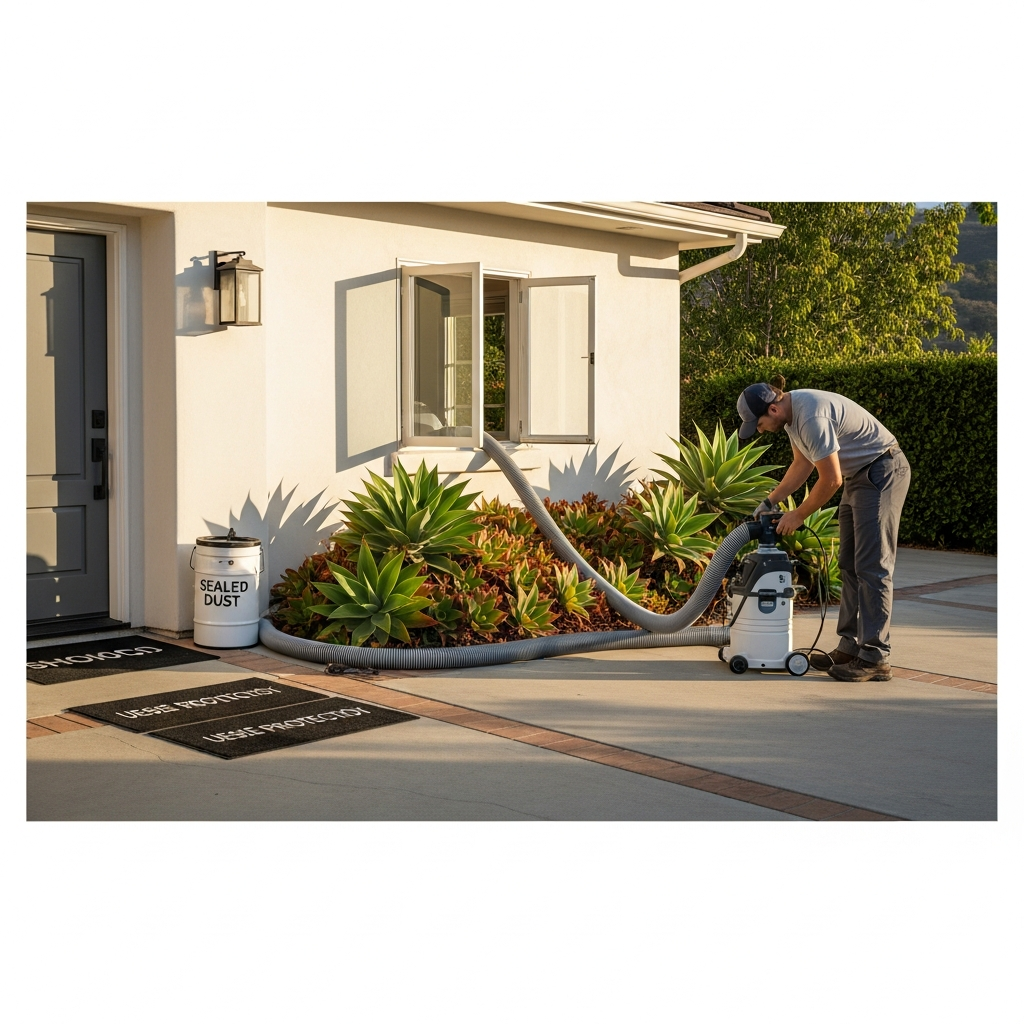
Service vehicles and equipment staging can either respect or ignore Malibu’s landscape. Crews that plan parking to avoid blocking narrow lanes reduce idling and neighbor frustration. Hose routes that protect vegetation and hardscape minimize incidental damage. Equipment that is maintained well operates more efficiently and avoids leaks. Even the choice to carry reusable runners and washable corner guards reduces disposables headed to landfill. Thoughtful crews also consolidate trips by grouping nearby appointments when possible, which trims miles driven without sacrificing service quality.
Waste handling is another lever. Dust captured by HEPA systems remains contained for proper disposal. Filters removed from your system are bagged and handled cleanly. Any packaging from replacement materials is packed out and recycled where facilities allow. It is the unglamorous side of green service, but it is where intentions show up in practice.
Malibu’s Unique Air and What It Means for “Green” Cleaning
Our environment delivers salt microcrystals with the marine layer, fine canyon dust on windy days, and, in certain seasons, smoke and ash from regional fires. A green cleaning approach recognizes these inputs and adapts. On heavy fog mornings, technicians may stage containment differently to keep moisture out of open ducts while work proceeds. In seaside neighborhoods, oxidation inside metal trunks calls for softer brushes to avoid unnecessary abrasion. After smoke events, extended agitation and filter changes capture particulates without resorting to fragrances that simply mask odor.
Properly sequenced work also prevents re-contamination. Doors close when possible, windows are managed to reduce incoming particulates during service, and zones are cleaned in a way that keeps air moving toward the collector. These operational choices amplify effectiveness so that fewer repeat visits are needed—a quiet environmental win.
Homeowner Habits That Multiply Benefits
What you do after a professional cleaning shapes environmental impact as much as what the crew does during it. Balanced filtration reduces indoor dusting and the chemical cleaners that often follow. Managing windows on fog-heavy mornings lowers the volume of salt entering your system. During Santa Ana winds, keeping windows closed and relying on filtration prevents fine particulates from embedding in fabrics and surfaces, reducing the need for deep cleanings and associated water and product use.
For second homes or guest houses, smart scheduling clusters maintenance tasks to minimize trips. Coordinate with your provider to align duct attention with other services, like HVAC tune-ups or filter deliveries. By thinking in terms of bundles rather than one-off calls, you reduce vehicle miles and the disruptions that accompany them.
Materials, Coatings, and When Less Is More
In discussions about green practices, coatings and sealants often take center stage. In Malibu, restraint is usually the greener choice. If duct interiors are intact and dry, sealing them just to add a talking point can shorten material life or introduce unnecessary compounds into your indoor environment. When a targeted application is justified—for example, after repair of a moisture source—a thoughtful provider will explain the product, its certification where applicable, and why it fits your situation.
Grilles and registers deserve the same philosophy. Gentle, non-abrasive cleaning preserves finishes and avoids the need for replacement or repainting. A small scratch saved is a small resource saved, and in homes finished with care, these little decisions add up to visible environmental respect.
Documentation and Transparency
Transparency turns green claims into green practice. Photo documentation of ducts and the air handler cabinet before and after cleaning lets you verify that physical removal, not chemical cover, did the work. Clear descriptions of containment, filtration, and waste handling invite informed questions. When a provider explains how they will protect your stair railings, avoid contact with native plantings, and stage equipment to minimize idling, you are hearing environmental thoughtfulness translated into a day’s plan.
Documentation also supports continuity. If you schedule maintenance again next season, the team can compare images and adjust scope intelligently. This prevents over-servicing and the needless consumption that comes with it.
Community, Wildlife, and Sound
Green service respects not only air and materials but also neighbors and wildlife. In canyon neighborhoods where hawks nest and deer wander, quiet staging and mindful movement reduce disturbance. On Malibu Road or in the Civic Center area, considerate parking and communication prevent congestion. Equipment sound is inevitable, but crews can position collectors to shield noise with structures, reducing the sonic footprint while maintaining performance. These softer dimensions of impact matter in a community that values calm as part of its natural beauty.
Health Equity Inside the Home
Environmental choices intersect with health. Families with elders, infants, or respiratory sensitivities benefit from reduced particulate loads indoors. Cleaner ducts and good filtration can ease day-to-day living for these residents, potentially reducing reliance on fragranced cleaners or air fresheners. Those products often carry hidden environmental and health costs. By focusing on removal and prevention rather than masking, you serve both body and environment.
Midway Check: Are You on the Green Path?
If you are partway through your planning and want to confirm that your choices line up with your values, pause and revisit fundamentals. Are you prioritizing physical removal under negative pressure with HEPA capture? Are you reserving chemicals for true need? Are you coordinating maintenance to reduce trips? If you would like a crisp refresher on the standards and steps involved, consult this clear guide to air duct cleaning to sharpen your checklist before you schedule.
Frequently Asked Questions
Is duct cleaning environmentally friendly? When performed with HEPA filtration, strong containment, and restraint with chemicals, it can be part of a green home strategy. It reduces indoor particulates, supports smoother system operation, and, done thoughtfully, has a small outdoor footprint.
Do green methods sacrifice effectiveness? No. Physical removal is the most effective way to clear debris, and it is inherently aligned with green principles. Chemical products have targeted roles but are not substitutes for proper technique.
What about waste from the process? Dust and debris captured by HEPA collectors are contained for proper disposal. Used filters are bagged and handled cleanly. Responsible providers recycle packaging where facilities allow and avoid single-use protective materials when reusable options work.
Will cleaning help during wildfire season? Yes. Removing settled particulates and refreshing filters helps restore indoor air quality after smoke events. Additional steps may be needed for fabrics and surfaces, but system cleaning is a key part of recovery with minimal environmental downside.
How can I reduce the service’s travel footprint? Coordinate appointments with other maintenance tasks, choose local providers familiar with Malibu routes, and, where feasible, schedule alongside neighbors to consolidate trips. Small logistical choices add up.
Do green services cost more in other ways? The aim is wiser, not heavier. By focusing on method and prevention, you often reduce repeat visits and heavy-handed chemical use. The result is a cleaner home and a lighter environmental handprint.
Choose the Green Road for Malibu Air
Malibu living invites us to care for the spaces inside our homes with the same attention we give to the ocean and canyons outside. By selecting methods that prioritize HEPA capture, careful containment, and restraint with chemicals, you support healthier air while keeping the environmental footprint modest. When you are ready to align home comfort with coastal values, begin with a practical guide to air duct cleaning, then schedule with a team that treats your home, your neighbors, and Malibu’s natural beauty with the respect they deserve.