
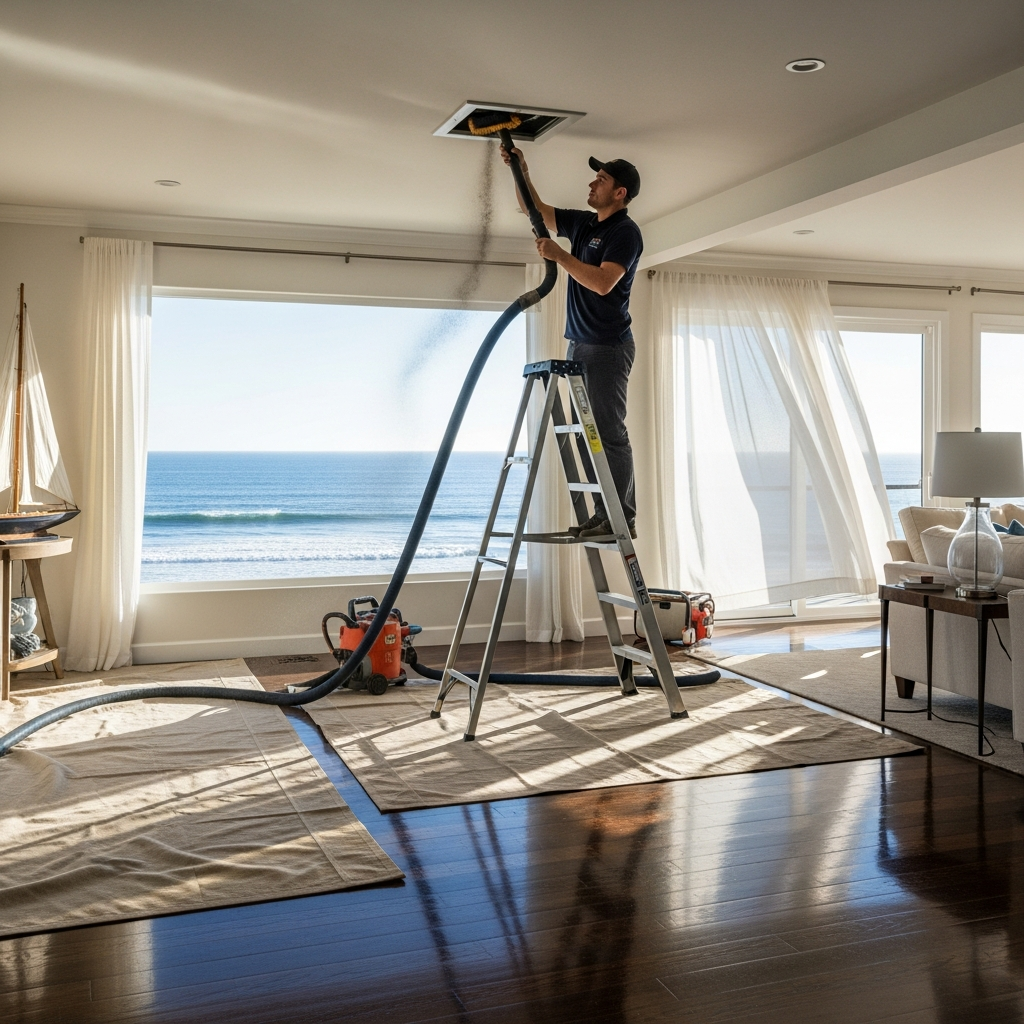
When you live in Malibu, you feel the ocean in everything—the breeze that rolls in at dusk, the salt tang in the morning air, and, if we’re honest, the grit that inevitably finds its way into every corner of a home. That same mix of coastal moisture, fine sand, and seasonal wildfire particulates can quietly settle into your HVAC system and begin circulating through your living spaces. So if you’ve been searching for truly local expertise in air duct cleaning near me in Malibu, California, you’re already on the right path to protecting your indoor air quality and the longevity of your system.
As a local who works in homes from Serra Retreat to Point Dume and along the winding canyons that shape our microclimates, I can tell you that duct systems here face a unique set of stressors. We get cool, damp mornings that invite condensation, followed by afternoons that drive dust and pollen off the hillsides. Add in the occasional Santa Ana winds that carry ultra-fine particles and the periodic rebuilding and remodeling that many Malibu homes undergo, and you’ve got a recipe for layers of buildup inside supply and return ducts. Over time, that buildup can compromise both comfort and health, while making your system work harder than it should.
The question I hear most is, “Do my ducts really need cleaning?” The honest answer is that not every system is equally affected, and that’s why a thoughtful inspection is so valuable. We look for visible accumulations near registers, debris released when air first comes on, stale odors that linger despite fresh ocean air, and signs of uneven airflow room to room. In Malibu, I also keep an eye out for salt film, soot-like residue from past wildfire seasons, and evidence of damp spots around shoes in coastal crawlspaces—each a clue about what your ducts may be pulling in.
When you schedule a professional visit, the first step should be a thorough walkthrough. This includes counting registers and returns, mapping out duct runs, identifying equipment placement (especially in hillside homes where air handlers might be tucked into creative spaces), and discussing any prior renovations that could have introduced construction dust. A well-done inspection often includes photographs of trouble spots and a plain-language explanation of what’s happening inside your system. In older beach cottages with tight utility closets, we also evaluate access so that the setup for cleaning doesn’t disrupt your day more than necessary.
The cleaning process itself combines negative-pressure vacuuming with agitation methods to loosen and collect debris. You’ll often see technicians seal off registers temporarily, attach a high-powered vacuum to a strategic point in the ductwork, and then work each branch with soft-bristle brushes or air whips to move debris toward the collection unit. The goal is to capture everything safely, not to blow dust into the living space. Good protection includes drop cloths, register sealing, and careful handling around finished floors and delicate surfaces—especially important in Malibu residences where salt air can make finishes more sensitive over time.
One of the underappreciated benefits of a proper cleaning is restoring balanced airflow. In homes along the canyon ridges, thermal layering can make certain rooms run hotter or cooler. A system with partially blocked or dusty runs may exacerbate those differences. After a careful cleaning, it’s not unusual to notice more even temperatures, less fan noise, and shorter run times to reach the same level of comfort. Whether your home leans modern with floor-to-ceiling glass or is a lovingly restored bungalow, that smoother, quieter performance is part of what homeowners tell me they appreciate most.
Odor control is another driver for many Malibu households. Coastal moisture can mingle with pet dander, cooking residues, and that faint, smoky hint that lingers after a windy autumn. When buildup accumulates, your system essentially becomes a memory bank for those smells. Cleaning the ducts, returns, blower compartment, and—in some cases—the evaporator coil housing can reset the baseline of your home’s scent. While no single service can compensate for an always-open slider to the deck, removing the reservoir of embedded particles sets you up for fresher air and a home that smells like the ocean breeze you love without the musty undertone you don’t.
Local conditions influence scheduling, too. Many residents prefer to book around transitional seasons: after the dusty late-summer winds or following winter’s damp months. Those windows help you start fresh before running the system more heavily. Vacation rental owners often plan service ahead of peak booking periods, ensuring guests arrive to crisp air and confident airflow. Full-time residents sometimes align duct care with other home maintenance—like window washing after a windy spell or deep cleaning following a renovation—so the home feels cohesive and refreshed at once.
Because Malibu homes range from tight-lot cottages to expansive estates tucked along ridge lines, the logistics can vary. Good teams communicate clearly about parking, equipment placement, and protecting access routes. In some neighborhoods, HOA rules or narrow driveways shape how we stage vacuums and hoses. On sloped lots, we plan equipment pathways that won’t scuff decking or distress landscaping. A little preparation in these details keeps the day running smoothly and your home undisturbed.
Choosing a provider is as much about fit as it is about technique. Look for clear explanations, proof of insurance, and a service approach that respects your schedule and property. Ask how they protect fine finishes, what they do to contain dust, and whether they provide before-and-after documentation. Malibu has many homes with custom millwork, integrated art, or specialty surfaces; you want a team that understands how to work around those gracefully. Providers who routinely serve hillside homes will also be realistic about timing, since elevation, tight mechanical rooms, and longer duct runs can affect the pace of the day.
In the middle of the service conversation, consider also the broader health of your HVAC system. Filters with the right MERV rating for your equipment, correctly sealed returns, and an inspected blower assembly can help lock in the benefits of a cleaning. This is the point at which I often recommend reviewing filter change intervals, discussing humidity management on foggy mornings, and recalibrating how you run your system when your windows are open. Pairing professional air duct cleaning with small, consistent habits keeps your air fresher for longer.
For households with allergies or sensitivities, we talk through expectations. Cleaning ducts won’t eliminate pollen that drifts in when you swing open the patio doors, nor will it stop a dog from being a dog. But reducing built-up particulates cuts down on what gets recirculated again and again. Many families notice less dust settling on surfaces and a reduction in that telltale haze illuminated by afternoon sunbeams. Combined with diligent filter changes, the result is a calmer baseline for your indoor environment—even when Malibu’s outdoor conditions are dynamic.
Another local factor is wildfire residue. Even if flames never came near your street, fine smoke particles can travel miles and lodge in ductwork and around registers. In the months after a bad season, I’ve encountered systems with light soot dusted across the return plenum or tucked into the first few feet of supply branches. A comprehensive cleaning aims to capture this material and restore a clean pathway for air. If a home has been closed up for extended periods after a fire event, the service may also include checking for odors within the air handler cabinet and making sure condensate drains are clear so moisture does not amplify any remaining smells.
Vacation homes and part-time residences add their own twist. Systems in rarely occupied homes sometimes go longer between runs, which means dust can settle undisturbed for months. When owners return and immediately crank on cooling or heating, that first rush of air lifts a lot at once. Pre-arrival cleaning helps avoid that initial plume and ensures that guests or family walk into a space that feels thoughtfully prepared. It’s also a good moment to test thermostat programming, confirm return grilles are unobstructed, and verify that the outdoor unit is free of windblown debris.
Homes near the shoreline deal with salt, which can encourage surface rust on metal registers and, over time, on sheet metal transitions in mechanical spaces. While duct cleaning isn’t a rust treatment, it gives you a transparent view of where salt has been settling and whether any components need attention from an HVAC technician. When we spot early signs of corrosion, we flag it so it can be addressed before it compromises performance. This kind of proactive care is part of living well at the coast: enjoy the ocean, and keep the infrastructure that supports daily comfort in reliable condition.
If you’re wondering how disruptive the day will be, the answer is that a prepared crew works quietly and methodically. We stage equipment in a way that allows you to move around your home, and we coordinate with you if certain rooms should be handled first. Pets are part of many Malibu households, so we plan around them, too—friendly, anxious, or happily napping in a sunbeam. Clear communication, respectful footprints, and a tidy wrap-up are hallmarks of service that leaves your home better than we found it.
After the work is done, maintain the momentum. Keep returns clear of furniture and textiles. Open windows strategically on days with good air quality, and rely on your system when winds kick up dust. Monitor how quickly dust returns to surfaces; slower accumulation is a great sign you’re on the right track. If you entertain often, host out-of-town guests, or run your HVAC daily during temperature swings, consider setting a reminder to reassess your ducts within a reasonable window that fits your household’s rhythm.
Malibu’s beauty is tied to the environment that constantly moves around us. Embracing that setting means caring for the parts of our homes that interact with it most closely. Clean, efficient ductwork is part of that stewardship, letting your system do its job without dragging yesterday’s air into today. Whether you’re perched above the Pacific or nestled in a quiet canyon, a thoughtful approach to your ducts supports the calm, comfortable atmosphere that makes home feel like a sanctuary.
How do I know if my Malibu home needs air duct cleaning?
Look for persistent dust on surfaces despite regular cleaning, visible debris on register grilles, stale or musty odors when the system starts, and uneven airflow between rooms. Homes exposed to wildfire smoke, heavy winds, or recent remodeling often show earlier signs. A professional inspection with photos can confirm whether buildup is present and where it’s most pronounced.
Will duct cleaning improve indoor air quality near the coast?
It can significantly reduce recirculating particulates such as fine dust, pet dander, and smoke residue. While open windows and ocean breezes will always introduce new outdoor air, removing the reservoir of built-up debris from your ducts reduces the baseline load on your home. Paired with the right filters, you can expect cleaner air and less frequent dusting.
How long does a typical service take in Malibu homes?
Timing varies with home size, number of systems, access, and how much buildup is present. Compact beach cottages with straightforward layouts may be completed more quickly than multi-level homes with long duct runs and equipment in tight spaces. Your provider should outline a realistic time frame after the initial walkthrough.
Is the process messy or disruptive?
With proper containment—sealed registers, drop cloths, and negative-pressure collection—the process is designed to remove debris without releasing it into your living spaces. Crews that work regularly in Malibu are used to protecting fine finishes and navigating tight access points, making the day as low-impact as possible.
Can duct cleaning help with odors from wildfire smoke?
Yes. Removing soot-like particulates from returns and supply branches often reduces lingering smoky odors. For homes that were closed up for long periods after a fire event, it may also be useful to assess the air handler cabinet and coil housing to ensure all odor sources are addressed.
How often should I schedule cleaning?
Frequency depends on factors like pets, allergies, wildfire exposure, and how often you run your system. Many Malibu households reassess every couple of years, with inspections guiding whether to clean sooner or later. Your technician can recommend a cadence based on your home’s location and lifestyle.
Do I need to be home during the service?
It’s helpful for the initial walkthrough and wrap-up so you can review photos and discuss results. During the work itself, many homeowners come and go. If pets are present, coordination ensures doors and gates remain secure.
Will cleaning damage my ducts?
When performed by trained professionals using the right tools for your duct type—sheet metal, flex, or fiberboard—the process is designed to be thorough and gentle. The goal is to dislodge debris without stressing the materials. Proper technique and equipment selection are key.
Schedule your Malibu air improvement today
If you’re ready to breathe easier and want the job done with the care Malibu homes deserve, reach out to a trusted local team for an inspection and plan that fits your space. For a smooth start and a home that feels as fresh as it looks, book professional air duct cleaning and enjoy the difference every time your system turns on.