
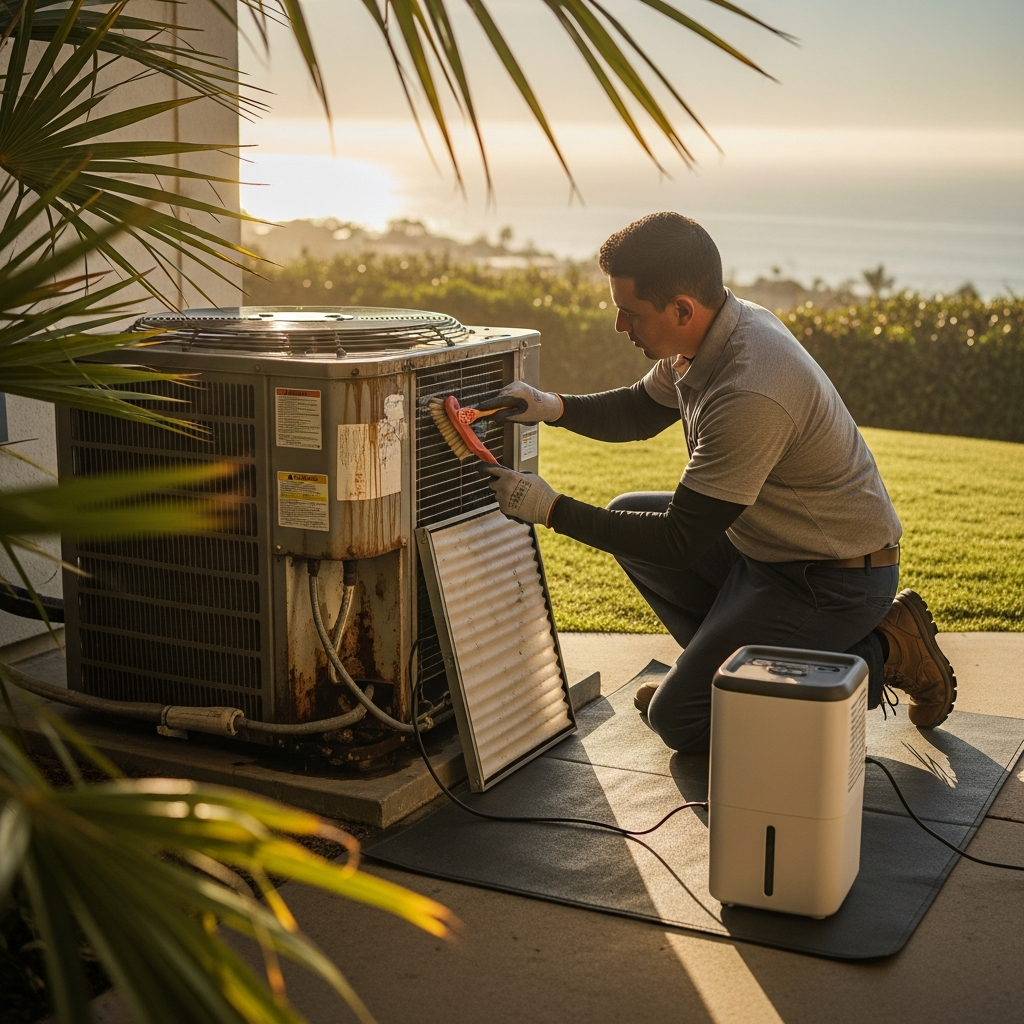
In Malibu, seasons are defined less by snow or severe freezes and more by rhythms of sun, wind, and ocean. That rhythm shapes how your cooling system breathes and when it needs care. Seasonal maintenance isn’t a checklist you do because it sounds responsible; it’s a way to make your home feel calm, clean, and consistent through marine layers, heat spikes, and the occasional smoky day. After years of tuning systems from the beach to the canyons, I’ve learned that a well-timed visit can prevent most urgent calls, reduce noise, and keep humidity in the sweet spot—especially important in homes with expansive glass, custom finishes, and sensitive materials. A little attention in spring and a thoughtful review after peak season can stretch equipment life, elevate comfort, and remind you why living by the ocean feels so effortless. Along the way, we’ll make targeted suggestions about air conditioning care that match Malibu’s climate rather than a generic calendar.
Why Malibu’s Climate Demands a Custom Maintenance Rhythm
Coastal air is generous with salt and moisture, and Santa Ana winds trade that for hot, dry blasts. Your outdoor condenser sits at the intersection of these forces, pulling air through delicate fins that can corrode or clog if left alone. Attics can swing from cool to punishingly hot, stressing air handlers and duct insulation. Meanwhile, wildfire season can load filters and coils with fine particulates overnight. Maintenance in Malibu is about anticipating those shifts. We target coil cleaning that respects landscaping, check electrical components that age faster near salt air, and verify drains during humid spells. Timing and technique keep small issues from swelling into uncomfortable weekends.
Spring: Set the Stage for Silent Performance
Before the first real heat arrives, we tune the system the way a musician tunes an instrument. We start with airflow, because everything depends on it. Filters get attention not as an afterthought but as a performance variable—too dense and they choke the blower, too flimsy and they let dust settle on coils. We inspect return paths, ensure registers aren’t obstructed by winter rearrangements, and measure static pressure to confirm the duct system is ready to move air efficiently. Outdoors, a gentle coil rinse in the direction of the fins clears salt and fine debris. We tighten electrical connections, verify capacitor health, and check refrigerant behavior under controlled conditions. The goal is to enter summer with a system that purrs rather than pushes.
Summer: Keep Cool Through Heat Waves and Holidays
During peak season, your system works hardest in the late afternoon when sunlit glass and patio doors raise indoor load. We listen for changes: a condenser fan that takes longer to start, a faint rattle at an air handler door, a thermostat that seems to overshoot. Small signals can foreshadow bigger events. If guests are arriving or you’re hosting outdoors, we coordinate any maintenance around your schedule, focusing on quick wins like filter checks, drain line verification, and outdoor clearance. It’s also the season to be gentle with the condenser—no pressure washers, no harsh cleaners—just smart care that keeps airflow strong without damaging fins.
Fall: Clear the Slate
As the pace slows and evenings cool, fall maintenance is your chance to reset. We clean what summer left behind, from fine dust in blower wheels to algae beginnings in drains. We document performance numbers—pressures, temperatures, amperage—so we can compare apples to apples next year. If wildfire season was active, we discuss filter strategies and whether supplemental air cleaning makes sense without compromising airflow. This is also a good time to consider upgrades you postponed during summer’s rush, like quieting a loud return or fine-tuning zoning that never felt quite right.
Drains and Humidity: Small Lines, Big Impact
Condensate lines are humble but mighty. A shallow trap, a line pitched the wrong way, or algae growth can trigger float switches and shut cooling down on the very day you need it. Malibu’s humidity swings make drains particularly important. During maintenance, we clear lines, verify traps, and confirm that overflows are sensibly routed. We also check for insulation on lines running through hot spaces to prevent sweating that could stain ceilings or invite mold. These checks are quick but invaluable for uninterrupted comfort.
Filters That Fit Your Life
There’s no one “right” filter—only the right filter for your system and priorities. If you have pets or allergies, we can choose higher-efficiency options and then calibrate your maintenance schedule to protect airflow. If your system is older or ducts are tight, we’ll select a filter that balances capture with breathability. During wildfire episodes, we may temporarily shorten change intervals to keep particulates at bay. The key is responding to real conditions, not a fixed date on a calendar.
Coils, Fins, and Coastal Corrosion
Coil cleaning is a craft. Spraying against the fin direction packs debris deeper, and strong chemicals can leave residues that attract dirt. We start gently and patiently, protecting nearby plants and hardscapes. In some coastal zones, protective coatings and stainless hardware add resilience. Even small steps—like ensuring the unit sits level and above potential pooling water—pay dividends. Inside, evaporator coils deserve equal respect: a clean coil reduces pressure on the compressor, steadies temperatures, and lowers noise.
Electrical Health Check
Capacitors, contactors, and connections silently age, especially in salty air. A quick test today can prevent a silent condenser tomorrow. We examine signs of pitting, heat stress, and loosened terminals. We also consider surge protection for sensitive boards, especially in homes with frequent power fluctuations. It’s preventative medicine that shields you from 2 p.m. surprises on holiday weekends.
Smart Controls and Zoning
Thermostats and zoning panels orchestrate comfort. A smart thermostat can learn your routines, reduce unnecessary cycling, and notify you early if the system behaves oddly. Zoning can direct cooling to the rooms that matter most without overworking others. During maintenance, we confirm sensors are accurate, dampers move freely, and schedules match your life today, not last year’s routines. Sometimes small tweaks—adjusting a setpoint strategy or relocating a sensor—transform day-to-day comfort.
Maintenance for Unique Malibu Homes
Architectural features often conceal equipment in artful ways. We’re used to working around custom millwork, rooftop platforms, and tight mechanical rooms. Protecting finishes, isolating dust, and planning access are part of the job. On hillside properties, we build in extra time for safe access and wind conditions. For beach-adjacent homes, we may increase the frequency of gentle outdoor rinses or add protective treatments. The point is to make maintenance feel tailored, not templated.
Evidence-Based Maintenance: Numbers Matter
We don’t just look and leave. We measure. Static pressure, temperature splits, refrigerant behavior, and amperage all tell a story. When we track the same metrics season after season, tiny drifts become early warnings, and fixes are simpler and faster. You also gain peace of mind seeing the data behind the comfort you feel.
Preparing for Maintenance Visits
To help us move efficiently, you can do a few simple things: make sure we can access mechanical rooms, confirm gate codes, and note any noises or patterns you’ve observed. If you have specific areas of concern—like a bedroom that always runs warm in late afternoons—tell us, and we’ll tailor the evaluation. Our visits are collaborative; your observations help us make potent, precise adjustments.
Mid-Season Check-Ins and Small Adjustments
Not every maintenance step requires a full visit. Sometimes a mid-season check—verifying filters after a dusty week or checking drains during a humid stretch—makes a tangible difference. We can schedule light-touch visits that keep momentum without interrupting your life. These micro-tune-ups serve as a pressure release valve for your system’s hardest months.
FAQ
Q: How often should I schedule maintenance in Malibu?
A: At minimum, plan for spring preparation and a fall reset. Homes close to the water or affected by wildfire particulates may benefit from brief mid-season checks and more frequent outdoor rinses.
Q: Can I clean my outdoor unit myself?
A: Gentle, low-pressure rinsing in the direction of the fins helps. Avoid harsh sprays and chemicals. If you’re unsure, wait for a professional cleaning to protect delicate components and nearby landscaping.
Q: What’s the most common issue you catch during maintenance?
A: Early capacitor wear, drain line restrictions, and coil debris are frequent finds. Addressing them proactively prevents inconvenient breakdowns.
Q: Do smart thermostats really help?
A: Yes, when programmed thoughtfully. They smooth demand, reduce cycling, and can alert you to anomalies. We’ll tailor settings to your household’s rhythm.
Q: Will higher-efficiency filters restrict airflow?
A: They can if mismatched. We’ll choose filters that capture what matters to you without pushing static pressure beyond your system’s design.
Q: How do you handle maintenance in architecturally complex homes?
A: With planning and protection—clean access, careful containment, and a schedule that respects your home’s design and daily life.
Keep Comfort Effortless, Season After Season
If you’re ready to glide through the warm months without last-minute scrambles, let’s schedule maintenance that fits Malibu’s rhythms and your routine. We’ll tune airflow, protect against coastal wear, and set data-backed baselines so comfort feels predictable and quiet. When it’s time to give your system the attention it deserves, reach out for trusted air conditioning care that makes living by the ocean as easy as it looks.