
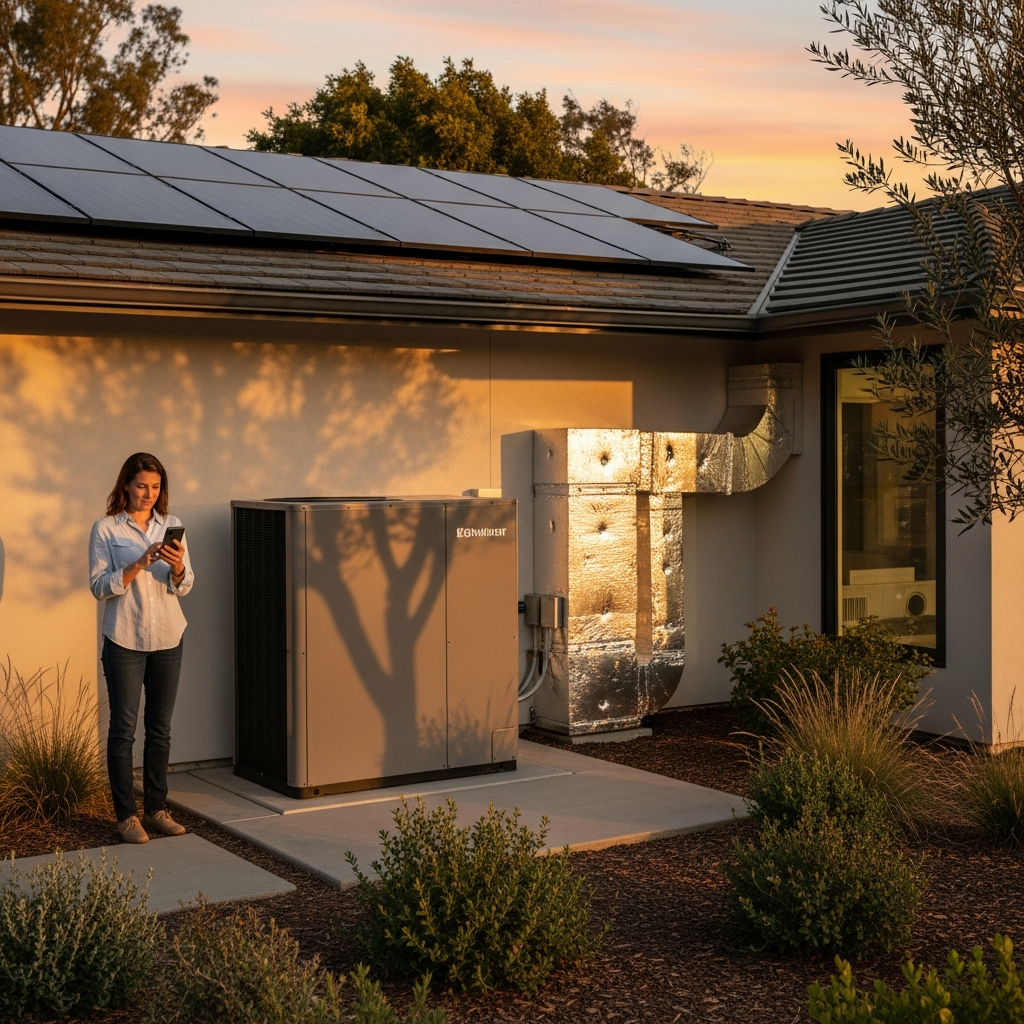
Along the Malibu shoreline, we live inside a landscape that asks us to tread lightly. The ocean and canyons shape our days and remind us that comfort should harmonize with place. Reducing the environmental impact of cooling is not about sacrificing the feel of home; it is about designing and operating systems that work with our climate rather than against it. From variable-capacity equipment that sips energy to thoughtful envelopes that hold cool air without feeling sealed off from the sea, the choices we make ripple through our bills, our soundscapes, and the broader environment. Over years of caring for homes from El Matador to Malibu Colony, I have learned that the most sustainable path usually looks a lot like the most comfortable one. When you begin by thinking about the whole home and how you live in it, your air conditioning becomes quieter, cleaner, and kinder to the coast.
Design for the climate you actually live in
Malibu does not endure months of sweltering heat the way some inland cities do, yet our climate brings its own complexities: marine layer mornings, bright reflective afternoons, and the occasional inland surge. Systems that can modulate—ramping up and down rather than flipping fully on and off—fit this pattern beautifully. They run longer at lower speed, which improves dehumidification and evens out temperature. That steadiness means fewer peaks in energy demand and more hours where the system hums rather than roars. Designing to this rhythm is a first step toward a smaller footprint.
Sealing, shading, and the gentle art of the envelope
Comfort starts where outside becomes inside. Well-sealed ducts, tight returns, and thoughtfully weatherstripped doors keep conditioned air where it belongs. At the same time, we can soften the sun’s touch with shading strategies that do not hide the ocean. Overhangs, exterior blinds, and judicious landscaping reduce solar gain, allowing smaller, quieter runtimes. Indoors, light-colored finishes and carefully placed registers help distribute cool air without drafts, minimizing the urge to dial the setpoint down further than necessary. An envelope that supports the system lets it use less energy to achieve the same, or better, comfort.
Coastal corrosion and why maintenance matters to sustainability
Equipment that ages gracefully stays efficient longer. On the coast, salt tries to shorten that arc. Protective coatings, stainless hardware, UV-stable insulation, and gentle rinsing routines slow corrosion. Every season a system runs at its intended efficiency is a win for the environment and your comfort. Think of maintenance not as a chore, but as extending the system’s high-performance years, reducing the frequency of part replacements, and avoiding energy waste caused by dirty coils and struggling fans.
Filtration and fresh air without waste
Indoor air quality is part of sustainability. A home that smells and feels fresh discourages overcooling as a substitute for ventilation. Balanced fresh air strategies paired with right-sized filtration capture particulates without throttling airflow. On smoky days, being able to tighten the envelope temporarily and step up filtration keeps indoor air cleaner without long, hard runs. When the breeze is clean and cool, operable windows and doors can share the load. The point is control: bringing in the right air at the right time.
Controls that anticipate rather than react
Smart thermostats that learn your routine and Malibu’s patterns can pre-cool gently ahead of warmer afternoons and relax as the marine layer returns. Features like adaptive recovery and humidity targets fine-tune how the system behaves. With geofencing, your home can ease back when you linger at the beach and wake up as you drive home along the PCH. The sum is a system that runs fewer hard cycles and uses less energy to maintain the same comfort, which is the essence of reducing impact without sacrificing ease.
Right-sizing as a sustainability principle
An oversized system costs more to run and does a poor job managing humidity, inviting colder setpoints than necessary. A carefully calculated load, paired with variable capacity, focuses on delivering exactly as much cooling as the home needs. This precision allows ductwork to be optimized for quieter, slower air, reducing fan power while improving comfort. Owners feel the difference in steady rooms and calm acoustics, all while using less energy.
Heat pump advantages in a coastal context
Modern heat pumps shine along the coast, providing efficient cooling and comfortable heating without combustion on site. They excel in Malibu’s mild winters and support decarbonization goals by shifting energy use toward cleaner electricity over time. In mixed-mode seasons, their ability to dehumidify gently while keeping temperatures even is a quality-of-life upgrade. When combined with well-sealed ducts and smart controls, they deliver the kind of seamless, year-round comfort that feels almost invisible.
Managing demand peaks for grid and home
Hot inland days can tug electricity demand across the region. By designing systems that avoid abrupt, high-power starts and by using schedules that pre-cool when rates or demand are lower, you help flatten those peaks. The grid benefits, and your home avoids hard sprints that wear components. Battery storage or future-ready wiring can expand those options, but even simple measures—steady runtimes, shaded condensers, and clean coils—reduce peak draws meaningfully.
Water-wise practices for cleaning and condensate
Cleaning coils with low-pressure, high-volume rinses is more effective and gentle, but it should also be thoughtful. We choose times of day and techniques that use only the water needed to carry salts away and avoid waste. Indoors, well-managed condensate flows keep drains clear and allow optional recovery for landscaping where appropriate and permitted. Little choices like these add up to a lighter touch without compromising care.
Material choices that last
Sustainability includes what you do not replace. Choosing coastal-rated hardware, UV-stable insulation, and cabinets protected against salt extends service life and keeps material turnover low. Thoughtful placement out of direct ocean blasts reduces the environmental cost of frequent parts replacement. Even cable management matters; neatly supported lines resist wear and vibration, preventing leaks and wasted refrigerant.
Mid-journey reflection: the comfort of less
There is a noticeable calm when an optimized system settles into its work. Fans run slower. Rooms feel even. Odors drift away because airflow is consistent and filtration is matched to the home. That is the comfort of less—less noise, less energy, less stress on parts. Sustainable air conditioning often reveals itself by the absence of drama. You do not trade comfort to achieve it; you refine the system so comfort arrives with fewer ripples.
Landscape and shading as mechanical allies
Thoughtful planting can soften sun on western exposures and cool the air that outdoor units breathe. Trellises and pergolas, sized and placed well, create dappled light that reduces heat gain without blocking breezes. These choices live comfortably with Malibu’s aesthetics, enhancing outdoor spaces while earning their keep in comfort and energy savings.
Resilience and air quality during fire season
Sustainability is also about health and preparedness. When smoke drifts along the coast, a home that can seal up efficiently, step up filtration, and maintain even pressure protects lungs and nerves. We plan for these moments by selecting filters your system can handle, sealing key pathways, and teaching the controls to respond without panic. After smoke events, gentle system cleaning returns everything to baseline so efficiency and indoor quality recover quickly.
Commissioning and verification: trust, but measure
The greenest design falters without careful start-up. Commissioning confirms airflow, verifies charge under real conditions, and sets fan profiles that support quiet, efficient operation. Documentation provides a benchmark for maintenance and gives you confidence that the system is not just new, but truly tuned to your home. Over time, those measurements guide small adjustments that keep performance from drifting.
Living with the system: habits that help
Small choices amplify design. Closing shades on bright afternoons, cracking windows at night when the breeze is cool and clean, and resisting the urge to overcool after a beach day all help. Scheduling regular coil rinses near the shore and changing filters on time keep efficiency up. These are not burdens; they are simple rhythms that align home and coast, rewarding you with a quieter machine and a calmer space.
Frequently asked questions
Q: Will a variable-speed system really reduce my environmental footprint?
A: Yes. By running longer at lower speeds, variable systems smooth demand, improve humidity control, and reduce wasted energy from frequent starts and stops. The result is steady comfort with less electricity.
Q: Are heat pumps a good fit for Malibu?
A: They are an excellent match. Our mild winters let heat pumps perform efficiently, and in summer they deliver quiet, modulated cooling. They also support broader decarbonization goals by using electricity rather than on-site combustion.
Q: How does maintenance connect to sustainability?
A: Clean coils, clear drains, and intact ducts help equipment run as designed. That means fewer hours at high power, less wear, and a longer service life—each a win for resource use and comfort.
Q: Can I reduce impact without a major remodel?
A: Absolutely. Smart controls, targeted sealing, strategic shading, and consistent cleaning make meaningful gains. When equipment replacement time arrives, thoughtful selection multiplies those benefits.
Q: Will better filtration increase energy use?
A: Only if mismatched. We choose filters that capture what matters while respecting your system’s airflow. The right filter enhances air quality without forcing the fan to work overtime.
Ready to cool with a lighter touch?
If you are looking to align comfort with care for the coast, we can help you design, tune, and maintain a system that feels effortless and uses less. Let us tailor a plan for your home, your habits, and the shoreline we share. When you are ready to explore cleaner, quieter air conditioning for Malibu living, we will be here with practical ideas and careful execution.