
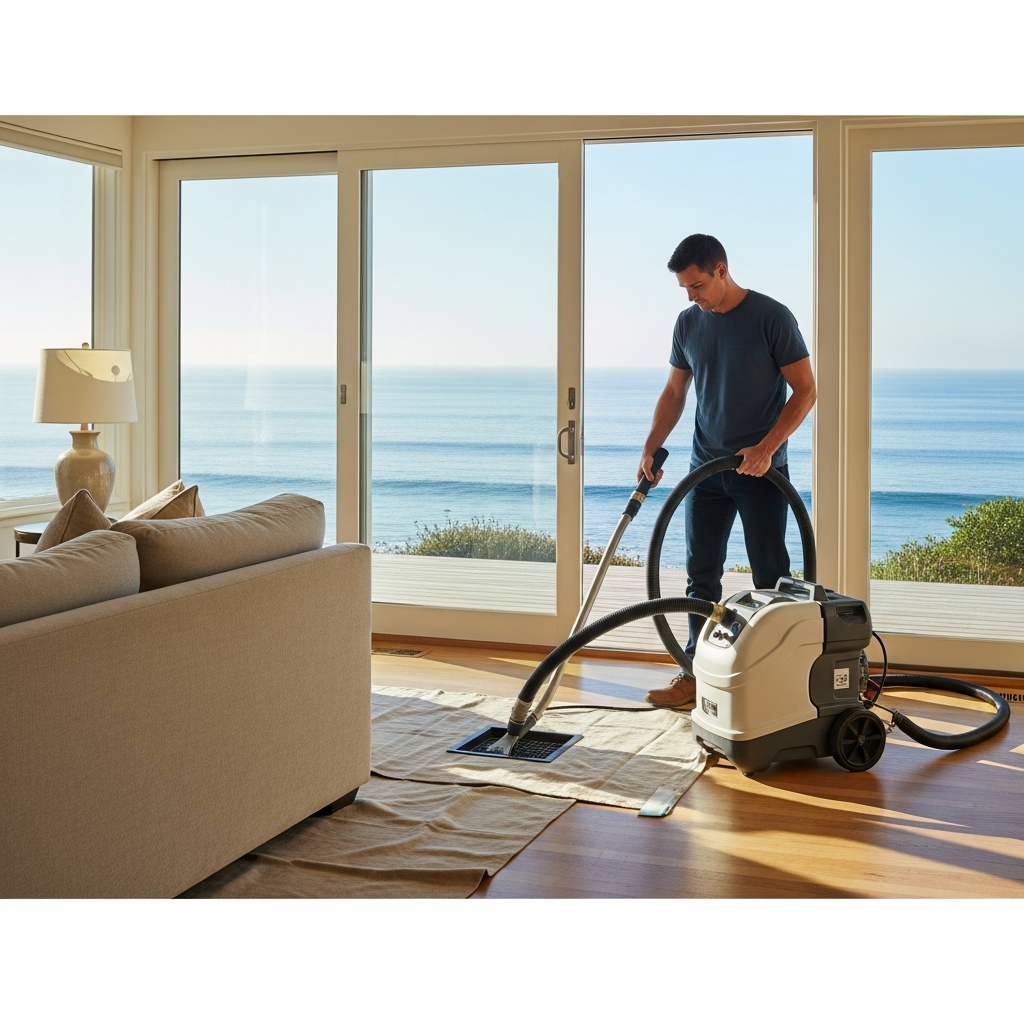
Living in Malibu means waking up to the rhythm of the Pacific, the soft marine layer drifting in each morning, and the sun-drenched afternoons that make outdoor life irresistible. Yet the very coastal charm that draws us here also leaves a subtle fingerprint on our indoor air. Salt-laden breezes, fine beach sand, and the seasonal arrival of wildfire smoke all intersect inside our homes, settling in ductwork where we cannot see them. Over time, these microscopic guests influence what we breathe, how our HVAC system performs, and even how our spaces smell following foggy mornings or Santa Ana wind events. For many Malibu homeowners, the shift toward attentive indoor air care starts with understanding how ducts behave in a coastal microclimate and why the benefits of thoughtful maintenance ripple through daily comfort.
When I walk into a home after a long marine layer morning, I can often sense that faint saline tang that Malibu residents know well. It is a mark of our neighborhood’s proximity to the water, and while it is refreshing outside, it can contribute to residue accumulation inside the duct system. If you have not considered professional air duct cleaning in a while, it is worth recognizing how our unique conditions influence air quality and system longevity. From Point Dume to the canyons above the Civic Center, the microclimates shift block by block—what your ducts face in one part of town may differ slightly from another, but the overall pattern is familiar to those of us who work on these systems season after season.
How Malibu’s Coastal Air Shapes Your Ducts
Salt is an extraordinary traveler. It rides a breeze, clings to fog droplets, and settles as a fine film on outdoor equipment and eventually indoor components. Inside ductwork, that film can mix with household dust, pet dander, cooking aerosols, and pollen carried in on shoes or through open windows after a beach walk. The result is a layered blend that slowly restricts airflow and can create a mild, persistent odor. On humid coastal days, this residue may hold moisture a bit longer than in drier inland climates, which can make certain allergens and microbial contaminants more comfortable. Regular cleaning strips away this buildup so your system is not forced to muscle air through unnecessary resistance.
There is also the sand factor, which sneaks into homes in surprising ways. Grinder-fine particles can escape normal household cleaning, and once inside the return registers, they are ushered into the duct network. Think of your ductwork like quiet highways where particles settle on the shoulders and stay there until a fan pushes by with enough vigor to lift them again. If the layers become thick, the gusts redistribute the dust, and you start to notice more frequent surface dusting needs, a musty scent after the fan kicks on, or inconsistent temperature delivery between rooms. Duct cleaning breaks that cycle, so rather than moving old dust around, your system gets back to simply moving clean air.
Health, Comfort, and the Malibu Lifestyle
People move to Malibu for fresh air and easy living, and it is striking how much a clean duct network enhances both. Families with sensitive sinuses often report fewer flare-ups once debris and residues have been removed from hidden passages. After periods of heavy marine layer, stale odors can linger—especially in homes with limited natural cross-ventilation—and professional cleaning helps clear those scents, restoring that open-window freshness even on days when windows are closed. If you have guests frequently in the summer, you may also notice how much more consistently rooms stay cool once airflow is optimized; the comfort difference can be subtle but unmistakable over warm afternoons when your system is asked to perform steadily.
Wildfire seasons complicate the story. Malibu homes can be exposed to drifting smoke and ash that arrive suddenly during wind events. Much of that particulate is finer and clings more readily to duct surfaces than everyday dust. Without proper removal, residue from one intense smoke episode can linger well into the next season. Cleaning after significant smoke exposure not only helps return the air to a neutral scent, it also reduces the chance that soot-like particles continue to circulate long after the skies have cleared. If you have ever returned from a late-fall walk and noticed a faint smoky undertone when the fan starts, that is a signal your ductwork may be holding on to a memory of the last event.
Efficiency and HVAC Longevity for Coastal Homes
When the pathways inside your ducts are smooth and clear, the fan motor does not need to work as hard to deliver conditioned air to each room. In practical terms, that means your system doesn’t have to run as long to reach a comfortable temperature, and major components are spared unnecessary strain. Over the years I have watched homeowners chase comfort complaints by upgrading thermostats or even replacing equipment prematurely, only to find that the bottleneck was inside the duct system all along. Cleaning restores baseline performance, so any enhancements you make—smart controls, zoning adjustments, or insulation improvements—can deliver their full value.
Beachside corrosion is another quiet burden Malibu homes must manage. While duct interiors are not exposed to the elements directly, the combined effect of salt air and indoor humidity can still encourage metal oxidation in certain sections, particularly near coastal-facing vents or where condensation has been an intermittent issue. Proper cleaning often includes inspecting those sections, identifying premature wear, and advising on protective steps. When ducts remain clean, it is also easier to spot small issues before they become disruptive, since fresh interiors make any new residue, moisture, or gaps stand out clearly.
What a Thorough Coastal Duct Cleaning Involves
Quality duct cleaning is methodical rather than rushed. After a careful assessment of registers, returns, and accessibility, technicians create controlled negative pressure in the ductwork and agitate debris along each branch so it is pulled into a contained filtration system rather than pushed into the home. In coastal settings, we pay special attention to low runs where heavier moisture may have encouraged sticky layers, and we check for salt-crusted accumulations around coastal-facing registers that can be stubborn if left to harden over many seasons. In homes with known smoke exposure, specialized approaches target soot residues that standard dusting cannot remove effectively.
Right in the middle of the cleaning plan, we focus on restoring air pathways through coils and plenums where fine particles tend to lodge most stubbornly. This is where professional-grade tools make the biggest difference, and where you feel the reward: quieter operation, quicker temperature recovery, and a fresher scent lingering in hallways after the system cycles. If you are comparing potential approaches, look for teams who explain how they will protect furnishings during work and how they verify results. These details separate a quick pass from an evidence-based service, and they ensure your investment in air duct cleaning truly pays off in day-to-day living.
How Often Should Malibu Homes Be Cleaned?
Frequency depends on your home’s patterns. Beachfront properties often collect more fine salt and sand, especially if windows are kept open to enjoy the breeze. Homes with active pets, frequent entertaining, or a high volume of canyon dust when winds shift may also see faster accumulation. After any notable smoke episode, a targeted evaluation is valuable, particularly if you noticed ash on outdoor surfaces or a shift in indoor odors. Generally, residents find that a regular cleaning rhythm—paired with consistent filter changes and sensible housekeeping around registers—keeps the air fresh and the system running smoothly. A trusted local professional can tailor a schedule to your address and lifestyle.
Choosing a Local Pro and Common Misconceptions
One misconception I hear is that if a home appears clean, the ducts must be clean too. Malibu households are often vigilant about surface cleaning because beachfront living practically requires it; yet duct interiors quietly gather material that would surprise most of us if we could see it. Another misconception is that cleaning is only about dust removal. In our area, it is just as much about salt control, odor reset after humid spells, and ensuring smoke residues are truly gone rather than simply masked. When you evaluate providers, ask how they account for coastal conditions and whether they have a plan for homes that see both marine layer mornings and wildfire-season afternoons in the same month. That dual awareness defines quality in our region.
FAQ
Q: How do I know my Malibu home needs duct cleaning?
A: Common signs include a persistent musty or saline odor when the system starts, uneven room comfort even after routine maintenance, more frequent dusting needs, and any lingering smoky scent after a wildfire event. If filters discolor unusually fast or you notice fine sand around registers, that also suggests accumulation inside the network.
Q: Will cleaning help with humid, foggy mornings?
A: Yes. By removing residue layers that tend to hold moisture and odor, cleaning allows air to move freely and smell fresher after the marine layer lifts. Many homeowners report a crisper indoor scent and less of that damp feeling on days when fog rolls in.
Q: Is duct cleaning messy?
A: When done properly, it should be a contained process. Technicians protect floors and furnishings, establish negative pressure so particles flow into professional filtration, and close each section carefully as they move through the home. A post-clean walkthrough ensures registers are tidy and airflow is restored.
Q: How does coastal exposure change the cleaning approach?
A: Salt and fine sand call for more detailed agitation and careful inspection of low runs where residue can stick tenaciously. Homes with outdoor equipment close to the ocean may also need extra attention around certain plenums and coastal-facing registers where salt film accumulates quickly.
Q: Should I wait until after wildfire season?
A: If smoke exposure has been significant, it is best to evaluate promptly rather than waiting months. Early action helps prevent persistent odors and re-circulation of fine particles. If the season is ongoing, a professional can advise on timing that fits your situation.
Ready for Cleaner Coastal Air?
If you are ready to reclaim that bright, breezy Malibu feeling indoors, take the next step with expert guidance tailored to our shoreline climate. A well-planned service restores freshness, quiets airflow, and supports the long-term health of your HVAC system. Schedule professional air duct cleaning and enjoy the confidence that your home’s hidden airways are as pristine as the view outside your window.