
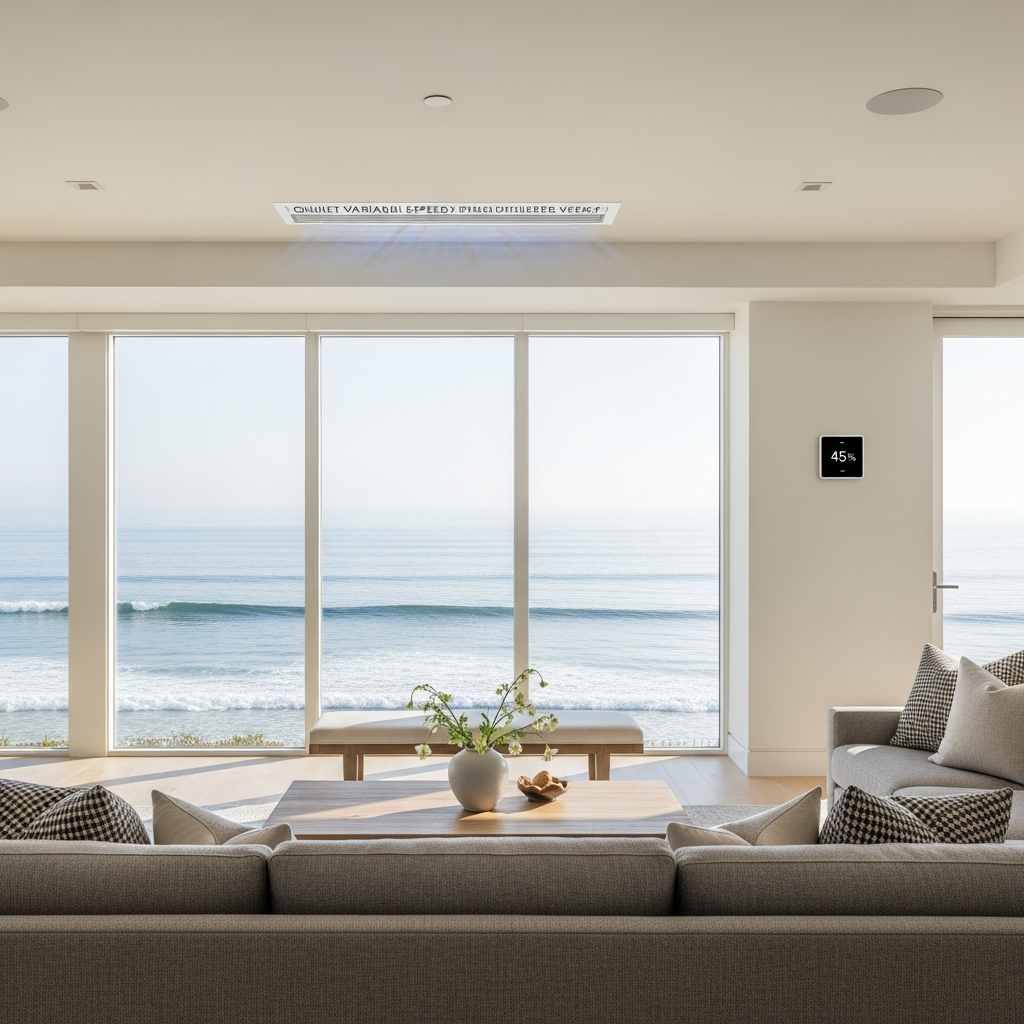
Life in Malibu is a balance of serenity and salt spray, of ocean vistas and microclimates that change by the hour. As a local who has spent years helping homeowners fine-tune comfort along this dramatic coastline, I can tell you that the conversation around cooling is far more nuanced than simply turning a system on and off. For coastal properties, the right air conditioning strategy protects finishes, preserves indoor air quality, quiets busy minds at night, and maintains comfort even when fog gives way to sudden bursts of heat. The benefits extend beyond temperature; they touch health, home value, energy use, and the everyday ease of living that makes Malibu feel like a perpetual vacation—without sacrificing control when the weather decides to surprise you.
Understanding Malibu’s Coastal Microclimate
Malibu’s climate is an orchestra of shifting elements. Mornings might wake with a silver curtain of marine layer, cool and damp, only to burn off into radiant midday sun. By evening, an onshore breeze might ground your home in a soft chill. This duo of humidity swings and temperature jumps is precisely why thoughtfully designed cooling serves coastal homes so well. Rather than overcooling to chase away moisture, modern systems balance temperature and indoor humidity simultaneously, delivering a steadier, more comfortable environment. The difference is especially noticeable in homes with expansive windows facing the Pacific, where radiant heat and glare can become taxing on the brightest days.
The Hidden Enemy: Salt Air and Moisture
The same salt that paints sunsets with shimmering haze is tough on mechanical equipment and the materials inside your home. Persistent exposure encourages corrosion on outdoor components and can accelerate wear on indoor finishes, from metal fixtures to fine wood cabinetry. A well-configured cooling system battles this on two fronts: it stabilizes indoor humidity to protect wood floors, artwork, and instruments, and it channels airflow in a way that mitigates salt-laden air from lingering indoors. When humidity is controlled, you notice fewer swollen doors, less musty odor in seldom-used rooms, and better performance from home electronics that prefer dry, consistent conditions.
Comfort That Feels Natural, Not Manufactured
One of the surprises for many coastal homeowners is how gentle modern cooling can feel. Variable-speed compressors and smart airflow management stop the cycle of overcooling and abrupt shutoffs that used to leave people reaching for a sweater. Instead, rooms cool gradually, quietly, and more evenly. This is particularly valuable in open-concept beach houses where the kitchen, dining, and living areas flow as one. Rather than blasting cold air to reach distant corners, the system modulates to maintain a consistent, barely noticeable cushion of comfort that simply feels like your home being itself—only better.
Indoor Air Quality and Wildfire Season Preparedness
Coastal living does not insulate Malibu from seasonal smoke or windblown particulates. During challenging air days, a tightly integrated cooling system with high-quality filtration becomes a first line of defense. When the windows must stay closed, filtration paired with steady circulation helps keep indoor air clearer, and humidity control keeps the home feeling fresh rather than sealed. In practical terms, this means less irritation for sensitive lungs, reduced residue on surfaces, and a home that continues to feel calm even when outside air is not cooperating. The pleasant surprise is that many of these benefits persist year-round—dust settles less, and housekeeping feels easier.
Design Harmony: Quiet Operation and Discreet Integration
Malibu architecture is a study in light and texture, whether your place is a mid-century jewel box or a sculptural contemporary perched on a bluff. The most successful cooling solutions work around these aesthetics, not against them. Ducted systems can be finished with minimal registers that blend into ceilings; ductless heads can be located with design lines in mind; and outdoor equipment can be placed thoughtfully to minimize audible impact in courtyards or near bedroom windows. Modern systems run in a near-whisper most of the time, so twilight dinners carry on without competing with a condensing unit, and midnight sleep is undisturbed by abrupt cycling on the roof.
Zoning and Smart Control for Real-Life Living
Most Malibu homes don’t live in a single temperature. Guest suites may sit empty for stretches, a glass-wrapped living room warms quickly at noon, and a lower-level studio runs cooler all day. Zoning solves this by letting you treat spaces according to use, not just square footage. Controlled via intuitive thermostats or apps, zoning minimizes energy waste and increases comfort in the rooms you actually occupy. It also enables a more nuanced humidity strategy; bedrooms can rest slightly cooler and drier for sleep, while living spaces float warmer during the day. Midway through the season, many homeowners realize that smart zoning and the right air conditioning capacity transform daily rhythms—movie nights, work-from-home days, and summer gatherings—all become easier to dial in, moment to moment.
Protecting the Home: Materials, Finishes, and Peace of Mind
Humidity control isn’t just about personal comfort; it is a quiet guardian for what you own. Engineered wood flooring stays flatter and looks newer longer, fine cabinetry resists warping, and art and textiles experience fewer seasonal shifts. Even closets benefit: leather goods, vintage garments, and stored linens avoid the subtle mustiness that creeps in when coastal moisture lingers. Good cooling, correctly sized, equates to a smoother indoor climate track throughout the year, which in turn supports the longevity of your home’s best features.
Reliability at the Edge of the Continent
Salt air asks more of outdoor equipment. Corrosion-resistant materials, protective coatings, and smart placement—away from direct ocean spray and within the umbrella of landscaping or fencing—extend the lifespan of components. Indoors, regular filter changes and annual service go further here than they might a few miles inland because the system is buffering both temperature and ambient moisture. The effort pays off in reliability when you need it most, like during late-summer heat waves that sweep in after a week of cool mornings, catching everyone off guard.
Sleeping Better, Entertaining More Easily
Ask any coastal homeowner what they notice first after upgrading cooling, and the answer often lands on sleep. Even modest fluctuations in humidity affect how warm you feel at night. A bedroom that quietly holds steady becomes a sanctuary in every season. Daytime benefits follow suit: invitations to friends are easier when you know your living room will feel pleasant despite midafternoon glare, and cooking during peak sun no longer overheats the adjacent spaces. Comfort reshapes how you use the home, not just how you endure the climate.
FAQs: Coastal Cooling in Malibu
Do Malibu homes really need air conditioning if the ocean breeze is cool?
Ocean breezes are delightful but inconsistent. Marine layer mornings can end with hot, bright afternoons, and humidity can linger even when the air feels cool. A right-sized, well-controlled system ensures comfort during those swings without overcooling, and it manages moisture—a key factor the breeze alone cannot regulate indoors.
Will salt air ruin my equipment quickly?
Salt air accelerates wear, but modern systems with corrosion-resistant coils, protective finishes, and smart placement hold up very well. Regular rinsing of outdoor coils and seasonal professional service further extend life. The combination of design and maintenance is what turns a vulnerable installation into a durable one.
Can I control humidity without making the house feel cold?
Yes. Variable-speed systems modulate to remove moisture while maintaining a steady, comfortable temperature. With proper sizing and controls, the house feels balanced rather than chilly, and you avoid the clammy feeling that comes from inadequate dehumidification.
Is zoning worth it in a coastal home?
Absolutely. Zoning lets you cool lived-in rooms while easing off in others, and it tailors humidity and temperature to how each space is actually used. This is ideal for homes with guest rooms, studios, or large open areas facing the ocean.
How does air filtration help during wildfire season?
High-quality filters paired with consistent circulation reduce fine particulates and smoke odor indoors when windows need to stay closed. The result is cleaner air and less surface residue, which makes extended periods of poor outdoor air quality more manageable.
Do modern systems run quietly enough for Malibu’s tranquil nights?
Yes. Today’s equipment often runs at low speeds for most of the day, producing a gentle, steady sound instead of abrupt blasts. With careful placement and design, the system becomes a subtle backdrop rather than a distraction.
If you are ready to make coastal comfort effortless, protect your finishes, and breathe easier year-round, talk with a local expert about right-sizing, zoning, filtration, and corrosion protection that fit your property. Start by exploring modern air conditioning options that blend quietly into Malibu living, and take the next step toward a home that feels perfect, every day.