
If you own a home in Malibu, California, you already know how the ocean air, shifting canyon winds, and dramatic temperature swings can take a quiet toll on the systems that keep your place comfortable. Ductwork lives behind walls, under floors, and in hot attics, so it is easy to forget—until a room runs warmer than it should, energy bills creep up, or you notice a musty smell when the AC kicks on. When neighbors ask what truly shapes the overall duct replacement cost in our part of Los Angeles County, I always explain that the most important number is not a sticker price, but the blend of local conditions, code requirements, and the craftsmanship that goes into a rock-solid installation. If you are beginning to research duct replacement, this guide will walk you through the Malibu-specific factors that influence what you can expect and how to make the smartest long-term choice for your home.
Why Malibu’s coastal climate changes the conversation
Malibu’s marine layer and salty onshore breeze are wonderful when you are walking the beach but challenging for metal and insulation that live in attics and crawlspaces. Over time, salt-laden air can accelerate corrosion on metal boots and straps, while UV and attic heat can age the jacket on older flex ducts. Add our Santa Ana wind events that push dust and fine debris into every gap, and you have a setting where small duct flaws grow into real performance issues. In practical terms, this climate means replacements often include more thorough sealing, anti-corrosion hardware, and attention to airtight connections that stand up to salt and heat. Those details do more than improve comfort; they are the backbone of lasting value.
What truly shapes the cost in Malibu homes
When homeowners ask me what drives the investment up or down, I start with access and layout. A single-story ranch with a roomy attic is one thing; a hillside home with segmented attics, tight crawl areas, and a mix of hard pipe and flex duct is another. The complexity of reaching each run, replacing boots, and sealing transitions influences the labor and time required. Then there is design. Many older Malibu homes were built with systems that no longer match today’s comfort expectations. A well-executed replacement is not just a swap; it is an opportunity to right-size runs, rebalance airflow, and apply modern design methods so each room gets the air it needs.
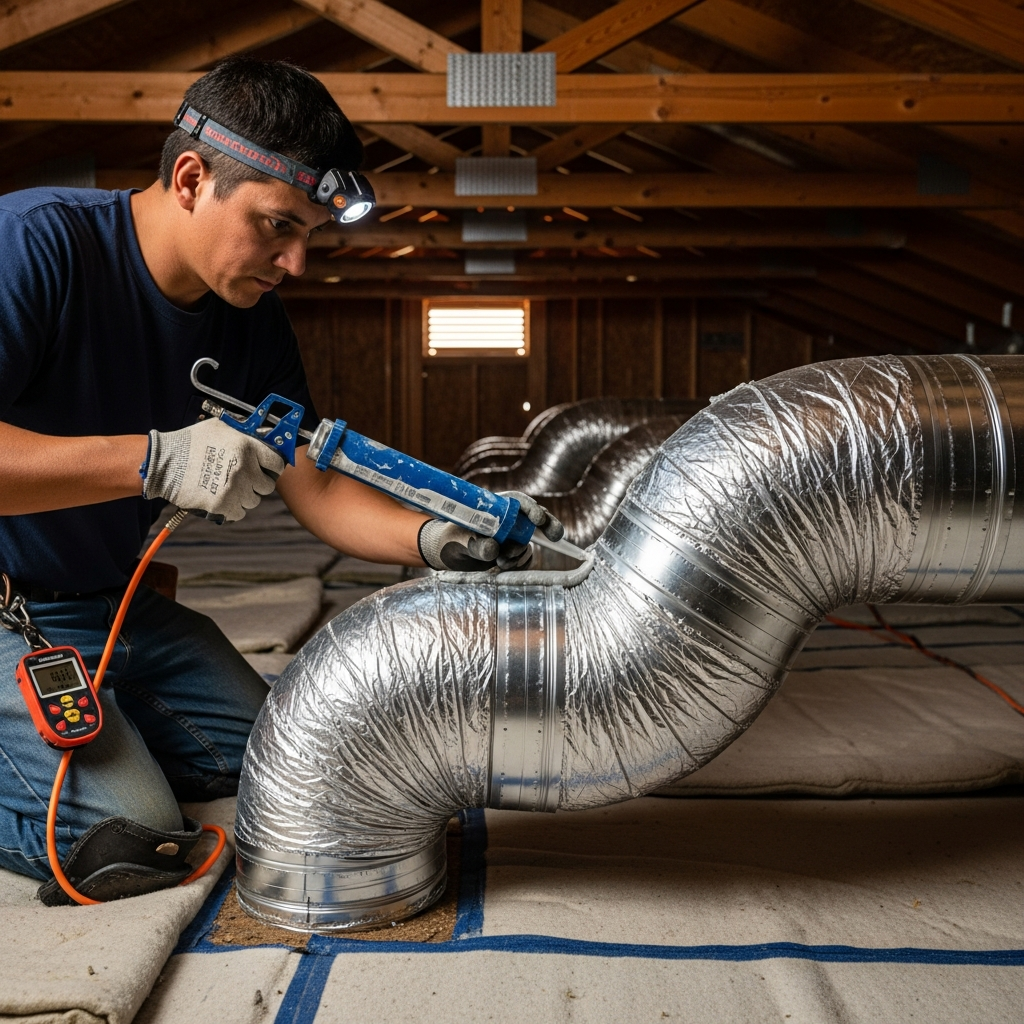
Materials matter too. Malibu replacements often benefit from higher-spec insulation on ducts to handle attic heat, robust mastic sealing instead of tape-only connections, and corrosion-resistant hangers or straps. While you cannot see these choices once the project is complete, they influence performance and longevity—two pillars of value for any coastal property.
Permits, codes, and doing it right the first time
In California, and particularly around Malibu, replacing ductwork the right way means aligning with state energy standards and local permitting. Many municipalities require permits for substantial duct changes, and inspectors look for airtight sealing, insulated runs, and proper support. These checkpoints help ensure the new system performs efficiently and safely. The permitting process can influence timelines and planning, but it is part of protecting your home’s long-term comfort and value.
The assessment that precedes a smart plan
Before talking numbers, a thorough evaluation sets the foundation. A well-trained technician will examine the existing ducts, measure airflow, check for leakage at key junctures, and look at how each room behaves throughout the day. In Malibu’s microclimates—cooler beach neighborhoods, warmer inland canyons, and the elevated ridgelines—different parts of a single home can need different airflow. A thoughtful plan maps this reality into updated trunk lines, branch sizes, and registers that actually deliver what each room needs.
In many older homes, the return side of the system is an unsung culprit. If returns are undersized or leaky, the system works harder and noisier, and you might notice hot or cool spots. A proper replacement plan includes the return path, sealing, and filtration upgrades where appropriate. Mid-project adjustments based on what crews discover behind the drywall are common, and a good contractor communicates these refinements, so you understand how they improve performance.
How Malibu home styles change the scope
Malibu architecture spans low-slung ranch homes, glassy modern builds perched on pilings, beach bungalows with tight crawlspaces, and canyon cottages with complex rooflines. Each poses its own access puzzle. Beach-proximate homes may prioritize corrosion-resistant hardware and robust sealing against salty fog. Canyon homes with leaf litter and dust benefits from enhanced filtration and careful sealing where ducts pass through chases. Contemporary homes with high ceilings might call for carefully sized supplies to avoid temperature stratification.
One often-overlooked variable is the condition of registers and boots. Replacements that include these components deliver a cleaner, tighter system. Where metal boots show corrosion or loose connections, it is smart to replace rather than reuse. If the home’s aesthetic has evolved, this is also a moment to select grille styles that match today’s interior design without sacrificing airflow.
The installation sequence, step by step
A trusted crew will begin with site protection—floor coverings, attic access prep, and dust control. The demo phase carefully removes the old ducts while documenting any surprises. New duct runs are cut, supported at proper intervals, and sealed with mastic at every connection. Seams are insulated, transitions are tightened, and the return path is addressed with equal care. Once installed, the system is tested for leaks and balanced so that each room sees the right volume of air. This is where the true value emerges: a whisper-quiet system that cools and heats predictably, day after day.
In the middle of every discussion about the dollars and cents, I remind Malibu homeowners that thoughtful design and careful workmanship often save money in the long run by avoiding callbacks, premature wear, or rooms that never quite feel right. If you are comparing options, make sure you weigh those long-tail benefits when you research duct replacement for a coastal home like yours.
Red flags that suggest it is time
Uneven cooling between ocean-facing and inland rooms, a fine layer of dust despite regular cleaning, or a faint odor when the system starts can all point to duct issues. Visible deterioration in the attic—kinked flex runs, detached takeoffs, or sweated metal—are stronger signals. If your system is older and has weathered multiple wildfire smoke events, replacing ductwork can also rejuvenate indoor air quality in ways cleaning alone cannot always accomplish.
Comfort, air quality, and the Malibu lifestyle
We live here because we cherish the outdoors: surfing at first light, hiking canyons, entertaining on decks with ocean views. A well-executed duct replacement supports that lifestyle by making indoor spaces reliably comfortable without drafty blasts or hot corners. In homes that host guests frequently, better balancing and return sizing can tame temperature swings between crowded living areas and quiet bedrooms. For families with sensitivities, a tighter duct system that keeps attic and crawlspace air out of the supply is a meaningful quality-of-life upgrade.
Timeline expectations without the guesswork
Every home is unique, but many Malibu duct replacements unfold over a few focused working days, bracketed by an initial evaluation and a final test and inspection. Access constraints, permitting calendars, and any parallel work—like adding attic insulation or addressing a tricky chase—can extend that schedule. Clear communication with your contractor ensures you know when the home will be especially active and when your household routine can return to normal.
Why focusing on value beats chasing the lowest bid
It is natural to gather multiple bids, but it is crucial to compare more than a line at the bottom. Ask how the team will seal connections, what support hardware they will use, how they will test for leaks at the end, and how they will rebalance airflows for Malibu’s microclimates. A proposal that includes those specifics is usually a better indicator of long-term satisfaction than one that only lists a set of line items.
Planning your next steps
If your home shows signs that the ducts are past their prime, start with a clear-eyed evaluation. Document hot and cool spots, note any odors or dust, and check attic or crawl areas if it is safe to do so. Share that information during your consultation so the plan reflects how the house truly lives. Then, when you compare proposals, align them with your comfort goals rather than treating them as interchangeable commodities.
FAQ
Q: How do Malibu’s coastal conditions affect duct replacement decisions?
A: Salt air and temperature swings can age materials faster. Replacements here emphasize airtight sealing, corrosion-resistant supports, and insulation that holds up to attic heat and UV exposure.
Q: Will new ducts help even out room-to-room temperatures?
A: Yes. A replacement is an opportunity to right-size branches, improve returns, and balance the system so each room receives the air it needs, which is especially valuable in Malibu homes with complex layouts.
Q: Do I need a permit to replace ducts in Malibu?
A: Substantial duct changes typically require a permit, and final inspections verify proper sealing, insulation, and support. A reputable contractor will manage the process and schedule inspections.
Q: Can wildfire smoke exposure be a reason to replace ducts?
A: If ducts are older, leaky, or lined with residues that cleaning cannot adequately remove, replacement can be a practical path to better air quality and peace of mind.
Q: How long does a typical project take?
A: Many projects span a few working days, with timing influenced by access, permitting, and any additional scope like register or boot upgrades.
Q: Is it better to repair or replace?
A: Minor damage can sometimes be repaired, but widespread leaks, deteriorated insulation, or out-of-date layouts that never quite worked are strong cases for a full replacement that delivers lasting comfort.
Your next move
If you are ready to explore options for your Malibu home, start a conversation with a local team that understands our coastal climate, hillside access challenges, and code landscape. A careful evaluation and a clear, comfort-first design will serve you for years to come. When you are comparing approaches to duct replacement, look beyond quick fixes and prioritize airtight workmanship, thoughtful balancing, and materials that thrive in ocean air. Reach out today to set up an assessment and take the first confident step toward a quieter, cleaner, and more comfortable Malibu home.