
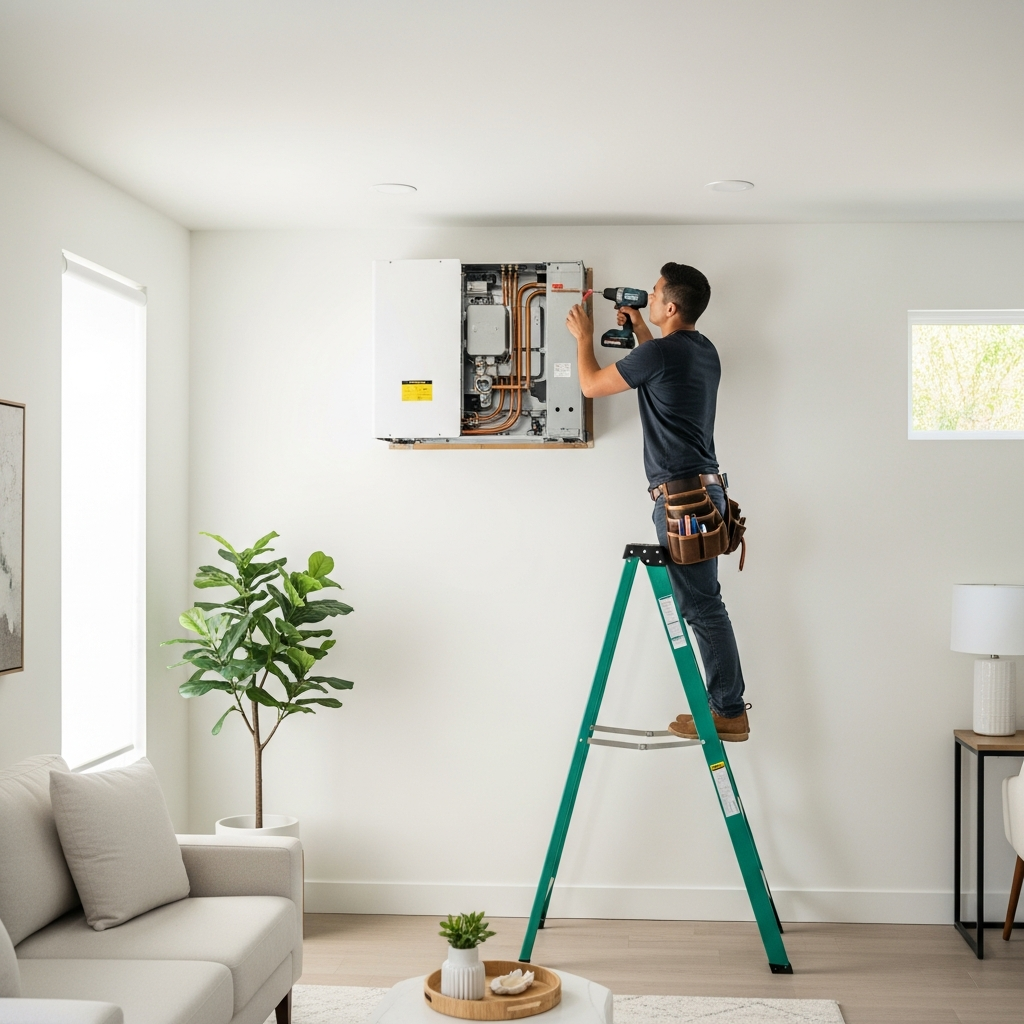
Accessory Dwelling Units are part of Malibu’s evolving housing story—guest suites for family and friends, studios for creative work, or quiet retreats that extend how a property is used across seasons. Getting comfort right in these spaces demands solutions that are compact, efficient, and respectful of architecture. That is where ductless air conditioning, often called mini-splits, shines. In ADUs carved from garages, perched above detached garages, or tucked along hillside terraces, ductless systems bring precise control without the footprint of traditional ductwork. Over years of local projects, I have seen how thoughtful planning turns a small space into a reliably comfortable one, even as ocean breezes and canyon sun play their daily games. If you are exploring options now, a clear understanding of ductless design in a coastal context will make choices easier and results more satisfying. The conversation often begins with the fundamentals of modern air conditioning and how it adapts beautifully to compact, independent living spaces.
Why ductless suits Malibu ADUs
Ductless systems deliver cooling (and often heating) directly where it is needed with indoor wall, floor, or ceiling-mounted units. For ADUs that were once storage spaces or part of a garage, this approach avoids the invasiveness of running new ducts and lets you preserve headroom and architectural lines. Zoning is built in: you cool when the space is occupied and rest the system when it is not. Quiet operation is another hallmark; advanced inverter-driven compressors modulate to maintain steady temperatures, which is ideal for ADUs used as home offices or guest suites. In coastal environments, the ability to place outdoor units where they are both protected and serviceable makes ductless especially flexible.
Right-sizing and load calculations in small spaces
It is tempting to guess capacity for a small ADU, but right-sizing matters as much here as it does in a large home. Oversized equipment short-cycles, which undermines humidity control and can leave the space alternately cool and clammy. Undersized equipment may run constantly without ever quite catching up on the warmest days. A proper load calculation looks at insulation, window area and orientation, shading, and occupancy patterns specific to your ADU. In Malibu, we also weigh the marine layer’s morning influence and the afternoon sun’s intensity in canyons and on slopes. A tuned design keeps the ADU comfortable quietly and efficiently.
Placement that respects views and service access
Good ductless installations in Malibu tend to fade into the background. Indoor units sit where they deliver even coverage without disrupting art walls or window sightlines. Ceiling cassettes can be an elegant fit when ceiling structure allows, while low wall units suit certain layout constraints. Outdoor units are sited to balance airflow with protection from direct salt spray, and line sets are routed cleanly, with attention to UV-resistant insulation and discreet covers. On hillside ADUs, service access is considered from day one—what feels convenient now will feel essential when maintenance time comes.
Condensate and coastal considerations
Every cooled space produces condensate, and in an ADU those drainage paths must be both reliable and unobtrusive. Gravity drains, pump-assisted solutions, and protected exterior routes are all options, chosen to fit the space’s layout and finishes. Coastal conditions add a layer of care: salt and fine debris can collect around outlets and on exterior covers, so materials and routing deserve attention. A clean, protected path today prevents surprises later and keeps finishes looking crisp.
Electrical readiness and smart control
Even compact systems need correct electrical planning. Many ADUs built from garages or studios have legacy circuits; part of installation is confirming capacity and routing a clean path that respects both code and aesthetics. Controls matter too. Modern ductless systems pair with smart thermostats or native app controls that let you schedule occupancy, pre-cool before guests arrive, and monitor operation remotely. For ADUs intended for family stays or creative work, fine-grained control feels like a small luxury that pays dividends in comfort and energy use.
Noise, privacy, and community
In close quarters, sound is part of neighborly respect. Ductless equipment excels here with low outdoor sound profiles and quiet indoor fans. Placement and mounting still matter; locating the outdoor unit away from bedroom windows, decoupling brackets from resonant surfaces, and routing line sets to avoid vibration are details that protect calm. Inside, diffuser direction and fan settings can be tuned during commissioning so the space feels cool without drafts or hum.
Permitting, inspections, and craftsmanship
Well-executed ADU projects welcome the structure of permits and inspections. They ensure that electrical work, refrigerant handling, and condensate routing meet standards and that the system documented on paper matches the one on the wall. Craftsmanship shows in the small lines: level mounts, crisp sealant edges, and covers that blend with the building. In Malibu, where design sensibility is part of daily life, these details matter as much as performance.
Multi-zone strategies for flexible living
Some ADUs are more than a single room; they include a sleeping area, a small living space, and perhaps a kitchenette. Multi-zone ductless configurations can tie a few indoor units to a single outdoor unit, giving each area independent control. For properties with both a main home and an ADU, a broader strategy can coordinate comfort across buildings. This is particularly helpful if the ADU hosts guests with different temperature preferences or if it serves as a studio that needs steadier conditions during creative work hours.
Commissioning: the handoff to daily life
After installation, commissioning turns equipment into comfort. Technicians verify refrigerant performance, check temperature split under load, set fan curves and diffuser direction, and walk you through controls. For ADUs, this includes confirming that the space cools evenly at typical occupancy and that noise levels match expectations. Baseline readings documented on day one become a valuable reference for future maintenance, keeping your small space feeling like a natural extension of your property.
Maintenance that preserves quiet comfort
Ductless systems reward light but consistent care. Filters are accessible and easy to clean, a task that owners can manage between professional visits. Outdoor coils should be rinsed periodically, with attention to coastal residue and UV-exposed insulation on line sets. A twice-yearly professional check keeps performance aligned with the day it was commissioned and catches small issues—like a slow condensate pump or sunbaked insulation—before they become distractions.
When the ADU’s purpose evolves
ADUs often change roles over time. A guest space becomes a home office; a studio becomes a long-term suite. Ductless equipment accommodates these shifts well because it scales output gracefully and allows scheduling to match new routines. If privacy or schedule changes suggest quieter modes or different setpoints, those adjustments are simple and often do not require hardware changes. Planning for flexibility from the start pays off when life evolves.
Frequently asked questions
Is ductless the best choice for every ADU?
It is often the most practical and elegant solution, especially where adding ducts would be intrusive or reduce ceiling height. That said, the best choice depends on layout, aesthetics, and how the space will be used. A quick assessment that includes load calculations and a look at finishes clarifies the path.
How do I pick the right capacity for a small space?
Begin with a room-by-room load calculation that accounts for insulation, glazing, shading, and occupancy. Inverter-driven ductless systems then modulate smoothly to meet that load without overshooting. Avoid guessing; right-sizing is the difference between steady comfort and a room that feels alternately chilly and humid.
What about salt air and outdoor placement?
Choose coated coils and stainless fasteners, and place outdoor units where they receive airflow without direct spray. Route line sets with UV-resistant insulation and consider discreet covers that also protect against debris. These coastal details extend life and preserve appearance.
Can I control the ADU remotely?
Yes. Most modern ductless systems support app-based controls or integration with smart home platforms. Remote access lets you pre-cool before arrivals, verify that guests are comfortable, and monitor operation if the ADU is used intermittently.
How loud are ductless systems?
They are notably quiet, especially at part load. Proper placement and mounting further reduce sound. During commissioning, technicians can adjust fan curves and diffuser direction so that airflow feels gentle and unobtrusive.
What does maintenance involve for an ADU system?
Regular filter cleaning by the owner, periodic outdoor coil rinsing, and professional checks twice a year form a solid plan. In coastal Malibu, attention to salt residue and sun-exposed insulation keeps performance high and operation quiet over time.
If your ADU deserves year-round comfort that respects space, views, and quiet, consider a ductless design grounded in local experience. With careful sizing, clean routing, and smart controls, the result is a retreat that feels effortless whether it hosts family, supports work, or welcomes guests. For planning, installation, and support from specialists in air conditioning who understand Malibu ADUs from foundation to finish, reach out to start a conversation tailored to your property and your goals.