
Preventive air conditioning maintenance in Malibu is about more than a tidy equipment checklist; it is a way of caring for comfort in a place where the ocean and canyons meet. The marine layer softens mornings, canyon breezes warm afternoons, and occasional winds test everything that lives outdoors. Your air conditioner feels all of it. The simplest actions—changing filters on time, rinsing coils gently, and keeping drains clear—carry extra weight here because salt, sun, and dust conspire to make small problems grow faster. A preventive mindset means planning ahead, acting early, and respecting how your specific home lives. If you are setting up your plan now, start by anchoring a seasonal visit and pairing it with habits you can manage between appointments. A reliable way to begin is to schedule your foundational air conditioning maintenance so every other step builds on a solid baseline.
Why Prevention Matters More on the Coast
In Malibu, the ocean is your neighbor and, in a friendly way, your air conditioner’s challenger. Salt travels invisibly on breezes, settling on outdoor units where, with moisture from fog, it encourages corrosion. Sunlight, particularly on exposed balconies and rooftops, heats cabinets and control boards, nudging plastics and sealants to age faster. Canyon winds deliver dust into fins and return paths. Prevention in this environment is less about reacting to failure and more about gently undoing what each day deposits. Regular coil care, periodic protective treatments where recommended, and consistent filter attention yield outsized benefits because they counteract the daily micro-stresses that add up across a season.
Filters: The First Line of Defense
Every breath of conditioned air passes through a filter, and keeping that path clear is the cornerstone of prevention. Choose a filter that meets your goals—capturing fine particulates or balancing lower resistance with good airflow—and then change it with a frequency that reflects your reality. Beachfront doors that open often, pets that love the deck, and guest-filled weekends all add to the filter’s workload. Inspecting monthly during peak season is a healthy habit; changing it before performance sags is even better. Make sure the filter fits snugly so air cannot bypass it, and keep extras on hand to remove any excuse to wait.
Coil Care with a Gentle Touch
Outdoor coils are the system’s heat-rejecting surface, and in Malibu they work in a swirl of salt, moisture, and wind. Preventive maintenance includes gentle rinsing from the inside out, using low pressure and coil-safe cleaners when a deeper wash is required. Indoors, the evaporator coil appreciates a dust-free filter and periodic inspection to ensure that no film has formed that would insulate fins. Keeping coils clean ensures that refrigerant pressures align with design intent, which helps motors and compressors live easier lives. Think of coil care as the quiet habit that preserves the heart of your system.
Condensate: Keeping Water Moving the Right Way
On humid mornings and during long cooling cycles, your system collects water from the air. That water must leave efficiently through a drain. Preventive attention involves flushing lines, verifying traps, and testing safety float switches so that any blockage does not become a ceiling stain. If your air handler resides in an attic over bedrooms or living spaces, adding secondary protection is wise. In Malibu, fog and marine air mean condensate systems see more duty than you might expect, so prevention is a matter of routine respect more than occasional concern.
Electrical Integrity Under Heat
Indoor units tucked into warm attics and outdoor components basking in afternoon sun face thermal cycles that loosen fasteners and age capacitors. During preventive visits, technicians check electrical connections, measure capacitor values, and assess contactors for pitting. Catching a drifting capacitor or a weak contactor early preserves the compressor and blower motor from stress. These are quick tests with big consequences, the sort of preventive moves that turn into relief on a hot day when everything starts and runs smoothly.
Ducts: Seams, Insulation, and the Air Highway
Prevention extends to the path air takes through the house. Ducts with loose connections or thinning insulation leak comfort into attics and crawl spaces. During maintenance, a quick survey for kinks, gaps, or rodent activity can identify small fixes that restore full airflow. In Malibu’s varied architecture—beach cottages, hillside villas, and modern builds with tall ceilings—duct layouts differ and so do the opportunities for preventive improvements. Even a simple adjustment, like reseating a register boot or sealing an accessible joint, can even out room temperatures and reduce runtime.
Landscaping and Location: Breathing Room for the Condenser
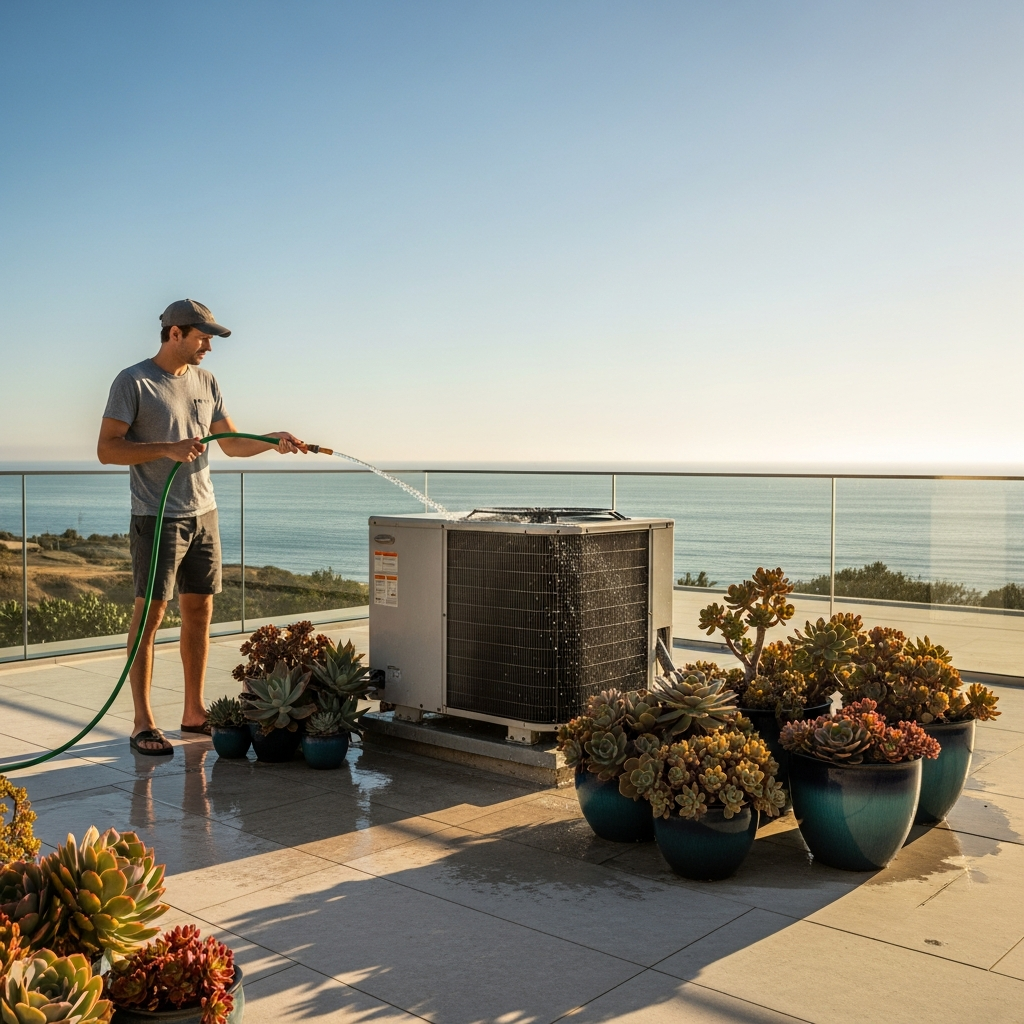
Outdoor units need space as much as they need shade. Preventive care includes keeping at least a couple of feet clear on all sides and a clear sky above the fan for proper discharge. In practice, that means pruning fast growers, nudging furniture away, and checking after gatherings to make sure beach umbrellas and boards have not drifted too close. For homes within a block or two of the surf, a simple rinse after high-salt days is part of the routine. Small habits keep the unit breathing freely and quietly.
Smart Thermostats as Preventive Tools
Modern controls offer preventive insights. Runtime reports reveal whether the system is working harder than last season for the same comfort. Humidity readings point to condensate issues before they become visible problems. Simple program tweaks reduce unnecessary cycling on foggy afternoons when the air cools naturally. Pairing smart insights with scheduled maintenance transforms prevention from guesswork into responsive care, tailored to the data your home provides every day.
Seasonal Planning that Matches Malibu’s Rhythm
Anchor prevention around a spring tune that clears winter’s salt and moisture, followed by a late summer check that refreshes a system after its busiest weeks. Add a midseason look for beachfront properties or any home that notices performance slipping in July or August. After windy or smoky days, add a quick filter check and a glance at the outdoor unit. Make these milestones part of your calendar so they are as automatic as moving patio cushions before an evening breeze.
Preventive Steps for Wildfire and Wind Seasons
During wildfire season, ash can settle quietly throughout the home and inside the system. Prevention here is proactive filter checks, gentle coil rinses when film is visible, and monitoring of indoor air quality if you have sensors. After Santa Ana winds, walk the property to make sure nothing has lodged against the condenser, and listen at startup for any new noises that might indicate a leaf or piece of debris is interfering with the fan. Quick actions in these windows keep small encounters from becoming big service calls.
Homeowner Habits that Multiply Benefits
Not every preventive step requires a toolkit. Develop a habit of listening to the system at the start of each cooling cycle, noticing whether it sounds normal. Keep returns clear of furniture and fabrics. Replace filters before they are fully loaded. Note any recurring smells near vents and share them during scheduled visits. The more observant you are, the more powerful each professional maintenance appointment becomes, because it focuses exactly where your home’s story points.
When Prevention Reveals a Needed Fix
Strong preventive maintenance sometimes uncovers a part that has crossed into failure territory. That is a success, not a setback. Replacing a weakening capacitor, repairing an insulation breach on a refrigerant line, or adding a secondary drain float are all actions that protect your home and your comfort. Treat these as extensions of prevention. In Malibu, where salt and sun compound wear, early, thoughtful repairs are part of keeping the system steady through the hottest days and foggiest mornings.
Documenting and Communicating
Keep a simple record of maintenance dates, filter sizes and replacement intervals, coil conditions, and any repairs made. If you work with a regular technician, ask them to note anything environment-specific, such as proximity to surf or afternoon sun exposure. Good notes compress the time it takes to understand what your system needs and allow preventive steps to evolve as your home and habits change.
Middle-of-Season Confidence Check
Midseason, pause and check in with how the home feels. If cool-downs take longer, if the air feels heavier, or if the outdoor unit sounds strained, add a preventive visit. It can be brief but focused on airflow, coils, and drains, and it often resets comfort instantly. Building this into your plan—especially for homes near the beach—means you rely on routine rather than urgency.
Frequently Asked Questions
How often should Malibu homes receive preventive maintenance? A spring tune and a late summer check serve most homes well, with an optional midseason visit for beachfront properties or homes with high usage. Align your schedule with how your household actually lives.
What is the single most important preventive task for homeowners?
Consistent, correct filter changes. They protect coils, preserve airflow, and stabilize temperatures. Pair that habit with keeping returns clear and listening for new system noises.
Does rinsing the outdoor unit really help near the ocean?
Yes, when done gently. Low-pressure rinsing removes surface salt and dust that inhibit heat exchange. Avoid harsh chemicals and high pressure. Ask your technician to demonstrate the best method for your specific condenser.
How can a smart thermostat support prevention?
It reveals runtime trends, tracks humidity, and allows programs that match daily patterns. These insights let you fine-tune settings and flag anomalies early, making preventive visits more targeted and effective.
What should I do after a windy or smoky day?
Look at the outdoor unit to ensure it is clear, listen for new noises at startup, and check your filter. If airflow feels dulled or if buildup is visible, schedule a focused cleaning to restore the system to baseline.
Are there benefits to preventive work on ductwork?
Absolutely. Sealing accessible leaks, improving insulation where it has thinned, and straightening kinks support balanced airflow and reduce runtime. Duct attention multiplies the benefits of preventive mechanical maintenance.
Ready to Make Prevention Your Home’s Superpower?
Comfort in Malibu rewards early, steady attention more than last-minute scrambles. Partner with a local professional, book seasonal service that respects the coast’s rhythm, and keep simple habits alive between visits. If you are ready to make effortless comfort your standard, schedule your next air conditioning maintenance and enjoy a home tuned to the life you love by the ocean.