
Why Professional Matters in Malibu
Ask any long-time Malibu resident about their HVAC system, and they’ll tell you it’s more than heating and cooling—it’s a buffer between the outdoor extremes and the indoor calm we count on. Professional air duct cleaning in our area isn’t just about a tidy register; it’s about a methodical, standards-based process built for ocean mist mornings, dusty canyon breezes, and the very real possibility of smoke infiltration. When people seek a clear explanation of what professional service entails, the most important idea is scope: how each step fits together to deliver cleaner air and a better-running system without cutting corners.
Because Malibu homes vary from compact beach cottages to sprawling hillside residences with dedicated guest spaces and studios, the process must be adaptable. Early in the conversation, professionals in air duct cleaning will ask questions about access, zoning, pets, recent renovations, and any history of smoke or moisture. These details shape the plan: how to stage equipment, which sections to prioritize, and what documentation you’ll receive at the end.
The Professional Sequence, Step by Step
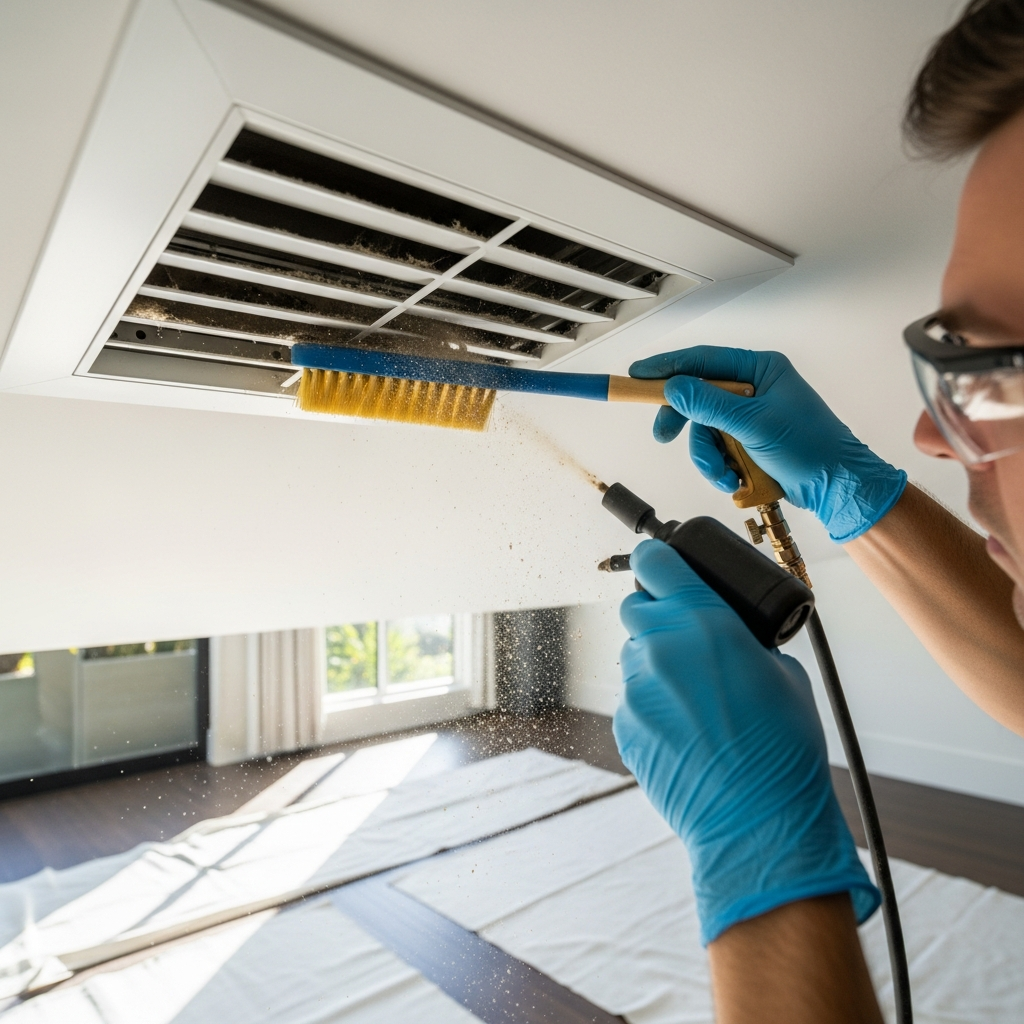
Every thorough cleaning follows a recognizable sequence. It begins with a walkthrough to confirm registers, returns, and mechanical access points, coupled with protective measures for floors and furnishings. Next comes system isolation: shutting down the air handler, covering or controlling registers as needed, and establishing powerful negative pressure with a HEPA-filtered vacuum connected to the correct points. With air safely moving in the right direction, agitation tools—brushes, air whips, and air skippers—dislodge dust and debris within each branch line so particles travel to the collection unit instead of back into the home.
Returns typically receive priority because they accumulate the heaviest loads. Professionals will open them, remove debris, and inspect for gaps that bypass filtration. The main trunk lines and plenums receive targeted attention, followed by a careful look at the blower compartment and the evaporator coil housing. While coil cleaning is its own specialized task, a pro should at least evaluate and, if appropriate, recommend the correct sequence so the entire airstream path is addressed coherently.
Access, Safety, and Restoration
Professional crews prepare for Malibu-specific access issues: steep driveways, long hose runs, and limited street parking. Inside, they work efficiently around high ceilings, built-in cabinetry, and delicate finishes. Temporary access openings may be made in strategic locations to reach hidden sections of trunk lines; afterward, those panels are sealed with proper fittings and clearly labeled. Restoration isn’t an afterthought—it’s integrated into the plan, ensuring grilles are reinstalled neatly and rooms are left as tidy as they were found.
Safety protocols also matter. Technicians should wear appropriate protective equipment, tape off work areas when necessary, and manage the airflow so dislodged debris never becomes free-floating dust in your living spaces. Good communication throughout the day—what’s next, how long it will take, which rooms are off-limits—reduces disruption and keeps everyone aligned.
Equipment and Techniques That Set Pros Apart
Professional-grade negative air machines, true HEPA filtration, and a range of agitation tools make the difference between cosmetic and comprehensive results. Malibu’s coastal conditions can leave films on metal surfaces, while canyon properties collect drier debris that responds better to certain agitation techniques. Experience teaches when to use gentle brushing on older ducts, when to rely on compressed air, and how to avoid damaging liners or flex duct while still dislodging stubborn buildup. The outcome should be a clear improvement you can see in documentation and feel in the system’s performance.
Documentation itself is a hallmark of professionalism. Before-and-after photos of key sections, notes on any repairs or sealing performed, and a summary of filter recommendations provide transparency. That record not only shows what you received; it guides future maintenance so your system stays cleaner longer.
What Shapes the Scope in Malibu Homes
Home design and lifestyle influence the plan more than many realize. A house with multiple zones, long duct runs, and numerous returns will require more careful sequencing than a compact single-zone system. If rooms open directly to decks and courtyards, foot traffic and open doors elevate dust entry. Homes with pets or ongoing renovations may accumulate hair and fine particulates that need targeted removal techniques. And for properties that have experienced smoke intrusion, addressing odors and residue demands extra diligence and often a modified approach.
This is where the value of a true professional emerges. Rather than arriving with a one-size-fits-all script, a seasoned team adjusts to what’s present: where dust is heaviest, which access points will provide the best reach, and how to protect your home’s finishes. They also think in terms of airflow—ensuring that as debris is dislodged, it follows the intended path to the collection unit and isn’t left to recirculate.
Filtration, Sealing, and System Health
Cleaning ducts without addressing filtration is like washing the floor without a doormat. Malibu’s mix of marine air and dry winds means filters often work overtime. A professional will assess your current filter’s rating relative to your blower’s capability and the home’s dust load. Upgrading isn’t always about choosing the highest MERV number; it’s about matching the filter to the system so it captures more without overstressing the motor. Just as important is sealing: gaps in the return side or leaky joints reduce the benefit of cleaning by allowing dust to bypass filters or letting conditioned air escape into unconditioned spaces.
Small corrections—like tightening a leaky filter rack, adjusting a misfitting grille, or recommending an additional return for better airflow—can yield outsized improvement in comfort and cleanliness. Each of these details, addressed professionally, supports longer-lasting results.
Timing and Coordination
Timing matters in Malibu. Many residents aim to schedule before the first major heat wave or just after the driest winds have passed. Professional teams typically book up quickly during these peaks, so planning ahead reduces stress. If your home is undergoing a remodel, coordinating with contractors ensures that cleaning happens after the dustiest phases and that newly finished spaces are protected. Communication among all parties—homeowner, cleaners, and other trades—creates smoother days and better results.
In the middle of your planning, it helps to revisit the bigger picture: the goal is crisp, clean airflow and a calmer home environment. That’s why people here gravitate toward specialized air duct cleaning services that can anticipate Malibu’s climate quirks and architectural challenges, then adapt the process to fit.
Life After a Professional Cleaning
After the work is complete, the home often feels subtly different: quieter registers, more even temperatures, and fewer dust resettlements on surfaces. To protect that improvement, stick to a filter schedule that suits your household—pets, ocean breezes, and open-air living can demand more frequent changes. Keep returns and supplies unblocked, check that access panels remain sealed, and schedule a follow-up inspection sooner if a smoke event occurs or a major renovation kicks up dust again.
Equally important is knowing when to reassess. If odors return, if dust appears unusually quickly, or if airflow feels imbalanced, call your provider to discuss next steps. Sometimes the solution is as simple as a filter adjustment or sealing a previously hidden gap; other times, a targeted revisit to a specific section is warranted.
Frequently Asked Questions
How long does a professional cleaning typically take in Malibu homes?
It depends on system complexity, access, and the amount of debris. Homes with multiple zones, high ceilings, or tight crawlspaces require more careful staging. A professional team will outline a realistic day plan during the initial walkthrough so you know what to expect.
Do I need to leave the house?
Most homeowners stay. There will be noise from equipment and temporary limits to room access, but crews coordinate so your routine is minimally disrupted. If anyone is sensitive to sound or dust, consider stepping out during the most active phases.
Will this remove odors from smoke?
Addressing smoke odors generally starts with thorough particulate removal under negative pressure. Depending on the history of smoke exposure, additional targeted steps may be discussed. A professional will explain options and help you prioritize the most effective measures first.
Is every duct material safe to agitate?
Pros adjust tools to materials. Older ducts, lined trunks, and flex runs can be cleaned safely with the right combination of gentle brushing and air-driven tools, always under controlled negative pressure to prevent debris from escaping into living spaces.
What should I prepare before the crew arrives?
Clear a path to registers and returns, secure pets, and share any access notes—gate codes, parking limitations, or areas with delicate finishes. If there are ongoing renovations, coordinate so the dustiest phases are complete before cleaning begins.
When you want the confidence that your home’s air path has been treated with care and precision, partner with specialists who do this work every day. If you’re ready to plan a project built around Malibu’s unique conditions and your household’s needs, start the conversation with trusted experts in air duct cleaning and set a time that aligns with your schedule.