
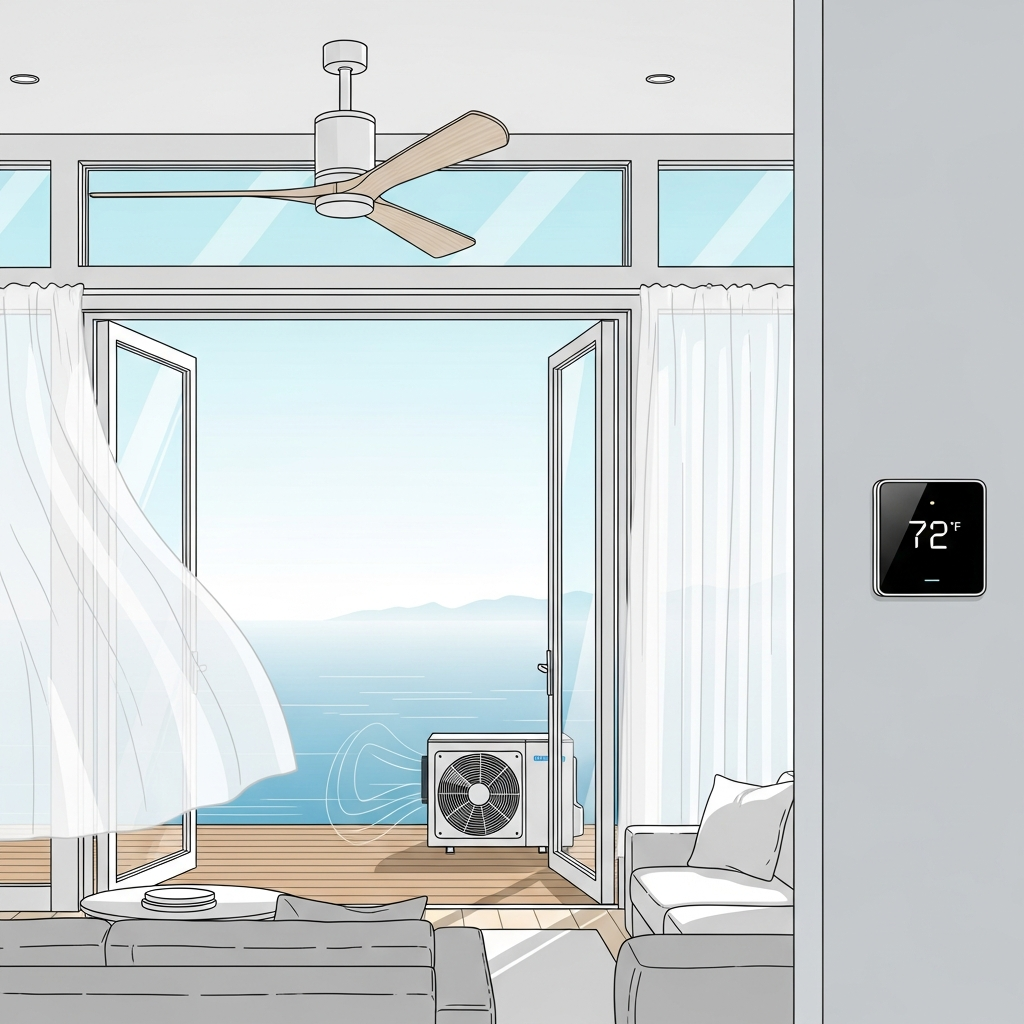
Designing Cool That Feels Like Malibu
Energy efficiency in Malibu isn’t about chasing a number on a label; it’s about harmony. Onshore breezes, marine layers, and glassy ocean views all influence how a home takes on heat and releases it. When you get efficiency right here, the system seems to whisper through hot spells and then step back gracefully when the air outside turns friendly. The path to that ease begins with understanding how equipment, building envelope, and daily rhythms intertwine. If you’re planning an upgrade for summer, taking a few minutes to absorb the language of air conditioning will anchor your decisions and help you ask the questions that turn a good design into a great one.
Malibu summers arrive in pulses. A gray, cool morning can roll into an 88-degree afternoon, and the next day may be gentler thanks to a stubborn marine layer. That volatility rewards systems that modulate, adapt, and never panic. It also rewards homeowners who build shade, seal drafts, and lean on natural ventilation when the ocean cooperates. Efficiency is a team sport, and the coach is a design that fits your microclimate.
Inverter Heat Pumps: The Quiet Backbone
The heart of an efficient Malibu system is usually an inverter heat pump. Unlike old-school single-speed units that roar to life and then quit, inverter systems throttle gently, matching capacity to need. They remove humidity without overcooling on fog-soft mornings and ramp smoothly on sun-struck afternoons. That modulation saves energy, protects parts from thermal shock, and preserves the quiet many of us prize when the sun goes down and windows open to the night.
It’s not just about the outdoor unit. Indoor air handlers with variable-speed fans keep airflow steady and soft, which reduces drafts and evens out temperatures across rooms of different exposures. When paired with smart thermostats and zoning, they allow a bedroom to rest while a home office stays alert—without making the compressor sprint. Efficiency shows up as comfort first, savings second, and longer equipment life third, but you feel it in that order.
Sealed Ducts and Thoughtful Distribution
Even the best equipment wastes energy if air slips away into hot attics or gets strangled by contorted ducts. Malibu’s eclectic architecture—vaulted ceilings, additions over garages, and glass-lined great rooms—demands duct designs that respect physics and aesthetics. Sealing seams, right-sizing runs, and choosing supply registers that wash windows and blend into interiors pays dividends. With ducts in good order, a system can run at lower speeds longer, which is the sweet spot for efficiency and quiet.
Zoning deserves attention in multi-level homes. Upper floors bake under afternoon sun while ground levels stay mild. Giving each level its own air handler or damper-controlled branch lets you avoid overcooling the entire home to tame a warm loft. When designed carefully, zoning prevents the common gripe that one room is always an outlier and it trims the total work your system must do daily.
Envelope First, Always
There’s a Malibu saying among builders: the best ton of cooling is the ton you don’t need. Before asking an AC to carry everything, help the house help itself. Attic insulation that meets modern standards, tight weatherstripping around large sliders, and strategic shading over west-facing glass lower the bar. When the building holds the cool you make, your system can idle. That idling is gold—it’s where efficiency and serenity overlap.
For oceanfront lots, glare control and heat rejection films on large windows can quiet solar gain without darkening prized views. Skylight shades that glide shut before the sun angles in keep lofts manageable. And on those magical evenings when the breeze returns, natural ventilation partners with a smart system that senses open windows and relaxes accordingly.
Controls That Think With You
Smart thermostats are powerful only when tuned to your life. Malibu households often split days between beach, work, and late dinners outdoors. A control strategy that preconditions the home gently mid-morning and eases off when doors start opening for sunset pays off. Geofencing can stage small setpoint shifts as you drive back from PCH, while occupancy sensing pauses cooling in a guest suite that sits empty most of the month. The point is finesse—subtle nudges that add up to meaningful savings and greater comfort.
Integration matters too. If you plan solar or already have it, controls can prioritize daytime cooling when the sun is strongest, then let the house coast. Battery systems offer further nuance, but even without them, a well-orchestrated daily rhythm reduces peak grid draw and smooths your interior climate.
Fresh Air Without Waste
Ventilation is often overlooked in the efficiency conversation, but fresh air keeps homes feeling alive. Energy recovery ventilators (ERVs) exchange heat and, in some designs, moisture, so you don’t throw away the comfort you’ve just created. In Malibu’s mild mornings, a low, steady stream of refreshed air paired with a modulating system makes spaces feel crisp without swinging the energy pendulum. During smoke events, filtered make-up air maintains sanity indoors while windows stay shut.
Kitchen and bath exhausts also deserve respect. Properly ducted and right-sized, they move moisture and odors out effectively, which reduces latent load on the AC. The less your air conditioner has to chase humidity or clear stale air, the more time it spends in its efficient, easy stride.
Outdoor Unit Placement and Coastal Durability
Positioning condensers where breezes help rather than hinder pays quiet dividends. Avoid tight corners that recirculate hot discharge air, and give units breathing room free of shrubs and salty irrigation mist. On oceanfront homes, coastal-rated coatings and stainless hardware are non-negotiable. Regular rinses after windy weeks keep fins clear and prevent invisible salt films from forcing the system to work harder than it should.
Sound matters, both for you and your neighbors. Low-sound models paired with vibration-damping pads and smart placement make it possible to dine outside beside a running system without noticing it. Malibu evenings are too beautiful to soundtrack with a hum.
The Mid-Summer Gut Check
Halfway through the season, peek at your system’s behavior. Are cycles long and gentle, or short and frantic? Does the home stay steady when the marine layer burns off, or do rooms drift? If you’re seeing frantic, you’re likely leaving efficiency on the table. A brief review of how air conditioning systems modulate and move air can illuminate easy adjustments: balancing a duct, nudging a schedule, or closing a shade at the right hour. Efficiency is the sum of small, well-timed moves.
For homes with ADUs or studios, consider independent control. Let the main house relax when a workspace runs cool and focused, or vice versa. Avoid tying a single thermostat to wildly different zones; autonomy is the friend of efficiency.
Commissioning: The Unsung Hero
The difference between equipment that’s merely installed and a system that’s truly efficient is commissioning. We measure airflow, verify refrigerant charge, calibrate sensors, and confirm that zones and controls coordinate. In Malibu, we also sanity-check noise, because a quiet system runs more steadily and thus more efficiently. Proper commissioning eliminates the hidden drags—slightly low airflow, a sensor that reads warm by two degrees, a damper that never fully opens—that erode performance all summer long.
Think of commissioning as the dress rehearsal. When it’s thorough, opening night is flawless and every show thereafter feels effortless. You enjoy the performance without thinking about the actors behind the curtain.
Maintenance: Efficiency’s Long Game
Clean coils, clear drains, straight fins, and fresh filters are not glamorous, but they are the bedrock of efficient cooling. Malibu’s salts and winds add urgency to what might be semiannual tasks elsewhere. A gentle rinse here, a tightened terminal there, and the system glides through August like it’s early June. If something sounds different, act early; efficiency hides in quiet, and noise is often its first leak.
We also track trends: small increases in energy use, subtle changes in cycle length, or emerging hot spots in the home. When you address these nudges promptly, you preserve the easy, low-speed operation that defines an efficient system.
Frequently Asked Questions
Are inverter heat pumps worth it in Malibu?
Yes. Our variable climate rewards modulation. Inverter heat pumps match capacity to need, control humidity gently, and run quietly—ideal for coastal living where comfort and calm share top billing.
Do I need zoning, or is one thermostat enough?
Multi-level or glass-heavy homes almost always benefit from zoning. Separate control lets you avoid overconditioning cool areas to satisfy a warm loft or a bright great room, trimming energy use while improving comfort.
How important is duct sealing for efficiency?
Critical. Leaky ducts spill conditioned air into hot attics and pull dusty, unfiltered air in. Sealing and insulating ducts often delivers the biggest real-world efficiency gain short of upgrading old equipment.
Can smart thermostats really save energy here?
They can, as long as schedules match your life. Features like geofencing, learning cycles, and open-window detection reduce wasted cooling. The key is gentle setpoint moves and coordination with zoning and natural ventilation.
What about fresh air—won’t that waste cooling?
With ERVs and good controls, you can keep interiors fresh without tossing comfort out the window. These systems exchange heat and sometimes moisture, so incoming air arrives closer to your indoor conditions.
How do I keep outdoor units efficient near the ocean?
Choose coastal-rated equipment, rinse coils gently after windy weeks, keep plants trimmed back, and avoid placing units where irrigation mist delivers salts. These steps preserve airflow and heat exchange efficiency.
Make This Summer the Easiest Yet
Energy efficiency should feel like calm, not compromise. If you want a plan that pairs Malibu’s rhythms with the best of modern cooling, start with a quick orientation to air conditioning, then invite us to walk your home and map a strategy. We’ll help you tune the envelope, choose the right equipment, and commission a system that whispers through heat waves and vanishes into the background while you savor sunset after sunset.