
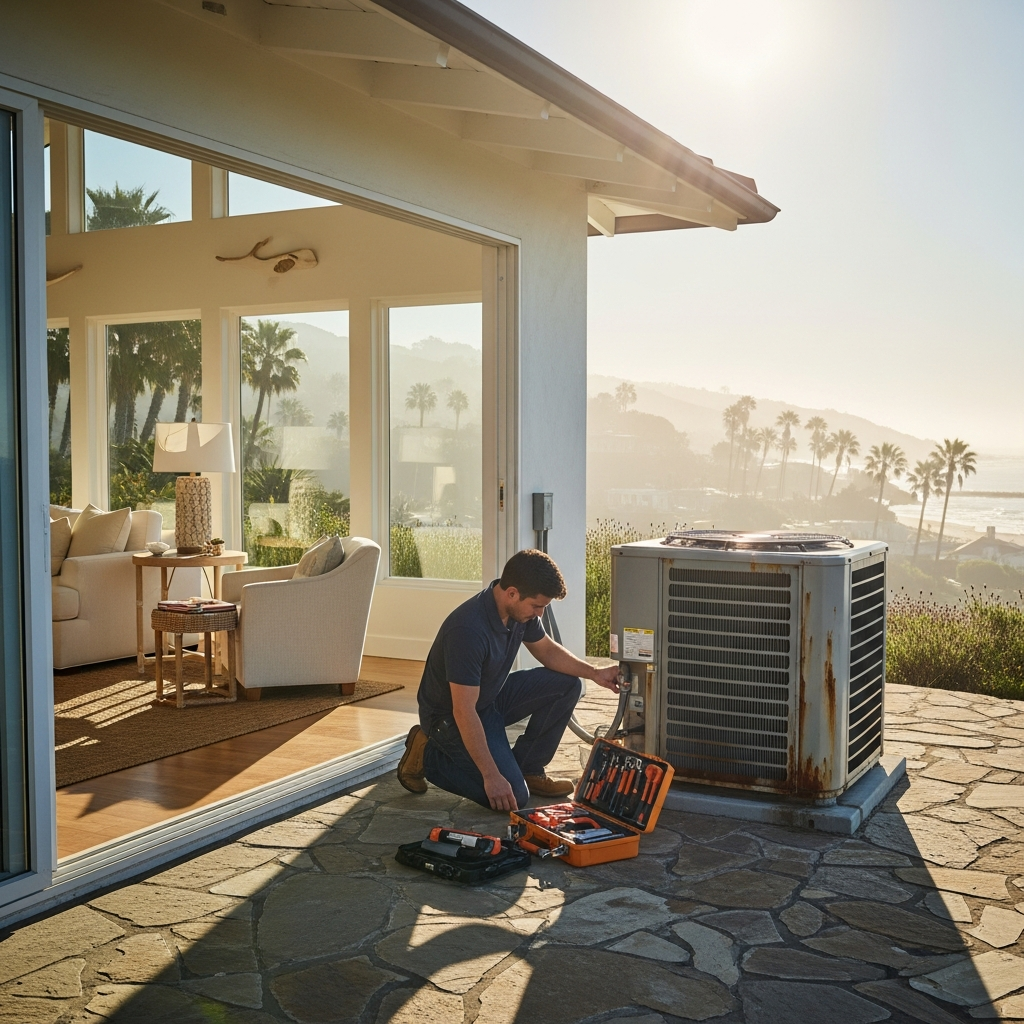
Living in Malibu means breathing salt-tinged air in the morning, watching the marine layer melt away by midday, and feeling the ocean breeze roll through the late afternoon. It is a rhythm that locals know well, and it is also a rhythm your air conditioner must understand to keep your home consistently comfortable. The unique blend of coastal humidity, ocean salt, hillside microclimates, and sporadic heat waves means that routine care is more than a chore; it is a cornerstone of everyday livability. When we talk about the benefits of consistent air conditioning upkeep here, we are speaking from the vantage point of homes perched above the Pacific, tucked into canyons, or set close to the sand, each with its own set of pressures on cooling equipment. The simple act of scheduling regular air maintenance can shape how smoothly your seasons unfold, from the first warm days of spring to the dry, gusty moments of late fall.
As a local, you have likely felt the contrast between a foggy morning and a warm, radiant afternoon in the span of a few hours. That constant swing is precisely why preventive care pays off in Malibu. When a system is tuned to handle transitional weather, it runs quieter, produces more even temperatures, and wastes less energy cycling on and off. In practice, this means a calmer, more peaceful home and fewer surprises when you head to the thermostat. Your compressor, coils, and fans each benefit from a cleaner, more efficient environment, and your ducts are less likely to amplify minor issues into comfort-stealing problems. The benefits are cumulative, like compounding interest for household comfort; each small attention to detail adds resilience.
Why maintenance matters on the coast
Salt in the air is beautiful when you are walking the beach, but it is relentless on outdoor equipment. Metal surfaces collect microscopic crystals that encourage corrosion, especially on condenser fins and fasteners. Over time, that corrosion narrows airflow and forces the system to strain, which can ripple into higher energy use and unnecessary wear. A disciplined maintenance plan catches build-up before it becomes a barrier. It restores the condenser’s ability to shed heat quickly, a fundamental advantage when a warm day arrives or an unexpected Santa Ana pushes dry heat toward the shoreline. Indoors, regular filter changes and return air checks keep dust, pet dander, and wildfire residue from recirculating when you most want a refuge of fresh, cool air.
We also contend with the subtle, surprising effects of coastal fog. The morning dampness raises local humidity, and while it may feel pleasant outdoors, that extra moisture can create condensation that sticks to coils and invites grime to cling. A clean, dry coil moves heat more effectively, protecting the delicate balance that keeps your system operating within design parameters. Maintenance turns this into a routine checkpoint, ensuring that coils are free of residue and that drainage pathways can carry away moisture without pooling or odors.
Efficiency that you can feel and measure
Optimized equipment works less for the same comfort outcome. When your refrigerant circuits, blower settings, and coil surfaces are dialed in, your system can remove heat with fewer, shorter cycles. The result is steadier temperatures and a quieter sound profile, a noticeable difference when you are reading with the windows cracked or entertaining guests on a warm evening. The benefit shows up on your energy bills, too, through reduced runtime and fewer starts that otherwise cause peak electrical draw. While Malibu’s climate is generally moderate, the occasional heat spikes place a premium on systems that can transition quickly to higher loads without grinding or stuttering. Maintenance creates that readiness by confirming airflow, inspecting electrical connections, and verifying that components can handle brief surges without compromise.
Better efficiency is not just technical bragging rights; it is practical peace of mind. Think of the days when you come back from a beach walk and want the living room to feel cool but not cold. A tuned system has finer control, which prevents the blast-freeze effect and the subsequent overcompensation that can leave rooms clammy. Through small calibrations, you get an environment that matches your preferences, even when the coast’s microclimates swing by the hour.
Comfort that suits Malibu’s microclimates
Homes on Point Dume often face different airflow and sun exposure than homes nestled in Ramirez Canyon or Las Flores. Onshore and offshore breezes can change the way your property retains heat from one side of the house to the other. Maintenance translates these realities into practical adjustments. By checking supply and return balances, a technician can help your system distribute air more evenly, reducing hot lofts and overly cool downstairs rooms. The benefits are felt most on transitional days when windows are partially open and interior doors close more frequently as family members move around. The smoother the system’s airflow profile, the less sensitive your comfort is to those little changes in daily life.
Humidity control is another quiet advantage. Even along the coast, indoor humidity can creep upward during the June Gloom stretch, leaving rooms feeling a bit heavy. Clean coils, a well-draining condensate line, and the right blower speeds allow your system to remove just enough moisture to keep things crisp without drying the air to desert levels. This moderation is one of the unsung joys of living with a well-maintained air conditioner: every room feels like the best version of Malibu’s climate—fresh, bright, and balanced.
Reliability when heat waves and wildfire smoke arrive
Malibu’s weather story is incomplete without mentioning sudden heat waves and, in some seasons, wildfire smoke drifting from inland. A system that has been recently inspected is far less likely to stumble during the first real test of summer. Capacitors that are beginning to weaken, contactors that stick, or fan motors that squeal often announce themselves during a thorough check long before they cause a midsummer outage. Similarly, clean filters and sealed return paths mean your home can stay comfortable with fewer indoor particulates when outdoor air quality dips. These benefits are especially meaningful when doors and windows must remain closed for stretches, and your air conditioner becomes the gatekeeper of indoor air quality as well as comfort.
Reliability shows up in quieter ways, too. It is the knowledge that your thermostat will respond predictably, that your upstairs bedrooms will be cool before bedtime, and that the system will cycle down gently rather than clatter to a stop. Over years of ownership, this composure translates into fewer emergency calls and a longer service life for the equipment you rely on most during intense weather.
Protecting the investment you have made in your home
For many Malibu homeowners, the air conditioning system is one component in a larger ecosystem of comfort that includes insulation, windows, and architectural choices. Protecting that system through maintenance is like waxing a surfboard before a season of swell—it is the small, consistent attention that makes everything work better when conditions change. Outdoor units sit in salt air all year, absorbing UV exposure and gusts that carry fine sand. A maintenance visit does not just clean; it preserves. Inspecting cabinet seals, confirming the integrity of fan blades, and tightening electrical lugs all slow the march of wear and tear.
Indoors, the ductwork that weaves through attics and crawl spaces can work itself loose with thermal expansion and contraction. Routine checks tighten up the network that delivers comfort to each room, preventing air that you have already paid to condition from escaping into unoccupied spaces. It is one of those invisible benefits you feel but do not see: the bedroom that cools faster, the den that no longer needs a separate fan, the absence of drafts at floor registers.
What a thorough tune-up looks like
In practice, a visit might begin with airflow measurements at select registers, filter evaluation, and a conversation about the rooms that matter most to your daily routine. From there, the focus turns to the condenser outside, where fins are checked and gently cleared of debris that restricts heat rejection. Electrical components are evaluated for signs of fatigue so that a minor issue does not become a summer surprise. Indoors, the evaporator coil is inspected for cleanliness and even frost patterns that hint at airflow or refrigerant concerns. The condensate drain is verified to run freely, and the lineset insulation is checked so that valuable cooling is not lost before it reaches the air handler. The result is a system reset to its intended performance, ready to meet the moment when the sun breaks through the afternoon haze.
Midway through the season, especially if you live very close to the shoreline or near canyon trailheads where dust and pollen ride the breeze, a touchpoint visit can make a tangible difference. A quick inspection and filter refresh realigns efficiency before warm spells return, and it offers a chance to fine-tune comfort settings based on the way you actually use the home. It is a simple way to add a layer of resilience to your routine, much like checking surf conditions before heading out. This is also an ideal time to schedule mid-season air maintenance if you sense changes in airflow or notice longer cooling cycles.
A local approach for Malibu neighborhoods
Not every maintenance routine is identical, because not every microclimate is the same. Homes above the highway can see stronger afternoon winds, while homes closer to the beach may face more persistent fog. A good maintenance strategy adapts, tightening particular line connections for wind-prone sites or emphasizing coil cleanliness for properties that collect salt mist. In hillside homes, technicians may focus more on duct sealing and balancing to help manage stacked heat and the tendency for upper floors to warm first. In flats near the lagoon and beach, careful humidity management and drain inspection often take center stage. The common thread is a locally informed eye that translates the coastal environment into practical steps you can feel day to day.
The benefit of that local perspective extends beyond the equipment. It shapes the conversation about how you use your spaces, from morning coffee by an east-facing window to evening movie nights with multiple devices generating heat. Fine-tuning scheduling, fan operation, and return air placement can produce outsized comfort gains with minimal changes to your routines. Maintenance becomes the framework for that conversation, a recurring opportunity to ensure your cooling system is serving the way you actually live.
Indoor air quality as a comfort multiplier
Air conditioning and air quality are inseparable in Malibu, where doors and windows swing open and closed depending on the ocean breeze, pollen counts, and occasional smoke. A clean system is the first step toward a house that smells fresh and feels breathable, even after a long day with the doors closed. Filters that are replaced on schedule and properly fitted keep fine particles from recirculating. Coils that are free from buildup shed heat more effectively and avoid creating damp surfaces where odors can take hold. Drain lines that flow without blockage prevent the mustiness that sometimes appears in coastal homes. When these elements align, the whole house ambience changes: lighter, more inviting, and more restful.
There is also a psychological benefit that Malibu residents recognize. Knowing the air in your home is being constantly refreshed and filtered can make the decision to keep windows closed during off days of air quality feel far less restrictive. Your system becomes an ally rather than a compromise, preserving the coastal calm that drew you here in the first place.
Longevity and the patience of routine care
The coastal environment can ask a lot of outdoor equipment, but steady care slows that clock. Each cleaning prevents a small amount of extra strain. Each tightened connection reduces vibration and heat that would otherwise nibble at service life. Over the years, these micro-saves add up to major gains, postponing the need to consider replacement and allowing you to invest in the spaces and experiences that make Malibu home. You will hear it in the way the unit starts—smoothly, without complaint—and feel it in the dependable cool that greets you after time in the sun.
Perhaps most importantly, consistency removes uncertainty. Instead of waiting to see how the system will behave when the first true heat lands, you will already know. You will have heard the normal whirr during a spring check, seen the clean coils, and felt the even flow in each room. That confidence is a benefit in itself, a kind of domestic ease that lets you focus on friends, family, and the view rather than the equipment in the side yard.
FAQ
Q: How often should Malibu homeowners schedule air conditioning maintenance? A: At least once a year is wise for most homes, typically in spring, with an additional mid-season check for properties very close to the ocean or those affected by dust and pollen in canyon areas.
Q: Does coastal salt really affect modern air conditioners? A: Yes. Even with protective coatings, salt encourages corrosion over time, especially on fins and fasteners, which restricts airflow and reduces efficiency without routine cleaning.
Q: Can maintenance improve indoor air quality during wildfire smoke events? A: Absolutely. Clean filters, sealed returns, and a well-maintained air handler reduce recirculated particles and help maintain a fresher indoor environment when windows must stay closed.
Q: Will maintenance make my home cool faster? A: Often it does. Proper airflow, clean coils, and correct system settings allow a space to reach set temperature more quickly and evenly, reducing hot and cold spots.
Q: What signs suggest my system needs attention before peak summer? A: Longer run times, unusual noises at startup, weak airflow at certain registers, and musty odors near supply vents are all cues to schedule a visit.
Q: Is maintenance different for homes on hillsides versus near the beach? A: The fundamentals are the same, but emphasis can shift. Hillside homes may focus more on duct sealing and balancing, while beachfront homes often prioritize coil cleanliness and drainage.
Q: Can I handle some maintenance tasks myself? A: You can keep a clean area around the condenser, change filters on schedule, and note unusual sounds or temperature patterns. A professional visit rounds out the work with deeper checks and calibrations.
Q: Does regular care really extend equipment life? A: Yes. Reducing strain, heat, and vibration through cleaning and tightening slows wear and often adds years to a system’s useful life.
When you are ready to enjoy steadier comfort, cleaner air, and the quiet confidence that comes from a tuned system, make the next step part of your routine. Reach out to schedule your home’s personalized evaluation and plan your next round of air maintenance so your Malibu rooms feel like the best version of the coast every day.