
In Malibu, where ocean breezes meet canyon winds and the sun is generous year-round, homeowners think about their homes differently than folks inland. We plan around the salt air that creeps into hardware, the fog that settles at dawn, and the way summer heat lingers upstairs even after sunset. When it comes to the question of what homeowners pay for duct replacement, the answer is tied closely to these local realities. While figures can vary, the real story is about what shapes the investment and how to make decisions that fit a Malibu home’s character and climate. If you are weighing options, it helps to understand the factors that quietly drive the project, from design to materials to permitting, and why choosing the right approach to duct replacement is so important for comfort, air quality, and efficiency along the coast.
Spend any length of time in a Malibu house and you begin to notice patterns in how air moves. Onshore winds often feel cool and damp, while afternoons warm unevenly, especially in multi-story homes. The same house can be brisk in the morning and balmy by noon, which puts extra demands on a duct system that must handle shifting temperatures and variable humidity. Those who live near the water contend with salt-laden air that can be corrosive, while homeowners tucked into the canyons deal with dust and gusts that funnel through the hills. These small microclimates make a one-size-fits-all duct job ill-suited for Malibu, and that’s precisely why the scope, timeline, and configuration of a project can differ from what you might hear from a friend across town.
Understanding What Shapes a Duct Replacement Project
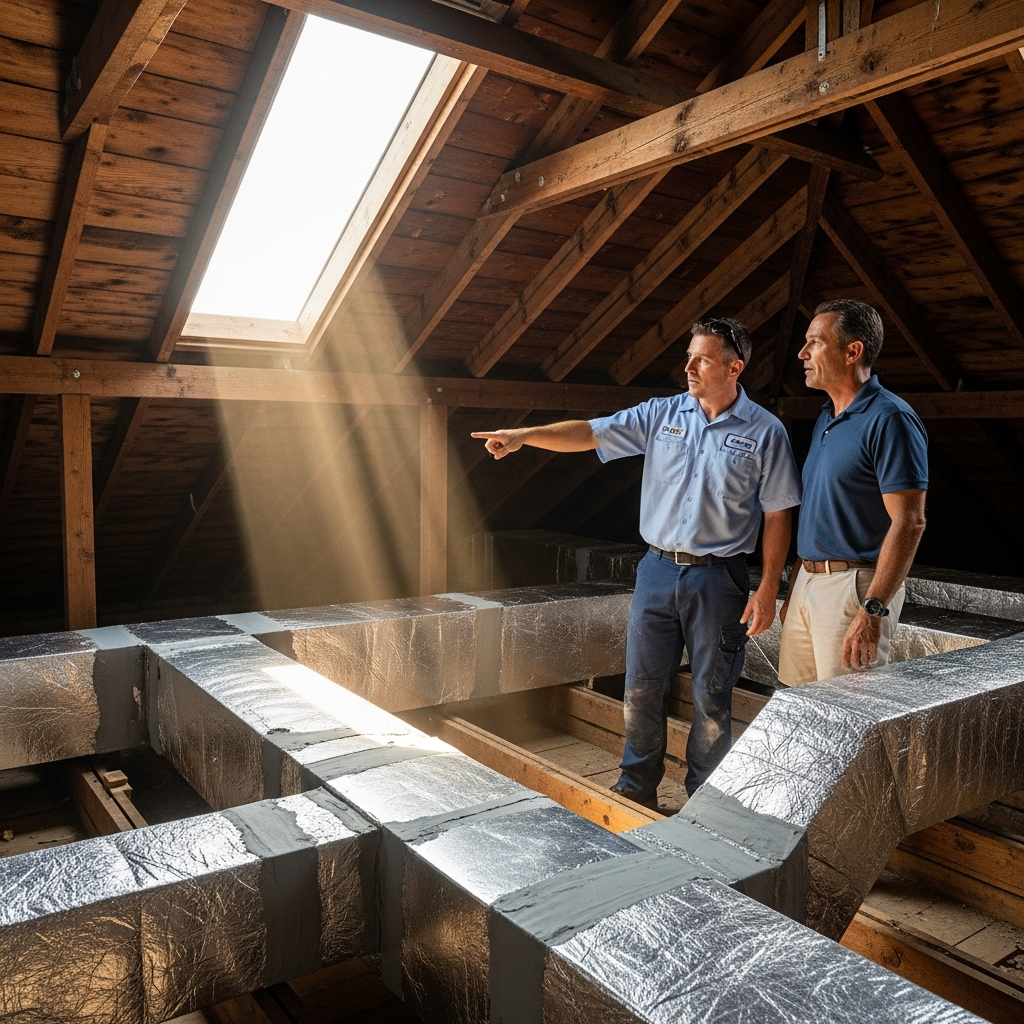
The most important truth about duct replacement in Malibu is that the home determines the work. Size, layout, and access all matter. A single-level ranch with a generous attic presents a very different set of choices than a compact beach cottage with low crawlspace clearance or a hillside property carved into the slope. Access determines how straightforward it is to remove old runs, thread new trunks, and create appropriately sized returns. When space is tight, installers must take their time, plan carefully, and sometimes innovate around obstacles like beams, prior remodels, or older wiring and plumbing that share pathways with ductwork.
Then there is the question of material. In our area, durability and resistance to corrosion count for a lot. Sheet metal, properly insulated and sealed, offers longevity and a smooth interior that resists dust accumulation. Modern flex duct, used judiciously for branches with the proper supports and gentle sweeps, can reduce noise and fit into tight turns. The sweet spot often lies in a thoughtful combination: a sturdy, cleanable trunk with well-supported, short flex connections to diffusers. The choice is never just about material cost; it is also about how well the system will perform through years of salt air, temperature swings, and maintenance cycles in Malibu’s conditions.
Design is as critical as the materials themselves. Malibu homes often feature vaulted ceilings, walls of glass, and open floor plans that look fantastic but demand careful supply and return placement. The sizing of ducts must align with the equipment’s airflow, and with how heat rises through the building. A good design accounts for friction losses, minimizes sharp turns, balances each room’s needs, and includes returns that are large enough to support quiet, efficient circulation. Balanced ducts eliminate the whistling and rattling that many homeowners accept as inevitable, even though they are often signs of sizing issues or leaks.
Why Malibu’s Climate and Terrain Matter
Close to the water, foggy mornings and beach humidity can creep into a system. Inland and uphill, afternoons run hotter and nights can be surprisingly chilly. Ducts that pass through vented attics or crawlspaces face these temperature swings daily, which magnifies the benefit of proper insulation and sealing. If a supply run travels through a hot attic in August, any weak insulation or leaky seam becomes a point where cooled air is lost, reducing comfort and making equipment work harder. The reverse is true on cool nights, when warm air can bleed away before it reaches the living room or bedroom. The wear and tear adds up, and over time, existing ducts can sag, compress, or separate at joints, especially if they were never properly strapped or sealed with mastic in the first place.
Salt air is another quiet player along the coast. You might notice faster patina on outdoor fixtures; the same chemistry affects metal components in and around the HVAC system. While indoor duct interiors are protected from direct exposure, nearby mechanicals, fasteners, and exterior terminations still live in a salt-influenced world. Selecting corrosion-resistant components and ensuring that ducts are insulated to reduce condensation risks can pay off for Malibu homeowners who want to protect their investment and maintain air quality.
Comfort, Quiet, and Air Quality
When locals ask what homeowners ultimately pay for duct replacement, they are often thinking beyond a dollar figure to what they gain. Even, quiet comfort is often the first answer. With a properly designed and sealed system, rooms come into balance. The upstairs bedroom that was a heat trap in late afternoon cools more evenly. The downstairs living room feels less drafty when marine layer creeps in. The return air grille sounds like a soft breath rather than a roar. These outcomes depend on details like register placement, grille sizing, and avoiding unnecessary restrictions inside the ducts.
Air quality matters just as much. Malibu’s unique mix of coastal moisture, wildfire smoke in dry years, and canyon dust means ducts are tasked with filtering a constantly changing air supply. Older ducts, especially those with damaged insulation or interior liners, can harbor dust and, in some cases, unpleasant odors that ride the airflow into living spaces. Replacement presents a chance to reset the system with clean interiors, airtight connections, and insulation that extends throughout the envelope. Many homeowners also choose this moment to optimize filtration, adding returns or upgrading filter cabinets so that equipment operates at a sensible static pressure while still capturing fine particles.
The Role of Assessment and Planning
Before a single section of old duct is removed, a thorough assessment clarifies what is present and what the home needs. That assessment begins with simple observations. Where does the home feel hot or cold? Which rooms respond quickly to thermostat changes and which lag? Are there signs of previous leaks in the attic, like dust deposits at joints or insulation stained by airflow? How accessible are the main runs, and how were they originally routed? An inspection often reveals shortcuts in earlier work—a long, crushed flex run draped across joists, an undersized return, or a takeoff that was never properly sealed.
Design planning follows. In Malibu, where many homes have been remodeled over time, the as-built drawings rarely match the current reality. A careful contractor maps the path of supply and return, checks equipment data to confirm target airflow, and sizes the ductwork accordingly. This step is quiet and invisible, but it is one of the most significant parts of a successful project. It is also where the homeowner has a chance to discuss preferences, like quiet over rapid airflow, or balancing a home office and a family room that see very different use patterns through the week.
Once a plan is set, the logistics of removal and replacement come into view. In attic projects, safe access and protection of stored items matter. In crawlspaces, moisture and clearance are front of mind. Where buildings have multiple systems, sequencing the work to maintain livability during the project is a concern. The Malibu lifestyle rarely allows for long disruptions, so staging, temporary airflow, and clear communication become as important as technical skill.
Materials, Sealing, and Insulation that Stand Up to Malibu
Modern ducts succeed or fail at the seams. The best design in the world will fall short if joints leak, insulation is inconsistent, or hangers are spaced too far apart. In the field, quality looks like mastic sealing of every joint, appropriately sized collars, and carefully cut, clean connections that do not obstruct flow. Insulation levels should reflect the route and exposure. In a hot attic, robust insulation reduces losses and prevents condensation. In vented crawlspaces where nighttime temperatures fall, the same principle applies. Malibu homeowners who have previously felt ducts sweat near vents or noticed discoloration on ceiling diffusers will appreciate how attention to vapor barriers and insulation continuity keeps the system clean and dry.
Support is often an unsung hero. Flex runs should be supported on wide straps at regular intervals, not draped loosely, so they maintain their round shape. Metal trunks should be hung level to avoid low spots that create noise, and transitions should be as smooth as possible. These may sound like small details, but they are the difference between airflow that whooshes and airflow that feels effortless. Over the life of a system, those differences accumulate in quiet operation, reliable comfort, and efficient equipment performance.
Permits, Codes, and Inspections
Malibu’s building oversight is designed to protect both safety and energy performance. Duct replacement often requires permits, and compliance with California’s energy standards helps ensure that homes meet sensible efficiency benchmarks. For homeowners, this is an opportunity rather than a hurdle. An inspection verifies that joints are sealed, insulation is continuous, and airflow is established as planned. It also provides a basis of record that the system was installed to standard, something that matters for long-term home value and future maintenance.
Because Malibu properties can vary widely—from original beach cottages to contemporary custom homes—documentation becomes especially important. Clear plans, notes on material selections, and photos of work in progress help everyone understand how the system was assembled. If future modifications are needed, perhaps to expand a home office return or add a supply to a new studio space, these records reduce guesswork.
Timing and Project Flow
Homeowners often ask when to schedule work. In coastal communities, foggy spring mornings and late summer heat waves both test duct performance, but the best time is usually when a small window of flexibility opens up on your calendar. Because the work can involve access to attics or crawlspaces, mild weather makes life easier for the crew and the household. In practice, clear communication about daily start and stop times, protecting finishes, and keeping pathways clean matters just as much as scheduling the week. The objective is a smooth process where your home stays livable and the team can work efficiently.
Preparation helps. Clearing attic walkways, relocating stored items, and noting delicate surfaces saves time. Inside the living space, protecting furniture and flooring around registers and returns ensures that the final walkthrough feels as good as the first day with new airflow. Malibu homes, with their open windows and indoor-outdoor layouts, are particularly suited to good project staging, because fresh air can flow through while work is underway.
Energy, Sound, and the Feel of a Finished System
While discussions about duct replacement often start with numbers, the best way to judge success is by feel. Does the home cool evenly in late afternoon? Do rooms recover quickly after you close the slider to the deck? Does the system sound like a whisper instead of a rush? These questions point to the core outcomes Malibu homeowners want: quiet confidence that the system serves the space without calling attention to itself. Good duct design reduces static pressure, which eases strain on the air handler and helps the equipment last. Balanced air reduces hot and cold spots. Thoughtful register placement can even tame stubborn drafts that once made a corner chair or breakfast nook less inviting.
Another measure of success in Malibu is resilience. When smoke from upcoast wildfires drifts in, or when a stretch of humid weather brings sticky mornings, a well-designed system with appropriate filtration and airtight ducts helps keep indoor air clear and comfortable. Homeowners who have upgraded often notice that surfaces stay cleaner and that the scent of the home feels fresher, simply because the system is not dragging unfiltered air through gaps and cracks in the ductwork.
Mid-Project Decisions and Opportunities
As with any remodeling effort, duct replacement sometimes uncovers surprises. Perhaps a past renovation left a walled-off chase that is perfect for a new return. Maybe an old, undersized grille can be expanded with a custom finish that matches existing trim. These mid-project decisions can be opportunities to elevate the finished outcome. Malibu homes, known for their craftsmanship and often bespoke interiors, benefit from details like low-resistance grilles, registers selected for quiet discharge, and thoughtful sealing at penetrations to reduce dust migration. This is also the time to consider small enhancements, like a slightly larger filter cabinet that supports high-efficiency filtration without burdening the equipment.
For homeowners who value design continuity, matching registers to the home’s aesthetic matters. In older cottages, a simple white grille might be best; in a modern hillside home, a minimalist linear diffuser could fit the architecture. While these choices seem secondary to performance, they influence daily satisfaction. Thoughtful coordination ensures that practical upgrades blend seamlessly with the home’s personality. In the middle of these choices, it is natural to revisit the initial reason for replacing ducts, and whether any scope adjustments can better achieve that vision. If you find yourself weighing options, it may help to consult resources that focus specifically on duct replacement to keep priorities clear.
What Malibu Homeowners Really Pay For
At the end of the day, Malibu homeowners are investing in comfort that matches a coastal lifestyle. You pay for a system that keeps a bedroom comfortable after a sunset surf session, that lets your home office stay quiet during calls, and that filters air effectively when nature kicks up dust or smoke. You pay for the assurance that ducts are sealed, supported, and sized for the equipment you own, and that the entire installation meets local expectations and energy guidelines. You also pay for craftsmanship that respects your home’s architecture and the realities of working in tight attics or under floors where careful hands make all the difference.
Another piece of the investment is maintenance over time. Clean, well-sealed ducts are easier to maintain, and they keep the rest of the HVAC system healthier. Think of duct replacement as a foundation for the air your family breathes, one that rewards you every day in small ways. A living room that feels cooler during family movie night, fewer dust motes floating in late afternoon sun, and a thermostat that simply does its job without fuss—these are the daily dividends of a well-executed project.
How to Talk with Your Contractor
Good conversations lead to good outcomes. Before work begins, share how you live in the home. Do you keep windows open in the morning? Are there rooms that run warmer or cooler? Do you value quiet above rapid temperature change? Your answers inform design choices, like a slightly larger return for quiet operation, or additional supplies to a room with large glass exposure. Ask about sealing methods, insulation levels, and support spacing. A professional should be able to explain how they will verify airflow, how they protect your home during the process, and what steps they take to accommodate Malibu’s coastal conditions.
It also helps to align expectations about the schedule and daily rhythm of the job. In a beach-adjacent home, you might prefer work to start later to avoid morning moisture in the attic. In a canyon property, earlier starts can help crews beat the afternoon heat. Clarifying these details in advance keeps the project on track and leaves you with energy to enjoy the day while work proceeds.
After Installation: What to Look For
When the new ducts are in place, take a slow walkthrough with the installer. Listen to the system at startup. The air should flow smoothly with no rattles. Check that registers are aligned, returns are quiet, and that there is no visible gap at transitions. Ask what maintenance is recommended for filters and how to monitor airflow as seasons change. If you have a smart thermostat, consider how schedules and setbacks interact with the new system. Malibu’s nights can be cool even in summer; a small schedule tweak may make mornings more pleasant without extra effort.
Over the first few weeks, pay attention to how the home feels at different times of day. The changes may be subtle but meaningful. A bedroom that used to lag may come into line with the rest of the house. A persistent draft near an entry may vanish once a supply is redirected. If anything feels off, speak up early. Adjustments are easiest when the project is fresh and everyone remembers the details.
Frequently Asked Questions
Q: How do I know it is time to replace ducts rather than repair them? A: Look for consistent comfort issues across multiple rooms, visible damage like crushed or disconnected runs, and signs of long-term leakage such as dust streaks at joints. If the duct layout is fundamentally undersized or poorly routed, replacement can be more effective than patchwork fixes.
Q: Will new ducts make my home quieter? A: In many Malibu homes, yes. Properly sized returns, smooth transitions, and well-supported runs reduce turbulence and vibration. Many homeowners notice a softer, steadier sound from their system after replacement.
Q: Can I reuse existing registers and grilles? A: Often you can, but it depends on sizing and condition. If a grille is undersized, upgrading may improve airflow and reduce noise. A walkthrough with your installer will clarify which components make sense to keep.
Q: What about permitting in Malibu? A: Duct replacement typically involves permits and inspections. This helps ensure that the installation meets energy and safety standards. A reputable contractor will handle the paperwork and coordinate inspections.
Q: How long does the process take? A: The timeline varies based on access and scope. Attic projects with clear access proceed faster than tight crawlspaces or homes with complex layouts. Good planning and communication keep the schedule predictable.
Q: Will duct replacement help with wildfire smoke or coastal humidity? A: By sealing the duct system and optimizing filtration, you reduce the paths by which unfiltered air enters the home. While no system can control outdoor conditions, a well-designed duct system supports cleaner indoor air during challenging days.
Q: What maintenance should I plan after replacement? A: Keep filters on schedule, monitor returns and supplies for unusual noise, and schedule periodic system checkups. With clean ducts and balanced airflow, routine maintenance goes a long way.
Q: Can I phase the work? A: In homes with multiple systems or large layouts, phasing is sometimes practical. Discuss a plan that maintains comfort while work progresses, especially if you live in the home full-time during the project.
If you are ready to make your Malibu home feel the way it should, consider speaking with a local pro who understands coastal conditions and cares about details. To explore options and get a sense of what a tailored solution looks like, start by reading more about duct replacement and then schedule a site visit. Your home will reward you daily with quieter rooms, cleaner air, and comfort that simply feels right.