
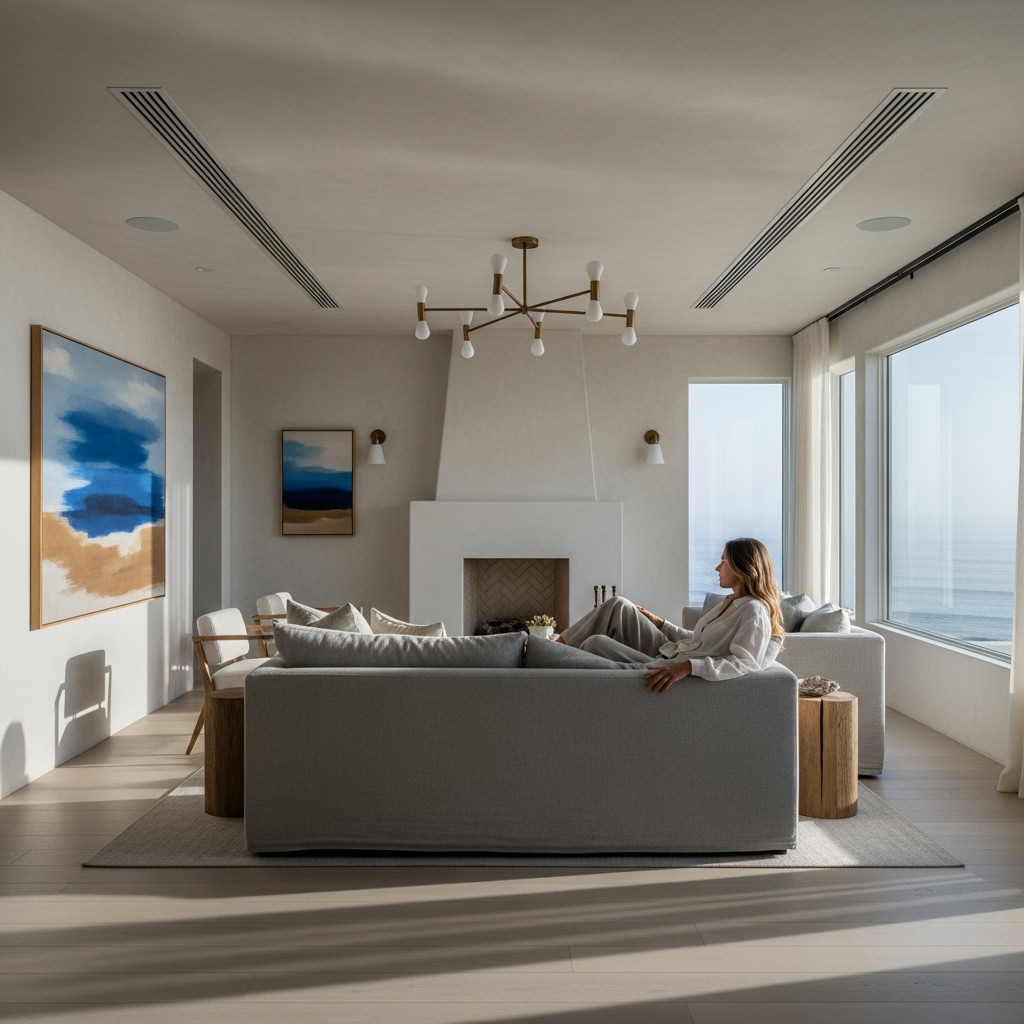
Living in Malibu means waking to a pearly marine layer, watching it peel back to reveal a cobalt Pacific, and then feeling the afternoon sun warm the decks from Broad Beach to Carbon Canyon. That rhythm is part of why we live here, but it also brings an unusual set of indoor comfort challenges. Sea fog rides in with salt, afternoons can turn surprisingly hot, breezes change direction from canyon to point, and the air can swing between damp and dry. In this setting, the right approach to air conditioning is less about blasting cold air and more about crafting a balanced, resilient, and quiet indoor environment that complements the Malibu lifestyle.
As a coastal homeowner, you know how the house feels different after a few days of onshore flow compared to a Santa Ana weekend. Pillows feel heavier, floors may feel tacky, and windows bead with a fine salt sheen. These subtleties matter because comfort is cumulative; tiny shifts in humidity, temperature, and indoor air quality add up to the mood of a space. A well-designed system anticipates them, keeping bedrooms restful, living rooms breezy but controlled, and art, wood, and electronics protected from salt-laden moisture.
Why Malibu’s Coastal Climate Changes the Comfort Equation
Malibu’s microclimates are surprisingly varied. The morning marine layer can cool Point Dume while the sun already bakes Latigo Canyon. Late-day winds off Zuma can leave Broad Beach comfortable while Malibu Colony stays still and warm. That variability calls for systems that can modulate output, manage humidity, and adjust quietly. Instead of treating cooling as a crude on–off switch, modern systems deliver gentle, steady conditioning that matches the moment.
Humidity control is foundational. Even at moderate temperatures, high humidity makes rooms feel heavy and encourages mold in closets, baths, and basements. Controlled dehumidification keeps relative humidity in a healthy band so sheets feel crisp, doors don’t swell, and coastal finishes hold their shape. At the same time, thoughtful filtration helps capture salt particles and airborne irritants, supporting better breathing when wildfire smoke or pollen drifts in from the canyons.
Protecting Your Home’s Materials and Aesthetic
Much of Malibu’s charm lies in organic materials—white oak floors, plaster walls, linen upholstery, bronze fixtures—that respond to air and moisture. Gentle, consistent cooling prevents the expansion and contraction cycles that can crack seams or warp trim. For art collectors, keeping temperature and humidity steady protects canvases and frames. For those who work from home, stable indoor conditions help electronics run reliably and extend their lifespan.
There is also the matter of acoustics. With waves, wind, and wildlife as your soundtrack, mechanical noise should fade into the background. Quiet operation comes from right-sizing, thoughtful equipment placement, and systems that spend most of their time at low speed. When you can maintain a conversation on a deck off Sea Level Drive without hearing the condenser or fall asleep in a cliffside bedroom without a compressor thump, you appreciate how comfort and quiet go hand in hand.
Everyday Wellness: Sleep, Focus, and Recovery
When nights run warm after a clear day, sleep suffers. Precision temperature control, especially in primary suites, supports deeper rest. During the day, keeping home offices and studios cool without drafts helps you focus. After a long surf session at First Point or a hike above Deer Creek, stepping into steady, cool air aids recovery. Comfort is not a luxury; it’s an ally to daily life.
Efficient, Zoned Cooling for Varied Spaces
Most Malibu homes have varied volumes—double-height living rooms, shaded lower levels, sunny glass pavilions, and guest spaces that are used intermittently. Zoning lets you tailor conditions, cooling occupied spaces while easing off elsewhere. That translates to comfort when you need it and energy savings when you don’t. In guesthouses or studios carved into the hillside, compact solutions can serve without tying into the main ductwork, keeping projects discreet and preserving architectural lines.
Midday heat often peaks just when the family gathers after the beach or when the sun angles across a wall of glass. This is where advanced controls shine, nudging systems to anticipate heat gain so rooms stay even. It’s also a smart moment to plan equipment that is resilient against salt air. Protective finishes, smart placement, and service access make a measurable difference over years of coastal exposure. In that planning, keep the bigger picture in mind: a calm, efficient, and beautiful home where air conditioning supports the architecture rather than competing with it.
Coastal Durability: Building for Salt, Sun, and Wind
Salt air is relentless. Outdoor components need corrosion-resistant hardware, protective coatings, and clearance for rinsing. Indoors, drain pans must stay clean and lines clear to prevent moisture issues. A maintenance routine that includes fresh-water rinses of outdoor coils, regular filter changes, and seasonal tune-ups pays back in longevity. Placement matters too—setback from breaking surf, shelter from prevailing winds, and elevation above splash zones all reduce exposure.
The coastal sun is equally intense. Shading and proper ventilation in mechanical enclosures avoid heat traps, and ductwork must be sealed and insulated to prevent losses. When you walk around a property and see how wind flows, where fog lingers, and how afternoon light moves across the structure, choices about equipment and routing become obvious. That mindset—reading the site first—defines the best coastal installations.
Design Sensitivity: Quiet Comfort That Honors the View
Design-forward Malibu homes ask for systems that disappear. Slim profiles, hidden returns, and strategic grille placement keep visual lines clean. Quiet, low-speed operation preserves the hush at dusk when the ocean turns silver. Thoughtful control interfaces blend with interior finishes, and scheduling adapts to real life—weekend entertaining, travel weeks, and school routines.
For renovated bungalows near La Costa and new construction above Trancas, the goal is the same: bring the interior into balance with the exterior. That means no cold blasts, no muggy corners, and no mechanical distractions. The reward is a home that always feels composed, whether fog is hugging the cliffs or September sun is beating down.
Performance You Can Feel: From First Step Inside
You know a well-tuned home the moment you open the door. The air is clear, temperature even, and surfaces neutral to the touch. Kitchens stay comfortable while cooking, glass corridors don’t bake, and bedrooms stay perfectly cool for sleep. Pets lounge without panting, and guests comment that the house just feels good. These are the everyday benefits that make coastal living easy.
Frequently Asked Questions
What makes Malibu’s coastal conditions harder on cooling systems?
Salt-laden moisture accelerates corrosion on outdoor components, while shifting winds and microclimates strain poorly sized or fixed-output systems. The right design uses corrosion-resistant materials, smart placement, humidity control, and variable output to handle the ebb and flow of coastal weather.
How often should filters be changed in a beachside home?
Filters typically need changing more frequently on the coast because salt and fine particulates accumulate quickly. Inspect monthly during peak season and change as needed to keep airflow strong and indoor air clean, especially if windows are often open to the breeze.
Will humidity control really make that much difference?
Absolutely. When relative humidity stays in a comfortable range, rooms feel cooler at a given temperature, textiles feel fresh, wood stays stable, and odors diminish. It’s one of the most impactful contributors to comfort in Malibu’s marine environment.
Can I keep equipment quiet enough for oceanfront decks?
Yes. Proper sizing, low-speed operation, vibration isolation, and thoughtful placement away from reflective walls dramatically reduce noise. The result is a soundscape where waves and conversation are audible without mechanical intrusion.
What’s the best way to extend system life near the ocean?
Combine protective finishes and corrosion-resistant hardware with routine fresh-water coil rinses, timely filter changes, and seasonal professional service. Keep vegetation trimmed for airflow and avoid salt traps near breaking surf or irrigation overspray.
When you are ready to make your home calmer, healthier, and more resilient season after season, reach out to a local expert who understands the coastline from Big Rock to County Line. A thoughtful plan for air conditioning will protect your investment, preserve the quiet character of your rooms, and ensure every day at home feels as good as the view.