What “Trusted” Really Means for Malibu Duct Replacement
When you search for a company “near me” in Malibu, you are really searching for more than proximity. You want familiarity with our local climate, terrain, and permitting landscape, and you want a team that protects your home as if it were their own. In Malibu, trust is built on consistent communication, proven technical design, and quiet, tidy workmanship. Whether your home sits on the sand, up a canyon, or along a winding ridge, a reliable partner for duct replacement blends expertise with respect for the unique challenges of our coast.
From the first call, you can feel the difference. A trusted contractor listens closely, asks about comfort issues room by room, and takes notes on noise, dust, and any history of moisture or rodent intrusion. They explain how ducts breathe with the home and why a replacement isn’t only about swapping tubes. It’s about redesigning airflow, stabilizing temperatures, and sealing the system so it serves your lifestyle quietly and efficiently. The goal isn’t to rush through an attic; it’s to deliver calm, consistent comfort the moment the system runs.
Local Conditions Demand Local Knowledge
Malibu’s weather patterns change fast—marine layer in the morning, warm afternoon sun, evening breezes that can howl through the canyons. Ducts live through those swings. On the coast, salt air demands corrosion‑resistant hardware and careful sealing. In the hills, tight crawlspaces and multi-level floor systems make access tricky. Add in our architecture—vaulted ceilings, glass walls, and creative remodels—and it’s clear why a one-size-fits-all approach doesn’t work here. The trusted partner accounts for all of this, shaping a design that harmonizes with your home’s structure and the way you live.
Permitting and verification are equally important. California’s energy code requires performance testing, so the project must be designed to pass—not just on paper, but under real-world conditions. That means returns large enough for proper filtration, trunk sizes that keep static pressure within equipment limits, and sealing that holds under testing. Experience with HERS coordination and Malibu’s local processes removes friction and keeps the project moving.
From Assessment to Design: The Conversation That Matters
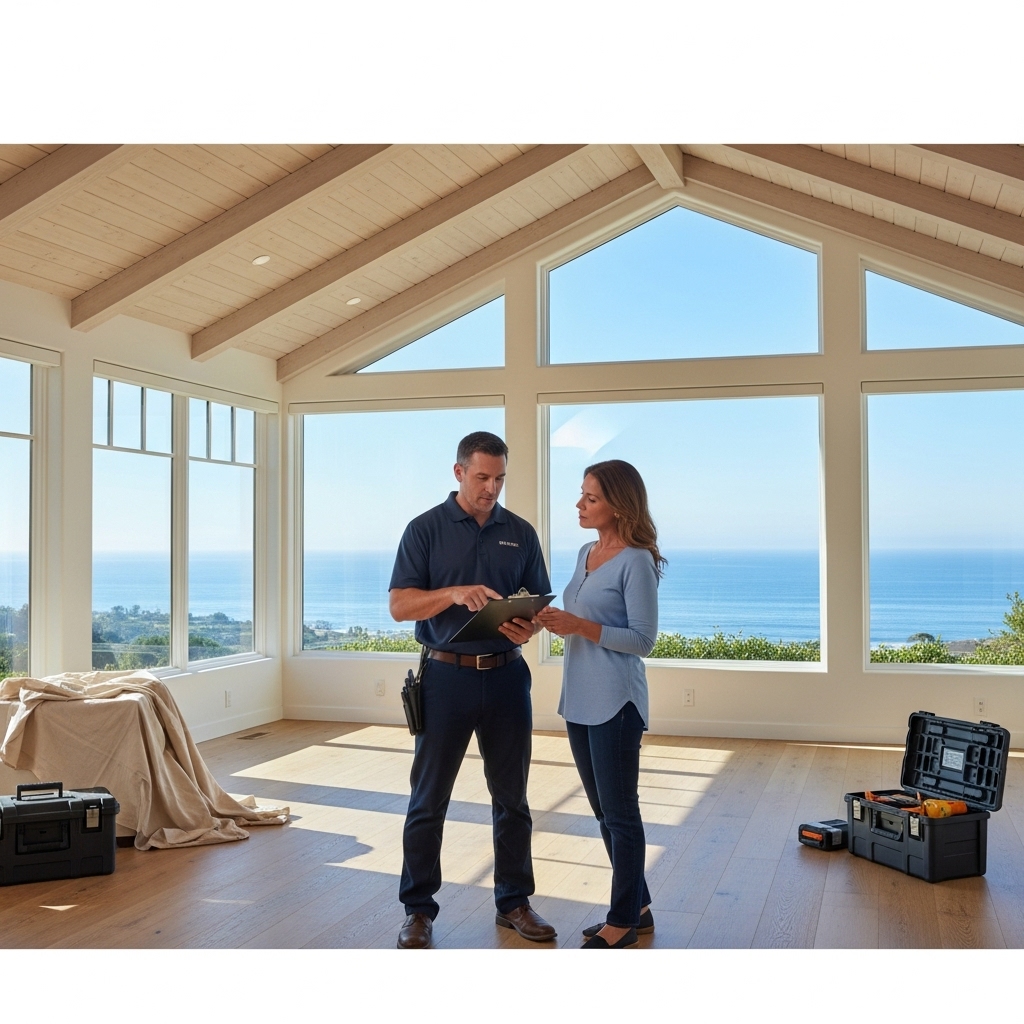
Trust grows in the assessment phase. Your contractor should walk the house with you, look at attic and crawlspace access, and discuss the rooms that never feel quite right. They should sketch how air will move, where returns will live, and which materials match your environment and goals. You’ll see the path from problem to solution: not just “replace ducts,” but “rethink the system.” That clarity helps you make confident decisions and aligns expectations for schedule and results.
In Malibu, many homes have layered histories of remodels. A trusted team reads those layers—framing quirks, hidden chases, and prior additions—and then designs a duct layout that honors the current footprint. They anticipate friction points, propose improvements to register sizing or locations, and consider future equipment upgrades. When you review proposals, you’ll notice the difference between a sketch that simply swaps runs and one that truly rebalances the house.
Installation Quality You Can Feel (and Not Hear)
The best ductwork disappears into the architecture and quietly delivers comfort. That quiet comes from balanced airflow, sealed joints, and thoughtful register placement. In practice, it looks like hangers set at proper intervals, mastic sealing at all joints, vapor barriers taped cleanly, and boots sealed to building assemblies so conditioned air doesn’t leak into cavities. It means branches supported to avoid sags, trunks sized for distance, and returns placed to support higher-MERV filtration without starving the blower. You’ll feel the difference the first time the system cycles: no whistling, fewer drafts, and even temperatures across spaces that used to fight each other.
Cleanliness is part of quality. A trusted crew protects finishes, manages debris, and keeps pathways clear. They plan for staging in tight driveways and respect quiet hours in hillside neighborhoods. If you split time between homes, they provide daily summaries and photos so you’re informed even when away. That steady communication is as important as technical skill; it removes unknowns and makes the process comfortable for you and your family.
Materials That Stand Up to the Coast
Near the ocean, corrosion resistance drives many choices. Fasteners and hangers survive longer when coated or stainless. Rigid trunks reduce noise and maintain airflow over distance, while insulated flex performs well on short runs when properly supported. Insulation should meet or exceed code, and vapor barriers need intact seams. In some high-humidity or salt-exposed areas, lined metal trunks can help control sound and resist internal wear. A trusted contractor selects materials based on your microclimate and the specific geometry of your home, not just what happens to be on the truck.
Filtration and returns deserve special attention. If you want to capture pollen or wildfire smoke particulates, the return side must be designed for higher-MERV filters without creating excessive pressure drop. That can require additional returns or larger grilles, and it may involve a better filter cabinet. These details transform your everyday experience, particularly during seasonal events that challenge indoor air quality.
Why Trust Also Means Transparent Testing
California’s HERS process can feel complicated from the outside, but it’s simply a way to confirm that the system performs as promised. Trusted contractors welcome that verification. They aim for leakage targets with careful sealing, then balance airflow so the blower operates comfortably. When the rater arrives, the work speaks for itself. That transparency builds confidence: you have third-party confirmation that the system you invested in truly meets performance standards.
If you’re comparing proposals, look for details about testing and commissioning. Does the scope include balancing dampers and verification? Are register sizes being adjusted to meet airflow needs? Will the return support your preferred filter? These questions separate a basic swap from a thoughtful upgrade, and the answers tell you who is serious about earning your trust.
Comfort That Matches Malibu Living
Malibu homes are places to breathe—open doors to the sea, watch fog roll in, gather on decks as the sun drops over the water. The right duct system preserves that ease indoors, smoothing hot spots, calming noise, and filtering out what doesn’t belong in your living spaces. If you work from home, you’ll notice fewer temperature swings during long days. If you entertain, guests will feel at ease across rooms that used to argue for attention from the thermostat. Over time, you’ll also notice the system’s calm reliability; it’s what happens when airflow and pressure are exactly where they should be.
Midway through your decision, it can help to refocus on the goal: confidence. You want a partner who is clear about design, organized about logistics, and steady with the details. That combination is what makes duct replacement in Malibu feel seamless from first meeting to final walkthrough.
Frequently Asked Questions
How do I know I’m hiring a trustworthy duct replacement contractor?
Look for a contractor who leads with design and communication. They should discuss load calculations, duct sizing, returns, sealing, and testing. Ask for references from local projects with similar access conditions—beachfront, hillside, or multi-level homes. Clear proposals that spell out materials, sealing methods, and commissioning steps are a strong indicator of professionalism. Finally, observe how they handle your questions; clear, patient explanations are a hallmark of reliable partners.
Will I need to be home during the work?
Not necessarily. Many Malibu homeowners schedule duct replacements while traveling or staying at another residence. A trusted crew will coordinate access, provide daily progress notes, and share photos from attics or crawlspaces. If you prefer to be present, they’ll respect your routine and keep spaces protected so you can carry on with minimal disruption.
What should I expect from the design phase?
Expect a conversation about your home’s comfort story—rooms that run hot or cold, noise concerns, and air quality goals. You should see a plan that illustrates trunk sizes, branch paths, and return locations. The contractor should explain why certain registers may change size or position and how the design supports better filtration. By the end, you’ll understand how the system will balance and why those choices make sense for your home.
How important are returns and filtration?
They’re critical. Returns are the system’s intake; if they’re too small or poorly located, airflow suffers, and filters load quickly. Good design supports high-efficiency filters without adding excessive resistance. In coastal and canyon areas where pollen, smoke, and salt are realities, upgraded filtration improves day-to-day life. During a duct replacement, it’s the ideal time to right-size returns and choose a filter cabinet that supports your goals.
What makes Malibu installations different from other regions?
Access and environment. Low-slope roofs, tight crawlspaces, and corrosion pressure from salt air change the installation playbook. Installation crews adjust hangers and supports to prevent sag in constrained spaces, select materials that resist the coast, and seal meticulously to pass performance testing. The design also responds to architecture—from airy great rooms to compact additions—that demands careful balancing for quiet comfort.
How soon will I notice a difference?
Often immediately. Even temperatures, quieter registers, and a cleaner feel in the air show up as soon as the system runs. Rooms that lagged behind—far bedrooms, over-garage spaces, and enclosed offices—tend to improve the most. Over time, you’ll also notice calmer cycling and less dust, particularly if the return side was upgraded to support better filtration.
Can you coordinate with other work, like insulation or equipment upgrades?
Absolutely. The best outcomes come from coordination. If you plan attic insulation, roof work, or an equipment changeout, a trusted contractor will sequence the duct project so penetrations are sealed, supports are set, and tests occur at the right time. They’ll also design with the future in mind, so if you plan to move to variable-capacity equipment or add zoning, the ductwork is ready for that next step.
When you’re ready to move forward, choose a partner who communicates clearly, designs thoughtfully, and installs with the care your home deserves. Malibu rewards that attention with years of quiet, balanced comfort and indoor air that keeps pace with your lifestyle. If you want a straightforward path and a team that treats your home with respect from start to finish, begin with experienced duct replacement guidance that’s rooted in Malibu’s unique conditions.