
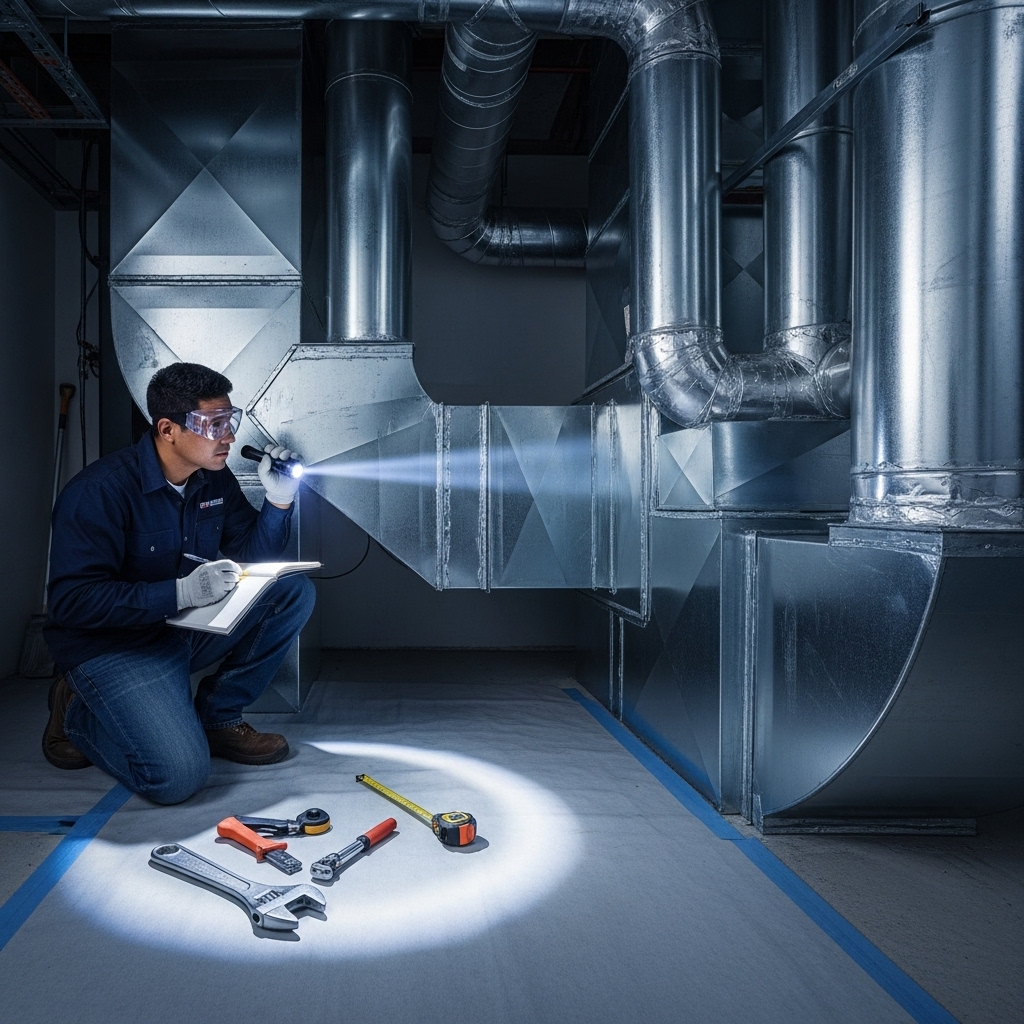
In Malibu, where houses stretch from salt-sprayed beachfronts to oak-shadowed canyons, duct systems experience an unusually wide range of conditions. Any meaningful conversation about duct cleaning begins with inspection—thorough, methodical, and informed by the microclimates that shape our homes. Over the years, I’ve walked countless properties with homeowners who want more than a quick once-over. They want to know what matters, what to expect, and how to measure a good job. The foundation is simple: consistent standards applied with local intelligence. Before anyone brings in hoses and vacuums, start with a careful review and, when appropriate, schedule professional air duct cleaning that follows clear, defensible procedures.
What a thorough inspection actually covers
The best inspections trace the full path of air from the rooms to the mechanical heart and back. That means eyes on supply registers, a close look at return grilles and plenums, and an honest assessment of the blower, evaporator or heat exchanger, and nearby duct connections. In Malibu’s coastal homes, metal trunk lines may show early signs of salt-related surface wear; in canyon homes, expect more pollen and fine dust accumulation. A competent inspector documents conditions with photos or video where feasible, because transparency builds trust and creates a baseline for future comparisons.
Access matters. Before cleaning, technicians should identify reasonable access points that minimize disruption to finishes while allowing tools to reach key sections. Flexible ducts receive special attention: sags and kinks reduce airflow and trap debris, so inspection notes should include support spacing, bend radii, and any flattened spans. For metal ducts, especially older ones, inspectors look for loose seams, failed mastic, or early corrosion around fasteners. Each finding has an impact on both cleaning results and system performance after the work is done.
Standards that guide the work
While different companies cite different frameworks, the underlying principles are consistent: contain debris, protect the home, verify results, and avoid damaging the system. Negative pressure is established so loosened material moves toward collection rather than back into rooms. Agitation is controlled and appropriate to the duct material—softer brushes and compressed-air tools for delicate flex duct, more robust agitation for metal where warranted. High-efficiency filtration is used at the collector to prevent exhaust contamination, and protective coverings shield flooring and finishes. These basics form the skeleton of any reputable inspection-to-cleaning process.
Documentation is part of the standard, too. Before-and-after visuals, notes on discovered conditions, and a summary of actions taken give homeowners a clear picture. In Malibu, where many homes host guests and undergo periodic renovations, this record becomes invaluable. You’ll know whether the dusty guest wing improved, whether that questionable flex run still needs rerouting, and whether the return plenum is behaving as intended.
Local conditions that shape inspection priorities
Malibu’s marine layer and salt air focus attention on metal components and any place where condensation might occur. Inspectors watch for mineral films and surface roughness on interior duct skin near exterior walls or crawlspace spans. In canyons, inspection leans toward pollen and organic debris, looking for spots where moisture could mingle with plant matter. Hillside homes exposed to Santa Ana winds merit special scrutiny of return pathways and attic penetrations, which can admit fine dust that accumulates unseen until odors or gray halos appear on grilles.
Wildfire history also influences the checklist. Even if the last event was seasons ago, soot can persist in quiet branches and on surfaces that never see high airflow. Inspectors should note any smoky odor at startup and look closely at sections near fireplaces or rooms with frequent outdoor exposure. Proper cleaning plans account for these residues so they are removed safely and completely.
Evaluating airflow and balance
Inspection isn’t only about dust. Airflow reveals whether your system is working hard or hardly working. Technicians listen for hiss and whine at registers, feel for weak supply in distant rooms, and note any whistling that suggests leaks. They may measure temperature differentials or use simple tools to estimate static pressure. Even in a visual inspection, patterns emerge: a starved return, an oversized branch, a flex run crushed over a joist. These findings inform both the cleaning method and any recommendations for improvement, because there’s little sense in polishing a system that is fundamentally unbalanced.
In practical terms, homeowners notice the payoff when rooms behave more alike after service. Bedrooms that ran cool against the evening marine layer warm at a similar rate to seaside living rooms. Afternoon hotspots mellow. The system sounds calmer. These are signs that inspection revealed, and cleaning executed, the adjustments that matter.
Protection of finishes and interiors
Malibu homes are finished with care: wide-plank oak, limestone, Venetian plaster, hand-forged registers. Inspection should account for these materials in the planning stage. How will equipment enter and exit without scuffing thresholds? Where will protective coverings go? Which registers are especially delicate? Good plans allocate time to protect the home before a single screw is turned. After all, the goal of cleaning is a healthier, more comfortable house—not a project that leaves traces of itself in nicked trim or dusty corners.
When cleaning is not the first step
Sometimes inspection reveals conditions that call for repair before cleaning. A return plenum with a gap, a disconnected branch hidden in insulation, or a condensate issue dripping into a boot will undermine any cleaning effort. Addressing these issues first prevents recontamination and protects equipment. In older homes, inspectors may find duct materials near end-of-life; if the structure of a flex run is soft or the inner liner is brittle, cleaning must be gentle, or replacement should precede deeper work. Thoughtful sequencing is as much a part of standards as the cleaning itself.
Communication and expectations
Clear communication is a standard unto itself. Homeowners should know what areas will be accessed, how long work will take, what noise to expect, and how the home will be protected. They should also know the limits—what can be cleaned, what should be replaced, and where access is not feasible without construction. In Malibu, where many properties include guest houses, studios, or creative additions, mapping the system and clarifying zones avoids confusion and ensures the entire air pathway receives attention.
Verification and post-service review
Verification closes the loop. After cleaning, a visual check of branches, a look inside returns, and confirmation that registers are free of residue provide immediate assurance. Some projects benefit from light video confirmation, especially where access is limited. Homeowners should receive guidance on filter strategy after service, notes on any remaining concerns, and suggestions for future inspections tied to Malibu’s seasons and events. Verification turns a good job into a reliable baseline that sets expectations for how the system should feel and sound going forward.
Why standards matter for health and efficiency
Consistent standards aren’t just for technicians; they protect the health and comfort of everyone living in the home. Clean ducts reduce irritants after windy periods and wildfire seasons. Balanced airflow shortens runtimes, which saves energy and can extend equipment life. In a coastal community where we value quiet comfort and low-impact living, a standards-driven process aligns technology with our values: do the job right, protect the home, and verify the results.
Frequently asked questions
How long should a proper inspection take? It varies with size and complexity, but a meaningful inspection allocates enough time to see inside returns, evaluate accessible duct runs, check the blower area, and document conditions. Rushed looks rarely uncover the details that matter in Malibu homes.
Do I need cleaning if my home feels fine? If registers remain clean and odors are absent, you may not need immediate service. However, periodic inspections still make sense, especially after Santa Ana events or renovations. Early findings prevent small issues from becoming costly or disruptive.
What if my ducts are older flex? Older flex can be serviced carefully, but inspection should verify its condition. If the inner liner is brittle or crushed, replacement before cleaning may be the prudent path to protect both air quality and efficiency.
Will inspection identify energy-saving opportunities? Often, yes. Imbalances, leaks, and restrictions discovered during inspection point to corrections that reduce static pressure and improve distribution. The result is quieter operation and shorter cycles.
How do I know the cleaning was successful? Look for brighter, residue-free registers, reduced odors at startup, quieter airflow, and filters that stay cleaner longer. Documentation—photos or video where feasible—adds confidence and provides a baseline for future check-ins.
Set a higher bar for your Malibu home
If you’re ready to pair rigorous inspection with careful, results-driven work, start with a plan rooted in clear standards and local understanding. Schedule professional air duct cleaning that respects Malibu’s materials, microclimates, and expectations for quiet, effortless comfort. The right approach turns an invisible system into a quietly reliable partner in everyday living.