
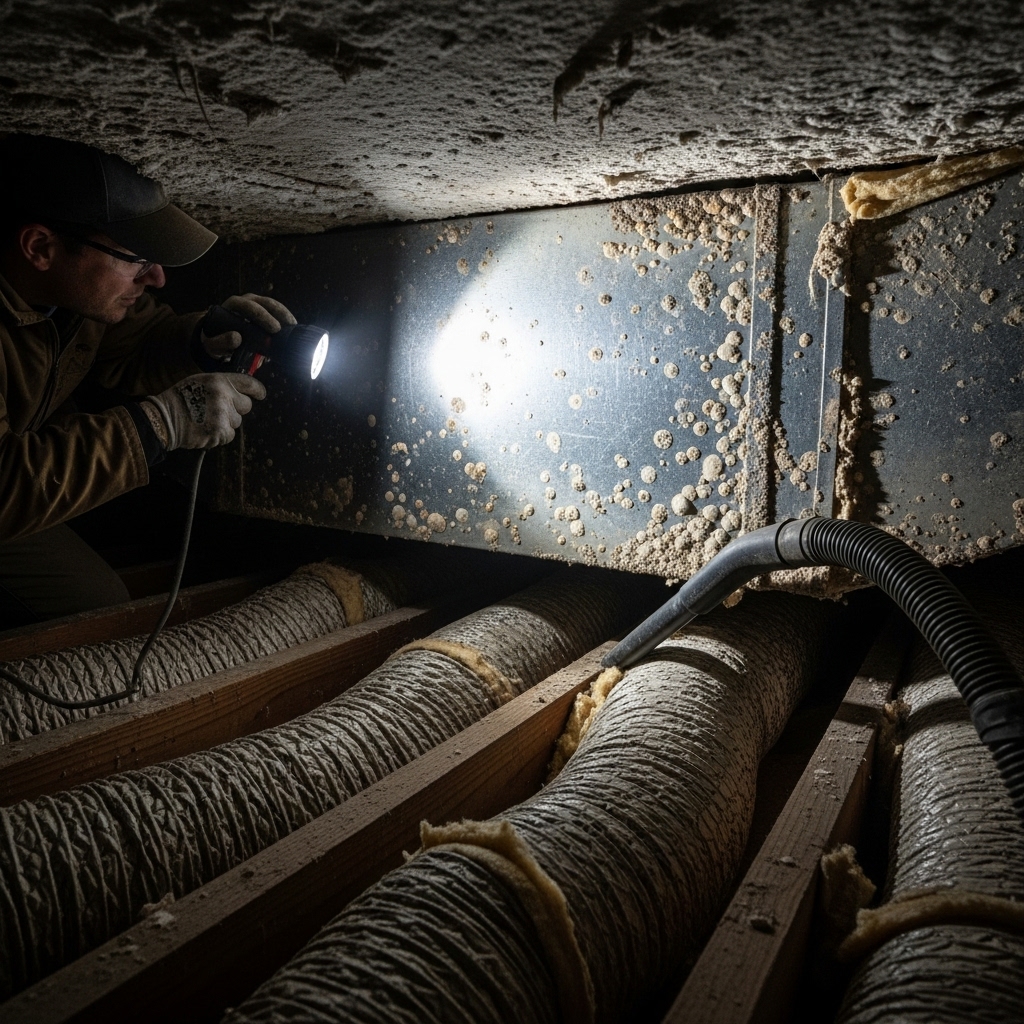
Walk along Pacific Coast Highway on a breezy afternoon and you can feel what makes Malibu special: shifting winds, ocean-cooled air, and the complex dance between sea and canyon. Those same forces shape the hidden passages inside our homes, where dust, pollen, salt, and the traces of daily living collect. Over the years I’ve inspected and serviced duct systems from Point Dume to Malibu Canyon, and patterns emerge—recurring issues that are particular to our geography and lifestyle. Understanding these common challenges makes it easier to keep your home comfortable, efficient, and healthy. It also clarifies why regular, professional air duct cleaning is more than a checkbox; it’s part of how we live well on the coast.
Salt in the air, salt in the ducts
Malibu air carries a fine mist of salt, especially close to the waterline or when the marine layer hugs the shore. Over time, that salt settles on metal duct interiors, grilles, and dampers. Mix in a touch of humidity and it can speed corrosion, particularly at joints, screws, and any small fasteners that pierce the duct wall. Cleaning removes salt crust and the sticky film that forms around it. If you notice a rough texture on metal components or fine white residue on return grilles, that’s your cue to take a closer look. Addressed early, salt-related wear remains cosmetic; ignored, it can compromise a damper’s smooth movement or a joint’s seal, which in turn degrades airflow and invites more dust to hitch a ride.
Marine layer moisture and mold risk
Malibu’s morning fog creates cozy patios and soft light, but inside ducts, moisture can be a problem. Condensation happens where warm, moisture-laden air meets a cool surface, especially near poorly insulated runs or metal boots in shaded subfloors. That moisture can combine with settled dust to create ideal conditions for microbial growth. While not every spot of discoloration is a health risk, any persistent musty odor, slimy residue, or visible growth should be taken seriously. Proper cleaning paired with better insulation and sealing sharply reduces recurrence. It’s the combination that matters: remove the fuel, then remove the conditions that let it return.
Santa Ana winds and particulate surges
When offshore winds kick up, the dust load in our air spikes, and even well-sealed Malibu homes feel the difference. Fine particulates infiltrate through door sweeps and small building gaps. They enter return grilles during frequent door openings and through leaky chase penetrations. Inside the ducts, they accumulate in slow-flow zones—turns, wyes, and dead-end branches. After repeated wind events, the early symptom is a gray film on register faces and a light haze when a room catches the sun. A deep cleaning resets the system, and it’s wise to follow with a quick check of envelope leaks around penetrations, rim joists, and attic hatches to slow the next surge.
Wildfire residue that lingers
Even distant fires change the calculus inside Malibu homes. Ash and smoke particles are tiny and adhesive; they cling to duct surfaces and can be nudged back into the airstream with each cycle. Residents often describe a faint, sweet smoky odor at startup or after the first run of the season. Once inside, soot can blend with moisture to create sticky deposits that trap new dust, accelerating buildup. Post-event cleaning is effective, especially when paired with filter upgrades and coil inspection. The goal is not just to clear what you see, but to break the cycle that lets residue recirculate, irritate, and reappear as gray halos on grilles.
Construction and renovation dust
Malibu homeowners love to refresh interiors, add ocean-facing openings, and reimagine kitchens and studios. Renovation dust—silica from tile cuts, gypsum from drywall, fine sawdust from cabinetry—travels astonishingly well. If returns are not properly sealed during work, that dust dives straight into ductwork and settles deep. Its signature is a powder-fine layer that dulls metal and leaves fingertip lines. Even after a remodel looks spotless, the first hot day can carry a chalky scent through the registers. In these homes, a post-project cleaning is less a luxury and more a protective step for both lungs and equipment, since fine particulates can also coat coils and hinder heat transfer.
Pet dander and the Malibu lifestyle
We are a community of animal lovers. Dogs charged with beach energy and cats with sunlit contentment share our living spaces. Their dander, hair, and even the oils from fur become part of the household air. While good filtration helps, dander inevitably settles in the duct network, particularly in lower-velocity runs serving bedrooms or dens. Over time, this can add a faint, musky odor and amplify allergy symptoms for sensitive guests. Regular cleaning, plus a filter strategy tuned to your household (and vacuuming returns and grilles between service visits), keeps that background level low so you can enjoy the companionship without the sneezing soundtrack.
Pests and the hidden passages
Occasionally, duct inspections turn up small signs of unwelcome visitors—evidence of rodents in attic runs, insect debris near exterior terminations, or nesting material in unused branches. Malibu’s natural setting makes such encounters possible, especially in homes flanked by open space. Cleaning removes the debris, but the real solution includes sealing entry points and ensuring exterior screens are intact. If you’ve noticed sudden odors, bits of insulation in a register, or rustling in return chases, it’s time for a thorough assessment that doesn’t just sanitize the ducts but also secures the perimeter.
Flex duct sag and airflow bottlenecks
Many homes feature sections of flexible duct to navigate tight framing. Over time, these runs can sag, kink, or flatten where they pass over beams or through tight trusses. A sag creates a dust trap—air slows in the belly, debris settles, and distribution suffers. Cleaning will remove the accumulation, but it’s equally important to correct support spacing and routing to prevent recurrence. The gain is twofold: healthier air and balanced rooms. Homeowners often notice that previously stubborn rooms begin reaching setpoint more quickly and remain more stable during afternoon heat.
Return-side neglect
Returns do a quiet but heavy lift, pulling everything in the room back toward the system, including the finest dust. In Malibu, return plenums in closets or hallways sometimes accumulate more build-up than the supply side simply because return filters are missed or undersized. You may not stare at your returns the way you admire a sleek supply grille, but they demand equal attention. Cleaning that focuses on the entire path—from grille to plenum to blower—pays the biggest dividends. Air that enters clean, passes clean, and exits clean is the trifecta that keeps your home in a consistent comfort groove.
Odors and their hidden causes
Odors are the language your home uses to signal hidden issues. A sour smell at startup can hint at condensate issues. A faint mustiness suggests standing moisture somewhere in the system or in nearby building cavities. A burnt-dust aroma during the first heating run of the season is common, but if it persists, it may mean dust layers deeper in the ducts or on the heat exchanger. During cleaning, technicians should follow the nose, not just the schedule—if a smell appears, it deserves a targeted investigation that might include looking at drain pans, coil fins, or nearby crawlspace vents that allow damp outside air to mingle with conditioned air.
The Malibu mid-year reset
Because of our microclimates, issues don’t present on a tidy calendar. After a spring heavy with marine layer or an autumn with frequent Santa Anas, a mid-year reset can be transformative. Think of it as aligning your home with the seasons the way surfers study swell angles. Scheduling timely air duct cleaning during these transition points prevents small problems from becoming long-term companions and keeps your system efficient when it matters most.
Signs you should not ignore
Look for registers that darken faster than normal, a thin gray ruffle around returns, or rooms that feel stuffy despite a reasonable thermostat reading. Listen for hissing or whistling at a single register, which may indicate buildup or a restriction. Trust your senses during the first cycle after a long idle period—if you smell something off or hear unusual turbulence, those are clues worth following. Homes talk; learning the language of yours helps you schedule service before comfort erodes.
After cleaning: maintaining the gain
Post-cleaning, you should see and feel a difference: brighter grilles, steadier temperatures, calmer mornings for allergy sufferers, and perhaps a quieter system. Keep those gains by attending to the basics—filter checks timed to local conditions, windows open with intention during foggy mornings, and doors sealed well enough to minimize dust eddies during wind events. Over time, these small habits create a home that complements Malibu’s generous outdoors without importing its rougher edges.
Frequently asked questions
What is the most common issue you see in Malibu ducts? Salt and moisture working together top the list near the coast, while dust surges during Santa Ana winds are universal. Both leave telltale films and benefit from timely, thorough cleaning paired with minor sealing or insulation improvements.
How can I tell if wildfire residue is still in my system? Look for persistent smoky odors on startup and fine soot collecting on supply grilles. A professional inspection with attention to returns, plenums, and coils can confirm and remove residue that’s otherwise hard to reach.
Will cleaning fix rooms that never seem to cool or heat properly? It often helps, especially if dust buildup or flex duct sag is restricting flow. In some cases, balancing or modest duct rerouting may also be needed. Cleaning is a smart first step that reveals what else might be at play.
Do pets make duct cleaning necessary more often? Households with multiple pets tend to benefit from a shorter interval. Dander and hair can accumulate surprisingly fast, particularly in return pathways and low-velocity branches serving bedrooms.
Can I avoid issues with better filters alone? Better filtration helps, but it can’t remove what has already settled. Cleaning clears the backlog; filters then maintain the improved baseline.
Bring your home back to its coastal best
If your grilles look tired or the air feels heavier than it should, it may be time to refresh the hidden channels of your home. Start with a conversation and an inspection focused on local conditions, then schedule the work that resets comfort and health. When you’re ready, choose professional air duct cleaning that respects Malibu’s unique environment and restores the quiet, breezy ease we all cherish.