
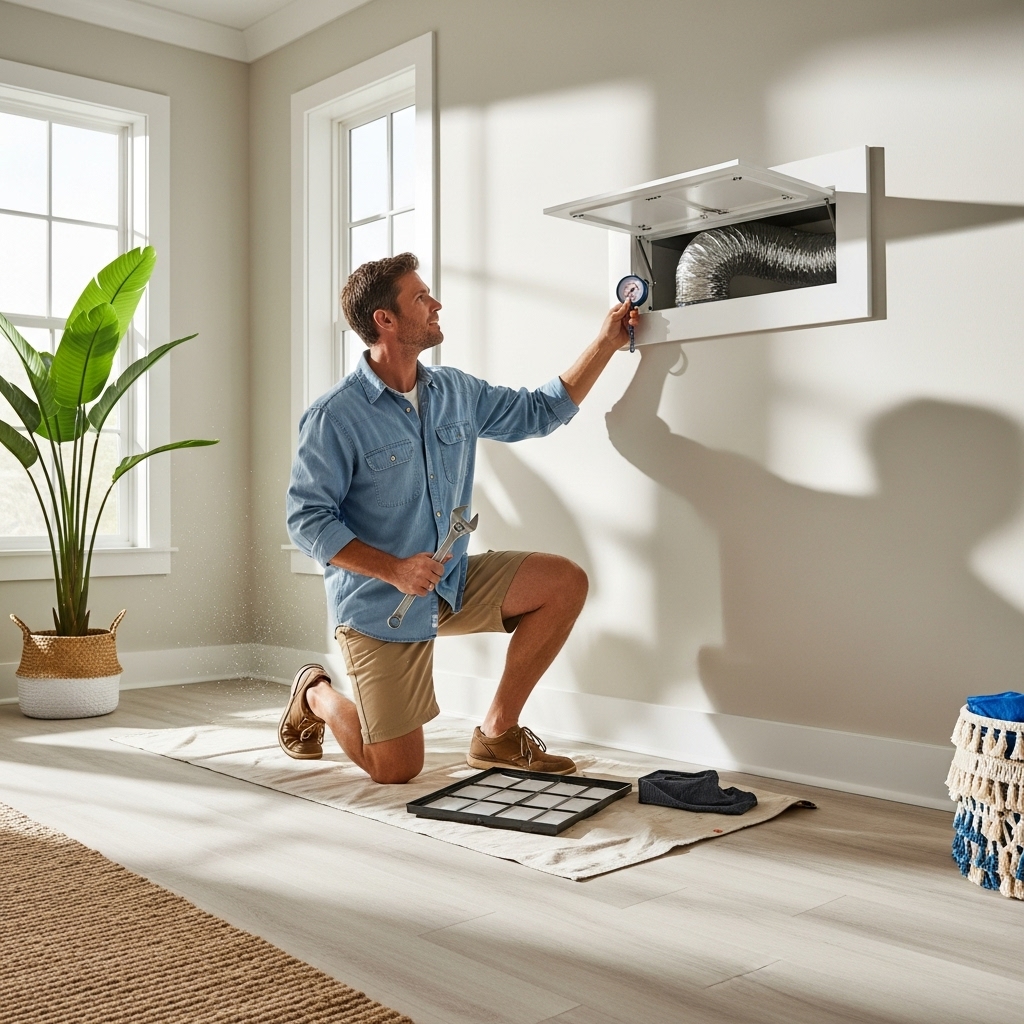
On a fog-softened Malibu morning, your cooling system may feel like an afterthought. But by afternoon—especially in glass-forward homes along the coast—the heat can gather quickly, and that’s when common air conditioning problems reveal themselves. Over years of service calls from Point Dume to Big Rock, I’ve seen a handful of issues repeat with predictable regularity in our coastal setting. The good news is that with a little knowledge and a Malibu-specific perspective, most problems have straightforward fixes or preventions. This guide lays out what tends to go wrong, why it happens here, and how a tuned approach to air conditioning keeps your home quietly comfortable all season long.
Before diving into specifics, it’s worth noting that Malibu adds its own twist to cooling challenges. Salt air accelerates corrosion, June gloom raises indoor humidity even on cooler days, and wildfire smoke can clog filters seemingly overnight. Architectural choices—massive sliders, high ceilings, and layered additions—complicate airflow and place unique demands on ductwork. Understanding these local factors helps us zero in on causes quickly and recommend fixes that last.
Weak Airflow and Uneven Rooms
One of the most common complaints is a hot living room and a chilly hallway, or an upstairs primary suite that never quite catches up. Often, the culprit is a mix of undersized returns, long duct runs with sharp turns, or registers placed for aesthetics rather than performance. In older renovations, I’ve seen ducts squeezed through tight chases that starve airflow to the very rooms that need it most.
The fix begins with measurement. Simple static pressure readings and airflow tests map the bottlenecks. Sometimes it’s as direct as replacing a small return grille with a larger, better-louvered one, or adding a secondary return to relieve pressure. Rebalancing dampers and adjusting supply register vanes can redistribute air more fairly, and in stubborn cases, short-run ducted cassettes or a discreet ductless head provide targeted relief without tearing into walls.
Short-Cycling and Humidity Hangovers
Short-cycling—rapid on/off behavior—leads to poor humidity control and uneven temperatures. In Malibu, where humidity matters, short cycles leave you with a house that feels cool but clammy. Causes include oversized equipment, improper thermostat placement, and low airflow through dirty filters or clogged coils. I often find thermostats tucked into shaded halls that underestimate sun-baked living rooms, causing premature shutoff.
Solutions include relocating or augmenting thermostats with remote sensors placed where heat actually builds, ensuring filters are clean, and verifying correct fan speeds. When equipment is significantly oversized, adding dehumidification or revisiting capacity during a planned upgrade can restore that crisp, dry comfort we aim for during June gloom and late-summer evenings alike.
Condensate Leaks and Drains
Malibu homes see generous condensate production during humid mornings and dewy nights. If drains clog with algae or construction dust, water can back up and drip through ceilings or closets. Pan float switches should be standard to shut systems down before damage occurs, but I still encounter air handlers without them, especially in older installations.
Regular flushing with appropriate treatments, proper trap design, and accessible clean-outs keep condensate pathways reliable. If your system sits in a tight attic space, consider a secondary drain pan with a sensor—cheap insurance in a home where finishes are painstakingly curated.
Corrosion and Outdoor Unit Fatigue
Salt air is hard on exposed metal. Outdoor units near the beach can show surface rust within a season and deeper coil deterioration if not protected. Screws, brackets, and even service valves corrode, making routine maintenance harder and accelerating wear.
The coastal fix is multi-pronged: choose coastal-rated units, install them where prevailing winds are softened by landscaping or the building mass, and rinse coils periodically with fresh water. Protective coatings, stainless hardware, and secure, level mounting pads prevent micro-vibrations that compound fatigue. These steps don’t eliminate the ocean’s effect, but they stretch equipment life and preserve efficiency.
Noise Complaints Indoors
Even in large homes, a noisy return or whistling register can dominate a room. Noise often traces back to high duct velocities through small openings, restrictive filters, or kinked flex duct. In bedrooms, these issues are especially noticeable late at night when the house is otherwise quiet.
We address noise by increasing return area, selecting low-resistance filters, straightening or replacing compromised duct sections, and in some cases, adding acoustic lining near the air handler. For Malibu, where windows are often open in the morning, systems need to sound like a gentle backdrop, not a mechanical intrusion.
Poor Filtration and Smoke Intrusion
Wildfire smoke can drift into Malibu with little warning. If your system relies on low-grade filters or has leaky return ducts in dusty attics, indoor air can deteriorate rapidly. During smoke events, I’ve seen filters load up dramatically in a matter of days, throttling airflow and nudging systems toward short-cycling.
Upgrading to a higher MERV filter compatible with your blower, sealing return ducts, and checking gaskets at filter doors are practical, immediate steps. Pair those with a strategy for smoke days—closing windows, running continuous low-speed circulation through good filtration—and your home stays a refuge even when outdoor air quality drops.
Thermostat Confusion and Control Conflicts
Smart controls help, but they can also create surprises. Multiple apps, overlapping schedules, and sensors that aren’t weighted correctly can make systems seem inconsistent. If sliders are open to the sea, a thermostat might respond erratically unless it’s been set to handle those conditions gracefully.
The fix is simplification and calibration. Consolidate control platforms where possible, define clear schedules that reflect Malibu’s daily arc, and assign sensor priority to sunlit rooms and sleeping areas. Teach the system to pre-cool ahead of afternoon heat and ease back when evening breezes return. The more your controls echo nature’s rhythm here, the better the result.
Underperforming Systems in Additions and Guesthouses
Layered remodels sometimes inherit duct systems never designed for new wings or over-garage suites. The symptom is familiar: spaces that lag behind, especially on warm afternoons. Running new duct from an overloaded trunk rarely solves the root issue.
In many Malibu projects, we separate the problem spaces and give them tailored solutions: a short-run ducted cassette tucked in a soffit, or a slim ductless head that blends into a niche. Independent control also suits occasional-use rooms, avoiding the energy penalty of conditioning them all day when no one is there.
Maintenance Gaps in Coastal Conditions
What counts as “regular maintenance” inland doesn’t quite cover Malibu. Filters load faster, coils collect salt, and condensate lines run more water. Skipping a spring or mid-summer visit can turn small, invisible issues into weekend-wrecking failures just when the house is full of guests.
Adopting a coastal maintenance cadence—filter checks monthly in peak use, coil rinses, and seasonal inspections—keeps systems in tune. These visits also catch creeping corrosion, loose electrical connections due to seaside expansion and contraction, and comfort drift that can be nudged back into line with minor adjustments.
When Replacement Beats Repair
There’s a pragmatic threshold where repeated fixes simply extend discomfort. Systems that short-cycle due to oversizing, or outdoor units with advanced salt damage, may never deliver the quiet, even comfort Malibu homes deserve. When replacement is on the table, seize the moment to right-size equipment, add zoning, improve returns, and select coastal-rated models. The jump in comfort is immediate and often accompanied by lower noise and steadier humidity control.
The Middle-Mile Matters
Many issues aren’t dramatic failures but small frictions—sticky zones at 3 p.m., a whoosh over the sofa, a drain that gurgles once a week. Addressing these “middle-mile” annoyances changes how a home feels. After a thoughtful tune-up, you’ll notice fewer reasons to touch the thermostat, an absence of drafts, and a sense that rooms simply behave.
When your system is tuned, the midday lull becomes peaceful, and evenings settle without that persistent warmth trapped near the ceiling. This is the quiet payoff of reliable air conditioning in Malibu: fewer disruptions, more ease, and interiors that mirror the calm of the ocean just beyond your windows.
Frequently Asked Questions
Why does my upstairs stay warmer even when the AC runs constantly?
Stack effect and solar gain compound on upper levels, especially with large windows. Solutions include zoning the second floor, improving return pathways, and fine-tuning diffuser throws to wash glass and ceiling pockets where heat collects.
How can I tell if my system is oversized?
Signs include short run times, frequent starts and stops, poor humidity control, and uncomfortable temperature swings. A load calculation and runtime analysis confirm oversizing and guide either control changes or future downsizing.
What’s the simplest noise fix?
Increase return grille area and ensure filters aren’t overly restrictive. Reducing air velocity lowers turbulence, which is the root of many whistles and rumbles. Realigning kinked flex duct is another quick win.
Do I need special equipment for the salt air?
Coastal-rated outdoor units with coated coils, stainless hardware, and durable cabinets pay for themselves in longevity. Placement out of direct prevailing winds and periodic freshwater rinsing further protect your investment.
How often should I change filters during summer?
Check monthly in Malibu’s peak season, especially during smoke events or high-occupancy periods. Replace as needed to maintain airflow and filtration performance; clogged filters are a leading cause of poor comfort and system strain.
Can I improve comfort without replacing everything?
Yes. Airflow balancing, strategic returns, better filtration, control calibration, and targeted mini-splits for problem rooms often deliver big comfort gains with modest disruption.
Ready to smooth out those hot spots?
If your home feels a step behind the weather, a Malibu-aware assessment can identify the few changes that yield the biggest comfort improvements. Explore modern air conditioning options and let your rooms breathe easier, from morning fog to sunset glow.