
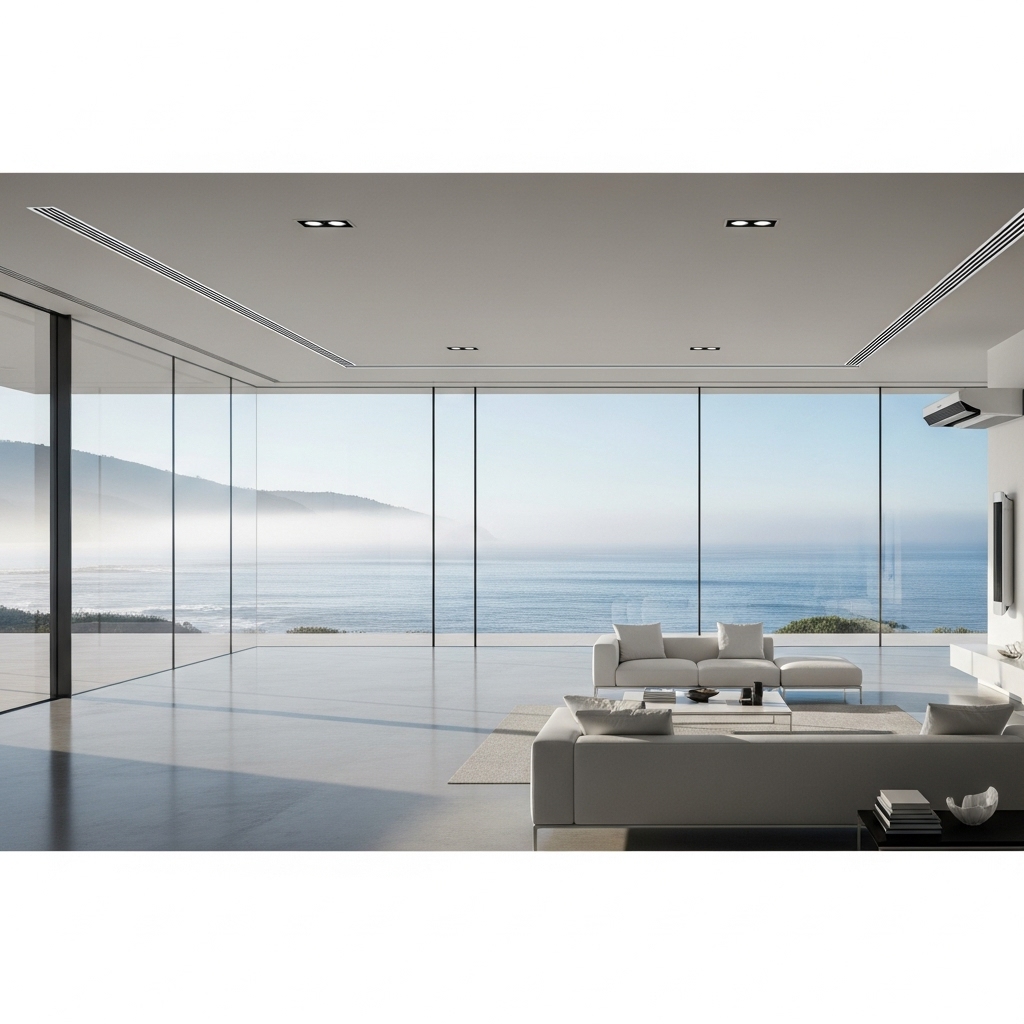
Walk any stretch of Malibu’s shoreline—from El Matador’s sculpted coves to the broad sands of Carbon Beach—and you’ll see architecture that pushes glass and openness to the forefront. As these oceanfront homes evolve, so too does the mechanical strategy required to keep them comfortable, healthy, and resilient. Today’s most compelling air conditioning trends reflect a balance between coastal durability, unobtrusive aesthetics, finely tuned comfort, and smart adaptation to Malibu’s shifting microclimates. Having collaborated with design teams and homeowners along the water for years, I’ve watched innovations that once felt niche become expected features in luxury seaside living.
Oceanfront life is a paradox: the outdoors is paramount, yet interiors must remain a sanctuary when wind, fog, or smoke roll in. The newest systems embrace that duality by emphasizing quiet performance, nuanced humidity control, and filtration capable of addressing both sea salt and seasonal wildfire particulates. What follows is a look at the trends defining high-performance coastal homes in Malibu right now, and how they translate into daily comfort and long-term confidence.
Inverter Heat Pumps as the New Standard
A decade ago, coastal owners often defaulted to traditional split systems. Today, inverter-driven heat pumps dominate new builds and substantial renovations along the water. Their appeal is simple: they modulate output to match real-time demand, gliding through long, low-speed cycles that tame humidity, reduce noise, and maintain remarkably steady temperatures. On a misty June morning, the system sips energy to hold a gentle baseline. By late afternoon, when sun drenches the living room through 30 feet of glass, the same equipment ramps up smoothly without the abrupt on-off cycling that draws attention.
The heat pump’s ability to provide shoulder-season heating also resonates in Malibu, where many oceanfront homes skip gas lines or limit combustion appliances by design. Gentle, even heat in the evening and precise cooling in the day align with the lived cadence of the coast. With coastal-rated outdoor units—coated coils, stainless hardware, robust enclosures—these systems are lasting longer in the salt air than previous generations.
Architectural Diffusers and Invisible Ducting
As glass walls slide away and ceilings float, owners want comfort they can feel but not see. Linear slot diffusers tucked into shadow lines, micro-perforated returns, and short-run ducted cassettes hidden in soffits let the interior architecture remain the star. I’ve seen minimalist great rooms maintained at perfect equilibrium with barely a visible grille, the air emerging as a soft sheet that blends rather than drafts. In heritage cottages undergoing surgical upgrades, compact ducted mini cassettes provide discretion where full-sized ducts would overwhelm original framing.
Invisible doesn’t mean inaccessible. The trend includes service-friendly layouts: lift-out panels, magnetic grilles, and clear routes to filters. In Malibu’s salty air, easy maintenance isn’t optional; it’s what keeps performance aligned with design intent as the years pass.
Humidity Mastery and Dedicated Dehumidification
More oceanfront owners are separating temperature control from moisture management. While modern heat pumps do an excellent job extracting humidity during longer cycles, dedicated whole-home or room-based dehumidifiers are increasingly specified for beach-level suites, gyms, and media rooms. The payoff is felt in bedding, rugs, and millwork that stay fresh through June gloom, and in the absence of that vague softness that can haunt tightly sealed, glass-forward homes.
Controls now treat humidity as a first-class citizen. Thermostats with dew point awareness coordinate cooling, ventilation, and dehumidification so that big doors can open on perfect days without inviting a clammy hangover. It’s a sophisticated dance that keeps spaces feeling dry and crisp even as the Pacific provides generous ambient moisture.
IAQ: Filtration for Sea Salt and Smoke
Malibu’s air has its moods. Some days carry a fine saline haze; others, during Santa Ana-driven fire events, bring smoke that can travel miles. Oceanfront properties increasingly specify filtration strategies that address both. MERV 13 or better filters in tight, well-sealed ducts capture fine particulates, while some projects incorporate dedicated fresh air systems with energy recovery to avoid importing humidity or heat. The goal is clear: enjoy the openness to the sea when it serves you, and have a buttoned-up sanctuary when it doesn’t.
Smarter sensors support this trend. Indoor monitors trigger increased circulation or filtration when particulates or humidity rise, and systems scale back automatically once levels normalize. For owners who split time between residences, remote visibility and control add peace of mind—the home can prepare itself before they arrive, airing out lightly and settling into an ideal setpoint.
Corrosion Resistance Becomes Non-Negotiable
If there is one lesson Malibu’s shoreline teaches quickly, it’s that the ocean always wins unless you plan accordingly. Coil coatings, marine-grade fasteners, and thoughtfully placed outdoor units—ideally shielded from prevailing winds without choking airflow—are baseline features in new oceanfront installs. Some projects also include sacrificial anodes or periodic freshwater rinsing programs built into maintenance routines, simple interventions that dramatically extend equipment life.
Beyond the equipment itself, trendsetting homes apply the same ethos to accessories: UV-resistant line set covers that match exterior palettes, stainless brackets for seaside decks, and weatherproof service disconnects. The theme is consistency—a chain is only as strong as its weakest, salt-exposed link.
Hybrid Cooling Plans for Large, Glassy Homes
Big oceanfront footprints with disparate exposures rarely cool perfectly with a single strategy. Hybrid systems—ducted cores for main living areas paired with ductless heads for glassy corners, offices, and guest suites—deliver precision without overbuilding. This modular approach makes it easier to scale comfort for gatherings and to idle little-used zones without compromising the experience where people actually spend time.
I’ve seen great success in homes where the upper-level primary suite runs on its own zone with dew point control, while ground-level living spaces rely on quiet ducted supply fed from concealed cassettes. The interaction is graceful, and the energy profile benefits from not forcing one system to solve every microclimate simultaneously.
Controls that Respect the View
The best controls are almost as invisible as the diffusers. Scene-based presets—Morning Marine Layer, Afternoon Sun, Evening Breeze—are gaining popularity, allowing one-tap adjustments that reflect Malibu’s daily arc. Sensors in sun-soaked rooms carry more weight than those in shaded corridors, mimicking how people perceive comfort. Voice integration is common, but the most appreciated features remain the simple ones: clear, intuitive interfaces and the ability to override schedules without a settings safari.
Crucially, these controls coordinate with operable walls and windows. Some projects tie door sensors into the cooling plan, easing the system when openings invite the sea in and resuming quietly when they close. It’s not about locking you into a mechanical bubble; it’s about letting the house be porous when conditions are perfect and protective when they aren’t.
Sustainability with Sensory Comfort
Oceanfront owners increasingly want homes that feel good and tread lightly. High-SEER heat pumps, smart ventilation, and superior building envelopes form the backbone, but success is measured in sensory terms: quiet rooms, dry sheets, and glass that doesn’t fog when the fog rolls in. Summer parties remain comfortable without aggressive blasts of cold air, and quiet mornings aren’t punctuated by mechanical starts and stops.
Materials selection complements this trend. Anti-corrosive finishes, serviceable ceiling panels, and machine rooms with easy access strike the balance between performance and maintainability. These practical choices ensure the mechanical system remains a long-term asset rather than a hidden liability.
Mid-Project Commissioning and Owner Education
Another emerging practice is earlier commissioning. Instead of waiting until final punch, teams now test airflow, controls, and humidity performance mid-project, catching duct issues or diffuser placements that create drafts long before move-in. Owners then receive tailored briefings on seasonal strategies—when to lean on natural ventilation, how to adjust dehumidification during June gloom, and what to watch for during Santa Ana conditions. The result is fewer callbacks and a home that feels dialed-in from day one.
For those who lease their oceanfront homes seasonally, this education is shared with property managers and guests, ensuring the system is used as intended. Clear, simple instruction cards—no technical jargon—keep the experience consistent no matter who is in residence.
The Middle of the Day, Made Easy
At the heart of these trends is a simple promise: afternoons that feel easy, even in glass-heavy, sun-bathed spaces. When systems use data to modulate output, homes glide through the day without the roller coaster of hot and cold. You notice it in quiet conversations that don’t compete with fan noise, and in how quickly comfort returns when you close up after enjoying an ocean breeze. This is the lived value of modern air conditioning on the water—technical sophistication translating into everyday calm.
Frequently Asked Questions
Are inverter heat pumps reliable in salty air?
Yes, when specified with coastal protections. Look for coated coils, marine-grade hardware, and thoughtful placement. With regular freshwater rinsing and seasonal checks, modern inverter units hold up well along Malibu’s shoreline.
Do invisible diffusers reduce performance?
Not when designed correctly. Linear slots and concealed cassettes can deliver excellent mixing and low noise if ducts are sized properly and throw patterns are matched to room geometry. Early coordination with the design team is key.
Is a separate dehumidifier necessary?
In many oceanfront homes, yes—especially for lower levels or rooms that run cool. Dedicated dehumidification maintains crispness during foggy periods without requiring aggressive cooling, protecting finishes and improving sleep quality.
How do systems handle open walls and big sliders?
Controls can ease output when doors are open and resume smoothly when they close. The aim is harmony with natural ventilation, not conflict. Zoning and hybrid strategies help maintain comfort without overworking a single system.
What’s the best filtration for salt and smoke?
MERV 13 or better filters paired with tight ductwork capture fine particulates from both sea salt aerosols and wildfire smoke. Some homes add balanced fresh air with energy recovery to maintain indoor quality without importing humidity.
How often should equipment be serviced at the ocean’s edge?
More frequently than inland—typically spring and fall at a minimum, with periodic freshwater rinses of outdoor units. Regular checks preserve efficiency and catch corrosion early, extending equipment life.
Ready to future-proof your oceanfront comfort?
If you’re planning a build or upgrade on the water, align design, durability, and control from the start. Explore advanced air conditioning solutions that deliver quiet, resilient comfort worthy of Malibu’s shoreline.