
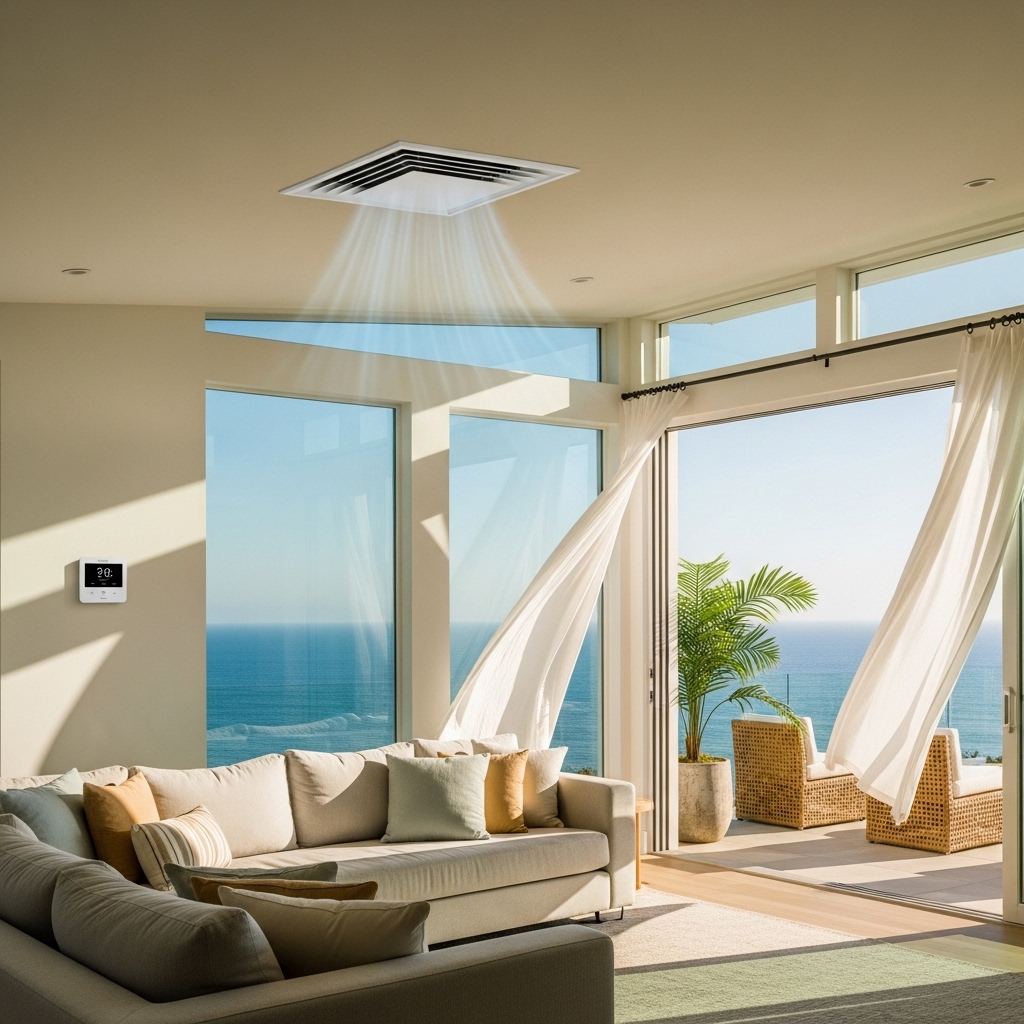
Summer in Malibu doesn’t always announce itself with triple-digit numbers, but the combination of radiant sun, reflective surf, and afternoon microbursts of heat inside glass-forward homes can make July and August feel far warmer than the forecast suggests. In these months, thoughtful air conditioning is less about chasing a number on the thermostat and more about shaping an interior climate that keeps pace with the day. I’ve spent many summers tuning systems from Point Mugu down to Carbon Canyon, and the homes that stay comfortable do so through nuance: steady cooling, targeted dehumidification, and distribution strategies that match the architecture rather than fight it.
Malibu’s marine influence is a gift most mornings, sending tendrils of cool air across patios and into courtyards. But by midafternoon, sunlit rooms with broad exposures can collect heat like solariums, especially where ocean views invite minimal shading. The right system anticipates that swing, holding line against heat gain as it builds, instead of scrambling to catch up once rooms have already overshot. This proactive approach not only feels better; it saves energy and reduces stress on equipment during the longest days of the year.
Understanding Malibu’s Summer Pattern
The coastal cycle—marine layer, burn-off, afternoon heat, evening breeze—is dependable enough to model. Smart thermostats and learning controls translate that rhythm into setpoints and schedules that reduce midday spikes. For example, allowing a gentle pre-cool in late morning keeps glassy living rooms from drifting far above comfort by midafternoon, and a modest set-back after sunset lets the system rest as the onshore breeze returns. In two-story homes or hillside builds, buoyancy effects can trap warm air upstairs; zoning or dedicated split systems for upper floors make nighttime rest significantly more restorative.
Humidity is Malibu’s quiet variable. Even when temperatures are moderate, elevated moisture makes fabrics cling, sleep restless, and wood finishes feel tacky. Systems that can run longer, slower cycles wring out moisture without overshooting temperature. In practical terms, that might mean emphasizing fan settings that support moisture removal, using thermostats with both temperature and humidity targets, and ensuring condensate management is robust for peak season operation.
Designing for Glass, Sun, and Ocean
Summer comfort in Malibu often comes down to managing solar gain through glass. Low-e coatings and strategic shading help, but mechanical design completes the picture. Supply registers should be located where they can wash warm zones gently, rather than blasting occupants. In large, open rooms, multiple smaller supplies reduce drafts and blend air more evenly. Where architecture precludes ducting, discreet ductless heads positioned to sweep across glazing can counteract radiant warmth without disrupting sightlines.
In bedrooms, quiet is king. Selecting equipment with low sound ratings and using properly sized return paths ensure air moves like a soft exhale. For coastal homes with operable windows, consider how natural ventilation and cooling work together. Systems should be happy to stand down when nature delivers perfection, and then resume seamlessly when the breeze falters or smoke intrudes from inland events.
Why Consistency Beats Extremes
Summer comfort isn’t a sprint on the hottest day; it’s a marathon over months of modest, cumulative heat. Systems that avoid extreme temperature swings keep people feeling balanced and prevent objects—stone floors, wood furniture, drywall—from soaking up heat during the day and radiating it back in the evening. Variable-capacity heat pumps and air handlers excel here, trimming output to match real-time loads. The result is an elusive quality: the house feels composed. You move from kitchen to den to terrace without the jarring shifts that make you constantly adjust clothing or window shades.
Consistency also extends to indoor air quality. Summer activities bring in beach sand, sunscreen scents, and pollen, while occasional wildfire smoke can force windows closed. Higher-efficiency filtration paired with balanced ventilation keeps interiors fresh without inviting in humidity or ash. For families with sensitivities, paying attention to filter ratings and sealing return ducts can be the difference between a home that merely looks beautiful and one that truly supports well-being.
Cooling for Entertaining and Guests
Malibu summers often include gatherings that stretch from late afternoon into starlit nights. A cooling plan should account for those moments when occupancy doubles and kitchens work hard. Pre-cooling living areas and ensuring robust return airflow near entertaining spaces helps systems keep pace. Guest suites benefit from independent controls so visitors can tailor comfort without affecting the rest of the home, a courtesy that also avoids the all-too-common late-night thermostat wars.
Outdoor rooms are an extension of Malibu living. While mechanical cooling stays indoors, how you condition adjacent spaces makes a difference. Sliding doors that open wide onto decks should be paired with diffusion strategies that prevent short-cycling when doors open frequently. Simple measures—like ensuring returns aren’t starved when doors are ajar—allow the system to handle the ebb and flow of summer life.
Equipment Choices That Make Summer Easier
Inverter-driven heat pumps bring a graceful touch to Malibu summers, quietly matching output to demand while sipping energy. When ducts are well sealed and sized, these systems create a reliable baseline that supports open-window mornings and closed-window afternoons. For homes that evolved over decades and have a mix of room types, a hybrid approach—ducted in the core, ductless in tricky additions—can deliver targeted comfort without invasive retrofits.
Controls are the conductor. A thermostat that understands humidity and can coordinate zones prevents overcooling and under-dehumidifying. Remote sensors placed in sun-exposed rooms and on upper floors improve decision-making, letting the system respond to where people actually are rather than where the thermostat happens to sit.
Maintenance and Midseason Checks
Summer is when systems earn their keep, and a little attention goes a long way. Clean filters preserve airflow and keep coils free of debris, a must for efficiency and moisture removal. Outdoor units in coastal air appreciate a gentle rinse to shed salt and dust. Indoors, verify that registers are unobstructed by rugs or furniture, and listen for new sounds—often the earliest hint that a component needs adjustment. A quick midseason check with a trusted technician can catch issues before they impact a weekend with houseguests.
It’s also wise to revisit schedules as the summer evolves. June gloom routines might not serve August heat waves, and a simple tweak—earlier pre-cool, later set-back—keeps comfort steady without overworking equipment. Malibu rewards those small calibrations; they reflect the lived experience of a place that changes subtly day by day.
The Human Side of Summer Comfort
At its best, summer cooling becomes invisible. You notice it not in the sound of a fan or the rush of air, but in how easily your home hosts late breakfasts, post-surf naps, and impromptu dinners. Kids sleep through the night because rooms don’t fluctuate wildly. Leather chairs don’t feel clammy. You and your guests focus on conversation, music, and the horizon line instead of the thermostat. That’s the real importance of a well-tuned system in Malibu: it preserves the ease of summer without the drama.
In community conversations, I often hear that “Malibu doesn’t need much cooling.” It’s true that our nights are forgiving. But generous glazing, the occasional heat dome, and frequent entertaining all place consistent demands on indoor comfort. Choosing equipment and strategies that respect our microclimate ensures summer remains a season of pleasure rather than toleration.
Frequently Asked Questions
Why does humidity matter so much near the coast?
Moist air holds heat differently and affects comfort even at modest temperatures. Managing humidity prevents stickiness, protects finishes, and supports better sleep. Variable-speed systems and smart fan settings excel at moisture control without overcooling.
Do I need zoning in a Malibu home?
If your home has multiple stories, expansive glass, or a mix of exposures, zoning is often the best path to steady comfort. It isolates problem areas and avoids overconditioning spaces that don’t need it, especially during summer afternoons.
How should I set my thermostat in summer?
Let the system pre-cool gently before peak heat, maintain a steady setpoint through the afternoon, and ease back after sunset. If your thermostat can monitor humidity, use that feature to keep interiors dry and comfortable without dialing temperatures too low.
Will opening windows ruin my cooling plan?
Not if you’re intentional. Enjoy morning breezes and close up as the day warms. Modern systems handle these transitions well. During smoke events or high-humidity days, keep windows closed and rely on filtration and dehumidification to maintain indoor quality.
What kind of maintenance should I expect mid-summer?
Check filters, verify drains, and rinse coastal outdoor units. If you notice performance changes—longer run times, new noises, or uneven cooling—schedule a quick assessment to head off larger issues before a busy weekend.
Is a heat pump enough for Malibu’s hottest days?
Modern heat pumps are more than capable of handling Malibu’s peaks, especially when paired with proper ductwork and shading strategies. Their ability to modulate output makes them ideal for our mix of mild mornings and warm afternoons.
Ready to enjoy effortless Malibu summers?
If you’re refining your home for the season ahead, consider how a thoughtfully designed system can keep pace with the sun, sea, and your schedule. Explore modern air conditioning solutions to create a quieter, drier, and more consistently comfortable summer from dawn surf checks to evening sunsets.