
Property management in Malibu is a balancing act between preserving a home’s character and protecting its long-term performance. Whether you oversee a boutique building off the PCH, a cluster of townhomes on Point Dume, or a single luxury rental tucked into the canyons, you already know that indoor air quality plays into tenant satisfaction in subtle but powerful ways. Clean vents mean quieter systems, steadier comfort, and fewer complaints about odors or dust. Yet coordinating air duct service across leases, HOA rules, and Malibu’s unique logistics can feel like a puzzle without the right partner. The better you understand the process, the easier it is to set expectations, schedule efficiently, and show results tenants can feel. If you are laying out your plan for the year, anchor it around proven professional air duct cleaning methods that adapt to Malibu’s ocean air, hillside access, and architectural diversity.
In managed properties, the goal is consistency. Each unit or home breathes differently depending on exposure, lifestyle, and system age, but the framework for service should be predictable. That means standardized pre-visit communications, clear scope definitions, and thorough documentation after the work is complete. From guest cottages near the beach to multi-level townhomes up the hill, residents appreciate when crews arrive prepared for parking limitations, elevator timing, and noise windows so that the day runs smoothly. When those details are handled, property managers and HOA boards can focus on outcomes: cleaner air, fewer nuisance calls, and a portfolio that ages gracefully.
Setting scope that fits rentals and community standards
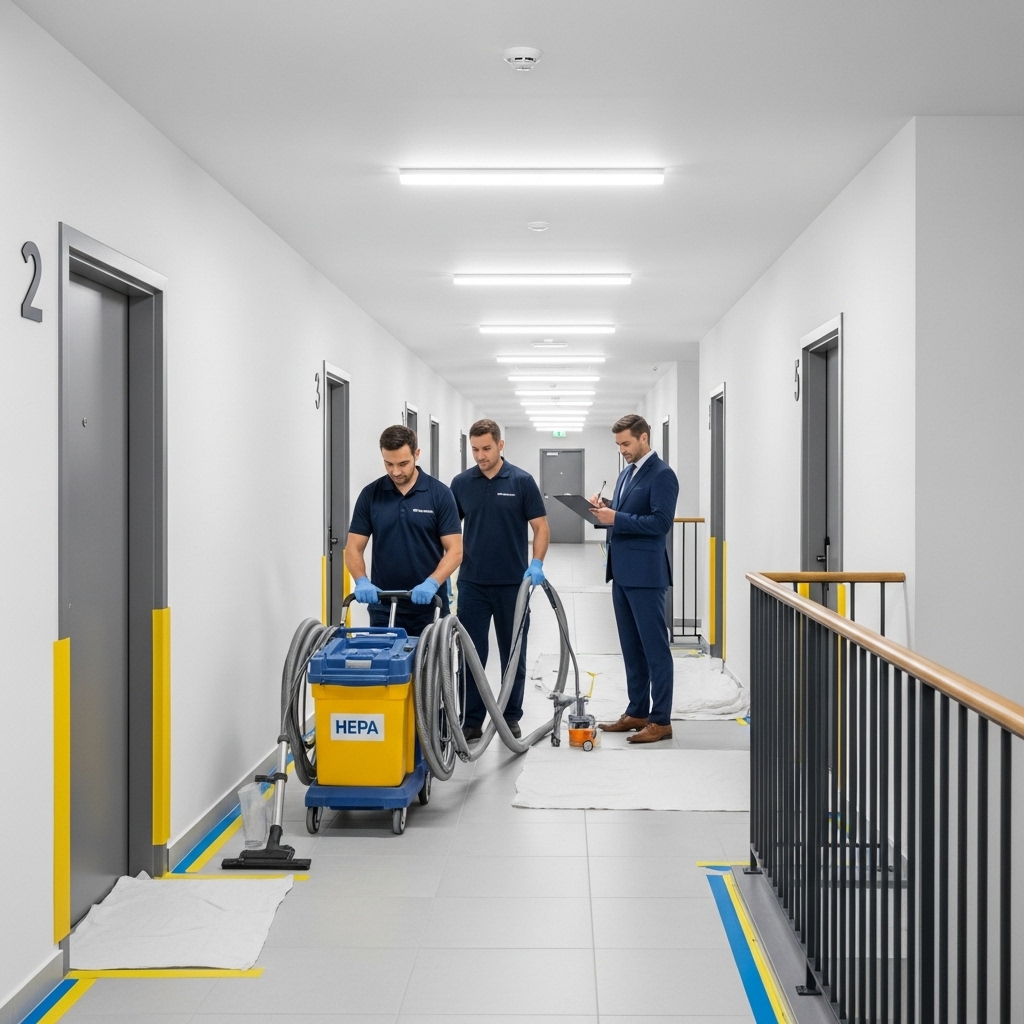
One challenge in shared environments is aligning expectations among owners, residents, and boards. A well-written scope specifies the number of supplies and returns per unit, whether coil and blower cleaning will be assessed, and how containment will be handled. It also addresses how technicians will protect common areas during staging—drop cloths in hallways, corner guards on stairwells, and careful routing of hoses to avoid tripping hazards. In Malibu’s tight parking and narrow lanes, crews plan ahead to place equipment without blocking essential access, coordinating with management to use loading spaces within community rules.
For rentals, the scope also defines how to communicate with tenants. Residents like to know what to expect: approximate duration, what spaces need clearing, and how pets will be secured while doors are propped open for equipment runs. Providing this information in advance reduces day-of friction and preserves the goodwill that keeps leases healthy. When residents feel informed and respected, they are more likely to cooperate, which directly improves results.
Why Malibu conditions require an adapted approach
Ocean air, sandy entries, and marine layer mornings shape the plan. Units close to the water often show more fine grit around returns and the first feet of ducting. Canyon homes collect pollen and dust, especially in spring and during brush clearing. Properties near busy stretches of the PCH may experience more roadside particulates that find their way indoors on shoes and through doors that open frequently. Because of this, a thoughtful schedule focuses on the early sections of ductwork where accumulation is most likely, while also setting aside time to evaluate the coil and blower when symptoms suggest attention is needed.
Access is another factor. Many Malibu buildings include mechanical closets tucked into tight corners or air handlers in attic spaces with limited clearance. Crews that work here routinely know how to stage equipment to avoid scuffing finishes and how to navigate delicate stair rails and custom millwork that define these properties. That care shows up not only in the condition of the space after the job but also in the calm, controlled feel of the workday—a crucial point when residents are at home during service.
Communication habits that reduce disruption
Property managers thrive on predictability. Establishing a communication rhythm around duct service removes guesswork. A week out, residents receive a clear notice with time windows and simple preparation steps. The day before, a reminder confirms arrival and reiterates what areas need to be accessible. On the day, the crew checks in with management before entering the unit, provides progress updates, and calls out any discoveries—such as a loose connection or compromised insulation—so decisions can be made promptly.
After the visit, documentation ties everything together. Photos of accessible sections and a short summary of findings give boards and owners a clear baseline, helping them plan future maintenance. Over time, these records reveal patterns within a building, showing which exposures or lifestyles correlate with faster accumulation. With that insight, managers can adapt schedules and even offer residents simple tips to keep systems cleaner between visits.
Coordinating service across multiple units
When several homes are scheduled in a day, efficiency hinges on staging. Crews often begin with units that have the most complex access so that straightforward units can fill open time if a resident needs a few extra minutes to prepare. Equipment is routed to minimize noise in common areas during quiet hours, and drop cloths are positioned in hallways to protect surfaces while allowing foot traffic. In buildings with elevators, coordination with management ensures that residents experience minimal delay while equipment moves between floors.
Another subtle factor is airflow between units and common spaces. In some properties, door sweeps and shared shafts can carry odors from one unit to another. By establishing negative pressure at the air handler during cleaning and carefully sequencing the order of units, the crew prevents disturbed material from drifting into neighboring spaces. This kind of planning becomes second nature to teams that work regularly in Malibu’s multi-unit settings.
Short-term rentals and turnover rhythms
Vacation rentals add a tempo of their own. Turnover windows can be tight, and guests expect the home to feel fresh the moment they arrive. In these cases, the plan focuses on the areas that influence first impressions: returns, registers in main living spaces, and any zones where odors can linger. Working closely with cleaning teams allows the duct crew to coordinate timing, so registers are serviced before surfaces are dusted, and the final walkthrough ensures that the systems run quietly and smell clean.
Documentation is especially valuable in short-term rentals. Owners appreciate a clear record of service dates, scope, and before-and-after photos, which can be shared with guests upon request or used to answer questions about indoor air quality. These records also support a consistent maintenance cadence tailored to occupancy levels, avoiding both over-servicing and deferring attention until complaints arise.
HOA guidelines and transparency
Boards often focus on fairness and predictability. When a provider can show how methods protect common areas, how noise will be managed, and how residents will be informed, approvals come more easily. In some communities, the board may require vendors to carry specific insurance or to provide worker documentation prior to arriving on site. Experienced teams are accustomed to these requirements and have the paperwork ready, keeping the schedule on track.
Transparency during and after the job matters just as much. When residents can see the steps being taken to protect finishes and hear steady, professional communication, they feel confident that the work is worth the temporary disruption. That confidence reduces complaints and builds a cooperative atmosphere that supports future maintenance efforts.
Wildfire smoke, windy days, and special events
Malibu’s calendar includes days when outdoor conditions challenge indoor air. After smoky spells or strong winds, proactive outreach to residents can make a big difference. Suggest closing windows, running the system to filter the air, and checking filters sooner than usual. For buildings that suffered noticeable intrusion, schedule focused cleanings of returns and early trunk sections so odors and fine residue do not linger. Managers who move quickly after these events often receive appreciative notes from residents who feel the difference in the days that follow.
When necessary, staggered service helps. Units most affected by exposure are addressed first, while those with less intrusion can be scheduled for routine checks. This targeted approach protects budgets, minimizes disruption, and delivers meaningful improvements where they are needed most.
What a well-run service day looks like
Crews arrive within the agreed window, check in with management, and walk the route they will use so corner guards and drop cloths are placed in the right spots. In each unit, technicians lay protection, confirm counts of supplies and returns, and explain what will happen. Containment and negative pressure are established before agitation tools touch a register. The team moves methodically, verifying progress and documenting as they go. If they find something unusual—like a damaged connection or moisture staining—they note it and share recommendations without sales pressure.
At the end of the day, common areas look as they did before, perhaps a touch cleaner from the attention paid to pathways. Residents notice quieter systems and fresher air. Management receives a concise report with photos and notes. Over time, repeating this cadence engrains a culture of care that residents feel even if they never see the work being done.
Mid-project perspective: aligning stakeholders
When property managers, boards, and residents share the same picture of what success looks like, everything gets easier. That picture includes a clear scope, documented protection measures, and a consistent communication rhythm. It also features a provider who understands Malibu’s logistics and can adapt on the fly when a driveway is blocked or an elevator is out of service. To keep everyone aligned, revisit the fundamentals of professional air duct cleaning as you roll the program forward so new residents and board members know what to expect and why it matters.
Frequently asked questions for rentals and HOAs
How do we schedule service without disrupting residents?
Plan ahead with clear notices, time windows, and preparation steps. Coordinate equipment staging and parking, and sequence units so complex access happens first. Communication and predictability minimize disruption more than speed ever could.
What documentation should we expect after each visit?
A brief report with photos of accessible sections, notes on any findings such as loose connections or insulation issues, and confirmation of the scope completed. These records form a baseline that supports future planning and helps answer resident questions.
Can duct cleaning reduce odor complaints?
Yes, especially when returns and the first trunk sections are addressed under negative pressure and when coil and blower conditions are evaluated. Odors often originate near these components, so careful cleaning and filter management make a noticeable difference.
How do Malibu’s conditions change our maintenance plan?
Ocean exposure and canyon dust shift attention to early duct sections and filter cadence. After windy or smoky days, targeted checks help prevent lingering residue. The plan adapts to the building’s location and the lifestyle of its residents.
What about pet-friendly buildings?
Pet dander and sand from daily walks can increase accumulation near returns. Clear communication with residents about preparation and a focus on protective coverings during service keep homes calm and clean while the work is performed.
How do we handle tight turnaround in short-term rentals?
Prioritize areas that affect first impressions, coordinate with cleaning crews, and document results for owners. A targeted approach during turnover keeps spaces feeling fresh without overwhelming the schedule.
If your goal is quieter systems, happier residents, and fewer surprise calls, choose a partner who treats your properties with the same care you do. With thoughtful planning, respectful communication, and methods tailored to ocean air and hillside logistics, you can turn maintenance into a visible amenity. When you are ready to put that plan into action, schedule professional air duct cleaning and give your residents the comfort they deserve.